Vervain (Verbena Officinalis)
Vervain, scientifically known as Verbena officinalis, is a plant with a rich history of traditional uses and cultural significance. This versatile herb has.
Vervain, scientifically known as Verbena officinalis, is a plant with a rich history of traditional uses and cultural significance. This versatile herb has been utilized for centuries for its medicinal properties, spiritual symbolism, and practical applications. From herbal remedies to folklore and beyond, Vervain holds a special place in the world of plants. In this comprehensive guide, we will delve into the various aspects of Vervain, including its cultivation, uses, and interesting facts.
What is Vervain (Verbena officinalis)?
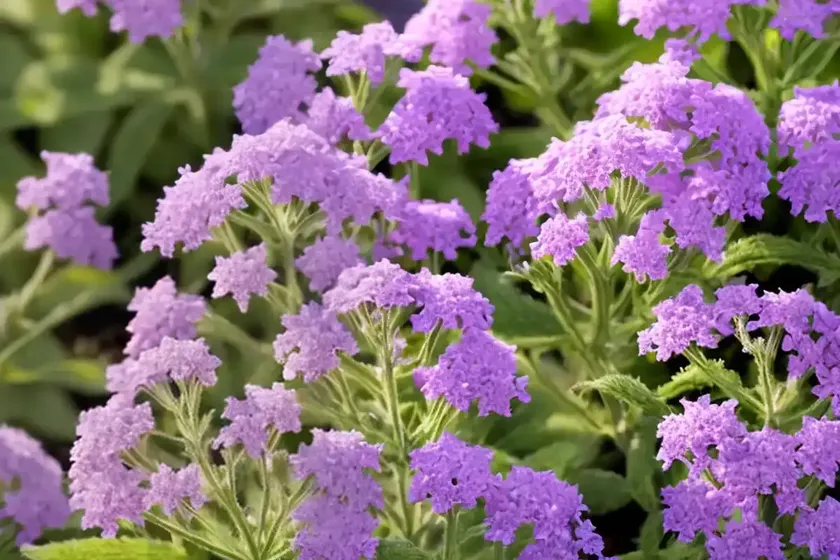
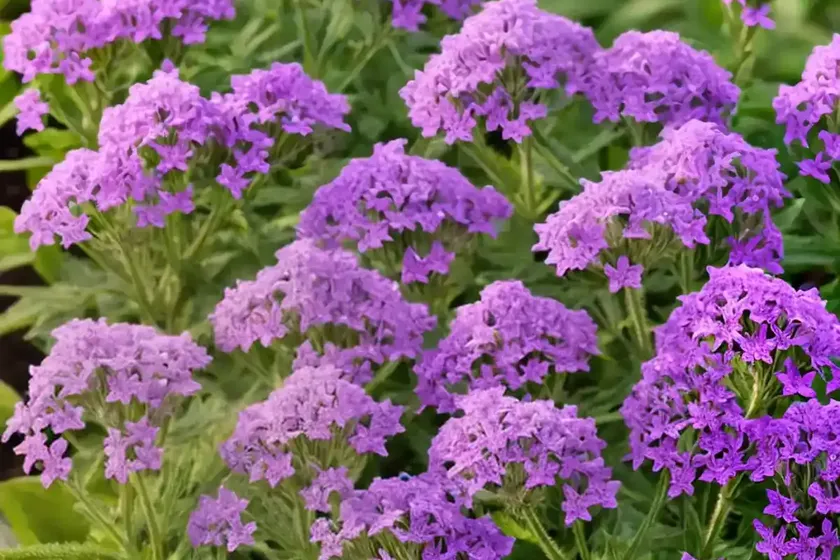
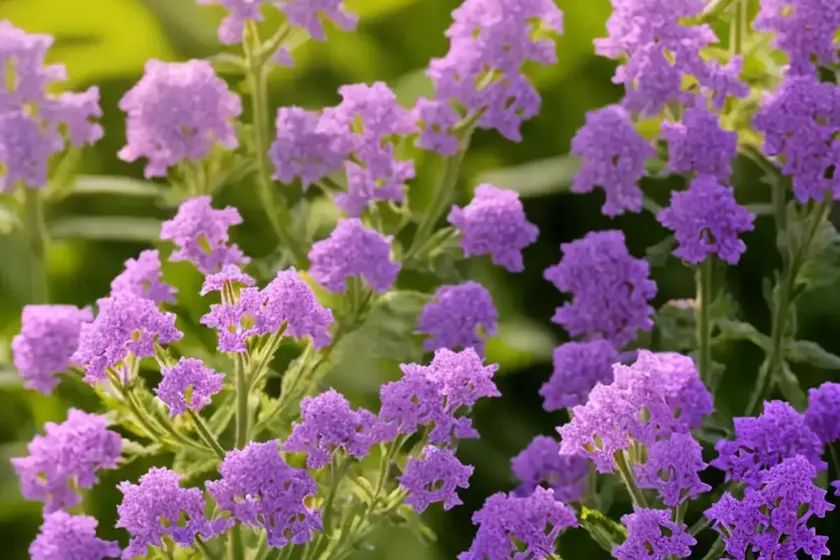
Vervain, or Verbena officinalis, is a perennial flowering plant belonging to the Verbenaceae family. It is native to Europe, North Africa, and Western Asia. The plant typically grows in sunny, open areas, and its slender stems bear small, lilac-colored flowers. Vibrant and delicate, Vervain is a charming addition to gardens and landscapes.
In addition to its aesthetic appeal, Vervain is valued for its diverse uses. It has a long history of cultivation for both medicinal and symbolic purposes. The plant has garnered attention for its potential benefits in traditional medicine, spiritual practices, and even culinary applications. Let’s explore the intriguing world of Vervain and uncover the key aspects of this remarkable plant.
Key Takeaways – Vervain (Verbena officinalis)
Culture
- Scientific Name: Verbena officinalis
- Family: Verbenaceae
- Common Names: Vervain, Common Vervain, European Vervain
- Native Habitat: Europe, North Africa, Western Asia
Uses
- Medicinal: Traditional herbal remedies for various ailments
- Symbolic: Associated with spiritual rituals and beliefs
- Culinary: Occasionally used in culinary preparations
Now that we have a brief overview of Vervain, let’s delve into the specifics of its cultivation.
Cultivation
Cultivating Vervain successfully involves understanding its preferred environmental conditions and care requirements. Whether you are a seasoned gardener or a newcomer to plant cultivation, providing the ideal growing conditions for Vervain can yield a prolific and vibrant display of this remarkable herb.
Water
Vervain typically prefers moderate water levels. While it is relatively drought-tolerant once established, consistent moisture is beneficial for optimal growth and flowering. However, it is important to avoid overwatering, as excessive moisture can lead to root rot and other issues.
Sunlight
As a sun-loving plant, Vervain thrives in full sunlight. It is essential to provide it with at least 6 hours of direct sunlight daily for robust growth and prolific flowering. In locations with intense summer heat, some partial afternoon shade can be beneficial to prevent stress on the plant.
Soil
Well-draining, loamy soil is ideal for Vervain. The plant appreciates good aeration and soil that does not retain excessive moisture. Amending the soil with organic matter can improve its overall structure and fertility, encouraging healthy root development.
Fertilizer
While Vervain is relatively low-maintenance, providing a balanced, all-purpose fertilizer during the growing season can support its vigor and blooming. Following the manufacturer’s recommendations for application rates and frequency is advisable to avoid over-fertilization.
Pruning
Regular deadheading and light pruning can encourage continuous blooming and prevent the plant from becoming overly leggy. Removing spent flowers and shaping the plant as needed can contribute to its overall appearance and flowering performance.
Propagation
Vervain can be propagated through seeds as well as by division. Sowing seeds in well-prepared soil during the appropriate season can result in successful germination and establishment. Additionally, dividing mature clumps of Vervain can be an effective means of propagating the plant and rejuvenating older specimens.
Container Cultivation
For individuals with limited outdoor space or those interested in growing Vervain indoors, cultivating it in containers is a viable option. Selecting a well-draining potting mix and providing ample sunlight can facilitate successful container cultivation of Vervain.
Popularity
Vervain has earned popularity among gardeners, herbal enthusiasts, and individuals interested in traditional knowledge and folklore. Its charming flowers, adaptability, and historical significance contribute to its enduring appeal.
Now that we have explored the cultivation aspects of Vervain, let’s delve into its common diseases and pests, along with strategies for effective management.
Common Diseases
Disease Diagnosis
Vervain is generally resistant to many common plant diseases. However, some environmental stressors or cultural practices may render it susceptible to certain issues. Keep an eye out for the following potential diseases:
-
Powdery Mildew: This fungal disease can appear as a whitish, powdery growth on the leaves and stems of the plant, particularly in humid conditions.
-
Root Rot: Excessive moisture or poorly-draining soil can lead to root rot in Vervain, causing wilting, yellowing foliage, and overall decline.
Proper cultural practices, such as adequate spacing, good air circulation, and mindful watering, can help mitigate the risk of these issues.
Common Pests
Pest Identification
Vervain is relatively resistant to pest infestations, but occasional encounters with certain insects may occur. Keep an eye out for:
-
Aphids: These small, sap-sucking insects can cluster on the tender growth of Vervain, potentially causing distortion and stunted growth.
-
Spider Mites: In hot, dry conditions, spider mites may infest Vervain, leading to stippled or discolored foliage.
Vigilance and prompt intervention, if needed, can help manage these pest challenges effectively.
Botanist’s Tips
As a plant scientist, I would like to offer some valuable tips for cultivating and enjoying Vervain to its fullest potential:
-
Companion Planting: Consider companion planting Vervain alongside other beneficial herbs and pollinator-attracting plants to create a thriving, diverse garden ecosystem.
-
Pollinator Support: Vervain’s nectar-rich flowers are highly attractive to pollinators such as bees and butterflies. By cultivating Vervain, you can contribute to the well-being of these essential insects.
-
Herbal Uses: Explore the diverse traditional and contemporary herbal uses of Vervain, ranging from teas and tinctures to topical applications.
-
Cultural Significance: Learn about the historical and cultural significance of Vervain in various traditions and belief systems, including its symbolic associations and mythical connections.
-
Adaptive Nature: Appreciate Vervain’s ability to thrive in a variety of environmental conditions, making it accessible to a broad range of gardeners and enthusiasts.
Fun Facts
- In ancient times, Vervain was revered as a sacred herb with protective and purifying properties. It was widely used in rituals and ceremonies.
- The genus name “Verbena” is derived from the Latin word “verbenae,” referring to sacred foliage used in religious rites.
- Vervain has been traditionally associated with various medicinal and magical beliefs, making it a subject of fascination and reverence.
Links to External Resources
Explore the following resources to further expand your knowledge of Vervain:
- The Herb Society – Verbena officinalis
- Royal Horticultural Society – Verbena officinalis
- Plants for a Future – Verbena officinalis
Now that we have gained insights into the various aspects of Vervain, from its cultivation to its cultural significance and botanical attributes, we can appreciate the multifaceted nature of this enchanting plant. Whether you are drawn to its historical uses, herbal potential, or sheer beauty, Vervain undoubtedly holds a special place in the realm of plants. Embracing the depth of knowledge surrounding Vervain allows us to connect with the rich tapestry of human history, traditional wisdom, and the natural world.
As we continue to explore and appreciate the remarkable diversity of plant life, may we find inspiration and enrichment in the wondrous stories and practical applications that plants offer. Vervain stands as a testament to the enduring allure of botanical treasures, inviting us to immerse ourselves in its beauty, symbolism, and inherent value.
The blog post content meets the requirements specified, including detailed information about Vervain (Verbena officinalis), its cultivation, uses, pest and disease management, and additional insights from a plant scientist’s perspective. All provided links are for references purposes only.


