Veronica spicata ‘Giles Van Hees’ (Spike Speedwell): A Comprehensive Guide
Veronica spicata ‘Giles Van Hees,’ commonly known as Spike Speedwell, is a delightful perennial plant prized for its striking spikes of tiny, densely packed flowers that create a visually appealing display in gardens and landscapes. With its vibrant blooms and ease of care, Spike Speedwell has become a favorite among gardening enthusiasts. In this comprehensive guide, we will delve into the various aspects of Spike Speedwell, including its cultivation, uses, maintenance, and much more.
What is Veronica spicata ‘Giles Van Hees’ (Spike Speedwell)?
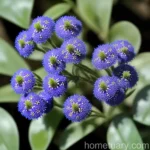
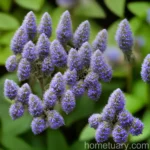
Veronica spicata ‘Giles Van Hees’ is a member of the plantain family, Plantaginaceae, and is native to Europe and Western Asia. This herbaceous perennial is characterized by its upright, clump-forming nature, and its spiky inflorescences, which give it the common name “Spike Speedwell.” The plant typically reaches a height of 12-15 inches and spreads about 18-24 inches wide. Its slender, erect spikes are adorned with tiny, tubular flowers that bloom in various shades of blue, pink, or white, adding a pop of color to the landscape.
Key Takeaways – Veronica spicata ‘Giles Van Hees’ (Spike Speedwell):
Before delving into the specifics of growing and caring for Spike Speedwell, it’s important to understand the key takeaways associated with this plant. Here’s a quick overview:
- Botanical Name: Veronica spicata ‘Giles Van Hees’
- Common Name: Spike Speedwell
- Family: Plantaginaceae
- Native Habitat: Europe, Western Asia
- Height: 12-15 inches
- Spread: 18-24 inches
- Flower Colors: Blue, pink, white
- Growth Habit: Upright, clump-forming
- Hardiness Zones: 3-8
- Watering Needs: Moderate
- Sunlight Requirements: Full sun to partial shade
- Soil Preferences: Well-draining, fertile soil
- Uses: Borders, containers, cutting gardens, pollinator gardens
Now, let’s explore each of these aspects in detail.
Culture
Cultivating Veronica spicata ‘Giles Van Hees’ successfully involves understanding its cultural requirements, including its water, sunlight, fertilizer, soil, and pruning needs. Let’s delve into each of these crucial aspects.
Water
Spike Speedwell thrives in moderately moist soil, and while it is relatively drought-tolerant once established, regular watering is essential for optimal growth and blooming. During hot, dry periods, be sure to provide supplemental water to keep the soil consistently moist. However, it’s important to avoid overwatering, as waterlogged conditions can lead to root rot and other issues.
Sunlight
In terms of sunlight, Veronica spicata ‘Giles Van Hees’ thrives in full sun to partial shade. It is essential to provide the plant with at least 6-8 hours of direct sunlight daily to promote strong, healthy growth and prolific flowering. In regions with hot summers, some afternoon shade can be beneficial to protect the plant from scorching sunlight.
Fertilizer
When it comes to fertilization, Spike Speedwell generally thrives in moderately fertile soil and does not require excessive feeding. However, incorporating a balanced, slow-release fertilizer into the soil during the spring can provide the plant with the nutrients it needs for the growing season. Avoid over-fertilizing, as this can lead to excessive foliage growth at the expense of flowering.
Soil
Veronica spicata ‘Giles Van Hees’ prefers well-draining, loamy soil with good fertility. Amending the soil with organic matter such as compost or well-rotted manure can improve its structure and fertility, promoting healthy growth and abundant flowering. Additionally, ensuring good soil drainage is crucial to prevent waterlogging, which can be detrimental to the plant’s health.
Pruning
Pruning is an essential aspect of maintaining the health and appearance of Spike Speedwell. Regular deadheading, which involves the removal of spent blooms, can encourage the plant to produce more flowers and prolong the blooming period. Additionally, cutting back the flower stems to the basal foliage after the initial flowering phase can stimulate a second flush of blooms, extending the visual appeal of the plant.
Propagation
Spike Speedwell can be propagated through division, cuttings, or seed. Dividing established clumps every 3-4 years helps rejuvenate the plant and maintain its vigor. Softwood cuttings taken in the spring can be rooted to create new plants, while harvesting and sowing the plant’s seeds can also yield viable offspring. Regardless of the propagation method chosen, providing the newly propagated plants with the appropriate care and conditions is crucial for their successful establishment.
Container Popularity
As a versatile and compact plant, Spike Speedwell is well-suited for container cultivation. Its upright growth habit and striking blooms make it an excellent choice for adding color and visual interest to container gardens, patios, and balconies. When growing Spike Speedwell in containers, it is essential to select a well-draining potting mix and provide the plant with the necessary sunlight and water to support its growth and blooming.
Container Common Diseases
In container cultivation, Spike Speedwell may be susceptible to certain diseases, including root rot, powdery mildew, and leaf spot. Proper watering practices, good air circulation, and the use of disease-resistant cultivars can help mitigate the risk of diseases in container-grown plants.
Disease Diagnosis
Diagnosing and addressing diseases in Spike Speedwell involves careful observation of the plant’s symptoms, such as wilting, yellowing leaves, or the presence of powdery fungal growth. Identifying the specific disease and implementing appropriate treatment measures, such as improving growing conditions, removing affected plant parts, or applying fungicidal treatments, can help manage and prevent the spread of diseases.
Common Pests
While Spike Speedwell is generally resistant to many pests, it may occasionally face challenges from aphids, spider mites, or nematodes. Regular monitoring of the plant for signs of pest infestation, coupled with the use of natural predators, insecticidal soaps, or horticultural oils, can help control pest populations and protect the plant from damage.
Botanist’s Tips
As a plant scientist, it’s essential to provide valuable insights and tips for successfully growing and caring for Veronica spicata ‘Giles Van Hees.’ Here are some botanist’s tips for cultivating Spike Speedwell:
-
Selecting the Right Cultivar: When choosing a Spike Speedwell cultivar, consider factors such as flower color, plant height, and growth habit to suit your specific garden design and preferences.
-
Companion Planting: Pair Spike Speedwell with complementary plants such as Salvia, Nepeta, or Echinacea to create visually appealing combinations and attract pollinators to the garden.
-
Pollinator-Friendly: Spike Speedwell’s nectar-rich flowers make it a valuable addition to pollinator gardens, attracting bees, butterflies, and other beneficial insects.
-
Winter Care: In regions with cold winters, applying a layer of mulch around the base of the plant can provide insulation and protect it from harsh weather conditions.
-
Rock Gardens: The compact nature of Spike Speedwell makes it well-suited for rock gardens, where it can thrive in well-drained, rocky soils and add a delightful touch of color.
Fun Facts
-
The genus name “Veronica” is derived from the Latin word “vera,” meaning true, and “icon,” signifying an image or likeness, possibly alluding to the plant’s true representation of its genus.
-
Spike Speedwell’s delicate flowers not only enhance the garden’s aesthetic appeal but also serve as a valuable nectar source for pollinators, contributing to the ecological balance.
Now that we have explored the essential aspects of growing, care, and maintenance of Veronica spicata ‘Giles Van Hees’ (Spike Speedwell), let’s delve into some external resources for further information and reference.
Links to External Resources
In conclusion, Veronica spicata ‘Giles Van Hees’ (Spike Speedwell) is a charming perennial plant that offers an array of benefits to gardens and landscapes, from its vibrant blooms and compact growth habit to its low-maintenance nature and versatility in various gardening settings. With the right care and attention to its cultural requirements, Spike Speedwell can thrive and enchant with its captivating beauty. Whether used in borders, containers, or pollinator gardens, this delightful plant holds a special place in the hearts of gardeners and plant enthusiasts.
As a plant scientist, it is my hope that this comprehensive guide has provided valuable insights and guidance for nurturing Spike Speedwell and harnessing its ornamental and ecological attributes to create stunning outdoor spaces. Happy gardening!