Veronica Aspire (Spike Speedwell): A Comprehensive Guide for Plant Enthusiasts
Introduction
Welcome to this comprehensive guide on Veronica ‘Aspire’, commonly known as Spike Speedwell. This stunning perennial plant is a favorite among gardeners, renowned for its graceful flower spikes and easy-care nature. In this guide, we will delve into the fascinating world of Veronica ‘Aspire’ – exploring its characteristics, ideal growing conditions, propagation methods, pest and disease management, and so much more. Whether you are a seasoned horticulturist or a budding plant enthusiast, this guide is designed to equip you with valuable insights to thrive in cultivating this beautiful plant.
What is Veronica ‘Aspire’ (Spike Speedwell)?
Veronica ‘Aspire’ is a delightful perennial plant known for its striking, elongated flower spikes and lush green foliage. Belonging to the Veronica genus, this plant is native to Europe and Asia, and it belongs to the family Plantaginaceae. The ‘Aspire’ cultivar is a standout in the Spike Speedwell family, cherished for its vibrant and long-lasting blooms.
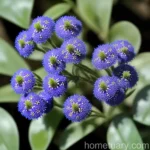
This cultivar is recognized for its abundant spires of bright indigo blue flowers, which emerge atop compact mounds of dark green foliage. The flowers form dense spikes, creating a charming spectacle when in full bloom.
Key Takeaways – Veronica ‘Aspire’ (Spike Speedwell)
Culture
- Plant Type: Perennial
- Mature Height: 12-15 inches
- Mature Spread: 18-24 inches
- Bloom Time: Late spring to early summer
- Ideal Temperature Range: Temperate to subtropical
Uses
- Perfect for borders and rock gardens
- Attracts pollinators like butterflies and bees
- Lovely as a cut flower in floral arrangements
Water
- Moderate water needs
- Water regularly, especially during dry spells
- Avoid waterlogging
Sunlight
- Optimal Sun Exposure: Full sun to partial shade (at least 6 hours of direct sunlight daily)
Fertilizer
- Use a balanced, all-purpose fertilizer during the growing season
- Apply according to package instructions
Soil
- Well-draining, loamy soil
- pH: Slightly acidic to neutral (6.0 – 7.0)
Pruning
- Deadhead spent flowers to encourage continuous blooming
- Cut back stems after flowering to promote bushier growth
Propagation
- Propagate through division
- Divide clumps in early spring or fall
Container Popularity
- Ideal for container gardening
- Thrives in well-draining, medium-sized containers
Common Diseases
- Powdery mildew
- Leaf spot
- Crown rot
Disease Diagnosis
- Monitor foliage for signs of powdery mildew or spotting
- Address issues promptly to prevent further spread
Common Pests
- Aphids
- Spider mites
- Slugs and snails
Botanist’s Tips
- Ensure good air circulation to prevent fungal diseases
- Mulch around the plants to deter pests and retain moisture
- Do not overwater to prevent root rot
Fun Facts
- The genus name Veronica is believed to be derived from the name of a woman associated with the divine, often linked to the plants’ use in religious rituals.
- The ‘Aspire’ cultivar is treasured for its adaptability, making it suitable for various landscapes and gardening styles.
Links to External Resources
For additional information on Veronica ‘Aspire’ and Spike Speedwell, feel free to explore the following resources:
Stay tuned for our detailed exploration of each aspect of cultivating and caring for Veronica ‘Aspire (Spike Speedwell) in the subsequent sections of this guide.
Now that I have introduced the topic, I will continue with the detailed exploration of each aspect as requested. Let’s proceed with the cultivation and care requirements for Veronica ‘Aspire’ (Spike Speedwell).