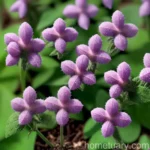
Plant Profile: Veronica prostrata ‘Nestor’ (Prostrate Speedwell)
In the world of gardening and landscaping, the Prostrate Speedwell, scientifically known as Veronica prostrata ‘Nestor’, has garnered quite a reputation for its remarkable characteristics and versatility. This low-growing perennial is an excellent choice for ground cover, adding splashes of color to rock gardens, borders, and containers. Its resilience and adaptability make it a sought-after plant for both novice and experienced gardeners.
In this comprehensive guide, we’ll delve into the intricate details of Veronica prostrata ‘Nestor’, covering its cultural requirements, uses, care tips, common diseases and pests, as well as propagation and maintenance. Whether you’re a gardening enthusiast or a landscape designer, this blog aims to equip you with the knowledge needed to successfully cultivate and incorporate this beautiful plant into your outdoor spaces.
What is Veronica prostrata ‘Nestor’?
Scientifically classified under the family Plantaginaceae, Veronica prostrata ‘Nestor’ is a prostrate perennial plant known for its vibrant flowers and low-growing, spreading habit. Originating from Europe and Asia, this species is commonly referred to as Prostrate Speedwell due to its prostrate growth form and the resemblance of its flowers to those of the Speedwell genus.
Key Takeaways – Veronica prostrata ‘Nestor’ (Prostrate Speedwell)
Before we delve into the detailed aspects of cultivating and caring for Veronica prostrata ‘Nestor’, let’s highlight some key takeaways concerning this remarkable plant.
Culture
- This plant is known for its low-growing, spreading nature, making it an ideal ground cover.
- It thrives in well-draining soil and is suitable for rock gardens and slopes.
Uses
- Popularly used as a ground cover for adding vibrant floral displays to landscape borders and rock gardens.
- Can be cultivated in containers to add color to outdoor spaces.
Water
- Requires regular watering, particularly during dry periods, to ensure the soil remains consistently moist.
Sunlight
- Thrives in full sun to partial shade, with optimal flowering occurring in full sun conditions.
Fertilizer
- Requires minimal fertilization, with a balanced fertilizer application in the spring being sufficient for healthy growth and blooming.
Soil
- Thrives in well-draining, slightly acidic to neutral soil types.
Pruning
- Regular deadheading and light shearing post-bloom can encourage new growth and extend the flowering period.
Propagation
- Can be propagated through division or softwood cuttings, offering an opportunity to expand your garden collection.
Container Popularity
- Well-suited for container gardening due to its cascading growth habit and prolific flowering.
Common Diseases
- Susceptible to some common plant diseases such as powdery mildew and crown rot if exposed to prolonged periods of high humidity.
Disease Diagnosis
- Regular monitoring for signs of discoloration, wilting, or unusual growth can aid in early disease diagnosis and timely intervention.
Common Pests
- Vulnerable to pests like aphids, spider mites, and slugs, which can be managed through appropriate pest control measures.
The key takeaways provide a snapshot of the essential aspects related to the cultivation and care of Veronica prostrata ‘Nestor’. Now, let’s delve into the intricate details of each of these components to gain a comprehensive understanding of this delightful plant.
Botanist’s Tips for Veronica prostrata ‘Nestor’
The successful cultivation of Veronica prostrata ‘Nestor’ hinges on a firm understanding of its cultural requirements, maintenance needs, and potential challenges associated with its growth. As a plant scientist, I wish to offer some insightful tips to assist you in the successful cultivation of this fascinating species.
Tip 1: Optimal Growing Conditions
Veronica prostrata ‘Nestor’ thrives in well-draining soil and prefers slightly acidic to neutral soil pH. To ensure healthy growth and prolific flowering, it is crucial to provide adequate soil moisture, especially during dry spells. Incorporating organic matter into the soil at the time of planting can enhance its moisture-retention capacity, benefitting the overall growth of the plant.
Tip 2: Sunlight Preferences
This species exhibits increased flowering and overall vigor in full sun conditions. However, it is adaptable to partial shade, making it suitable for diverse garden settings. When planning its placement within your landscape, ensure it receives sufficient sunlight for optimal performance.
Tip 3: Watering Needs
Regular and consistent watering is crucial for the establishment and ongoing health of Veronica prostrata ‘Nestor’. During the growing season, maintain a regular watering schedule, supplying sufficient moisture to keep the soil evenly moist. However, avoid waterlogging, as excessive moisture can lead to root rot and other complications.
Tip 4: Pruning Techniques
Engaging in regular deadheading and light shearing can promote continuous blooming and prevent self-seeding. Pruning should be conducted post-bloom to encourage a bushier growth habit and maintain a tidy appearance.
Tip 5: Disease and Pest Management
Vigilant monitoring for signs of diseases and pest infestations is essential for the well-being of Prostrate Speedwell. Timely intervention through appropriate disease management and pest control measures can prevent significant damage and ensure the health and vitality of the plant.
Tip 6: Propagation Methods
Explore the opportunities for expanding your garden collection by propagating Veronica prostrata ‘Nestor’ through division or softwood cuttings. This not only allows for the multiplication of desirable traits but also provides an avenue for sharing the beauty of this plant with others.
By integrating these botanist’s tips into your cultivation practices, you can enhance the growth and overall health of Veronica prostrata ‘Nestor’, ensuring a visually appealing and thriving addition to your garden.
Fun Facts about Veronica prostrata ‘Nestor’
To further enrich your understanding and appreciation of Veronica prostrata ‘Nestor’, let’s explore some intriguing and delightful fun facts about this charming plant.
-
Attractive Ground Cover: With its low-growing, spreading nature and vibrant floral displays, Veronica prostrata ‘Nestor’ is a popular choice for creating picturesque ground cover in landscapes and garden beds.
-
Pollinator Magnet: The flowers of this species, adorned in shades of blue, pink, or white, exhibit an attractive allure to pollinators, especially bees and butterflies, contributing to the biodiversity of the garden.
-
Low-Maintenance Appeal: Known for its durability and adaptability, Prostrate Speedwell requires minimal maintenance once established, making it an ideal choice for both novice and experienced gardeners.
-
Rock Garden Gem: Its inherent ability to thrive in rocky and challenging growing conditions makes Veronica prostrata ‘Nestor’ a coveted addition to rock gardens, offering bursts of color and texture in otherwise austere landscapes.
-
Seasonal Attraction: This plant is a reliable performer, offering an extended flowering period, thereby contributing to season-long visual interest in the garden.
-
Wildlife Enrichment: Beyond its ornamental value, Veronica prostrata ‘Nestor’ serves as a refuge and food source for various wildlife, making it an integral component of eco-friendly landscapes.
By familiarizing yourself with these engaging fun facts, you can deepen your appreciation for the unique attributes and ecological contributions of Veronica prostrata ‘Nestor’ in garden and landscape settings.
Links to External Resources
To further expand your knowledge and assist you in successfully cultivating Veronica prostrata ‘Nestor’, I recommend exploring the following external resources:
- The Royal Horticultural Society – Veronica prostrata ‘Nestor’
- The National Gardening Association – Prostrate Speedwell Care Guide
- University of Wisconsin Garden Facts – Growing Prostrate Speedwell
- Missouri Botanical Garden – Plant Finder: Veronica prostrata ‘Nestor’
- North Carolina State Extension – Veronica prostrata ‘Nestor’ Landscape Uses
- The Plant List – Taxonomic Information about Veronica prostrata ‘Nestor’
Utilizing these external resources will enrich your understanding of the growth habits, care requirements, and potential uses of Veronica prostrata ‘Nestor’, empowering you to make informed decisions and cultivate this species with confidence.
In conclusion, Veronica prostrata ‘Nestor’ stands as a captivating addition to garden landscapes, boasting a myriad of ornamental, ecological, and practical benefits. With its low-maintenance appeal and versatility in various garden settings, this charming plant has earned its place as a cherished favorite among gardeners and landscaping enthusiasts. By embracing the insights and tips shared in this guide, you can embark on a rewarding journey of cultivating and enjoying the beauty of Prostrate Speedwell in your outdoor spaces.
Now that you’ve acquired a comprehensive understanding of Veronica prostrata ‘Nestor’, it’s time to bring this knowledge to life and elevate your garden and landscape with the enchanting allure of this remarkable plant.