Syringa Vulgaris ‘Yankee Doodle’ (Lilac)
Lilacs are known for their stunning, fragrant blossoms and their rich history in gardens and landscapes. Among the many cultivars of lilacs, Syringa.
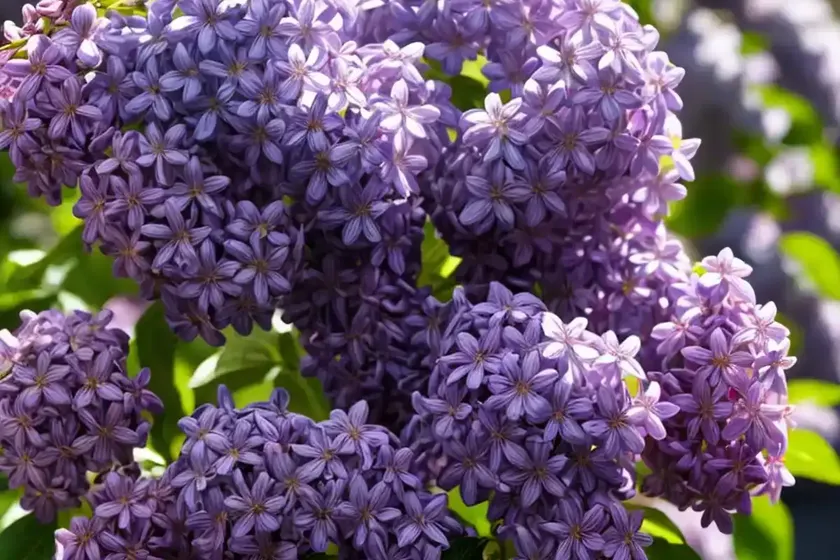
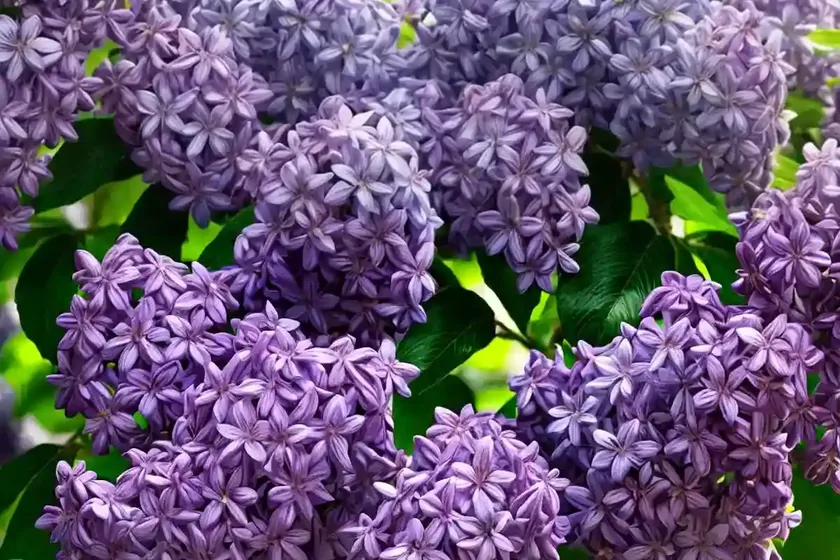
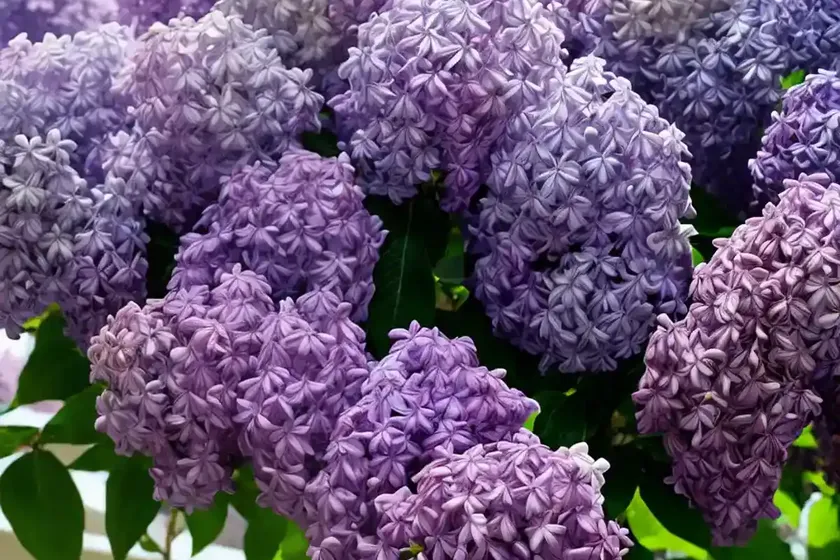
Lilacs are known for their stunning, fragrant blossoms and their rich history in gardens and landscapes. Among the many cultivars of lilacs, Syringa vulgaris ‘Yankee Doodle’, commonly known as the Yankee Doodle lilac, stands out for its unique characteristics and cultural significance. In this comprehensive guide, we will explore the key aspects of this beautiful plant, including its cultural requirements, uses, propagation methods, common diseases and pests, as well as fascinating botanist’s tips and fun facts. By the end of this guide, you will have a thorough understanding of how to care for and appreciate the Syringa vulgaris ‘Yankee Doodle’ lilac, and its potential impact in your garden or landscape.
What is Syringa vulgaris ‘Yankee Doodle’ (Lilac)?
Syringa vulgaris ‘Yankee Doodle’ is a cultivar of the common lilac, Syringa vulgaris. This deciduous shrub belongs to the Oleaceae family and is cherished for its showy, fragrant flowers and vibrant presence in gardens. The ‘Yankee Doodle’ variety is particularly renowned for its unique features, making it a sought-after addition to landscapes and gardens.
Key Takeaways – Syringa vulgaris ‘Yankee Doodle’ (Lilac)
Let’s first take a brief look at the key takeaways about the Syringa vulgaris ‘Yankee Doodle’ lilac plant.
- Botanical Name: Syringa vulgaris ‘Yankee Doodle’
- Common Name: Yankee Doodle lilac
- Family: Oleaceae
- Cultivar Type: Deciduous shrub
- Characteristics: Showy, fragrant blossoms
- Uses: Ornamental, landscaping, fragrance
- Cultural Requirements: Well-drained soil, sunlight, periodic pruning
- Propagation: Cuttings, layering
- Common Pests: Aphids, powdery mildew
- Common Diseases: Bacterial blight, phytophthora root rot
Culture
Cultivating Syringa vulgaris ‘Yankee Doodle’ entails paying particular attention to its environment, including water, sunlight, soil, and fertilization. Understanding the cultural requirements is essential for maintaining the health and vibrancy of the plant.
Water
Yankee Doodle lilacs benefit from regular watering, particularly during dry periods. It’s important to keep the soil consistently moist, but not waterlogged. When watering, aim to provide a deep soaking to encourage the development of a strong root system.
To ensure proper moisture levels, consider applying a layer of organic mulch around the base of the plant. Mulch helps to retain soil moisture and regulates soil temperature, contributing to the overall health of the Syringa vulgaris ‘Yankee Doodle’.
Sunlight
Like many flowering plants, Yankee Doodle lilacs thrive in full sun, requiring at least six to eight hours of direct sunlight per day. In locations with insufficient sunlight, the plant may produce fewer blossoms and exhibit decreased vigor. When selecting a planting site, prioritize locations with ample sunlight exposure to promote optimal growth and blooming.
Fertilizer
Proper fertilization is crucial for promoting healthy growth and abundant flowering in Syringa vulgaris ‘Yankee Doodle’. Prior to planting, it is beneficial to incorporate organic matter such as compost or well-rotted manure into the soil to provide essential nutrients. Additionally, a balanced fertilizer formulated for flowering shrubs can be applied in early spring to support vigorous growth and enhance blooming.
Care should be taken to follow the recommended application rates and timing specified on the fertilizer package to avoid over-fertilization. Over-fertilization can lead to excessive vegetative growth at the expense of blossoms, which is contrary to the desired outcome for lilacs.
Soil
Yankee Doodle lilacs thrive in well-drained, slightly alkaline soil with a pH level ranging from 6.5 to 7.5. Soil that retains excessive moisture can predispose the plant to root rot and other moisture-related issues. Therefore, it is advantageous to ensure adequate drainage by amending heavy or compacted soil with organic matter, such as peat moss or compost.
Furthermore, soil with good fertility and structure supports strong root development and overall plant vitality. Regular soil testing can aid in determining the pH and fertility status of the soil, enabling appropriate adjustments to be made to meet the specific needs of Syringa vulgaris ‘Yankee Doodle’.
Pruning
Pruning lilacs, including the ‘Yankee Doodle’ variety, is an essential aspect of maintaining the plant’s health and promoting prolific flowering. Proper pruning not only enhances the aesthetic appeal of the shrub but also facilitates improved air circulation and sunlight penetration, reducing the risk of disease development. Additionally, pruning encourages the growth of new shoots, leading to increased flowering in subsequent seasons.
Pruning Timing
For optimal results, it is advisable to perform pruning tasks immediately after the blooming period. Pruning conducted during this time allows adequate time for the development of new flower buds for the following year. Pruning later in the growing season may inadvertently remove the emerging flower buds, potentially diminishing the flowering display in the subsequent year.
Pruning Techniques
When pruning Syringa vulgaris ‘Yankee Doodle’, begin by removing any dead or damaged branches, as well as those exhibiting signs of disease or pest infestation. This initial step helps to maintain the health and vigor of the plant, preventing the spread of pests and diseases.
Subsequently, consider selectively removing older, woody stems from the base of the plant to promote the growth of new, more vigorous shoots. Additionally, it is beneficial to eliminate spent flowers and unproductive branches to redirect the plant’s energy towards new growth and flower production.
Aim to maintain a balanced and open structure while pruning, allowing sufficient air and light penetration throughout the plant. Avoid excessive pruning, as it can lead to reduced flowering and may compromise the overall health of the shrub.
Propagation
Syringa vulgaris ‘Yankee Doodle’ can be propagated through various methods, such as cuttings, layering, and grafting. Understanding and employing the appropriate propagation techniques enable gardeners to expand their lilac collection or share the beauty of this cultivar with others.
Propagation by Cuttings
Propagation using softwood or hardwood cuttings is a common and reliable method to propagate ‘Yankee Doodle’ lilacs. Softwood cuttings are typically collected during the early summer when the new growth has begun to mature but is not yet woody. Hardwood cuttings, on the other hand, are gathered during the dormant season, usually in late fall or early winter.
To propagate using cuttings, select healthy, disease-free stems and prepare them by removing the lower leaves and ensuring that each cutting possesses several leaf nodes. Once prepared, the cuttings can be planted in a suitable rooting medium and maintained under favorable conditions to facilitate root development.
Propagation by Layering
Another method of propagation involves layering, which is characterized by encouraging the development of roots on a stem that is still attached to the parent plant. This method often involves bending a low-hanging stem to the ground, making a slight incision or wound on the underside of the stem, and covering the wounded portion with soil.
Over time, roots will begin to form at the site of the incision, enabling the stem to be separated from the parent plant and potted as a new, independent specimen. Layering is advantageous in that it allows for the production of rooted plants without the need for severing them from the parent until they are ready for transplanting.
Container Popularity
The appeal of ‘Yankee Doodle’ lilacs extends effortlessly to container gardening, offering an opportunity for individuals with limited garden spaces to enjoy the beauty and fragrance of this exceptional cultivar. The use of containers allows for greater flexibility in the placement of the plant and facilitates maintenance and care, making it suitable for various settings such as patios, balconies, and urban landscapes.
Container Common Diseases
When cultivating Syringa vulgaris ‘Yankee Doodle’ in containers, it is important to be mindful of potential diseases that may affect the plant. Common container diseases that may impact lilacs include root rot, powdery mildew, and botrytis blight. These diseases can be exacerbated by poor air circulation, excessive moisture, or fluctuating environmental conditions.
Vigilance and proactive management are essential to prevent and mitigate the occurrence of diseases in container-grown ‘Yankee Doodle’ lilacs. This includes providing adequate drainage, employing disease-resistant cultivars if available, and ensuring proper sanitation practices to minimize the risk of disease spread.
Disease Diagnosis
Diagnosing and addressing diseases promptly is critical to safeguard the health and vitality of Syringa vulgaris ‘Yankee Doodle’. Recognizing the characteristic symptoms of common lilac diseases equips gardeners with the knowledge necessary to implement appropriate measures for disease management.
Bacterial Blight (Pseudomonas syringae pv. syringae)
Bacterial blight is a significant disease that affects many species of Syringa, and ‘Yankee Doodle’ is no exception. This disease is characterized by the appearance of water-soaked, irregularly shaped lesions on the leaves and stems of the plant. As the disease progresses, the lesions may become necrotic, leading to the wilting and dieback of affected tissues.
Control measures for bacterial blight include pruning and destroying infected plant parts, implementing proper sanitation practices to prevent disease spread, and promoting overall plant health through appropriate cultural practices. In severe cases, application of copper-based fungicides may be considered as a supplementary management strategy.
Phytophthora Root Rot
Phytophthora root rot, caused by various Phytophthora species, can pose a threat to the health of Yankee Doodle lilacs, particularly in poorly drained or waterlogged soil. Symptoms of the disease include wilting, yellowing of leaves, and a general decline in the overall vigor of the plant. The development of dark, necrotic lesions on the roots is also indicative of the presence of phytophthora root rot.
Managing phytophthora root rot involves improving soil drainage, avoiding overwatering, and incorporating appropriate soil amendments to enhance soil structure and fertility. Additionally, employing proper irrigation practices and selecting disease-resistant varieties can contribute to the prevention of phytophthora-related issues.
Common Pests
Syringa vulgaris ‘Yankee Doodle’ may be susceptible to infestations by various pests, necessitating vigilant monitoring and prompt intervention to prevent significant damage to the plant. Familiarizing oneself with common lilac pests enables early detection and effective management strategies to be implemented.
Aphids
Aphids are frequent visitors to many garden plants and can also affect ‘Yankee Doodle’ lilacs. These small, sap-feeding insects can be found on the undersides of leaves and the tender, new growth of the plant. The presence of aphids may result in distorted growth, yellowing of leaves, and the development of sticky honeydew on the plant surface.
Control measures for aphids include the use of insecticidal soaps, horticultural oils, or natural predators such as ladybugs or lacewings. Additionally, practicing good garden hygiene and minimizing the use of excessive nitrogen fertilizer can help deter aphid populations from proliferating.
Powdery Mildew (Microsphaera alni)
Powdery mildew is a fungal disease commonly encountered by Syringa vulgaris ‘Yankee Doodle’. It manifests as a powdery, white coating on the surfaces of leaves and shoots, often accompanied by leaf distortion and reduced vigor. Powdery mildew thrives in environments with poor air circulation and high humidity, making it essential to address these factors to mitigate the disease.
To manage powdery mildew, employ cultural methods such as increasing air movement around plants, avoiding overhead watering, and selectively pruning to improve ventilation. Additionally, application of fungicidal sprays labeled for powdery mildew control may be considered if the disease persists despite cultural interventions.
Botanist’s Tips
The art of growing and appreciating Syringa vulgaris ‘Yankee Doodle’ may be enriched through the incorporation of botanist’s tips, which provide valuable insights and recommendations based on plant biology and ecology. These tips are designed to support successful cultivation and enhance the overall experience of engaging with this remarkable lilac variety.
-
Optimal Growing Conditions: Providing favorable growing conditions, including well-drained soil, adequate sunlight, and proper water management, is fundamental to the successful cultivation of ‘Yankee Doodle’ lilacs. Paying attention to these factors lays the foundation for robust growth and superb flowering.
-
Pruning for Renewal: Regular pruning of Syringa vulgaris ‘Yankee Doodle’ is essential for maintaining a healthy, productive plant. Focus on removing old, spent wood to stimulate the growth of new, vigorous shoots, thereby enhancing the overall appearance and blooming potential of the shrub.
-
Beneficial Wildlife: ‘Yankee Doodle’ lilacs are valued for their ability to attract beneficial wildlife such as butterflies and bees due to their fragrant blossoms. Embracing the role of lilacs as wildlife-friendly plants contributes to the conservation of pollinators and fosters ecological balance in the garden or landscape.
-
Cultural Adaptability: While Syringa vulgaris ‘Yankee Doodle’ exhibits preferences for specific growing conditions, it is important to recognize the adaptability of the plant to different environments. By understanding the range of conditions that the lilac can tolerate, it is possible to optimize its performance in various settings.
Fun Facts
Delve into the intriguing and captivating world of the Syringa vulgaris ‘Yankee Doodle’ lilac with these fascinating fun facts:
-
Fragrance Extravaganza: The blossoms of ‘Yankee Doodle’ lilacs release a delightful and captivating fragrance, enriching the garden or landscape with their sweet, floral scent. This characteristic has contributed to the widespread appreciation of lilacs for their aromatic allure.
-
Historical Significance: Lilacs, including the ‘Yankee Doodle’ variety, possess a rich historical background, often associated with symbolism and cultural traditions. They have been revered in various cultures and have become emblematic of cherished sentiments and historical events.
-
Versatile Applications: In addition to serving as ornamental plants, Syringa vulgaris ‘Yankee Doodle’ has been utilized in perfumery and herbal remedies due to its aromatic and medicinal properties. The versatility of lilacs extends beyond their visual appeal to encompass a spectrum of sensory experiences and practical applications.
-
Blooming Spectacle: The profusion of blossoms produced by ‘Yankee Doodle’ lilacs during the flowering season creates an enchanting spectacle, attracting admirers and connoisseurs of botanical beauty. The diversity of lilac colors and forms adds to the allure of this flowering shrub.
Links to External Resources
For further exploration and in-depth information about Syringa vulgaris ‘Yankee Doodle’ and related topics, the following external resources are recommended:
- The American Horticultural Society: Lilacs
- Royal Horticultural Society: Lilacs
- Missouri Botanical Garden: Syringa vulgaris
- University of Illinois Extension: Lilac
- The Spruce: How to Grow and Care for Lilacs
In conclusion, the enchanting allure and cultural significance of Syringa vulgaris ‘Yankee Doodle’ make it a cherished addition to gardens and landscapes. Understanding the key aspects of cultivation, uses, and appreciation of this remarkable lilac variety enables individuals to cultivate and enjoy its beauty while contributing to its conservation and rich legacy.
Expand your horizons with the captivating world of ‘Yankee Doodle’ lilacs, and embark on a journey of discovery and admiration for this extraordinary plant.
In this comprehensive guide, we have discussed the various aspects of Syringa vulgaris ‘Yankee Doodle’ (Lilac), from its cultural requirements to propagation methods, common diseases and pests, and insightful botanist’s tips and fun facts. By understanding the intricacies of caring for and appreciating this exceptional plant, you can embark on a fulfilling journey of cultivating and enjoying the beauty of ‘Yankee Doodle’ lilacs in your garden or landscape.


