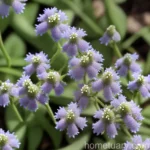
Veronica gentianoides (Gentian Speedwell): The Ultimate Plant Care Guide
Veronica gentianoides, commonly known as Gentian Speedwell, is a stunning perennial plant that is adored by gardeners for its beautiful flowers and low maintenance requirements. In this comprehensive guide, we’ll explore everything you need to know about Veronica gentianoides, from its cultural needs to its landscape uses, common pests, and diseases, and much more. Whether you’re a novice gardener or an experienced horticulturist, this article aims to provide valuable insights into cultivating and caring for this remarkable plant.
What is Veronica gentianoides (Gentian Speedwell)?
Veronica gentianoides belongs to the family Plantaginaceae and is native to the mountainous regions of Central and Southern Europe. This species is characterized by its delicate, pale blue flowers that bloom in dense, elongated clusters atop sturdy stems. The foliage is also quite attractive, with vibrant green leaves that form a dense basal rosette.
This perennial plant typically grows to a height of 1 to 1.5 feet and has a spread of 1 to 1.5 feet as well. It thrives in moist, well-drained soil and is a great addition to gardens, rockeries, and wildflower meadows. Veronica gentianoides is also known for its ability to attract pollinators, making it a valuable asset in wildlife-friendly landscapes.
Key Takeaways – Veronica gentianoides (Gentian Speedwell)
Before delving into the specifics of caring for Veronica gentianoides, let’s highlight the key takeaways regarding this delightful plant:
- Common Name: Gentian Speedwell
- Family: Plantaginaceae
- Native: Central and Southern Europe
- Flower Color: Pale blue
- Foliage: Vibrant green
- Height: 1 to 1.5 feet
- Spread: 1 to 1.5 feet
- Cultural Uses: Gardens, rockeries, wildflower meadows
- Special Feature: Attracts pollinators
Now that we have an overview of Veronica gentianoides, let’s delve into the specific care requirements to ensure its successful growth and flourishing blooms.
Culture
In this section, we will explore the various aspects of culture as it pertains to Veronica gentianoides. We’ll cover the plant’s water and sunlight needs, soil requirements, fertilizer application, and general maintenance tips.
Uses
Landscape Uses
Veronica gentianoides is a versatile plant that can be utilized in various landscape designs. Its elegant, pale blue flowers and lush green foliage make it an excellent choice for the following uses:
- Gardens: Use Veronica gentianoides to add a touch of elegance and color to flower beds, borders, and cottage gardens.
- Rockeries: The compact growth habit and stunning blooms of Veronica gentianoides make it a perfect addition to rockeries and alpine gardens.
- Wildflower Meadows: Incorporate this plant into wildflower meadows to attract pollinators and create a vibrant and naturalistic landscape.
Water
Proper watering is crucial for the health and vigor of Veronica gentianoides. Here are some key points to keep in mind regarding its water requirements:
- Regular Moisture: Provide consistent moisture, especially during the plant’s active growth period and blooming season.
- Avoid Waterlogging: Ensure that the soil is well-drained to prevent waterlogging, which can lead to root rot and other issues.
- Mulching: Apply a layer of organic mulch around the base of the plant to help retain soil moisture and suppress weed growth.
Sunlight
Sunlight plays a vital role in determining the overall health and flowering capacity of Veronica gentianoides. Consider the following guidelines for providing the appropriate sunlight conditions:
- Full Sun to Partial Shade: Plant Veronica gentianoides in a location that receives full sun to partial shade. It thrives in bright, indirect light and can tolerate some shade, especially in hot climates.
- Morning Sun, Afternoon Shade: In regions with hot summer temperatures, consider providing morning sun and afternoon shade to protect the plant from excessive heat stress.
Fertilizer
While Veronica gentianoides doesn’t have excessive fertilizer needs, providing a balanced application can support its growth and blooming potential. Here are some fertilizer guidelines to consider:
- Balanced Fertilizer: Use a balanced, all-purpose fertilizer with an N-P-K ratio of 10-10-10 or similar. Apply the fertilizer at half strength in early spring before new growth emerges.
- Minimal Fertilizer Requirements: Avoid over-fertilizing, as excessive nutrients can lead to lush foliage at the expense of flower production.
Soil
The right soil conditions are essential for the optimal growth and development of Veronica gentianoides. Consider the following soil requirements for this plant:
- Well-Drained Soil: Plant Veronica gentianoides in well-drained soil to prevent waterlogging and root rot. It thrives in loamy, sandy, or clayey soils that allow excess moisture to drain away.
- pH Level: The ideal soil pH for Veronica gentianoides is neutral to slightly acidic (pH 6.5 to 7.0). Conduct a soil test to determine the pH level and make adjustments as needed.
Pruning
Pruning plays a pivotal role in maintaining the health, appearance, and longevity of Veronica gentianoides. Here’s how to approach pruning this delightful perennial plant:
- Deadheading: Remove spent flowers regularly to promote continuous blooming and prevent the plant from expending energy on seed production.
- Cutting Back: In late fall or early spring, trim back any dead or damaged foliage to maintain a tidy and healthy appearance.
Propagation
Propagating Veronica gentianoides allows you to expand your garden’s plant population and share this beautiful species with others. Consider the following propagation methods:
- Division: Divide mature clumps of Veronica gentianoides in early spring or early fall. Carefully separate the root ball into smaller sections, ensuring that each division has sufficient roots and healthy growth points.
- Seed Propagation: Collect seeds from mature plants and sow them in a seed-starting mix indoors. Provide warmth, moisture, and bright light to encourage successful germination.
Container Popularity
Veronica gentianoides is well-suited for container planting, allowing enthusiasts to enjoy its beauty on patios, balconies, and other outdoor spaces. Here are some tips for growing this plant in containers:
- Container Size: Select a spacious container with adequate drainage holes to accommodate the plant’s root system and provide room for growth.
- Well-Draining Potting Mix: Use a high-quality, well-draining potting mix to ensure proper moisture management and root health.
- Watering Considerations: Monitor the soil moisture levels regularly and water the plant when the top inch of the soil feels dry to the touch. Containerized plants may require more frequent watering compared to those in the ground.
Container Common Diseases
When cultivating Veronica gentianoides in containers, it’s essential to be aware of potential diseases that can affect the plant. Common diseases to watch out for include:
- Root Rot: Overwatering or poorly drained soil can lead to root rot in containerized plants. Ensure that the container has adequate drainage and avoid waterlogging the soil.
- Powdery Mildew: In humid or poorly ventilated conditions, container-grown Veronica gentianoides may be susceptible to powdery mildew. Improve air circulation and consider fungicidal treatment if necessary.
Disease Diagnosis
Diagnosing and addressing plant diseases promptly is crucial for preserving the health and vitality of Veronica gentianoides. Look out for the following symptoms and take appropriate measures to manage potential diseases:
- Yellowing or Wilted Foliage: These symptoms may indicate root rot, which can occur in waterlogged or poorly drained soil. Adjust the watering regimen and consider repotting the plant in well-draining soil.
- White Powdery Coating on Leaves: Powdery mildew can manifest as a white, powdery coating on the foliage. Increase air circulation and apply fungicidal treatments if the condition persists.
Common Pests
While Veronica gentianoides is relatively resistant to pest infestations, it’s essential to remain vigilant and address any pest issues promptly. Keep an eye out for the following common pests:
- Aphids: These small, sap-sucking insects can cluster on the tender shoots and foliage of Veronica gentianoides. Use a strong water spray or insecticidal soap to control aphid populations.
- Slugs and Snails: These mollusks may feed on the plant’s foliage and flowers, causing unsightly damage. Implement slug and snail control measures, such as traps or barriers, to protect the plant.
Botanist’s Tips
To further enhance your understanding of Veronica gentianoides care and cultivation, consider the following tips from experienced botanists and horticulturists:
- Monitor Moisture Levels: Regularly check the soil moisture levels and adjust your watering schedule based on the plant’s needs and environmental conditions.
- Practice Good Air Circulation: Adequate airflow around Veronica gentianoides helps prevent humidity-related issues such as powdery mildew and supports overall plant health.
- Maintain Soil Health: Incorporate organic matter into the soil to improve its structure, fertility, and moisture retention capabilities, creating an optimal growing environment for the plant.
Fun Facts
As you continue your journey of discovering and cultivating Veronica gentianoides, consider these fascinating and fun facts about this remarkable plant:
- Butterfly Attraction: The nectar-rich flowers of Veronica gentianoides attract butterflies, enhancing the beauty and ecological value of gardens.
- Deer Resistance: This plant is known for its resistance to deer browsing, making it a valuable addition to landscapes in areas with high deer populations.
- Late-Summer Blooms: Enjoy the stunning display of pale blue flowers that adorn Veronica gentianoides in late summer, adding a touch of elegance to the garden during this season.
Links to External Resources
To further expand your knowledge and expertise in cultivating Veronica gentianoides, explore the following external resources for valuable insights and guidance:
- Royal Horticultural Society – Veronica gentianoides
- Missouri Botanical Garden – Veronica gentianoides
- University of Illinois Extension – Perennial Facts – Veronica gentianoides
By providing a detailed overview of Veronica gentianoides, including its care requirements, landscape uses, potential pests and diseases, and insightful botanist’s tips, this comprehensive guide aims to equip plant enthusiasts and gardening aficionados with the knowledge needed to cultivate and appreciate this wonderful species to the fullest. Whether you’re planning to incorporate Veronica gentianoides into your garden or seek to enhance your horticultural expertise, this ultimate plant care guide serves as an invaluable resource for your journey with Gentian Speedwell.