Tulipa ‘Mondial’ (Double Early Tulip) – A Complete Guide
Tulipa ‘Mondial’ is a delightful double early tulip and a popular choice for many gardeners. Its charming blooms, along with its adaptability and beauty, make it a fantastic addition to any garden. In this comprehensive guide, we will explore everything there is to know about Tulipa ‘Mondial’ – from its growth habits and preferred growing conditions to its maintenance and potential issues. Whether you’re a novice gardener or an experienced horticulturist, this in-depth guide will provide you with valuable insights to help you successfully cultivate and care for this stunning plant.
What is Tulipa ‘Mondial’?
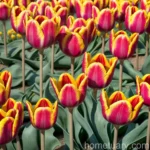
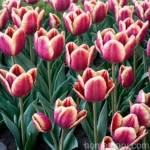
Tulipa ‘Mondial’ is a variety of double early tulip, known for its exquisite, peony-like blooms. With its captivating appearance and diverse color range, it has become a sought-after choice for garden enthusiasts and landscapers alike. The plant belongs to the Liliaceae family and is native to the mountainous regions of Central Asia, where tulips have long been cherished for their beauty and symbolism.
This particular cultivar, with its unique charm and elegance, has garnered widespread appreciation in horticultural circles. Its double-layered petals and vibrant hues make it a standout feature in garden beds, borders, and containers. Understanding how to care for and cultivate this enchanting tulip is essential for anyone wishing to incorporate it into their garden or landscape design.
Key Takeaways – Tulipa ‘Mondial’ (Double Early Tulip)
Before delving into the specifics of cultivating Tulipa ‘Mondial’, let’s have a brief overview of its key characteristics and requirements. The following section outlines the main takeaways associated with growing and caring for this alluring double early tulip.
- Scientific Name: Tulipa ‘Mondial’
- Type: Perennial bulb
- Bloom Time: Early to mid-spring
- Height: Approximately 14-18 inches (35-45 cm)
- Spread: 4-6 inches (10-15 cm)
- Flower Characteristics: Double-layered petals, wide color range, peony-like appearance
- Preferred Growing Zones: USDA zones 3-8
- Sunlight: Full sun to partial shade
- Soil Type: Well-drained, fertile soil
- Watering: Moderate, avoid waterlogged conditions
- Fertilization: Balanced, slow-release fertilizer
- Maintenance: Minimal pruning, deadheading spent blooms
- Container Use: Suitable for container planting
- Common Diseases: Botrytis, tulip fire, viral diseases
- Common Pests: Aphids, thrips, bulb-feeding insects
Now that we’ve established a foundation, let’s explore each aspect of Tulipa ‘Mondial’ in more detail, covering its cultural requirements, uses, and the best practices for ensuring its robust growth and stunning blooms.
Culture
Understanding the cultural requirements of Tulipa ‘Mondial’ is fundamental to its successful cultivation. From soil conditions to planting depth, each aspect plays a crucial role in nurturing healthy and vibrant tulips.
Uses
Tulipa ‘Mondial’ serves a variety of purposes in the garden and landscape. Its versatile nature allows it to be used in the following ways:
- Flower Beds and Borders: The captivating blooms of Tulipa ‘Mondial’ make it an exceptional addition to flower beds and borders, where its vibrant colors can complement and enhance surrounding plantings.
- Container Planting: Due to its compact size and stunning flowers, Tulipa ‘Mondial’ is well-suited for container gardening, adding a touch of elegance to patio settings, balconies, and outdoor spaces.
- Cut Flower Arrangements: The exquisite blooms of Tulipa ‘Mondial’ make it a popular choice for cut flower arrangements, bringing a burst of color and charm to indoor settings.
The varied uses of this tulip make it a valuable asset in both decorative and functional settings, providing visual appeal and versatility to any environment.
Water
Proper watering is essential for the health and vitality of Tulipa ‘Mondial’. While the plant requires regular moisture, it is crucial to avoid waterlogged conditions, which can lead to rot and other issues.
- Watering Guidelines:
- Spring Establishment: During the initial growth and flowering period in spring, provide moderate watering to keep the soil consistently moist but not waterlogged.
- Summer Dormancy: As the plant enters its dormancy phase in summer, reduce watering gradually to allow the bulbs to rest and avoid excess moisture.
Sunlight
Adequate sunlight is vital for the optimal growth and blooming of Tulipa ‘Mondial’. Understanding its sunlight requirements is key to ensuring its robust performance in the garden.
- Sunlight Preferences:
- Full Sun: Tulipa ‘Mondial’ thrives in full sun conditions, receiving a minimum of 6-8 hours of direct sunlight. Placing the bulbs in a location with ample sunlight will promote strong stem development and vibrant blooms.
- Partial Shade: While the plant prefers full sun, it can tolerate partial shade, especially in regions with intense summer heat. Providing some afternoon shade can help protect the blooms from excessive heat and extend their longevity.
Fertilizer
Applying the right fertilizer at the appropriate times can significantly impact the growth and blooming of Tulipa ‘Mondial’. A balanced approach to fertilization is crucial for promoting healthy foliage and vibrant flowers.
- Fertilization Recommendations:
- Spring Feeding: As the foliage emerges in early spring, apply a slow-release, balanced fertilizer to support the plant’s growth and development. Avoid excessive nitrogen, which can lead to overly lush foliage at the expense of flowers.
- Post-Bloom Care: After the flowers have faded, continue to nourish the plant with a light application of fertilizer to replenish the bulbs’ energy reserves for the following year’s growth.
Soil
The soil composition and structure play a significant role in the health and vigor of Tulipa ‘Mondial’. Understanding the plant’s soil preferences is crucial for providing an optimal growing environment.
- Soil Requirements:
- Well-Drained Soil: Tulipa ‘Mondial’ thrives in well-drained, fertile soil that provides good aeration and moisture retention without becoming waterlogged. Avoid heavy clay soils and areas prone to persistent moisture, which can lead to bulb rot and other issues.
- Soil pH: The plant exhibits good adaptability to a range of soil pH levels, but a neutral to slightly acidic pH (6.0-7.0) is generally preferred for optimal growth.
Pruning
Minimal pruning is required for Tulipa ‘Mondial’ beyond basic maintenance tasks such as deadheading spent blooms. Understanding the pruning needs of the plant can help preserve its aesthetics and promote future flowering.
- Pruning Recommendations:
- Deadheading Blooms: Remove faded flowers promptly to prevent seed formation and encourage the plant to channel its energy into bulb development and future growth.
- Foliage Management: Allow the foliage to senesce naturally after flowering, without prematurely removing or cutting it back. The maturation and nutrient replenishment process is essential for the bulbs’ health and readiness for the following season.
Propagation
Tulipa ‘Mondial’ can be propagated through several methods, although division of bulbs is the primary approach for expanding its population.
- Bulb Division: Dividing and replanting mature bulbs after the foliage has withered allows for the propagation of Tulipa ‘Mondial’ and the creation of new planting clusters. The bulbils that develop alongside the main bulbs can also be used for propagation.
Container Popularity
Tulipa ‘Mondial’ is well-suited for container cultivation, making it a popular choice for various container gardening applications.
- Container Planting Considerations:
- Bulb Depth: Plant the bulbs at an appropriate depth that allows for adequate root development and stability within the container. A general guideline is to plant them at a depth equal to three times the bulb’s height.
- Drainage: Ensure that the containers provide proper drainage to prevent waterlogging, which can compromise the bulbs’ health. Adding a layer of gravel or incorporating drainage holes in the containers can help promote good soil aeration and moisture management.
Now that we’ve covered the cultural aspects of growing Tulipa ‘Mondial’, let’s delve into the plant’s common diseases, pest management, and tips from botanists to ensure its thriving presence in the garden.
Common Diseases
Tulipa ‘Mondial’ is susceptible to certain diseases that can affect its overall health and blooming. Understanding these potential issues is essential for implementing effective disease prevention and management strategies.
Disease Diagnosis
Several common fungal and viral diseases can impact the health of Tulipa ‘Mondial’, leading to reduced vigor and compromised flowering.
- Botrytis (Gray Mold): Botrytis cinerea, a fungal pathogen, can cause gray mold on the foliage and flowers of Tulipa ‘Mondial’, particularly in humid and wet conditions. Symptoms include fuzzy gray growth on affected plant parts and wilting of blooms.
- Tulip Fire: Caused by the fungus Botrytis tulipae, tulip fire results in distorted growth, charred leaves, and general decline in affected plants. Infected bulbs may show signs of decay and discoloration.
- Viral Diseases: Various viral pathogens can infect tulips, leading to symptoms such as mottled or streaked foliage, stunted growth, and reduced vigor. Common viruses affecting tulips include tobacco rattle virus and tulip breaking virus.
Disease Prevention
Implementing proactive measures to prevent diseases is crucial for maintaining the health and vitality of Tulipa ‘Mondial’. Key strategies include cultural practices and sanitation.
- Cultural Practices:
- Ensure proper air circulation by spacing out plants and avoiding overcrowding in planting beds.
- Practice good watering habits, aiming to keep the foliage and flowers dry to minimize the risk of fungal infections.
- Regularly remove and dispose of any affected plant parts to prevent the spread of diseases within the garden.
Common Pests
Tulipa ‘Mondial’ can fall victim to a range of pests that feed on its foliage, stems, and bulbs. Identifying and controlling these pests is crucial for preserving the plant’s health and aesthetics.
Pest Management
Several common pests pose a threat to Tulipa ‘Mondial’, requiring vigilant monitoring and appropriate management practices to mitigate their impact.
- Aphids: These small, sap-sucking insects can infest tulip plants, causing distorted growth and the secretion of sticky honeydew. Regular inspection and the use of insecticidal soaps or horticultural oils can help control aphid populations.
- Thrips: Thrips are slender, winged insects that feed on plant tissues, leading to silvering of leaves and distorted growth. Using reflective mulches and targeted insecticide applications can aid in thrips control.
- Bulb-Feeding Insects: Several soil-dwelling insects, including bulb mites and nematodes, can damage tulip bulbs, affecting their vigor and flowering potential. Implementing soil treatments and selecting healthy, pest-free bulbs for planting can help reduce the risk of infestations.
Now that we’ve addressed potential diseases and pests, let’s explore valuable tips from botanists to enhance the cultivation and beauty of Tulipa ‘Mondial’.
Botanist’s Tips
Drawing upon the expertise of botanists and horticultural specialists can provide valuable insights for successfully growing and caring for Tulipa ‘Mondial’. The following tips encompass best practices and recommendations for optimizing the plant’s performance.
- Soil Preparation: Prior to planting, ensure that the soil is well-drained and enriched with organic matter to provide a supportive growing medium for the tulip bulbs.
- Planting Depth: Plant the bulbs at the appropriate depth to promote strong root development and stability within the soil. A general guideline is to plant them at a depth equal to three times the bulb’s height.
- Companion Planting: Consider pairing Tulipa ‘Mondial’ with companion plants that complement its colors and growth habits, creating visually appealing combinations in the garden or landscape.
- Proper Watering: Monitor the soil moisture levels closely, aiming to provide consistent, moderate watering without allowing the soil to become waterlogged. Adjust watering frequency based on seasonal variations and weather conditions.
- Mulching Method: Employ a protective layer of organic mulch around the planted bulbs to help conserve soil moisture, deter weeds, and provide insulation during temperature fluctuations.
- Overwintering Care: After the foliage has senesced, allow the plants to go through the natural dormancy process while ensuring they are adequately protected from extreme cold or moisture.
- Pollinator Conservation: Recognize the value of Tulipa ‘Mondial’ as a nectar and pollen source for pollinators, contributing to the conservation of beneficial insects and biodiversity.
- Spring Maintenance: Complete post-bloom care, including deadheading spent flowers and allowing the foliage to mature naturally to replenish the bulbs for the following season’s growth.
With these botanist-approved tips in mind, gardeners can enhance their approach to cultivating Tulipa ‘Mondial’ and witness the full potential of these stunning tulips.
Fun Facts
Tulipa ‘Mondial’ boasts several intriguing and captivating features that enrich its allure and charm as a garden favorite. Exploring these fun facts offers a deeper appreciation for this exquisite double early tulip.
- Historical Significance: Tulips, including the ‘Mondial’ variety, have a rich history and cultural significance, with a legacy tracing back to their cultivation in the Ottoman Empire and subsequent popularity in 17th-century Dutch tulip mania.
- Symbolism: Tulips, in general, symbolize love, beauty, and elegance. Their diverse colors and captivating forms have made them enduring symbols in art, literature, and horticulture.
- Peony-Like Blooms: The double-layered petals of Tulipa ‘Mondial’ closely resemble those of peonies, adding to their visual appeal and impact in garden settings.
- Global Cultivation: Tulips are grown and appreciated in various parts of the world, contributing to international horticultural diversity and the exchange of ornamental plant species.
The exploration of these fun facts brings a deeper perspective to the cultural significance and aesthetic appeal of Tulipa ‘Mondial’, further enhancing its allure and desirability.
Links to External Resources
For further information and in-depth guidance on Tulipa ‘Mondial’ care and cultivation, the following external resources provide valuable insights and practical advice:
- The Royal Horticultural Society (RHS) – The RHS offers comprehensive plant profiles and cultivation advice, including specific guidance on growing tulips such as Tulipa ‘Mondial’.
- University Extension Services – Many university extension services provide research-based articles and resources on horticulture, gardening, and plant care, offering reliable information on tulip cultivation.
- Garden and Horticulture Magazines – Subscription-based or online horticultural publications often feature articles on specific plant varieties, including tulips, providing insights and recommendations from industry experts.
Utilizing external resources can enrich the knowledge and expertise of gardeners, empowering them to cultivate Tulipa ‘Mondial’ with confidence and success.
In conclusion, Tulipa ‘Mondial’, with its exceptional beauty and adaptability, stands as a captivating choice for gardeners seeking to introduce vibrant and charming tulips into their landscapes. By adhering to the cultural guidelines, disease prevention strategies, and botanist-backed tips outlined in this comprehensive guide, individuals can experience the joy and splendor of growing this unique double early tulip. With the right knowledge and care, Tulipa ‘Mondial’ can grace gardens and outdoor spaces with its alluring blooms and bring a touch of elegance to any floral display.
Whether as part of a spring garden, a container planting, or a cut flower arrangement, the presence of Tulipa ‘Mondial’ enriches the horticultural tapestry and celebrates the allure of tulips in their diverse and captivating forms.
With a rich historical legacy, enduring symbolism, and lasting visual impact, Tulipa ‘Mondial’ embodies a timeless and cherished presence in the world of ornamental horticulture, delighting generations of enthusiasts with its remarkable beauty and charm.
Finally, for all the plant enthusiasts out there, the journey of cultivating and savoring the beauty of Tulipa ‘Mondial’ brings an appreciation for the enduring allure and versatility of these enchanting double early tulips, enriching gardens and outdoor spaces with their remarkable grace and vivid presence.