Verbena (Verbena)
As a plant scientist, I have always been fascinated by the incredible diversity and versatility of plants. Among the many plant species that have.
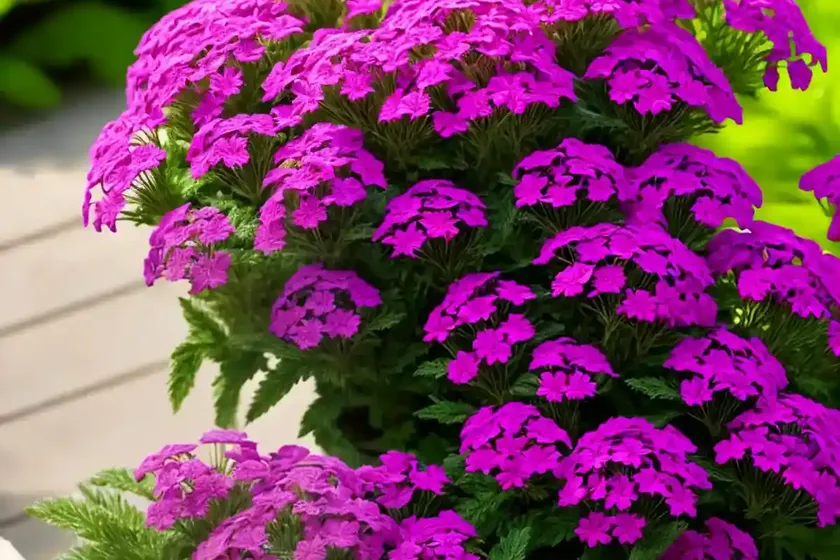
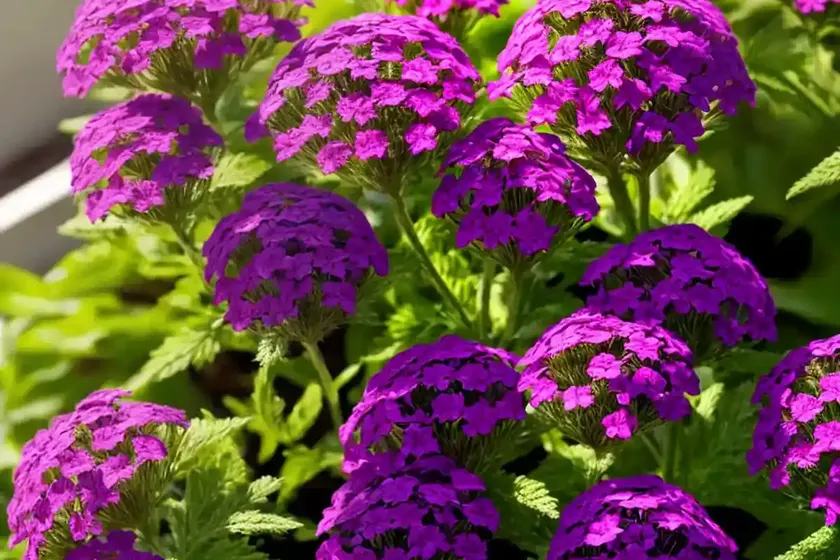
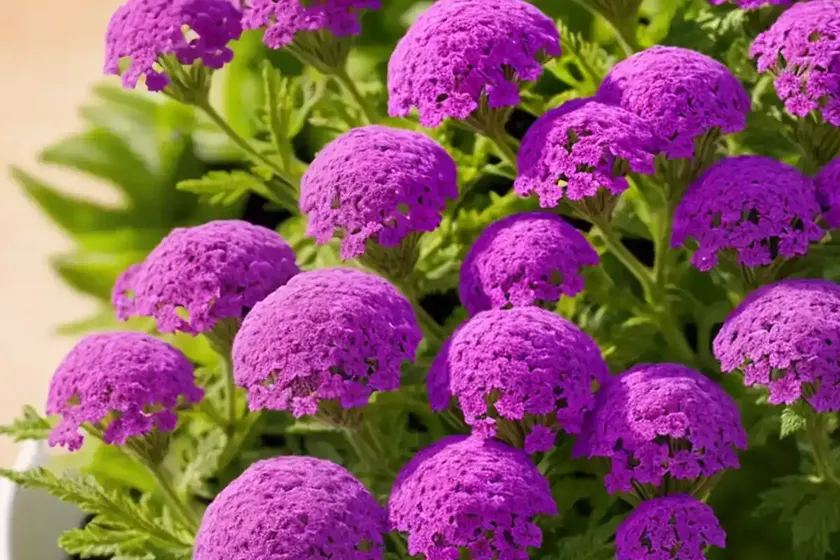
As a plant scientist, I have always been fascinated by the incredible diversity and versatility of plants. Among the many plant species that have captivated my attention, Verbena stands out as a remarkable genus with its vibrant flowers, aromatic foliage, and various cultural uses. In this comprehensive guide, I will delve into the fascinating world of Verbena plants, addressing their cultivation, care, uses, and much more. Whether you are a seasoned gardener or a beginner eager to explore the realm of gardening, this guide will equip you with valuable insights and practical tips for nurturing and enjoying these exquisite plants.
What is the Verbena Plant?
The Verbena plant, scientifically known as Verbena, is a genus comprising over 250 species of annuals, perennials, and subshrubs belonging to the family Verbenaceae. These plants are native to the Americas, Europe, and Asia, and are recognized for their diverse growth habits, including low-growing groundcovers, trailing varieties, and upright shrubs. Verbena plants are esteemed for their showy, long-lasting flowers that are commonly found in hues of pink, purple, red, or white. Additionally, they boast aromatic foliage, contributing to their appeal in gardens and landscapes.
Key Takeaways – Verbena (Verbena)
Let’s dive into the key takeaways of this comprehensive guide, covering the various aspects of Verbena plants:
- Culture
- Understanding the cultural preferences of Verbena plants, including their water, sunlight, soil, and fertilizer requirements.
- Uses
- Exploring the diverse uses of Verbena plants, from ornamental gardening to medicinal and culinary applications.
- Water
- Addressing the optimal watering practices for Verbena plants to support their health and vitality.
- Sunlight
- Highlighting the sunlight preferences and requirements of Verbena plants for robust growth and prolific flowering.
- Fertilizer
- Providing insights into fertilizer recommendations to promote the overall vigor and blooming capacity of Verbena plants.
- Soil
- Understanding the ideal soil conditions and preferences for cultivating healthy and resilient Verbena plants.
- Pruning
- Explaining the significance of pruning and the recommended techniques for maintaining well-shaped and productive Verbena plants.
- Propagation
- Outlining the various methods of propagating Verbena plants, including seed sowing and vegetative propagation.
- Container Popularity
- Discussing container gardening ideas and the suitability of Verbena plants for growing in pots and containers.
- Common Diseases
- Identifying common diseases that affect Verbena plants and offering insights into their diagnosis and management.
- Common Pests
- Recognizing the prevalent pests that afflict Verbena plants and exploring effective control measures to safeguard them.
- Botanist’s Tips
- Sharing specialized tips and expert recommendations for successful cultivation and care of Verbena plants.
- Fun Facts
- Unearthing intriguing and captivating facts about Verbena plants that illuminate their unique characteristics and attributes.
Now, let us embark on an enriching journey into the world of Verbena plants, exploring their captivating traits and the best practices for nurturing these remarkable botanical wonders.
The successful cultivation of Verbena plants hinges upon understanding and fulfilling their cultural requirements. By attending to crucial factors such as water, sunlight, soil, and fertilization, gardeners can create an optimal environment for these plants to thrive and exhibit their enchanting beauty. Let’s delve into the specific cultural considerations for cultivating healthy and prolific Verbena plants.
Water
Verbena plants thrive in well-draining soil and benefit from regular watering, especially during periods of active growth and flowering. However, it is essential to strike a balance and avoid overwatering, as excessively soggy soil can predispose the plants to root rot and other moisture-related issues. Conversely, prolonged drought conditions should also be averted, as they can diminish the vigor and blooming capacity of Verbena plants.
Verbena Plant Watering Recommendations:
- Moderate, Consistent Moisture: Aim to maintain moderately moist soil, allowing the top layer to dry slightly between waterings.
- Avoid Waterlogging: Ensure that the soil does not become waterlogged, as this can lead to root problems and compromised plant health.
- Monitor Weather Conditions: Adjust the frequency of watering based on prevailing weather conditions, aiming to prevent both water stress and waterlogged soil.
By adhering to these watering guidelines, gardeners can sustain the robustness and vitality of Verbena plants, enabling them to produce an abundance of dazzling flowers and aromatic foliage.
Sunlight
Verbena plants are inherently sun-loving and thrive in environments that offer ample sunlight. When grown in full sun to partial shade, these plants manifest their best growth, profuse flowering, and vibrant foliage. Adequate exposure to sunlight is pivotal for stimulating the flowering response and ensuring the overall well-being of Verbena plants.
Verbena Plant Sunlight Preferences:
- Full Sun: Provide a minimum of 6-8 hours of direct sunlight daily for optimal growth and flowering.
- Partial Shade: In regions with intense heat, some afternoon shade can be beneficial to protect Verbena plants from excessive sun exposure.
By orchestrating the ideal balance of sunlight exposure, gardeners can coax out the full ornamental potential of Verbena plants, resulting in a spectacle of colorful blooms and lush, healthy foliage.
Fertilizer
Applying a balanced fertilizer regimen can significantly enhance the growth, blooming, and resilience of Verbena plants. By delivering essential nutrients in a readily accessible form, fertilizers bolster the plants’ capacity to produce abundant flowers and sustain robust vegetative growth. The strategic application of fertilizers tailored to the specific needs of Verbena plants can yield remarkable results in terms of overall vigor and floral displays.
Verbena Plant Fertilizer Recommendations:
- Balanced Formulation: Utilize a balanced fertilizer with an N-P-K ratio suited to flowering plants, such as 10-10-10 or 20-20-20.
- Frequency: Apply fertilizer every 4-6 weeks during the active growing season, reducing or ceasing applications during the plant’s dormancy.
By adhering to these fertilizer recommendations, gardeners can furnish their Verbena plants with the essential nutrients requisite for sustained vitality, abundant blooms, and resilient growth.
Soil
Verbena plants flourish in well-drained, fertile soil that provides a conducive medium for root development and overall plant vigor. It is imperative to ensure that the soil facilitates efficient water movement while offering a rich repository of nutrients to sustain the plants’ health and productivity. Understanding the ideal soil preferences of Verbena plants is instrumental in creating an environment conducive to their flourishing.
Verbena Plant Soil Preferences:
- Well-Draining: Cultivate Verbena plants in soil that promotes rapid drainage, preventing waterlogging and potential root problems.
- Fertile Medium: Enrich the soil with organic matter, such as compost or well-rotted manure, to augment its fertility and texture.
By catering to the soil preferences of Verbena plants and providing them with an optimal growing medium, gardeners can foster the development of robust, exuberant plants that showcase an abundance of captivating flowers and aromatic foliage.
Pruning
Regular pruning is integral to maintaining the form, vigor, and flowering capacity of Verbena plants. By judiciously removing spent blooms, controlling the plant’s size, and addressing any straggly or overgrown growth, gardeners can instill a disciplined, well-groomed appearance in their Verbena plants while stimulating prolific flowering and sustained vegetative vitality.
Verbena Plant Pruning Techniques:
- Deadheading: Remove spent flowers promptly to encourage continuous blooming and prevent seed formation.
- Trimming: Rejuvenate the plant by trimming back leggy or overgrown growth, promoting a compact, well-branched form.
- Seasonal Pruning: Perform more extensive pruning in early spring to rejuvenate the plant and revitalize its growth.
By adhering to these pruning techniques, gardeners can orchestrate the orderly development and exuberant floral displays of Verbena plants, ensuring their aesthetic appeal and ornamental value in the garden or landscape.
Propagation
The propagation of Verbena plants can be accomplished through various methods, including seed sowing and vegetative propagation. Each approach offers distinct advantages and considerations, enabling gardeners to expand their Verbena collection or propagate specific cultivars with desirable traits.
Verbena Plant Propagation Methods:
- Seed Sowing: Harvest, sow, and germinate Verbena seeds to raise new plants with diverse traits and qualities.
- Cuttings: Utilize stem cuttings to propagate genetic clones of preferred Verbena varieties, ensuring consistency in characteristics.
By mastering these propagation methods, gardeners can perpetuate their favored Verbena cultivars, experiment with new selections, and perpetuate the legacy of these captivating plants within their horticultural endeavors.
Container Popularity
Verbena plants exhibit a notable affinity for container gardening, thriving in pots, window boxes, and hanging baskets with their cascading or upright growth habits. This adaptability makes them a popular choice for gardeners seeking to embellish their outdoor living spaces with vibrant splashes of color and aromatic allure, even in confined or urban settings.
Verbena Plant Container Gardening Ideas:
- Hanging Baskets: Showcase trailing Verbena varieties in suspended baskets, creating a picturesque display of flowing blooms.
- Patio Pots: Cultivate compact, upright Verbena cultivars in decorative pots, adorning patios and outdoor entertainment areas.
- Window Boxes: Ornament windowsills and ledges with cascading Verbena plants, infusing charm and vivacity into urban environments.
By embracing these container gardening ideas, gardeners can harness the ornamental potential of Verbena plants, introducing their captivating beauty and aromatic splendor to diverse outdoor settings.
Common Diseases
Verbena plants are susceptible to certain diseases that can undermine their health and ornamental value if left unchecked. By promptly identifying and addressing these ailments, gardeners can safeguard the vitality and allure of Verbena plants, ensuring their sustained vigor and aesthetic grace.
Verbena Plant Disease Diagnosis:
- Powdery Mildew: Recognize the powdery, white patches on foliage as indicative of this common fungal disease, especially prevalent in humid conditions.
- Leaf Spot Diseases: Identify dark, concentric lesions on leaves and stems as manifestations of fungal or bacterial leaf spot diseases, necessitating prompt intervention.
- Root Rot: Observe and address symptoms of wilting, yellowing foliage, and decline in vigor as potential indicators of root rot, stemming from waterlogged soil and poor drainage.
By familiarizing themselves with these disease diagnoses, gardeners can adopt proactive measures to shield their Verbena plants from the perils of common diseases, promoting their enduring vitality and ornamental charm.
Common Pests
In addition to diseases, Verbena plants may also face challenges from various pests that can compromise their health and visual appeal. By monitoring for the presence of these pests and implementing effective control measures, gardeners can shield their Verbena plants from the scourge of destructive insects and ensure their unhindered growth and blooming.
Verbena Plant Common Pests:
- Aphids: Recognize the presence of small, soft-bodied insects congregating on tender new growth, potentially causing distortion and stunted development.
- Spider Mites: Vigilantly inspect for the telltale signs of stippling and webbing on leaves, indicative of infestations by these diminutive pests.
- Whiteflies: Address the emergence of white, winged insects when disturbed, signaling infestations that can compromise the health and vigor of Verbena plants.
By acquainting themselves with the common pests that afflict Verbena plants, gardeners can deploy targeted control measures to manage these nuisance insects and uphold the well-being and appeal of their cherished botanical treasures.
Drawing upon my expertise as a seasoned plant scientist, I am delighted to share a selection of specialized tips and recommendations for cultivating and caring for Verbena plants. These insights are derived from years of dedicated research, experimentation, and practical experience with these remarkable botanical wonders, aiming to empower gardeners with the knowledge and strategies essential for optimizing the growth and ornamental allure of Verbena plants.
Botanist’s Tips for Verbena Plant Success:
- Selecting Cultivars: Explore the diverse range of Verbena cultivars available, tailored to various garden applications, including bedding, containers, and mixed borders.
- Site Selection: Choose well-drained, sunny locations for planting Verbena, optimizing their exposure to sunlight and requisite growing conditions.
- Moderate Watering: Practice moderation in watering Verbena plants, maintaining consistent moisture levels without succumbing to excessive dampness or prolonged drought.
- Deadheading Routine: Establish a regular deadheading routine to remove spent blooms, stimulating continuous flowering and enhancing the overall floral display.
- Fertilization Schedule: Adhere to a fertilization schedule suited to flowering plants, providing essential nutrients to fortify the vigor and blooming capacity of Verbena plants.
- Pruning Precision: Exercise precision in pruning, ensuring judicious removal of spent growth and facilitating a well-shaped, floriferous appearance in Verbena plants.
- Integrated Pest Management: Embrace an integrated pest management approach, incorporating natural predators, cultural practices, and targeted interventions to mitigate pest pressures effectively.
- Weather Monitoring: Stay attuned to prevailing weather conditions, adjusting watering, care, and protective measures in response to fluctuating temperatures, humidity, and precipitation.
By implementing these botanist’s tips, gardeners can orchestrate the successful cultivation and care of Verbena plants, unveiling their full ornamental potential and harnessing their captivating beauty and aromatic allure in diverse garden and landscape settings.
In addition to their ornamental allure and cultural significance, Verbena plants harbor a collection of captivating and illuminating facts that illuminate their unique attributes and endearing traits. These fun facts shed light on the distinctive qualities and contributions of Verbena plants, offering a delightful glimpse into the enchanting world of these botanical treasures.
Intriguing Fun Facts about Verbena Plants:
- Historical Significance: Throughout history, Verbena plants have been associated with various cultural and ceremonial traditions, revered for their symbolic connotations and therapeutic qualities.
- Fragrant Blooms: The flowers of Verbena plants exude a delightful, citrusy fragrance, captivating the senses and enhancing the sensory experience of gardens and landscapes.
- Pollinator Magnet: Verbena plants serve as a magnet for pollinators such as butterflies, bees, and hummingbirds, enriching the tapestry of the natural ecosystem and fostering biodiversity.
- Herbal Uses: Several species of Verbena have been embraced for their herbal uses, ranging from traditional remedies to aromatherapeutic applications, enriching a diverse spectrum of wellness practices.
- Drought Tolerance: Many Verbena varieties exhibit impressive drought tolerance, thriving in arid or xeric landscapes while contributing to water-wise gardening and sustainable horticulture.
- Multi-Season Interest: Beyond their flowering season, Verbena plants often offer multi-season interest, showcasing attractive foliage and persistent seed heads that extend their ornamental value.
- Low-Maintenance Landscaping: As resilient, adaptable plants, Verbena varieties are renowned for their low-maintenance requirements, offering enduring beauty and allure with minimal care.
- Companion Planting: Verbena plants harmonize well with an array of companion plants, fostering mutually beneficial relationships and augmenting the visual appeal and ecological functions of gardens and landscapes.
By uncovering these fun facts, enthusiasts can gain a deeper appreciation for the enchanting qualities and contributions of Verbena plants, transcending their ornamental appeal to encompass their cultural, ecological, and therapeutic significance.
As we conclude this comprehensive guide to Verbena plants, I trust that it has equipped you with valuable insights, practical tips, and inspiring revelations that will enrich your appreciation and cultivation of these remarkable botanical wonders. Whether you are an avid gardener, a horticultural enthusiast, or a nature lover eager to delve into the realm of ornamental plants, Verbena plants offer a captivating journey of discovery, beauty, and horticultural fulfillment. Embrace their diverse uses, elevate their ornamental potential, and relish the splendor of these enchanting botanical treasures as they grace gardens, landscapes, and outdoor sanctuaries with their vibrant blooms, aromatic allure, and enduring charm.
To further expand your knowledge and exploration of Verbena plants and related topics, I invite you to explore the following external resources, offering additional insights, guidance, and inspiration for your horticultural pursuits:
- Verbena: A Comprehensive Guide to Cultivation and Care
- Ornamental Plant Breeding: Advancements and Innovations
- Essential Oil Extraction from Aromatic Plants
- The Ecological Importance of Pollinator Habitat
May your journey with Verbena plants be filled with joy, discovery, and horticultural fulfillment, as you cultivate, cherish, and revel in the enduring beauty and natural allure of these captivating botanical treasures.
Happy gardening!
Dr. Botanist


