Plant Scientist’s Guide to Verbena ‘Superbena Coral Red’
Verbena ‘Superbena Coral Red’ is a stunning and versatile plant that can enhance the beauty of any garden or landscape. With its vibrant coral-red flowers and attractive foliage, this variety of verbena is a favorite among gardeners and landscapers. In this comprehensive guide, we will delve into the various aspects of this beautiful plant, including its cultural requirements, uses, propagation methods, common diseases and pests, and much more.
What is Verbena ‘Superbena Coral Red’?
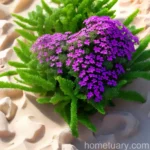
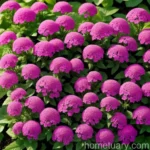
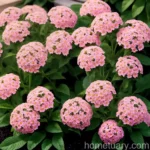
Verbena ‘Superbena Coral Red’ is a cultivar of the verbena genus, known for its prolific and long-lasting clusters of small, vibrant flowers. This particular variety is valued for its striking coral-red blossoms that add a pop of color to outdoor spaces. The plant features a trailing growth habit, making it an excellent choice for hanging baskets, container gardens, or as a ground cover in garden beds.
Key Takeaways
Before we dive into the details of growing and caring for Verbena ‘Superbena Coral Red’, let’s summarize some of the key takeaways about this plant:
- Flower Color: Coral red
- Plant Type: Perennial
- Growth Habit: Trailing
- Uses: Landscaping, container gardening, ground cover
- Sunlight: Full sun
- Water Requirements: Moderate
- Soil Type: Well-draining, fertile soil
- Pruning Needs: Occasional deadheading for continuous bloom
- Propagation: Stem cuttings
- Common Pests: Aphids, whiteflies
- Common Diseases: Powdery mildew, botrytis blight
Now, let’s delve into the details of each of these aspects to understand how to best care for and grow Verbena ‘Superbena Coral Red’.
Culture
Uses
The uses of Verbena ‘Superbena Coral Red’ are varied, making it a versatile plant for different landscaping and gardening purposes. Here are some common uses of this vibrant verbena variety:
- Landscaping: The cascading habit and bright flowers of ‘Superbena Coral Red’ make it an excellent choice for landscaping. It can be used to create colorful borders, cover slopes, or fill in spaces in flower beds.
- Container Gardening: This verbena is well-suited for container gardening, whether in hanging baskets, window boxes, or mixed planters. Its trailing nature adds an attractive element to any container display.
- Ground Cover: With its spreading growth habit, ‘Superbena Coral Red’ can be used as a ground cover to create a carpet of color in garden beds or landscapes.
Water
Verbena ‘Superbena Coral Red’ requires regular watering to keep the soil consistently moist but not waterlogged. It is important to water the plant at the base to avoid wetting the foliage, which can make it more susceptible to diseases. During periods of hot, dry weather, it may be necessary to water more frequently to prevent the soil from drying out completely.
Sunlight
For optimal growth and prolific flowering, ‘Superbena Coral Red’ requires full sunlight. It thrives in bright, sunny locations and may not perform as well in shaded areas. When grown in containers, ensure that the plant receives at least 6-8 hours of direct sunlight daily.
Fertilizer
To support healthy growth and abundant blooms, it is beneficial to fertilize Verbena ‘Superbena Coral Red’ regularly. A balanced, water-soluble fertilizer can be applied every 2-4 weeks during the growing season. Be sure to follow the manufacturer’s instructions regarding the application rates to avoid overfertilization.
Soil
Well-draining, fertile soil is essential for the successful cultivation of ‘Superbena Coral Red’. The plant prefers soil with a slightly acidic to neutral pH and good drainage to prevent waterlogging. Amending the soil with organic matter such as compost or well-rotted manure can help improve its structure and fertility.
Pruning
Pruning is an important aspect of maintaining the health and appearance of Verbena ‘Superbena Coral Red’. Regular deadheading, which involves removing spent flowers, can promote continuous blooming and prevent the plant from investing energy into seed production. Additionally, trimming back any leggy or overgrown stems can help maintain a more compact and tidy growth habit.
Propagation
Propagation of Verbena ‘Superbena Coral Red’ can be achieved through stem cuttings. Here’s a basic outline of the propagation process:
- Select a healthy, non-flowering stem from the parent plant.
- Using a clean, sharp pair of scissors or pruning shears, take a 4-6 inch cutting from the tip of the stem.
- Remove the lower leaves from the cutting, leaving at least 2 sets of leaves at the top.
- Dip the cut end of the stem in a rooting hormone to encourage root development.
- Plant the cutting in a well-draining rooting medium, such as a mixture of perlite and peat moss.
- Keep the medium consistently moist and provide the cutting with bright, indirect light.
- Once roots have developed, the new plants can be transplanted into individual pots or directly into the garden.
Container Popularity
With its trailing growth habit and vibrant flowers, Verbena ‘Superbena Coral Red’ is a popular choice for container gardening. It adds a splash of color to hanging baskets, window boxes, and mixed planters, creating a visually appealing display. The plant’s ability to spill over the edges of containers adds a cascading effect, enhancing the overall aesthetic of the arrangement.
Container Common Diseases
When grown in containers, ‘Superbena Coral Red’ may be susceptible to certain diseases that can impact its health and appearance. Common container diseases that may affect this plant include:
- Root rot: Overwatering or poor drainage in container gardens can lead to root rot, causing the plant to wilt and decline.
- Powdery mildew: This fungal disease can develop in humid conditions, appearing as a white powdery coating on the foliage.
Proper watering practices, well-draining soil, and adequate air circulation can help prevent these diseases in container-grown ‘Superbena Coral Red’.
Disease Diagnosis
Diagnosing diseases in plants is an essential skill for gardeners and horticulturists. When observing potential signs of disease in Verbena ‘Superbena Coral Red’, consider the following diagnostic steps:
- Symptom Identification: Take note of any unusual symptoms such as wilting, yellowing, or spotted leaves, stunted growth, or abnormal spots on the foliage or flowers.
- Environmental Assessment: Evaluate the growing conditions, including sunlight, water, and soil quality, to identify any potential stress factors that may have weakened the plant.
- Pest Inspection: Check for the presence of common pests such as aphids, whiteflies, or spider mites, as their feeding can weaken the plant and make it more susceptible to diseases.
- Fungal Examination: Look for signs of fungal infections, such as powdery mildew or botrytis blight, which can manifest as characteristic powdery growth or gray mold on the plant.
By systematically assessing the plant and its growing environment, it becomes easier to diagnose and address any disease issues effectively.
Common Pests
Several common pests can potentially affect Verbena ‘Superbena Coral Red’ and compromise its health and appearance. Keeping an eye out for these pests and taking prompt action can help protect the plant from infestations. Some common pests include:
- Aphids: These small, sap-sucking insects can cluster on the stems and undersides of leaves, leading to distorted growth and the transmission of viral diseases.
- Whiteflies: Whiteflies can be identified by their small size, white color, and habit of flying up in a cloud when the plant is disturbed. They feed on the underside of leaves and excrete honeydew, attracting sooty mold.
- Spider Mites: These tiny arachnids can cause stippling and webbing on the foliage, leading to reduced plant vigor and yellowing leaves.
Regular monitoring, physical removal, or the use of horticultural oils or insecticidal soaps can help manage these pests without resorting to chemical controls.
Botanist’s Tips
As a plant scientist, I would like to offer some additional tips for successfully growing and caring for Verbena ‘Superbena Coral Red’:
- Deadheading for Continued Blooms: Regular deadheading can encourage continuous flowering throughout the growing season. Focus on removing spent blooms to stimulate the production of new flowers.
- Avoid Overwatering: While ‘Superbena Coral Red’ requires regular watering, it is important to avoid overwatering, particularly in container gardens. Ensure that the soil has good drainage to prevent waterlogged conditions.
- Monitor for Pests: Keep a close watch for common pests that may affect the plant, especially during periods of warm, dry weather when pest populations can rapidly increase.
- Provide Support for Container Plants: In larger containers or hanging baskets, consider providing support for ‘Superbena Coral Red’ to prevent the trailing stems from becoming tangled or damaged.
Fun Facts
- The genus name “Verbena” is derived from the Latin word “verbenae,” which refers to sacred branches or sprigs used in religious rituals.
- Some verbena species are known for their historical medicinal uses, such as the common vervain (Verbena officinalis), which has been used in traditional herbal medicine.
- Besides its ornamental value, verbena plants are also known for their attractiveness to pollinators such as butterflies and bees, making them a valuable addition to pollinator-friendly gardens.
Links to External Resources
For further information on Verbena ‘Superbena Coral Red’ and related topics, the following external resources may be helpful:
- Plant Profile: Verbena ‘Superbena Coral Red’ – Proven Winners
- Growing Verbena: A Complete Guide to Planting, Growing, and Caring for Verbena Plants – The Old Farmer’s Almanac
- Pollinator-Friendly Plants – National Wildlife Federation
In conclusion, Verbena ‘Superbena Coral Red’ is a delightful and visually striking plant that can elevate the beauty of any garden or landscape setting. With proper cultural practices, regular maintenance, and attention to potential pests and diseases, this verbena variety can thrive and provide a continuous display of coral-red blossoms. Whether grown in containers, used as a ground cover, or incorporated into mixed plantings, ‘Superbena Coral Red’ adds a vibrant and eye-catching element to outdoor spaces, while also attracting beneficial pollinators. I hope this comprehensive guide serves as a valuable resource for gardeners, horticulturists, and plant enthusiasts seeking to grow and enjoy the beauty of Verbena ‘Superbena Coral Red’.