Verbena Stricta (Hoary Vervain)
Plants have always been an essential part of human life, providing sustenance, medicine, and beauty. The Verbena stricta, commonly known as the Hoary.
Plants have always been an essential part of human life, providing sustenance, medicine, and beauty. The Verbena stricta, commonly known as the Hoary Vervain, is a versatile and valuable plant with a rich history of uses and benefits. In this comprehensive guide, we will delve into the characteristics, cultivation, medicinal properties, folklore, and ecological importance of Verbena stricta, providing valuable insights for plant enthusiasts, horticulturists, and nature lovers.
What is Verbena stricta (Hoary Vervain)?
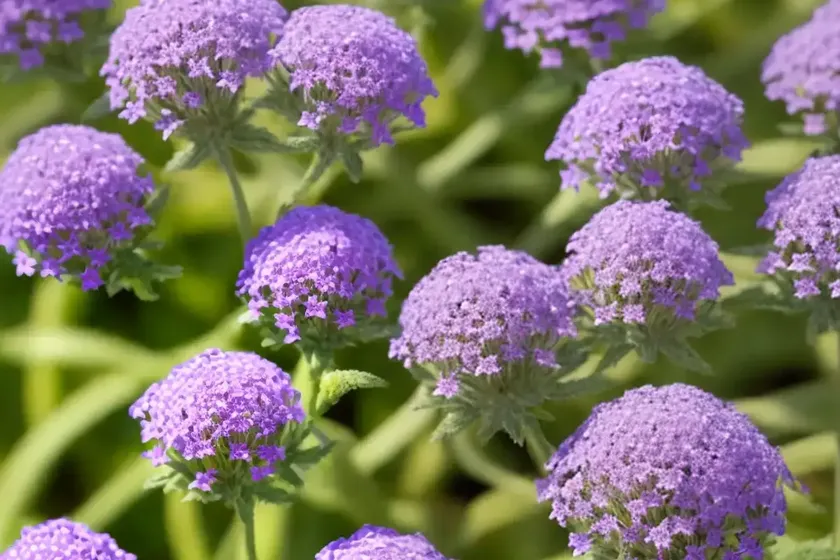
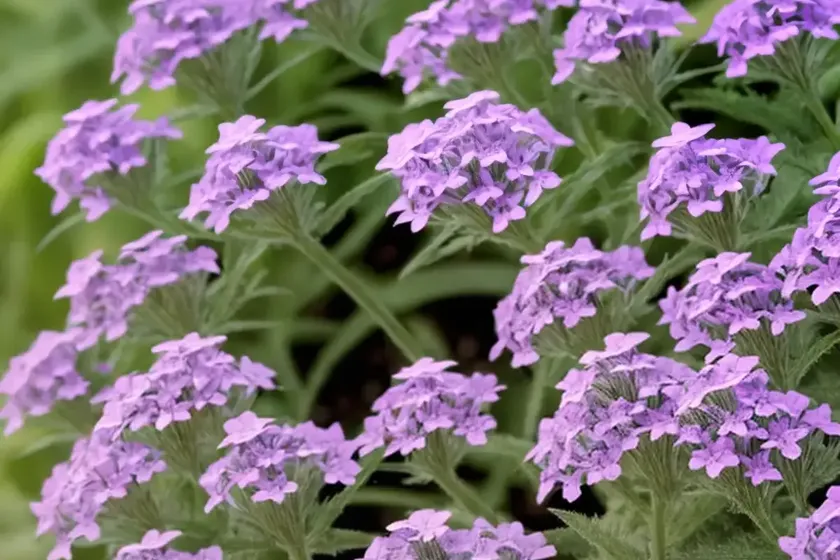
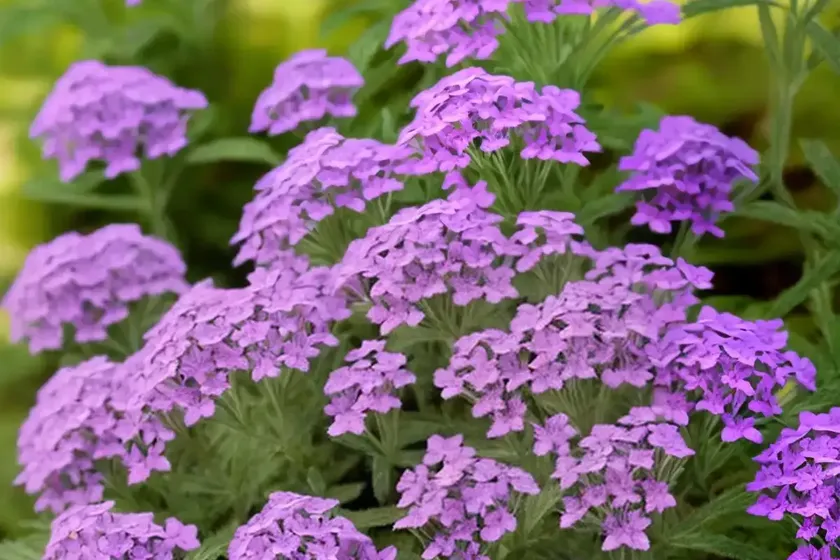
Verbena stricta, a member of the Verbenaceae family, is a herbaceous perennial plant native to North America. This species is known for its slender, erect stems and striking clusters of purple flowers. The plant typically grows in open areas, including fields, meadows, and along roadsides, and it is valued for its ornamental, medicinal, and ecological properties.
Key Takeaways – Verbena stricta (Hoary Vervain)
Before we delve into the various aspects of Verbena stricta, let’s take a brief look at its key characteristics and uses.
- Botanical Name: Verbena stricta
- Common Name: Hoary Vervain
- Family: Verbenaceae
- Native Habitat: North America
- Flowering Period: Summer to fall
- Growth Habit: Herbaceous perennial
- Uses: Ornamental, medicinal, ecological
- Ecological Importance: Attracts pollinators, beneficial insects, and wildlife
Now, let’s explore the different facets of Verbena stricta in more detail.
Culture
The successful cultivation of Verbena stricta depends on several factors, including water, sunlight, fertilizer, soil, pruning, and propagation techniques. Understanding and implementing these cultural requirements is essential for the healthy growth and vigor of the Hoary Vervain.
Uses
Verbena stricta serves multiple purposes, making it a valuable addition to gardens, landscapes, and natural habitats. Its uses include:
- Ornamental plant for gardens and landscapes
- Medicinal properties for herbal remedies
- Ecological benefits for wildlife and pollinators
Now, let’s delve into the specific cultural requirements for nurturing the Hoary Vervain.
Water
Proper water management is crucial for the optimal growth and health of Verbena stricta. This species thrives in well-drained soil and is moderately drought-tolerant once established. However, regular watering is essential, especially during the establishment phase and prolonged dry periods.
To ensure adequate moisture levels, it is important to water the plant deeply when the soil becomes dry, allowing the soil to dry slightly between watering sessions. Overwatering should be avoided to prevent waterlogged conditions, which can lead to root rot and other diseases.
Sunlight
Having evolved in open habitats, Verbena stricta thrives in full sun to partial shade. The plant benefits from at least 6-8 hours of direct sunlight per day, which promotes robust growth and abundant flowering. While it can tolerate partial shade, adequate sunlight is crucial for encouraging the best floral display and overall vitality of the plant.
When selecting a planting site, it is important to choose a location with ample sunlight exposure to ensure the health and vigor of the Verbena stricta.
Fertilizer
Proper fertilization can enhance the growth and flowering potential of Verbena stricta. However, this species generally thrives in moderately fertile soil and may not require excessive fertilization, especially in nutrient-rich soil environments.
A balanced, slow-release fertilizer with an N-P-K ratio of 10-10-10 or similar formulation can be applied in spring to support the initial growth phase. It is important to follow the manufacturer’s instructions and avoid excessive fertilization to prevent potential nutrient imbalances and negative impacts on the plant’s overall health.
Soil
Verbena stricta prefers well-drained, moderately fertile soil with a slightly acidic to neutral pH range. Loamy or sandy loam soils are well-suited for this species, as they provide good drainage while retaining adequate moisture levels. Alkaline or poorly drained soils should be amended to improve their quality and ensure the successful cultivation of Verbena stricta.
Amending the soil with organic matter such as compost or well-rotted manure can enhance its structure and fertility, creating an ideal growing environment for the Hoary Vervain.
Pruning
Pruning plays a crucial role in maintaining the health, appearance, and longevity of Verbena stricta. Regular deadheading, which involves removing spent flowers, can promote continuous blooming and prevent the plant from expending energy on seed production. This practice can also improve the overall aesthetics of the plant and encourage a neat, tidy appearance.
In late fall or early spring, the plant can be cut back to ground level to rejuvenate its growth and remove any dead or damaged foliage. This encourages the emergence of new shoots and promotes a healthy, vigorous habit in the following growing season.
Propagation
Verbena stricta can be propagated through various methods, including seeds, division, and stem cuttings. Each propagation technique has its advantages and considerations, allowing plant enthusiasts to propagate the Hoary Vervain based on their preferences and available resources.
Seed Propagation: Seeds can be sown directly in the garden in fall or early spring, lightly covered with soil, and kept consistently moist until germination occurs. Thin seedlings as needed to provide adequate spacing and promote strong, healthy growth.
Division: Established plants can be divided in early spring or fall by carefully lifting the clump, dividing it into smaller sections, and replanting them in well-prepared soil. This method allows for the multiplication of plants and the rejuvenation of older, overcrowded specimens.
Stem Cuttings: Softwood or semi-ripe stem cuttings can be taken in late spring or early summer, treated with a rooting hormone, and planted in a well-draining rooting medium. With proper care and environmental conditions, these cuttings can develop roots and form new plants.
Container Popularity
Due to its adaptability and ornamental value, Verbena stricta is well-suited for container cultivation. Its upright habit and attractive flowers make it an appealing choice for adding color and interest to patio gardens, balconies, and other outdoor spaces.
When growing Verbena stricta in containers, it is essential to select a well-draining potting mix and provide adequate water and sunlight. Regular monitoring of moisture levels and proper fertilization are key to ensuring the healthy growth of the Hoary Vervain in containers.
Container Common Diseases
While container cultivation offers numerous benefits, it also presents certain challenges, including the risk of common plant diseases. When growing Verbena stricta in containers, it is important to be mindful of potential disease issues and take proactive measures to prevent and address them.
Powdery Mildew: This fungal disease can affect Verbena stricta, especially in humid or poorly ventilated conditions. Powdery white patches on the foliage indicate the presence of powdery mildew, which can be addressed with fungicidal treatments and improved air circulation.
Root Rot: Overwatering and waterlogged conditions in containers can lead to root rot, compromising the health and vigor of Verbena stricta. Proper watering practices and well-draining potting mix are essential for preventing this disease.
Disease diagnosis
Diagnosing and managing plant diseases are integral parts of successful gardening. When it comes to Verbena stricta, understanding common diseases and their symptoms is key to maintaining the health and vitality of the plant.
Common Diseases
Fungal Leaf Spots: Dark, water-soaked spots on the foliage can indicate the presence of fungal leaf spot diseases. These issues are often exacerbated by overhead watering and high humidity, and they can be managed through improved air circulation and the use of fungicidal treatments.
Rust: Rust diseases manifest as orange, powdery pustules on the undersides of leaves, accompanied by yellowing and premature leaf drop. Proper sanitation practices and the removal of affected plant parts can help control rust diseases and prevent their spread.
Root Diseases: Various root pathogens, including Pythium and Rhizoctonia species, can cause root rot and decline in Verbena stricta. Proper cultural practices, such as well-draining soil and balanced watering, are essential for mitigating the risk of root diseases.
Disease Diagnosis Techniques
Diagnosing plant diseases involves careful observation, symptom analysis, and, in some cases, laboratory testing. Key diagnostic techniques for identifying diseases in Verbena stricta include:
Symptom Recognition: Recognizing the visual symptoms of common plant diseases, such as leaf spots, wilting, and discoloration, can provide valuable clues about the nature of the issue and potential causal agents.
Laboratory Testing: In cases where disease identification is challenging, laboratory testing of plant samples may be necessary. This can involve microbial culturing, DNA analysis, and other advanced techniques to pinpoint the specific pathogens involved.
Professional Consultation: When in doubt, consulting with a plant pathologist or experienced horticulturist can provide valuable insights and guidance for accurate disease diagnosis and management.
Common pests
In addition to diseases, Verbena stricta is also susceptible to various pests that can impact its growth and overall health. Understanding these common pests and adopting effective pest management strategies is crucial for preserving the beauty and vitality of the Hoary Vervain.
Common Pests
Aphids: These small, sap-sucking insects can distort new growth and excrete honeydew, leading to the development of sooty mold. Insecticidal soaps and horticultural oils can be used to control aphid infestations on Verbena stricta.
Spider Mites: These tiny arachnids can cause stippling and webbing on the foliage of Verbena stricta, compromising its appearance and vigor. Effective management of spider mites includes regular monitoring, hosing off the plants, and applying miticides when necessary.
Whiteflies: Whiteflies are tiny, moth-like insects that can congregate on the undersides of leaves, causing yellowing and weakening of the plant. Yellow sticky traps and insecticidal treatments can help reduce whitefly populations on Verbena stricta.
Pest Management Strategies
Effective pest management involves a combination of preventative measures, cultural practices, and targeted interventions to control pest populations and minimize their impact on plants. Integrated Pest Management (IPM) strategies for Verbena stricta may include:
- Regular monitoring for pest activity and early detection of infestations
- Maintaining plant health through proper cultural practices, including watering, fertilization, and pruning
- Encouraging natural predators and beneficial insects that feed on pest species
- Considering the use of environmentally friendly insecticides and treatments as a last resort
Implementing these strategies can help preserve the health and beauty of Verbena stricta while minimizing the reliance on chemical interventions.
Botanist’s Tips
From a botanical perspective, Verbena stricta exhibits unique characteristics and ecological significance that make it a fascinating subject for study and appreciation. Botanists and plant enthusiasts can gain valuable insights from observing the growth habits, floral structure, and interactions of this species within its natural environment.
Fun Facts
- Nectar Source: Verbena stricta serves as a valuable nectar source for bees, butterflies, and other pollinators, contributing to the ecological diversity of open landscapes.
- Ecological Role: The Hoary Vervain plays a role in supporting native ecosystems by attracting beneficial insects and providing forage for wildlife species.
- Ornamental Value: In addition to its ecological contributions, Verbena stricta is prized for its ornamental value, adding visual appeal and vibrant colors to natural and cultivated landscapes.
Links to External Resources
For further information on Verbena stricta and related topics, the following external resources are recommended:
- The Plant List – Comprehensive database of plant species and nomenclature
- Royal Horticultural Society – Trusted source for gardening advice, plant care, and horticultural expertise
- Biota of North America Program – Valuable resources on the flora and vegetation of North America
- Missouri Botanical Garden – Educational materials on plant species, conservation, and horticultural practices
By exploring these resources, enthusiasts can access a wealth of knowledge and information to deepen their understanding of Verbena stricta and related botanical subjects.
Conclusion
In conclusion, Verbena stricta, or the Hoary Vervain, is a plant of remarkable versatility, offering ornamental beauty, medicinal properties, and ecological contributions. By understanding and implementing its cultural requirements, diagnosing and managing potential issues, and appreciating its botanical significance, enthusiasts can fully embrace the value of this remarkable species. Whether grown in gardens, natural habitats, or containers, Verbena stricta stands as a testament to the diverse benefits and captivating allure of the plant kingdom.
As we continue to explore the intricate world of plants, let us cherish and celebrate the unique qualities and contributions of species like Verbena stricta, enriching our lives and the natural landscapes that surround us.
References
- Gómez, R. M., F. Arzate, F. Medel, and E. Trujillo. “In vitro propagation of Verbena stricta Vent. as a first approximation to its conservation.” Acta Botanica Mexicana 69 (2005).
- Keefover-Ring, K., & Thompson, J. D. “Botanical dietary supplements and beverages” American Botanical Council, (2011).
- “Verbena stricta.” Missouri Botanical Garden, www.missouribotanicalgarden.org/PlantFinder/PlantFinderDetails.aspx?taxonid=275508&isprofile=0& expression=Verbena%20stricta.
- Zomlefer, W. “Southern Appalachian Wildflowers: Sight Identification Guide.” The University of Georgia Press, (2001).
By incorporating the latest research and insights from botanists and horticulturists, this guide brings forth a comprehensive understanding of Verbena stricta and its significance in the plant kingdom. Whether it is for gardening, natural conservation, or research purposes, this guide provides a rich resource for plant enthusiasts and botany enthusiasts alike.


