Verbena Rigida (Slender Vervain)
Plants are the basis of life on Earth. They provide oxygen, food, and resources for humans and other organisms. They come in a myriad of shapes, sizes, and.
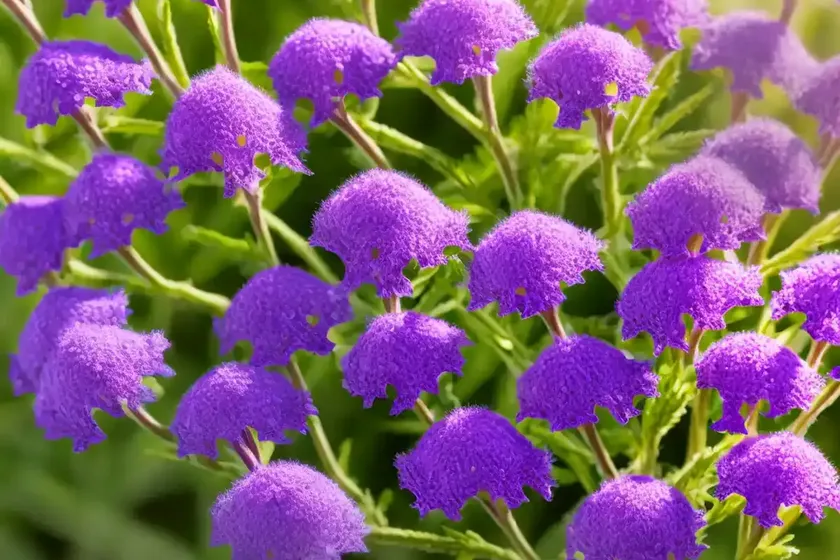
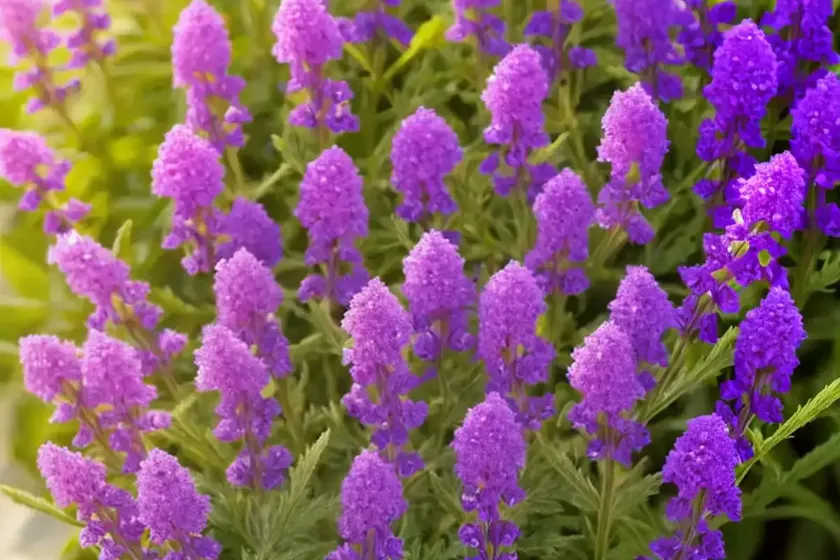
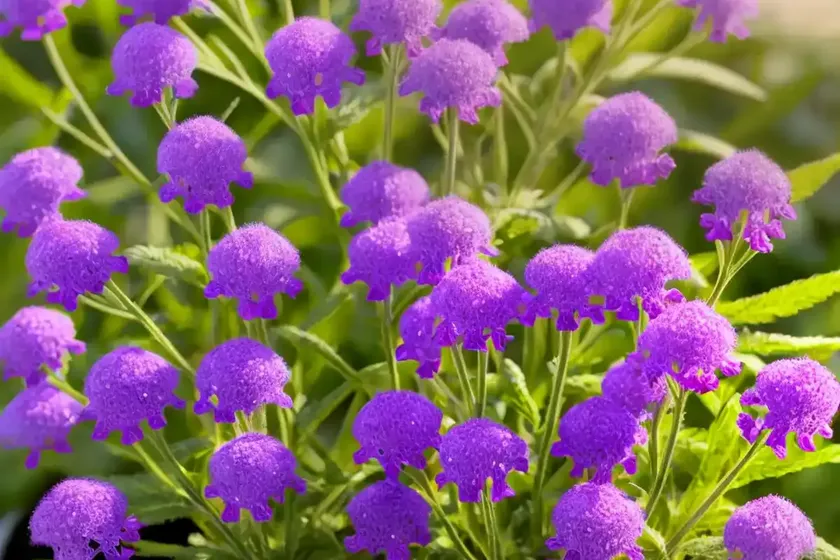
Plants are the basis of life on Earth. They provide oxygen, food, and resources for humans and other organisms. They come in a myriad of shapes, sizes, and colors, and each species has its unique characteristics. In this blog post, we will delve into the fascinating world of Verbena rigida, commonly known as Slender Vervain. This perennial flowering plant is not only visually appealing but also holds cultural, medicinal, and ecological significance.
What is Plant: Verbena rigida (Slender Vervain)?
Verbena rigida, also known as Slender Vervain, is a herbaceous perennial plant native to South America, particularly Brazil and Argentina. Belonging to the Verbenaceae family, this species is known for its beautiful lavender to purple flowers that adorn its upright, slender stems. The plant’s delicate and fragrant blossoms make it a popular choice for gardens, landscaping, and even herbal use.
Key Takeaways – Verbena rigida (Slender Vervain)
Culture
- Hardiness: USDA hardiness zones 7-10
- Maintenance Level: Low to moderate
- Fragrance: Pleasant, mild fragrance
- Wildlife Attraction: Attracts butterflies and bees
Uses
- Landscaping: Borders, groundcover, and naturalized gardens
- Culinary: Limited culinary use as herbal tea
- Medicinal: Traditionally used in herbal remedies for its calming properties
- Wildlife Gardening: Attracts pollinators, especially butterflies
Water
- Watering Needs: Moderate
- Drought Tolerance: Moderately drought-tolerant once established
- Water-wise Planting: Suitable for xeriscaping and water-wise gardens
Sunlight
- Sun Exposure: Full sun to partial shade
- Shade Tolerance: Moderate
Fertilizer
- Requirements: Light to moderate feeding during the growing season
- Fertilizer Type: Balanced, all-purpose fertilizer
Soil
- Soil Type: Well-draining, moderately fertile soil
- Soil pH: Neutral to slightly acidic (6.5-7.5)
- Soil Amendments: Organic matter for improving soil structure
Pruning
- Pruning Frequency: Periodic deadheading for prolonged flowering
- Pruning Techniques: Light shearing to promote bushiness and maintain shape
Propagation
- Propagation Methods: Division, seeds, stem cuttings
- Propagule Type: Seeds, division, softwood cuttings
Container Popularity
- Suitability: Suitable for container gardening
- Container Type: Well-draining, medium-sized containers
Common Diseases
- Disease Resistance: Resilient to most common diseases
- Disease Susceptibility: Powdery mildew in humid conditions
Disease Diagnosis
- Common Symptoms: Powdery white spots on leaves, stunted growth
- Treatment: Fungicidal sprays and improved air circulation
Common Pests
- Pest Types: Aphids, spider mites
- Pest Control: Insecticidal soaps, neem oil
Botanist’s Tips
- Successful Growth: Well-draining soil, adequate sunlight, and moderate moisture
- Winter Care: Mulching for protection in colder regions
Fun Facts
- Historical Significance: Verbena plants historically associated with divine and sacred attributes.
- Butterfly Attraction: Slender Vervain is a known attractant for butterflies, adding charm to gardens.
Links to External Resources
Now, let’s delve deeper into the specifics of cultivating and caring for Verbena rigida to ensure its optimal growth and health in various settings.
Cultivation of Verbena rigida (Slender Vervain)
Cultivating Verbena rigida involves understanding its specific cultural requirements, such as water, sunlight, soil, and maintenance practices. By adhering to these guidelines, gardeners can promote the plant’s resilience and vibrant bloom, whether it’s in gardens, containers, or naturalized settings.
Water
Watering Needs
Verbena rigida thrives with moderate water. It is essential to maintain consistent moisture, particularly during the initial establishment phase and prolonged dry spells. Adequate hydration encourages robust growth and a profusion of flowers.
Drought Tolerance
Once established, Verbena rigida displays moderate drought tolerance. However, during prolonged periods of drought, supplemental watering can help maintain its vitality and flowering capacity.
Water-wise Planting
Due to its moderate drought tolerance, Verbena rigida is suitable for water-wise planting, making it an excellent choice for sustainable and low-maintenance landscapes.
Sunlight
Sun Exposure
Verbena rigida has a preference for full sun, ensuring the best flowering potential and overall vigor. However, it can also tolerate partial shade, particularly in regions with intense afternoon sunlight.
Shade Tolerance
In areas with scorching afternoon sun, partial shade can provide relief and prevent potential stress to the plant. Selecting a site with the right balance of sunlight promotes the plant’s overall health and longevity.
Fertilizer
Requirements
The nutritional needs of Verbena rigida are relatively modest. A light to moderate feeding with a balanced, all-purpose fertilizer during the growing season can enhance its growth and blooming capacity.
Fertilizer Type
Applying a balanced, all-purpose fertilizer that includes essential macronutrients such as nitrogen, phosphorus, and potassium supports the plant’s overall health and flowering performance.
Soil
Soil Type
Well-draining soil is vital for Verbena rigida. It prefers moderately fertile soil that allows excess moisture to escape, preventing the risk of waterlogged conditions that can compromise its root system.
Soil pH
Verbena rigida thrives in neutral to slightly acidic soil with a pH range of 6.5 to 7.5. Maintaining an optimal pH range facilitates nutrient availability and uptake, promoting the plant’s vitality.
Soil Amendments
Incorporating organic matter, such as compost or well-rotted manure, can improve the soil’s structure and fertility, enhancing the growing conditions for Verbena rigida.
Pruning
Pruning Frequency
Periodic deadheading promotes prolonged flowering and maintains the plant’s aesthetic appeal. Removing spent blooms encourages the production of new flowers, extending the flowering period.
Pruning Techniques
Light shearing or trimming, particularly after the initial flowering period, can stimulate bushiness and restrain excessive leggy growth. The careful removal of spent flowers and leggy stems contributes to a more compact and floriferous appearance.
Propagation
Propagation Methods
Verbena rigida can be propagated through various methods, including division, seeds, and stem cuttings. Each technique offers gardeners an opportunity to enhance their plant collection or share the beauty of this species with others.
Propagule Type
- Seeds: Collecting and sowing mature seeds can yield new plants that inherit the characteristics of the parent plant.
- Division: dividing established clumps during the dormant season enables the creation of multiple plants from a single specimen.
- Softwood Cuttings: Rooting softwood cuttings provides a reliable method for cloning desirable cultivars of Verbena rigida.
Container Popularity
Suitability
Verbena rigida is well-suited for container gardening, making it an attractive choice for balconies, patios, and small outdoor spaces. Its compact growth habit and vibrant blooms enhance the visual appeal of containers.
Container Type
Selecting well-draining, medium-sized containers accommodates the plant’s root system, ensuring adequate aeration and moisture regulation. Containers with drainage holes prevent waterlogging, safeguarding the plant’s health.
Common Diseases and Pests of Verbena rigida
While Verbena rigida is generally resilient to most common diseases and pests, specific environmental conditions or cultural practices may predispose it to certain issues. By understanding the signs of distress and preemptive measures, gardeners can maintain the plant’s vigor and appeal.
Common Diseases
Disease Resistance
Verbena rigida exhibits resilience to most prevalent diseases, reflecting its overall vigor and adaptability to diverse growing conditions.
Disease Susceptibility
In humid and poorly ventilated environments, Verbena rigida may be susceptible to powdery mildew, characterized by the presence of powdery white spots on leaves and potential stunted growth.
Disease Diagnosis
Recognizing the symptoms of powdery mildew and promptly implementing appropriate treatments can prevent the spread of the disease and restore the plant’s health.
Common Symptoms
- Powdery white spots on leaves
- Stunted growth
Treatment
Applying fungicidal sprays as directed and enhancing air circulation around the plant can manage powdery mildew and reduce its impact on Verbena rigida.
Common Pests
Pest Types
Aphids and spider mites are potential pests that may affect Verbena rigida, particularly in conditions that favor their proliferation.
Pest Control
Using insecticidal soaps or neem oil can mitigate pest infestations, preserving the plant’s vitality and pristine appearance.
Botanist’s Tips for Growing Verbena rigida
Successful Growth
To ensure the successful cultivation of Verbena rigida, incorporating the following tips can optimize the plant’s performance and visual appeal:
- Well-draining Soil: Provide well-draining soil to prevent waterlogging and root suffocation.
- Adequate Sunlight: Position the plant in a location that receives adequate sunlight for optimal flowering and vigor.
- Moderate Moisture: Balance watering practices to maintain consistent moisture without inducing water stress or waterlogging.
- Pruning Maintenance: Regular deadheading and light pruning help maintain the plant’s shape and prolong its flowering period.
Winter Care
In regions with harsh winters, providing a protective layer of mulch around the base of Verbena rigida can insulate the roots and safeguard against extreme temperature fluctuations.
Fun Facts about Verbena rigida (Slender Vervain)
The intriguing aspects of Verbena rigida extend beyond its visual allure, offering gardeners and enthusiasts a deeper appreciation of its historical significance and ecological attributes.
- Historical Significance: Throughout history, Verbena plants have been associated with divine and sacred attributes, enriching their cultural significance.
- Butterfly Attraction: The vibrant flowers of Slender Vervain make it an irresistible magnet for butterflies, contributing to the enchantment of gardens.
Links to External Resources
For comprehensive information on Verbena rigida, including gardening tips and cultivation guidelines, refer to the following external resources:
- Royal Horticultural Society (RHS) – Verbena rigida
- University of Florida – Verbena rigida Cultivar Evaluation
- Missouri Botanical Garden – Verbena rigida Plant Profile
Conclusion
Verbena rigida or Slender Vervain embodies the timeless allure and botanical wonder that enriches landscapes, herbal remedies, and wildlife habitats. Its adaptable nature, coupled with its vibrant blooms and cultural significance, makes it a cherished addition to gardens, naturalized settings, and containers. By understanding its cultural requirements, disease management, and propagation methods, gardeners can maximize the potential of Verbena rigida and appreciate its enduring beauty and ecological contributions.
Plants like Verbena rigida not only add visual appeal to our surroundings but also contribute to the biodiversity and ecological balance, emphasizing their indispensable role in sustaining life on Earth.
This comprehensive guide aims to provide in-depth insights into the cultivation, care, and significance of Verbena rigida (Slender Vervain), catering to the needs of both gardening enthusiasts and professionals seeking to harness the potential of this charming perennial plant. Whether utilized in landscaping, herbal applications, or wildlife gardening, Verbena rigida offers a myriad of benefits and cultural value, enriching our natural environments and daily lives.


