Verbascum Phoeniceum ‘Temptress Purple’ (Purple Mullein)
Verbascum phoeniceum ‘Temptress Purple’, commonly known as Purple Mullein, is an exquisite perennial plant that belongs to the Scrophulariaceae family..
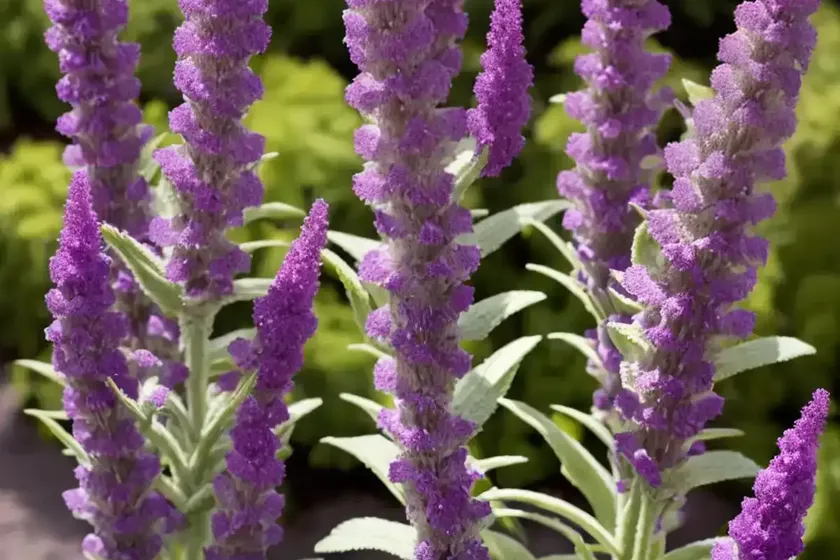
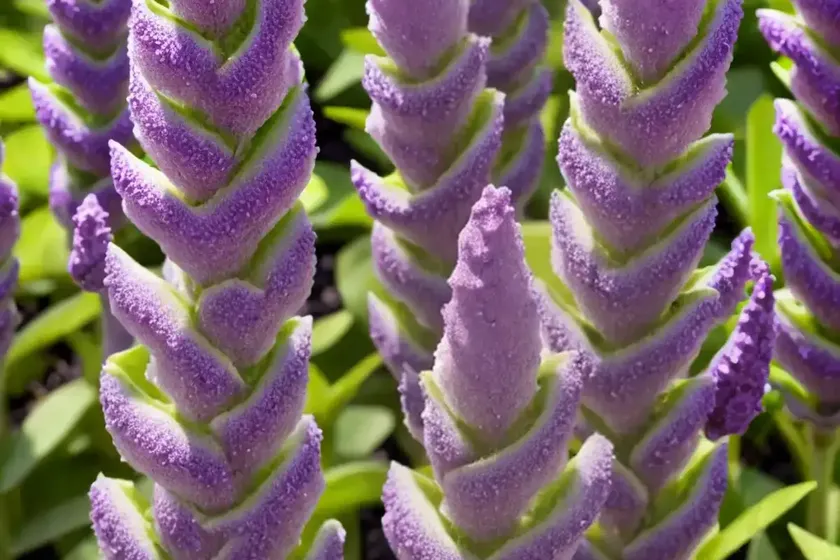
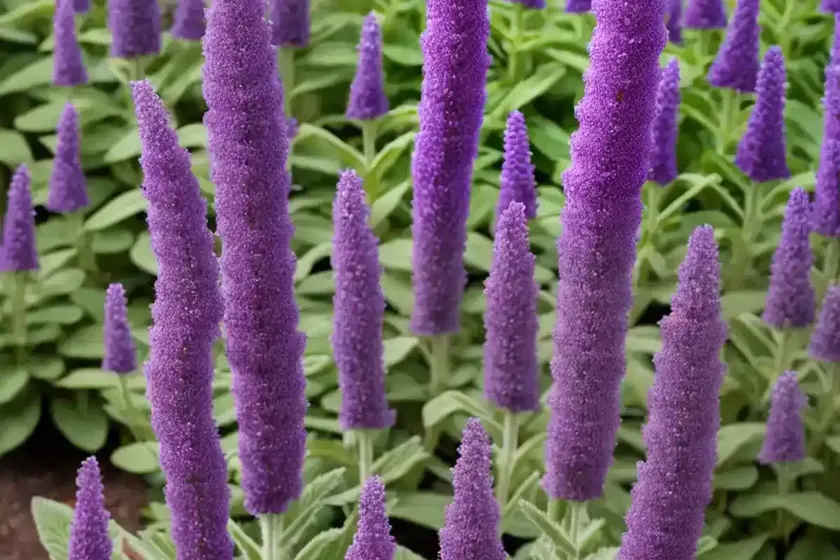
Verbascum phoeniceum ‘Temptress Purple’, commonly known as Purple Mullein, is an exquisite perennial plant that belongs to the Scrophulariaceae family. With its stout stems and vibrant purple flowering spikes, this plant is a real showstopper in any garden or landscape. In this comprehensive guide, we will delve into the captivating world of Purple Mullein, exploring its characteristics, growing requirements, uses, and much more.
What is Verbascum phoeniceum ‘Temptress Purple’ (Purple Mullein)?
Native to Europe and Western Asia, Verbascum phoeniceum ‘Temptress Purple’ is a herbaceous perennial known for its stunning, densely packed spikes of vibrant purple flowers. This plant can reach heights of 2 to 3 feet and produces a rosette of attractive, low-lying foliage. The Purple Mullein is a favorite among gardeners, admired for its striking appearance and ease of cultivation.
Key Takeaways – Verbascum phoeniceum ‘Temptress Purple’ (Purple Mullein)
- Characteristics: Vibrant purple flowers, stout stems, low-lying foliage
- Plant Facts: Herbaceous perennial, native to Europe and Western Asia
- Growing Requirements: Well-drained soil, full sunlight, moderate watering
- Benefits: Ornamental garden plant, pollinator attractor
- Care Tips: Regular watering, deadheading, soil maintenance
- Planting Guide: Spring or fall planting, spacing of 18-24 inches
- Varieties: Various cultivars with different flower colors
- Propagation: Seeds or division in early spring or fall
- Disease Resistance: Susceptible to rust and powdery mildew
- Uses: Ornamental gardens, borders, pollinator gardens
- Soil Requirements: Well-drained, moderately fertile soil
- Watering Needs: Regular watering, moderately drought-tolerant
- Pruning Techniques: Deadheading, removal of spent flower spikes
- Pests and Diseases: Aphids, snails, rust, powdery mildew
- Bloom Time: Late spring to early summer
- Sun Exposure: Full sunlight
- Winter Care: Mulching for winter protection
- Perennial Plant: Long-lived, returning each year
- Medicinal Properties: Traditional medicinal uses
- Pollinators: Attracts bees, butterflies, and other pollinators
- Fragrance: Mild, natural fragrance
- Hardiness Zones: Suitable for USDA hardiness zones 5-7
- Growth Habits: Upright, clumping growth habit
- Drought Tolerance: Moderate drought tolerance
- Container Gardening: Suitable for containers
- Visual Appeal: Striking presence in gardens
- Landscaping Ideas: Borders, mass plantings, containers
- Native Habitat: Grasslands, meadows, and open woodlands
- Water Conservation: Moderately water-efficient
- Disease Prevention: Proper air circulation, soil drainage
- Eco-friendly Gardening: Pollinator-friendly, low maintenance
Culture
Verbascum phoeniceum ‘Temptress Purple’ Origins and Cultivation
The Purple Mullein, Verbascum phoeniceum ‘Temptress Purple,’ has a rich heritage, hailing from the grasslands and meadows of Europe and Western Asia. Its long history of cultivation and admiration dates back centuries, making it a cherished component of traditional and contemporary gardens alike. The ease of cultivation and the visual impact of its vibrant purple flowers have secured its place as an enduring favorite among gardeners.
Purple Mullein in Contemporary Gardens
In modern gardens, Purple Mullein serves various purposes, adding texture, color, and height to borders, perennial beds, and wildflower plantings. Its tolerance of dry conditions and its ability to attract beneficial pollinators further enhance its desirability in eco-conscious and pollinator-friendly gardening practices. This plant has also gained popularity for its potential medicinal properties and its role in sustainable gardening efforts.
Uses
Ornamental Value of Verbascum phoeniceum ‘Temptress Purple’
The ornamental value of Verbascum phoeniceum ‘Temptress Purple’ cannot be overstated. Its towering flowering spikes, adorned with vibrant purple blooms, make a bold and beautiful statement in any garden setting. When planted in mass or combined with other perennials, it creates a stunning visual display that is sure to captivate the onlooker. Additionally, the flowers of the Purple Mullein serve as a valuable nectar source, attracting pollinators such as bees, butterflies, and hummingbirds.
Landscaping with Purple Mullein
When incorporated into landscaping designs, Purple Mullein offers versatility and visual appeal. Its upright growth habit makes it suitable for background or mid-border plantings, adding height and structure to the landscape. It can also be utilized in cottage gardens, naturalistic plantings, and mixed perennial borders. Furthermore, its compatibility with container gardening broadens its application in urban and small-space settings, allowing enthusiasts to enjoy its beauty even in limited garden space.
Medicinal and Traditional Uses
Throughout history, various species of Verbascum have been utilized for traditional medicinal purposes. While the specific historical applications of Verbascum phoeniceum ‘Temptress Purple’ may not be as well-documented as those of other species, it is part of a genus that has been associated with a range of potential medicinal benefits. These may include uses in herbal teas, poultices, or other preparations, as the plant is known to contain compounds that have been traditionally valued for their potential health-supporting properties.
Water
Watering Needs of Purple Mullein
Young Plants: Newly planted Purple Mullein should be watered consistently, ensuring that the soil remains evenly moist but not waterlogged. During the establishment period, typically the first few weeks after planting, it is crucial to monitor soil moisture to support healthy root development.
Mature Plants: Once established, Purple Mullein demonstrates moderate drought tolerance. While it can withstand dry spells, regular watering during periods of prolonged drought or extreme heat will help maintain its vigor and flowering performance. Aim to water deeply, allowing the soil to dry slightly between watering intervals to prevent waterlogging.
Container-Grown Plants: In container gardening, it is important to monitor the moisture level of the potting mix regularly. Containers can dry out more quickly than garden soil, especially during hot and windy conditions. Ensure consistent watering to maintain optimal growing conditions for Purple Mullein in containers.
Water Conservation with Verbascum phoeniceum ‘Temptress Purple’
As with many perennial plants, Purple Mullein has developed adaptations that enable it to withstand dry conditions and periods of limited water availability. Its moderate drought tolerance makes it an ideal candidate for water-wise landscaping and gardening practices, particularly in regions where water conservation is a priority. When integrated into sustainable garden designs, it contributes to an ecosystem that conserves precious water resources while thriving in harmony with its surroundings.
Sunlight
Sun Exposure Requirements for Purple Mullein
Full Sun: Verbascum phoeniceum ‘Temptress Purple’ thrives in full sunlight, benefiting from at least 6 to 8 hours of direct sunlight per day. When provided with ample sunshine, it exhibits sturdy growth, produces an abundance of flowers, and maintains its overall health and vigor. In areas with hot summers, some afternoon shade may be beneficial to prevent stress and sunburn.
Partial Shade: While Purple Mullein is best suited to full sunlight, it can tolerate light dappled shade, especially in regions with intense summer heat. When grown in partial shade, it may exhibit slightly extended flowering periods and diminished overall stature, though it remains resilient and adaptable.
Shade Considerations: When selecting planting locations, prioritize areas that receive the most sunlight to ensure optimal performance and prolific flowering. Whether in garden beds or containers, establishing Purple Mullein in sun-drenched sites is key to unlocking its potential and maximizing its ornamental impact.
Fertilizer
Nutrient Requirements for Verbascum phoeniceum ‘Temptress Purple’
Soil Fertility: Purple Mullein thrives in moderately fertile soil. While it is not excessively demanding in terms of soil fertility, it benefits from a well-balanced and nutrient-rich growing medium. Incorporating organic matter, such as compost or well-rotted manure, during soil preparation can provide a foundation of essential nutrients to support healthy growth and flowering.
Fertilization Practices: An annual application of a balanced, slow-release fertilizer in early spring can further enhance the performance of Purple Mullein. Select a fertilizer with a formulation such as 10-10-10 or 5-10-5, and apply it according to the manufacturer’s recommendations. Avoid excessive nitrogen, as this can promote lush foliage at the expense of flowering.
Container Plants: In container gardening, regular fertilization is particularly important to ensure that Purple Mullein has access to the nutrients it needs. Utilize a liquid fertilizer formulated for flowering perennials, applying it as directed on the product label to supplement the nutrient supply throughout the growing season.
Soil
Soil Requirements for Purple Mullein
Well-drained Soil: Adequate drainage is essential for the cultivation of Purple Mullein. Ensure that the planting site features soil that drains efficiently, allowing excess water to escape and preventing waterlogged conditions. In heavy or poorly draining soils, consider incorporating organic amendments or raised bed cultivation to improve drainage.
Soil pH: Purple Mullein thrives in slightly acidic to neutral soil conditions, with a preferred pH range of 6.0 to 7.0. Conduct a soil test to determine the pH of the planting area, and make adjustments as needed to create an environment that is ideally suited to the plant’s preferences.
Native Soil Adaptability: Verbascum phoeniceum ‘Temptress Purple’ exhibits adaptability to a range of soil types, including sandy, loamy, and rocky soils. However, it particularly excels in well-drained, moderately fertile soils that provide a nurturing foundation for healthy growth, robust flowering, and overall resilience.
Pruning
Pruning Techniques for Purple Mullein
Deadheading: Regular deadheading of spent flowers is beneficial to promote continuous flowering and prevent the formation of seeds that can decrease the plant’s vigor. As individual flower spikes fade, trim them back to the base of the stem to encourage the development of new flower buds and prolong the floral display.
Maintenance Pruning: Throughout the growing season, periodically remove any damaged, diseased, or unsightly foliage to maintain the plant’s overall appearance and health. Additionally, thin out dense foliage when necessary to improve air circulation and reduce the risk of disease development.
Winter Clean-up: In late fall or early spring, perform a thorough clean-up of the plant, removing any remaining spent flower spikes and tidying up the foliage. This helps reduce overwintering sites for pests and diseases and prepares the plant for a fresh start in the upcoming growing season.
Propagation
Propagating Verbascum phoeniceum ‘Temptress Purple’
Seed Propagation: Purple Mullein can be propagated from seeds, which are typically sown directly in the garden or started indoors in early spring. To sow seeds directly, prepare a seedbed, sow the seeds at the appropriate depth, and keep the soil consistently moist until germination occurs. When starting seeds indoors, provide warmth and ample light to support germination and early growth before transplanting outdoors.
Division: Another method of propagation involves dividing established clumps of Purple Mullein in early spring or fall. Carefully lift the plant, divide the root mass into sections, and replant the divisions in prepared soil, ensuring adequate moisture and ongoing care to support their establishment.
Purple Mullein Varieties
The Verbascum genus offers a wealth of stunning varieties, each with its own unique flower colors and growth habits. While ‘Temptress Purple’ is renowned for its vibrant purple blooms, other cultivars feature hues of yellow, pink, or white, providing a diverse array of options for gardeners and landscape designers. These variations in flower color allow for creative and captivating combinations when incorporated into mixed plantings and perennial borders.
Container Popularity
Purple Mullein in Container Gardening
The striking presence and manageable size of Purple Mullein make it a popular choice for container gardening. When positioned in a prominent location, such as on a patio, deck, or near an entrance, it serves as a focal point, showcasing its impressive flowering spikes and captivating foliage. The versatility of container cultivation also enables enthusiasts with limited garden space to enjoy the beauty and appeal of Purple Mullein in a compact and controlled setting.
Common Diseases
Disease Susceptibility in Purple Mullein
Rust: Purple Mullein is susceptible to rust, a fungal disease that presents as orange pustules on the undersides of leaves and stems. To manage rust, promote good air circulation, avoid overhead watering, and promptly remove and dispose of affected plant parts to reduce the spread of the disease.
Powdery Mildew: Another common fungal affliction, powdery mildew can affect Purple Mullein, appearing as a powdery white coating on the surfaces of leaves and stems. To prevent powdery mildew, provide ample spacing between plants, avoid overhead watering, and remove and dispose of affected plant material promptly.
Disease Prevention: Stringent sanitation practices, proper plant spacing, and vigilant monitoring are essential for preventing the onset and spread of diseases in Purple Mullein. When selecting planting sites, prioritize locations with good air circulation and optimal growing conditions to minimize the risk of disease development.
Disease Diagnosis
Identifying and Managing Purple Mullein Diseases
Observation: Regular inspection of Purple Mullein is the first line of defense against diseases. Keep a watchful eye on the foliage, stems, and flowers, noting any changes in color, texture, or growth patterns that may indicate disease presence.
Symptom Recognition: Learn to recognize the symptoms of common diseases that affect Purple Mullein, such as rust and powdery mildew. Educate yourself about the visual characteristics of these diseases to facilitate early detection and timely intervention.
Prompt Action: If disease symptoms are detected, take swift action to manage and mitigate the issue. Employ cultural control methods, such as removing affected plant parts and promoting an environment that is unfavorable to disease development, to protect the health and vitality of Purple Mullein.
Common Pests
Pest Challenges for Purple Mullein
Aphids: Aphids may occasionally infest Purple Mullein, clustering on the undersides of leaves and causing damage by feeding on plant sap. Monitor for aphid populations and employ control measures, such as blasting them off with a strong stream of water or employing insecticidal soaps, to manage infestations.
Snails and Slugs: These mollusks can cause damage to the foliage of Purple Mullein, particularly in moist and humid conditions. Implement strategies to minimize favorable habitat for these pests, such as removing debris and providing physical barriers, to protect the plant from their potential feeding damage.
Pest Control: Integrated pest management techniques, such as cultural controls and targeted interventions, offer effective means of managing pests without resorting to broad-spectrum chemical treatments. By proactively addressing pest pressures, gardeners can safeguard the health and beauty of Purple Mullein while minimizing environmental impacts.
Botanist’s Tips
Pro Tips for Growing and Caring for Purple Mullein
-
Soil Preparation: Prior to planting, ensure the soil is well-drained and amended with organic matter to provide a stable foundation for healthy root development and overall growth.
-
Watering Wisdom: Maintain consistent soil moisture during the establishment phase, and monitor the plant for signs of drought stress or excessive moisture throughout its lifetime.
-
Pruning Practices: Regular deadheading and maintenance pruning are key to promoting continuous flowering and sustaining the plant’s appearance and vigor.
-
Disease Management: Encourage good air circulation, adopt stringent sanitation practices, and employ disease-resistant cultivars to minimize disease pressures and maintain a healthy plant.
-
Pest Vigilance: Regularly inspect Purple Mullein for signs of pest activity, and intervene promptly to prevent detrimental effects on the plant’s health and aesthetics.
-
Landscaping Vision: Consider the plant’s growth habit, color, and potential companions when incorporating Purple Mullein into garden designs, creating harmonious and visually appealing arrangements.
Fun Facts
Intriguing Tidbits about Verbascum phoeniceum ‘Temptress Purple’
-
Historical Significance: Verbascum species have historically been associated with a range of uses, including uses in traditional medicine and folklore, adding to their cultural significance and appeal.
-
Pollinator Paradise: The nectar-rich flowers of Purple Mullein serve as food sources for a diverse array of pollinators, contributing to the rich tapestry of life in the garden and beyond.
-
Visual Impact: The towering flower spikes of Purple Mullein command attention, creating a commanding presence and adding vertical interest to garden compositions.
-
Low Maintenance: Once established, Purple Mullein requires minimal care, making it an ideal candidate for gardens that prioritize low-maintenance and sustainable gardening principles.
-
Versatile Garden Plant: Purple Mullein seamlessly integrates into a wide range of garden styles, from cottage gardens to contemporary landscapes, showcasing its adaptability and charm.
-
Winter Interest: Even in the dormancy of winter, the architectural form of Purple Mullein and its dried flower spikes contribute to the garden’s visual allure, adding interest and structure to the landscape.
Links to External Resources
For further information and resources on the cultivation, care, and utilization of Verbascum phoeniceum ‘Temptress Purple’ (Purple Mullein), consider exploring the following reputable sources:
- Royal Horticultural Society (RHS)
- The Old Farmer’s Almanac
- Missouri Botanical Garden
- Penn State Extension
- North Carolina State University Extension
In conclusion, Verbascum phoeniceum ‘Temptress Purple,’ commonly known as Purple Mullein, stands as a captivating and charismatic addition to gardens and landscapes. Its vibrant purple flowers, adaptability, and ecological contributions make it a highly desirable ornamental perennial. By understanding and fulfilling its growing requirements, attending to its maintenance needs, and appreciating its multifaceted uses, gardeners can foster the health and beauty of Purple Mullein while enjoying its many contributions to the natural world and human experience.
Remember, the joy of gardening lies not only in the visual splendor of the plants, but also in the journey of nurturing and learning from them. Embrace the enchanting world of Verbascum phoeniceum ‘Temptress Purple,’ and discover the wonder of Purple Mullein in your own corner of the horticultural realm.


