Verbascum Olympicum (Olympic Mullein)
Verbascum olympicum, commonly known as Olympic Mullein, is a stunning herbaceous perennial plant that belongs to the Scrophulariaceae family. With its.
What is Verbascum olympicum?
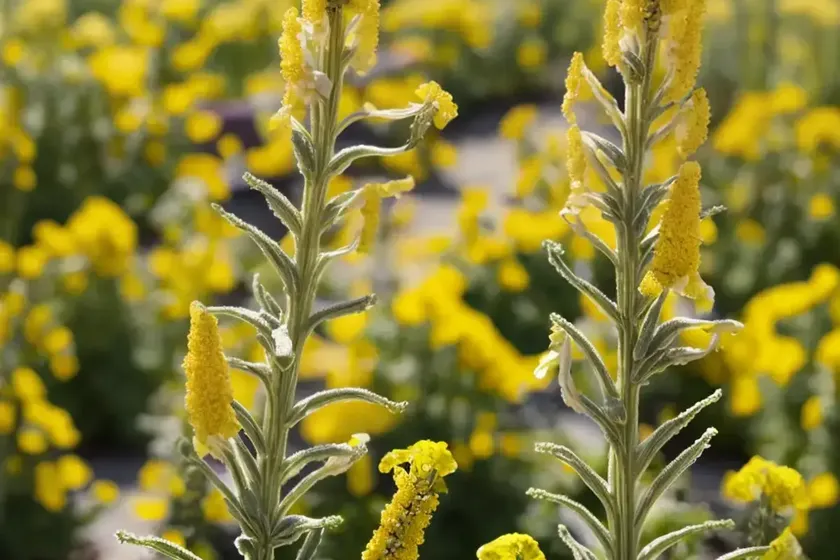
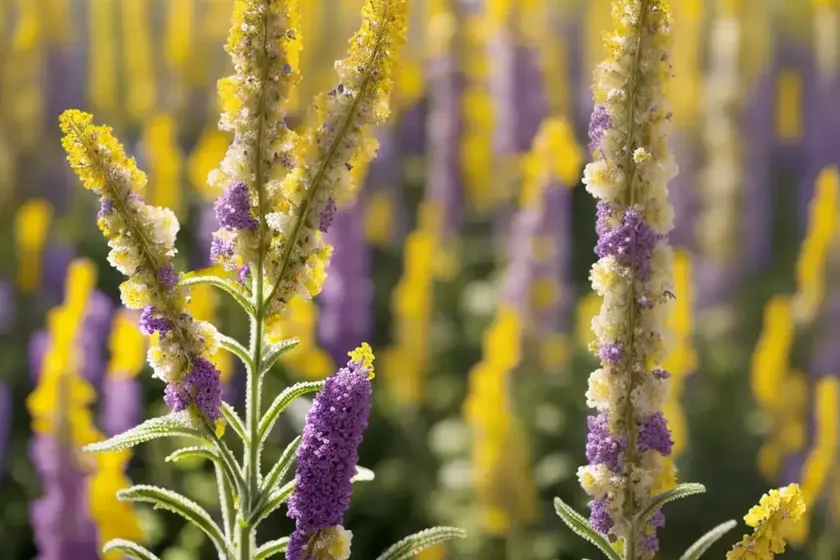
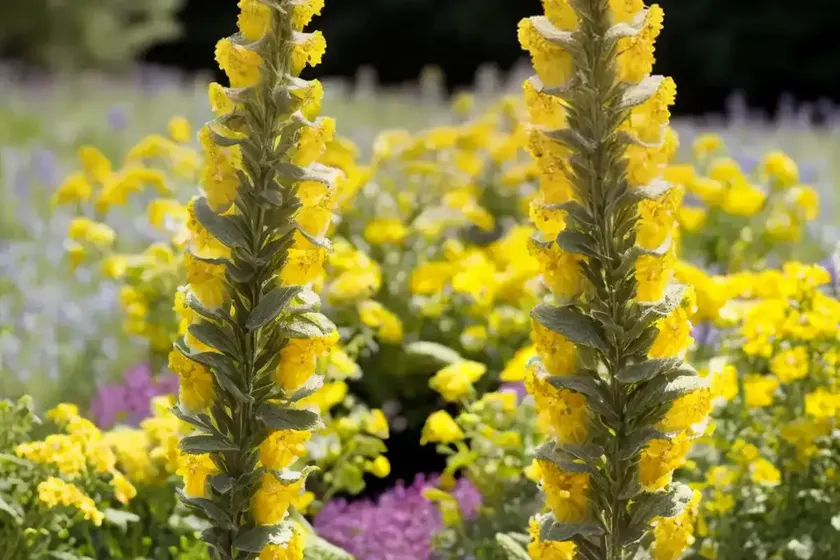
Verbascum olympicum, commonly known as Olympic Mullein, is a stunning herbaceous perennial plant that belongs to the Scrophulariaceae family. With its tall, majestic spires of yellow flowers and attractive fuzzy leaves, Verbascum olympicum is a favorite among gardeners and landscaping enthusiasts.
Key Takeaways – Verbascum olympicum
- Plant Name: Verbascum olympicum (Olympic Mullein)
- Family: Scrophulariaceae
- Common Names: Olympic Mullein, Mullein
- Plant Type: Herbaceous perennial
- Native Range: Eastern Mediterranean, Turkey, and Caucasus
Plant Characteristics
Verbascum olympicum boasts a range of characteristics that make it an appealing addition to gardens and landscapes. Understanding its features is essential for successful cultivation.
Verbascum olympicum Characteristics
- Height: Typically grows to a height of 6 to 8 feet tall
- Foliage: Large, fuzzy, gray-green leaves
- Flowers: Bright yellow flowers borne on tall, erect spikes
- Growing Habit: Upright, with a robust and architectural presence
- Hardiness Zone: Hardy in USDA zones 5-9
Culture
To cultivate Verbascum olympicum successfully, it is critical to understand its cultural requirements, including water, sunlight, soil, and fertilizer needs.
Water
- Watering Needs: Olympic Mullein prefers well-draining soil and is drought-tolerant once established
- Watering Frequency: Water deeply but infrequently to encourage deep root growth
- Avoid Overwatering: Ensure that the soil is allowed to dry out between watering sessions to prevent root rot
Sunlight
- Light Requirements: Olympic Mullein thrives in full sun and tolerates partial shade
- Optimal Placement: Choose a location with at least 6-8 hours of direct sunlight per day for best flowering and growth
Fertilizer
- Soil Fertility: Olympic Mullein grows well in average to poor soil conditions
- Fertilization: Apply a balanced, all-purpose fertilizer in early spring, following the manufacturer’s recommendations
- Avoid Excessive Nitrogen: Refrain from over-fertilizing with nitrogen to prevent excessive foliage growth at the expense of flowering
Soil
- Soil Type: Well-draining, sandy or loamy soil
- pH Level: Neutral to slightly alkaline soil pH (6.5-7.5)
- Soil Amendments: Incorporate organic matter such as compost or well-rotted manure to improve soil structure and fertility
Pruning
Pruning is an essential aspect of maintaining the health and appearance of Verbascum olympicum. It helps eliminate dead growth, encourages flowering, and prevents self-seeding.
Pruning Techniques
- Deadheading: Remove spent flowers to prolong the blooming period and prevent self-seeding
- Midseason Pruning: Cut back the flowering stalks after blooming to encourage a second flush of flowers and maintain a tidy appearance
- Fall Cleanup: Trim back the foliage in late fall after it has died back naturally
Propagation
Verbascum olympicum can be propagated through various methods, including seeds and division. Understanding the propagation techniques is crucial for multiplying plants.
Propagation Methods
- Seeds: Collect seeds from mature flower stalks in late summer. Sow the seeds directly into the garden or in containers in the fall or early spring.
- Division: Divide mature clumps in early spring by carefully lifting the plant and separating the crown and roots into smaller sections.
Container Culture
Verbascum olympicum can also be grown successfully in containers, providing versatility in landscaping and gardening.
Container Growing Tips
- Container Size: Select a large, deep container to accommodate the plant’s extensive root system
- Soil Mix: Use a well-draining potting mix with added perlite or coarse sand for improved drainage
- Watering: Container-grown Olympic Mullein may require more frequent watering than those grown in the ground, as containers tend to dry out more quickly
- Overwintering: In regions with harsh winters, move containers to a sheltered location or provide winter protection to prevent freezing
Popularity
Verbascum olympicum has gained popularity among gardeners and landscape designers due to its striking appearance, ease of cultivation, and ornamental value.
Popularity Factors
- Architectural Presence: The tall, imposing flowers and foliage add a vertical element to garden compositions
- Low Maintenance: Olympic Mullein is relatively low-maintenance once established, making it ideal for a range of garden styles
- Wildlife Attraction: Its flowers attract bees, butterflies, and pollinators, enhancing ecological diversity in the garden
Common Diseases
While Olympic Mullein is generally disease-resistant, it may be susceptible to certain fungal infections and pests under adverse conditions.
Disease Diagnosis
- Powdery Mildew: White, powdery spots on leaves, typically occurring in humid conditions
- Rust: Brownish-orange pustules on foliage, often prevalent in damp weather
- Preventive Measures: Ensure good air circulation, avoid overhead watering, and remove and dispose of infected plant parts
Common Pests
Olympic Mullein is relatively resistant to pests, but certain insects may occasionally pose a threat to its foliage and flowers.
Pest Control
- Aphids: Small, soft-bodied insects that may cluster on new growth and flower buds
- Caterpillars: Larvae of various moth species that may feed on leaves and flowers
- Control Measures: Use insecticidal soaps, neem oil, or handpick caterpillars to manage pest populations
Botanist’s Tips
To grow Verbascum olympicum successfully, consider the following insights from a botanical perspective.
Botanical Insights
- Vertical Accent: Incorporate Olympic Mullein in the back of borders or as a standalone focal point to take advantage of its tall stature
- Companion Planting: Pair Olympic Mullein with low-growing, complementary plants to create striking visual contrasts and diverse plant groupings
- Naturalistic Plantings: Utilize Olympic Mullein in wild or prairie-style plantings for a naturalistic, untamed effect
Fun Facts
Explore some intriguing and lesser-known facts about Verbascum olympicum.
- Historical Significance: The plant has a rich history in traditional medicine and folklore, with various cultural and ethnobotanical uses.
- Wildlife Habitat: Besides attracting pollinators, the plant also provides shelter and habitat for beneficial insects and small animals.
Links to External Resources
For further information on Verbascum olympicum and related topics, refer to the following resources:
- Royal Horticultural Society – Verbascum olympicum
- Missouri Botanical Garden – Verbascum olympicum
- North Carolina State University – Olympic Mullein in the Garden
- University of Florida – Verbascum olympicum Cultivation Guide
In conclusion, Verbascum olympicum, or Olympic Mullein, is a captivating plant with a range of ornamental, cultural, and ecological attributes. By understanding its unique characteristics and care requirements, gardeners and plant enthusiasts can effectively cultivate and appreciate this striking perennial in various garden settings.


