Verbascum Nigrum (Dark Mullein)
As a plant scientist, I am excited to share with you the fascinating world of Verbascum nigrum, more commonly known as Dark Mullein. This versatile and.
As a plant scientist, I am excited to share with you the fascinating world of Verbascum nigrum, more commonly known as Dark Mullein. This versatile and visually appealing plant has a rich history, unique characteristics, and a wide range of uses in gardening, landscaping, and even traditional medicine. In this blog post, we will delve into the various aspects of Verbascum nigrum, covering its cultivation, maintenance, uses, and much more. Whether you are a seasoned gardener, a nature enthusiast, or someone looking to explore the world of plants, this guide will equip you with valuable insights into the world of Dark Mullein.
What is Verbascum nigrum (Dark Mullein)?
Verbascum nigrum, also known as Dark Mullein or Black Mullein, is a species of flowering plant belonging to the family Scrophulariaceae. This biennial or perennial herbaceous plant is native to Europe, western and central Asia, and North Africa, where it thrives in a variety of habitats including meadows, woodland edges, and disturbed areas. Dark Mullein is renowned for its striking, tall spires of flowers, which make it a popular choice for ornamental and landscaping purposes.
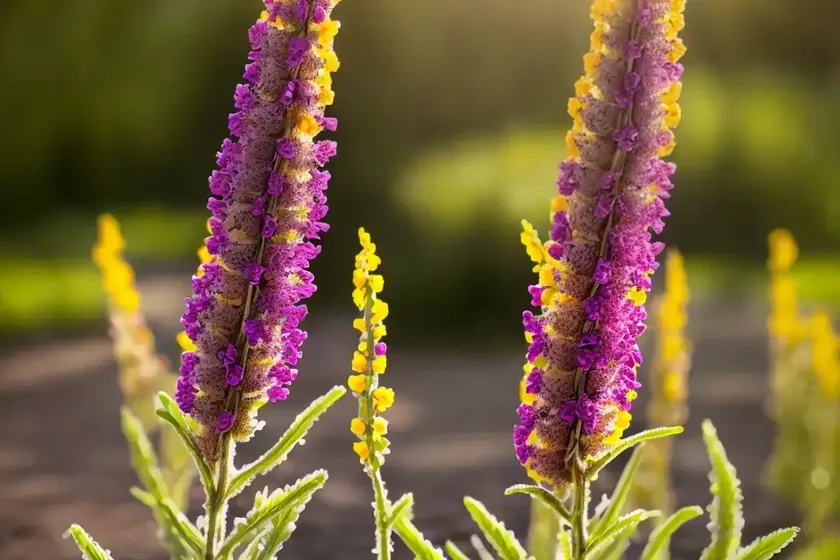
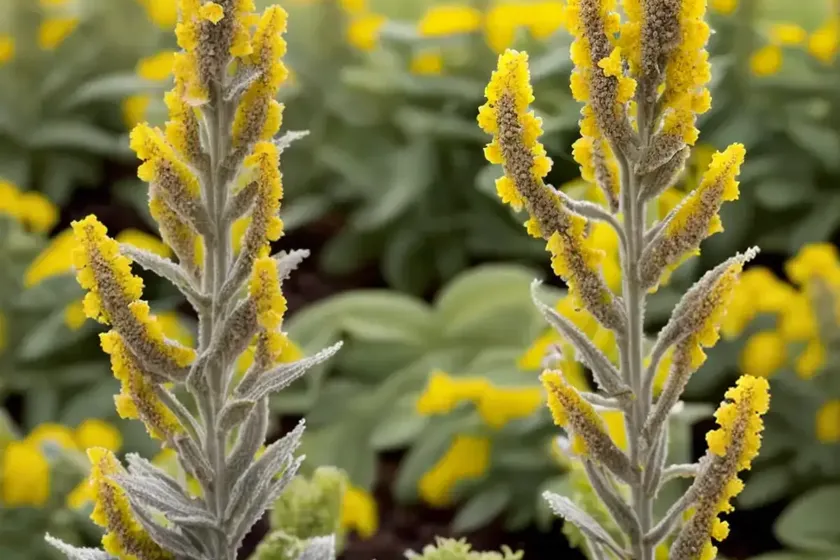
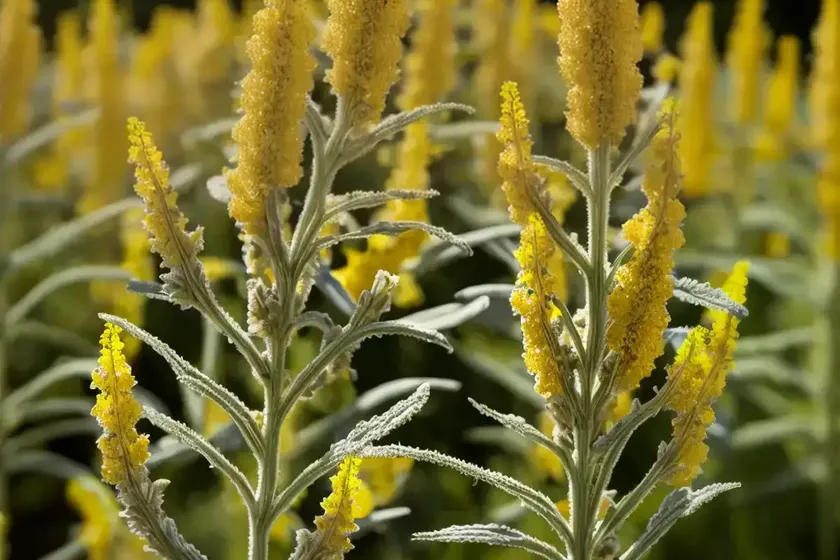
The plant is characterized by its robust rosette of hairy, grey-green leaves and its imposing flower stalks, which can reach impressive heights, often exceeding six feet. The flowers of Verbascum nigrum can range in color from a deep purple to yellow, creating a spectacular visual display in the garden.
Key Takeaways – Verbascum nigrum (Dark Mullein)
Before we delve into the specifics of Verbascum nigrum’s cultivation and uses, let’s take a moment to summarize the key takeaways about this remarkable plant.
- Scientific Name: Verbascum nigrum
- Common Names: Dark Mullein, Black Mullein
- Plant Type: Biennial or perennial herbaceous plant
- Family: Scrophulariaceae
- Native Range: Europe, western and central Asia, North Africa
- Habitat: Thrives in meadows, woodland edges, disturbed areas
- Characteristics: Robust, hairy, grey-green leaves; tall spires of flowers in purple or yellow
- Uses: Ornamental gardening, landscaping, traditional medicine
- Notable Feature: Striking visual appeal, adaptable growing preferences
Now that we have a general understanding of Verbascum nigrum, let’s explore the specific aspects of its cultivation and maintenance, including its cultural requirements, uses, and common practices for ensuring its health and vitality.
Culture
Cultivating Verbascum nigrum successfully requires an understanding of its cultural preferences, including its specific needs for water, sunlight, soil, and fertilizer. Additionally, knowledge of its growth habits and seasonal care routines is essential for maintaining healthy and thriving Dark Mullein plants.
Water
Verbascum nigrum exhibits moderate water needs and prefers well-drained soil. While it is relatively tolerant of dry conditions once established, it benefits from regular watering during periods of drought, especially in the absence of natural rainfall. Ensuring adequate soil moisture is particularly important during the plant’s establishment phase and during flowering to support healthy growth and vibrant blooming.
- Water Needs: Moderate
- Preferred Soil Moisture: Well-drained
- Watering Frequency: Regular during establishment and flowering; reduced during periods of drought tolerance
Sunlight
Dark Mullein thrives in full sun and prefers locations with ample sunlight exposure throughout the day. Providing the plant with a sunny and open site encourages robust growth and abundant flowering, allowing it to showcase its majestic floral display to its full potential.
- Sunlight Needs: Full sun
- Preferred Sun Exposure: Open, sunny locations
Fertilizer
When it comes to fertilizing Verbascum nigrum, a balanced and organic approach yields the best results. Applying a slow-release organic fertilizer during the plant’s active growth phase in spring can provide essential nutrients to support healthy foliage development and flower formation. Additionally, incorporating well-rotted compost into the soil during planting or as a top dressing can contribute to the overall soil fertility and promote the plant’s vigor.
- Fertilizer Type: Slow-release organic fertilizer
- Application Timing: Spring, during active growth phase
- Additional Amendment: Well-rotted compost for soil enrichment
Soil
Dark Mullein demonstrates adaptability to a range of soil types, as long as the soil is well-drained and of moderate fertility. It can thrive in sandy, loamy, or clay soils, provided that they do not become waterlogged. Amending heavy or compacted soils with organic matter, such as compost or well-rotted manure, can improve drainage and enhance the soil’s ability to support healthy Dark Mullein growth.
- Preferred Soil Type: Well-drained, moderate fertility
- Soil Adaptability: Sandy, loamy, clay; amend heavy soils with organic matter
- Drainage Requirement: Avoid waterlogging
Pruning
Proper pruning techniques contribute to the overall health and appearance of Verbascum nigrum. While the plant does not require extensive pruning, removing spent flower spikes after blooming can promote a neat and tidy appearance. Additionally, trimming back any overly long or straggly stems can help maintain a more compact silhouette and encourage the development of new growth.
- Pruning Needs: Minimal, focused on removing spent flower spikes and excessive growth
- Timing: After blooming, as needed for shaping
Propagation
The propagation of Verbascum nigrum can be achieved through various methods, including seed sowing and division. The plant produces copious amounts of fine seeds, making it well-suited for propagation from seed. Additionally, mature plants can be divided to create new individuals, particularly in the case of perennial forms. Both seed sowing and division offer effective means of propagating Dark Mullein, allowing for the expansion of its presence in the garden or landscape.
- Propagation Methods: Seed sowing, division (perennial forms)
- Seed Characteristics: Fine, abundant seeds
- Division Timing: Typically in early spring
Container Popularity
While Verbascum nigrum is more commonly grown in garden beds or naturalized settings, it can also be cultivated in containers, particularly in situations where space is limited or for aesthetic purposes. The dramatic verticality of Dark Mullein’s flower spikes can add a striking element to container gardens and patio displays, creating visual interest and height variation within the container arrangement.
- Container Suitability: Yes
- Visual Impact: Dramatic height, vertical interest
- Container Types: Large, deep containers for adequate root space
Uses
Verbascum nigrum offers a range of uses, from ornamental gardening and landscaping to traditional medicinal applications. Understanding the diverse ways in which Dark Mullein can be utilized enriches its appeal and underscores its value in various contexts.
Ornamental Gardening
Dark Mullein’s stately presence and captivating floral display make it a sought-after plant for ornamental gardening. Whether incorporated into cottage garden borders, naturalized meadows, or as a standalone focal point, Verbascum nigrum lends a distinct and commanding presence to its surroundings. Its adaptability to various soil types and its preference for full sun make it a versatile choice for adding vertical interest and vibrant color to the garden landscape.
Landscaping
In landscaped settings, Verbascum nigrum can be employed to create visual focal points, establish vertical accents, or complement existing plantings. Its architectural form and striking flower spikes add an element of drama and elegance to landscape designs, particularly in perennial borders, wildflower meadows, and naturalistic plantings. Dark Mullein’s adaptability to well-drained soils and its preference for full sun position it as an attractive candidate for enhancing the visual appeal of landscaped areas.
Traditional Medicinal Uses
Beyond its ornamental value, Verbascum nigrum has a history of traditional medicinal uses, particularly in herbal remedies and folk medicine. The plant’s leaves and flowers have been employed to prepare infusions, decoctions, and poultices, believed to possess a range of therapeutic properties. Its historical use in addressing respiratory ailments, soothing skin irritations, and supporting general wellness underscores its significance in traditional medicinal practices.
Common Diseases
Despite its resilience, Verbascum nigrum may be susceptible to specific diseases and issues that can impact its health and vigor. Identifying and understanding these common diseases equips gardeners and horticulturists with the knowledge to recognize symptoms and implement appropriate management strategies.
Disease Diagnosis
Several common diseases can affect Verbascum nigrum, presenting challenges to its optimal growth and performance. By familiarizing oneself with the symptoms and characteristics of these diseases, it becomes possible to take proactive measures to mitigate their impact and preserve the health of Dark Mullein plants.
- Powdery Mildew (Erysiphe biocellata): Characterized by the development of a powdery, white fungal growth on the foliage, powdery mildew can distort leaves and compromise plant health. Adequate airflow, moisture management, and applying appropriate fungicidal treatments can help control its spread.
- Rust Diseases (Puccinia spp.): Rust infections manifest as orange, yellow, or brown pustules on the leaves, accompanied by leaf discoloration and potential defoliation. Improving air circulation, practicing proper sanitation, and using fungicidal treatments can aid in managing rust diseases.
- Botrytis Blight (Botrytis cinerea): Botrytis can cause gray mold on Dark Mullein’s flowers and leaves, leading to tissue decay and a decline in plant vigor. Ensuring good air circulation, removing affected plant parts, and applying approved fungicides can help control botrytis blight.
Common Pests
In addition to diseases, Dark Mullein may encounter various pests that can pose a threat to its well-being. Understanding the habits and vulnerabilities of these common pests empowers growers to implement targeted pest management strategies to safeguard their Verbascum nigrum plants.
- Aphids (Aphidoidea): Aphids can cluster on Dark Mullein’s succulent shoot tips and undersides of leaves, sucking plant juices and potentially transmitting viral diseases. Using natural predators, such as ladybugs, and employing insecticidal treatments can help manage aphid infestations.
- Spider Mites (Tetranychidae): These tiny arachnids can infest the undersides of Dark Mullein leaves, causing stippling, webbing, and leaf damage. Regular monitoring, maintaining adequate humidity, and using horticultural oils or insecticidal soaps can aid in controlling spider mite populations.
- Slugs and Snails (Gastropoda): These nocturnal pests can feed on Dark Mullein’s foliage, leaving behind characteristic feeding damage and slime trails. Implementing physical barriers, such as copper tape or diatomaceous earth, and applying slug and snail baits can help protect plants from these molluscan pests.
Botanist’s Tips
As a plant scientist and botanist, I offer the following tips to guide growers and enthusiasts in their interactions with Verbascum nigrum. These insights draw on scientific knowledge and practical experience to support the successful cultivation and appreciation of Dark Mullein plants.
- Selecting Planting Locations: Choose open, sunny sites with well-drained soil to provide optimal growing conditions for Dark Mullein.
- Incorporating Companion Plants: Pair Verbascum nigrum with complementary perennials, such as Echinacea and Rudbeckia, to create visually engaging planting combinations and support pollinator activity.
- Promoting Pollinator Diversity: Dark Mullein’s vibrant flowers attract a range of pollinators, including bees and butterflies, making it a valuable addition to pollinator-friendly gardens and habitats.
- Maintaining Visual Impact: Deadhead spent flower spikes to promote continuous blooming and preserve the plant’s visual appeal throughout the growing season.
- Harvesting Seed Heads: Collect mature seed heads from Verbascum nigrum to propagate new plants or to share seeds with other gardening enthusiasts, supporting genetic diversity and conservation efforts.
Fun Facts
To further enrich our exploration of Verbascum nigrum, here are some intriguing and fun facts about Dark Mullein that highlight its unique characteristics and cultural significance:
- Ethnobotanical History: Verbascum nigrum has a rich ethnobotanical history, with documented traditional uses in various cultures for its medicinal properties, as well as its association with folklore and customs.
- Wildlife Habitat: Dark Mullein serves as a valuable habitat plant for diverse wildlife, providing shelter, nesting sites, and foraging opportunities for birds, insects, and small mammals.
- Vertical Gardening Potential: The towering flower spikes of Dark Mullein make it an excellent candidate for vertical gardening design, adding height, texture, and visual interest to vertical landscapes and urban gardens.
- Culinary Traditions: While not commonly consumed, certain historical references highlight the occasional use of Verbascum nigrum in culinary applications, such as herbal teas and dietary supplements.
Links to External Resources
To further expand your knowledge and exploration of Verbascum nigrum, I recommend exploring the following external resources for valuable information, insights, and perspectives on this captivating plant:
- Royal Horticultural Society – Verbascum nigrum: RHS – Verbascum nigrum
- Missouri Botanical Garden – Verbascum nigrum: Missouri Botanical Garden – Verbascum nigrum
- USDA Plants Database – Verbascum nigrum: USDA Plants Database – Verbascum nigrum
These reputable resources offer a wealth of information on Dark Mullein, including detailed plant profiles, cultivation advice, and historical contexts, contributing to a comprehensive understanding of Verbascum nigrum from various perspectives.
In conclusion, Verbascum nigrum, or Dark Mullein, stands as a captivating and valuable addition to horticulture, landscaping, and natural history. Its distinctive appearance, adaptable nature, and historical significance render it a plant of interest and importance. By respecting its cultural requirements, harnessing its ornamental and ecological potential, and appreciating its medicinal heritage, we can celebrate and sustain the enduring legacy of this remarkable plant.
I hope this comprehensive guide serves as a valuable resource for plant enthusiasts, gardeners, and anyone intrigued by the wonders of Verbascum nigrum. Whether you’re considering integrating Dark Mullein into your garden landscape or seeking to deepen your understanding of its ecological and cultural contexts, I encourage you to embrace the beauty and complexity of this exceptional plant.
Happy gardening and exploration to all plant enthusiasts!


