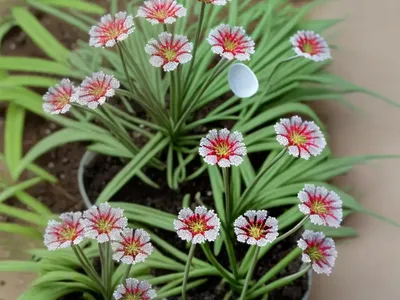
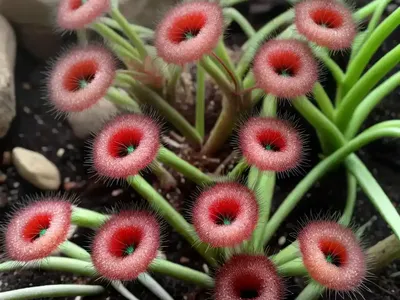
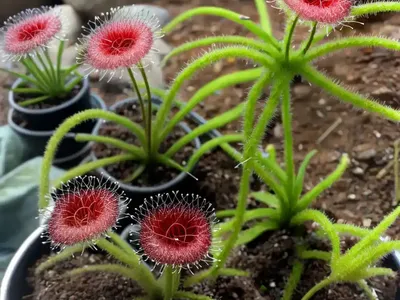
Venus Fly Trap Plant Dionaea Muscipula (Dionaea Muscipula )
Plants have always captivated human imagination with their striking diversity of forms, functions, and adaptations. Whether they are adorning our homes.
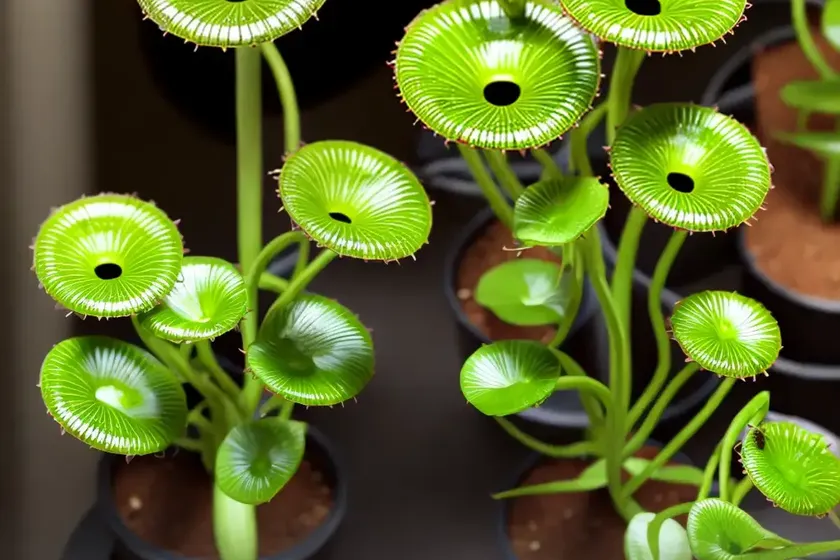
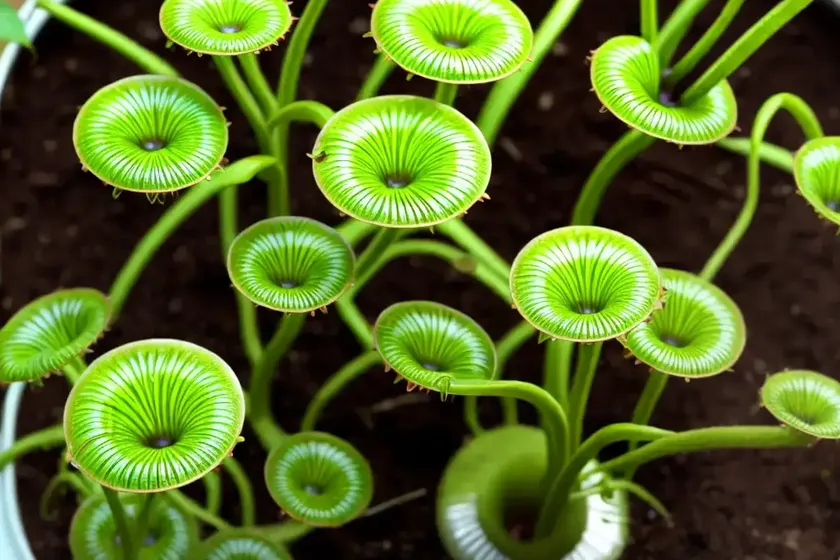
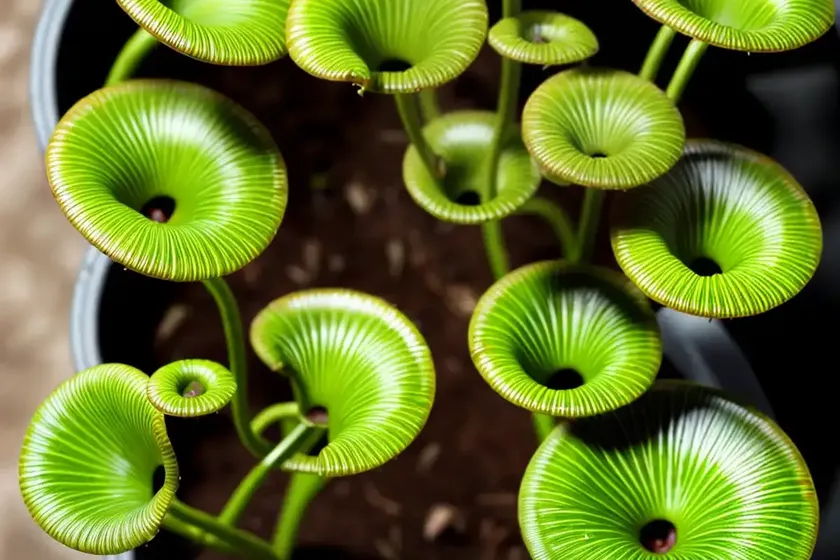
Plants have always captivated human imagination with their striking diversity of forms, functions, and adaptations. Whether they are adorning our homes, providing sustenance, or serving as sources of medicine, plants continue to play a crucial role in our lives. One such intriguing plant is the Venus flytrap (Dionaea muscipula), renowned for its carnivorous nature, unique appearance, and captivating abilities. In this comprehensive guide, we will delve into the captivating world of the Venus flytrap, exploring its characteristics, care requirements, propagation, and much more.
What is Venus Fly Trap Plant Dionaea muscipula?
The Venus flytrap (Dionaea muscipula) is a perennial carnivorous plant native to subtropical wetlands on the East Coast of the United States, primarily in North and South Carolina. It belongs to the Droseraceae family and is renowned for its modified leaves with hinged trap structures that snap shut when triggered by unsuspecting insects, thus enabling the plant to capture and digest its prey. Beyond its carnivorous tendencies, the Venus flytrap showcases distinct lobed leaves and eye-catching white flowers, rendering it one of the most fascinating plants in the botanical world.
Key Takeaways – Venus Fly Trap Plant Dionaea muscipula:
Before delving into the specifics of caring for the Venus flytrap, let’s explore the key takeaways associated with this captivating plant:
- The Venus flytrap (Dionaea muscipula) is a carnivorous plant known for its unique ability to capture and digest insects.
- It thrives in moist, acidic soil and requires ample sunlight for optimal growth and trap function.
- Venus flytraps are not purely ornamental; they serve a critical ecological role in controlling insect populations in their native habitats.
- Proper watering and humidity levels are crucial for the Venus flytrap’s well-being, necessitating a delicate balance to mimic its natural environment.
- While the Venus flytrap may exhibit a captivating and eerie allure, it demands diligent care and attention to thrive in a home environment.
With these key takeaways in mind, let’s embark on a journey to understand the intricacies of caring for the Venus flytrap, from its cultural requirements to propagation techniques and common pest management.
Culture
The culture of the Venus flytrap encompasses its native habitat, growth preferences, and ecological significance. Understanding its natural environment and growth habits is pivotal to replicating optimal conditions in cultivation.
Habitat and Native Range
The Venus flytrap is endemic to the wetlands of North and South Carolina, where it thrives in nutrient-poor, acidic soils. These habitats are characterized by high humidity, ample sunlight, and a diverse array of insect species, offering the Venus flytrap a ready supply of prey.
Growth Preferences
In cultivation, the Venus flytrap flourishes in conditions that resemble its natural habitat. This includes moist, well-draining soil, ample sunlight, and high humidity levels. Recreating these environmental parameters is essential for the plant’s overall health and trap function.
Ecological Significance
Beyond its captivating appearance, the Venus flytrap plays a crucial role in regulating insect populations in its native habitats. By capturing and digesting insects, the plant derives essential nutrients, compensating for the nutrient-poor soils in which it grows. Additionally, the prey-capture mechanism of the Venus flytrap serves as a unique adaptation, allowing the plant to thrive in otherwise inhospitable conditions.
Uses
The Venus flytrap has garnered widespread fascination not only for its carnivorous tendencies but also for its potential uses, ranging from ecology to educational and decorative purposes.
Ecological Role
In its native habitats, the Venus flytrap serves as a natural form of pest control, regulating insect populations and contributing to the overall balance of the ecosystem. This ecological significance underscores the importance of conserving natural habitats and preserving the biodiversity of carnivorous plant species.
Educational Value
The Venus flytrap provides an excellent educational tool for understanding plant adaptations, carnivory in plants, and ecological interdependencies. Its captivating ability to capture prey captivates the imagination and serves as an engaging subject in science education.
Ornamental Appeal
Beyond its ecological and educational significance, the Venus flytrap also holds appeal as an ornamental plant. Its unique appearance and fascinating trap mechanism make it a distinctive addition to botanical collections and home gardens, sparking curiosity and conversation.
Water
Proper watering is crucial for the health and vitality of the Venus flytrap. As a plant that naturally inhabits nutrient-poor, waterlogged soils, replicating these conditions in cultivation is essential for its well-being.
Watering Practices
The Venus flytrap thrives in constantly moist but not waterlogged soil. It is essential to ensure that the plant’s root system remains consistently hydrated to prevent desiccation. At the same time, overwatering can lead to root rot and other detrimental conditions. Striking a delicate balance in watering is critical for the plant’s health.
Water Quality
Given the Venus flytrap’s sensitivity to mineral content and pH levels, it is advisable to use distilled or rainwater for watering. Tap water containing high levels of minerals or other additives can harm the plant and disrupt the delicate balance of its environment.
Humidity Levels
In addition to watering the soil, maintaining high humidity levels is crucial for the Venus flytrap. This can be achieved through the use of a humidity tray, a terrarium, or a greenhouse-like enclosure to ensure that the plant is surrounded by the appropriate moisture levels.
Sunlight
Ample sunlight is essential for the Venus flytrap’s overall health and trap function. As a plant that has adapted to full sun conditions in its native habitat, providing sufficient light is imperative for its growth and vitality.
Light Requirements
The Venus flytrap thrives in full sun conditions, requiring at least 6 hours of direct sunlight per day. In cultivation, placing the plant in a location with ample natural light or supplementing with artificial grow lights is crucial for its well-being.
Photoperiod
Beyond light intensity, the photoperiod, or the duration of light exposure, is also significant for the Venus flytrap. Mimicking the long day lengths of its native habitat is essential for promoting vigorous growth, trap function, and flowering in the plant.
Sunlight Considerations
While the Venus flytrap requires ample sunlight, care should be taken to prevent excessive heat and sunburn. Providing filtered sunlight during the hottest parts of the day can protect the plant from potential damage while ensuring that it receives the required light levels for photosynthesis.
Fertilizer
Unlike many other plants, the Venus flytrap derives essential nutrients from the insects it captures and digests. As a result, it does not require traditional fertilization and can be sensitive to the mineral content in fertilizers.
Nutritional Requirements
In its natural habitat, the Venus flytrap grows in nutrient-poor soils and has evolved to rely on carnivory for essential nutrients such as nitrogen. Attempts to fertilize the plant with traditional fertilizers can lead to nutrient imbalances and harm the plant. Therefore, it is crucial to refrain from fertilizing the Venus flytrap with standard plant foods or amendments.
Carnivorous Adaptation
The Venus flytrap’s unique adaptation to carnivory allows it to capture and digest insects, thereby deriving the necessary nutrients for growth, development, and reproduction. This symbiotic relationship with its prey is a defining characteristic of the plant and illustrates its fascinating evolutionary trajectory.
Precautions
Given the Venus flytrap’s sensitivity to excess nutrients and its reliance on carnivory, it is essential to avoid the use of traditional fertilizers and mineral-rich amendments. Additionally, the capture and digestion of insects provide the plant with key nutrients, making fertilization unnecessary.
Soil
The soil composition for the Venus flytrap is of paramount importance, as it mimics the nutrient-poor, acidic conditions of its native habitat. Ensuring proper soil structure and pH is essential for the plant’s health and vitality.
Soil Composition
The Venus flytrap thrives in a well-draining, nutrient-poor soil mix that is acidic in nature. A typical mix for the plant includes a combination of sphagnum peat moss and perlite, replicating the conditions of its natural habitat.
Acidity Requirements
Maintaining acidic soil conditions with a pH between 4.5 and 5.5 is crucial for the plant’s health. This acidity level is essential for nutrient uptake and overall physiological functions, making it imperative to monitor and adjust the soil pH as needed.
Soil Considerations
Due to the Venus flytrap’s sensitivity to mineral content and nutrient availability, it is crucial to select an appropriate soil mix and refrain from using standard potting soils or amendments. The plant’s reliance on nutrient-poor soils and its unique adaptations necessitate careful attention to soil composition.
Pruning
Pruning the Venus flytrap involves the removal of spent traps, dead foliage, and flower stalks to promote the plant’s vitality, trap function, and aesthetic appeal. While the plant’s pruning needs may differ from traditional garden plants, careful attention to this aspect contributes to its overall health.
Trap Management
Pruning spent traps is integral to the Venus flytrap’s health, as it allows the plant to redirect its energy towards the development of new traps. Removing traps that have already captured and digested prey ensures that the plant can focus on new opportunities for insect capture.
Flower Stalk Removal
The Venus flytrap produces striking white flowers, but allowing the plant to bloom can divert substantial energy away from trap production and overall growth. Pruning the flower stalks, particularly for younger or smaller plants, can help prioritize the plant’s energy resources.
Aesthetic Considerations
Beyond the functional aspects, pruning also contributes to the plant’s aesthetic appeal. By maintaining a tidy appearance, removing dead foliage, and managing spent traps, the Venus flytrap can showcase its unique beauty while promoting its health and vigor.
Propagation
The propagation of the Venus flytrap involves the production of new plants from seeds, leaf cuttings, or division. Understanding the various propagation methods is essential for expanding plant populations and preserving genetic diversity.
Seed Propagation
Growing Venus flytraps from seeds allows for the establishment of genetically diverse populations. It also provides an opportunity to observe the plant’s life cycle, from germination to maturity, and offers valuable insights into the species’ reproductive biology.
Leaf Cutting Propagation
Propagating Venus flytraps from leaf cuttings involves carefully excising healthy leaves and encouraging the development of new plantlets. This method allows for the rapid multiplication of plants and is particularly useful for preserving specific traits or characteristics.
Division
Division of established Venus flytrap clumps is another propagation method for generating new plants. This technique involves carefully separating the rhizomes and root systems to create individual plantings, thereby expanding the population and facilitating plant care and management.
Container
Selecting an appropriate container for the Venus flytrap is crucial for providing adequate space, drainage, and environmental control. The container serves as the plant’s home, influencing its overall health and well-being.
Container Size
Choosing a container that accommodates the Venus flytrap’s root system and allows for adequate soil moisture control is essential. For younger plants, smaller containers are suitable, whereas larger, more mature specimens require appropriately sized pots to support their growth.
Drainage
Ensuring proper drainage in the container prevents waterlogging and root rot, both of which can harm the Venus flytrap. Selecting containers with drainage holes and utilizing a well-draining soil mix are essential for maintaining the plant’s health.
Environmental Control
The container also plays a role in environmental control, particularly for humidity management. Utilizing a transparent enclosure or terrarium can help maintain the necessary humidity levels while creating a microclimate that mimics the plant’s natural habitat.
Popularity
The Venus flytrap has captivated plant enthusiasts, researchers, and nature lovers worldwide, sparking widespread interest and admiration for its captivating characteristics and adaptations.
Fascination Factor
The Venus flytrap’s striking appearance, carnivorous nature, and unique ecological role have contributed to its enduring popularity. Its ability to capture and digest insects, coupled with its distinctive trap structures, makes it one of the most intriguing plants in the botanical world.
Educational Tool
Beyond its allure, the Venus flytrap serves as an engaging educational tool, fostering interest in botany, ecology, and plant adaptations. It has found a place in classrooms, botanical gardens, and nature centers, captivating audiences with its captivating abilities and ecological significance.
Conservation Concerns
The enduring popularity of the Venus flytrap has also raised concerns about its conservation in the wild. Habitat destruction, overcollection, and habitat degradation pose significant threats to the plant’s native populations, underscoring the importance of conservation efforts and sustainable cultivation practices.
Common Diseases
While the Venus flytrap is renowned for its resilience and adaptations, it is susceptible to certain diseases and health issues that can impact its overall well-being. Recognizing and addressing these concerns is vital for maintaining healthy plant populations.
Root Rot
Excessive moisture and waterlogging can lead to root rot in Venus flytraps, causing the roots to decay and compromising the plant’s ability to absorb water and nutrients. Prevention through proper soil drainage and watering practices is crucial for mitigating this disease.
Fungal Infections
Fungal diseases, such as Botrytis and Fusarium, can affect the Venus flytrap, leading to leaf spotting, wilting, and overall decline. Maintaining proper air circulation, humidity control, and soil sanitation can help prevent fungal infections and support the plant’s health.
Disease Diagnosis
Diagnosing diseases in the Venus flytrap involves careful observation of symptoms such as yellowing leaves, blackened traps, or wilting foliage. Identifying the underlying cause, whether environmental or pathogenic, is essential for implementing targeted treatments and preventing disease spread.
Common Pests
Despite its carnivorous nature, the Venus flytrap can be susceptible to certain pests that can impact its health and trap function. Understanding these common pest threats is essential for effective pest management.
Aphids
Aphids, small sap-sucking insects, can infest the Venus flytrap, feeding on the plant’s sap and potentially transmitting diseases. Monitoring for aphid infestations and implementing control measures, such as insecticidal soaps or predatory insects, is crucial for managing this pest.
Spider Mites
Spider mites are another potential pest threat to the Venus flytrap, causing stippling, webbing, and overall decline in plant health. Regular inspection and the use of predatory mites or horticultural oils can help control spider mite infestations and prevent damage to the plant.
Pest Control
Implementing integrated pest management practices, maintaining good plant hygiene, and regularly inspecting for pest activity are essential for preventing and managing common pests in Venus flytraps. By minimizing pest pressures, the plant can maintain its health and vitality.
Botanist’s Tips
To ensure the successful care and cultivation of Venus flytraps, it is crucial to heed the advice and tips offered by experienced botanists and plant enthusiasts. Their insights can provide valuable guidance for plant care and management.
Environmental Mimicry
Creating an environment that mimics the Venus flytrap’s native habitat is essential for its well-being. This includes providing proper soil conditions, adequate sunlight, and high humidity levels, as well as avoiding excessive fertilization and waterlogging.
Pest Monitoring
Regular monitoring for pests, diseases, and environmental stressors is pivotal for maintaining the health of Venus flytraps. Early detection and intervention can help prevent widespread issues and minimize the impact on plant populations.
Education and Advocacy
Engaging in education and advocacy efforts to raise awareness about the conservation of Venus flytraps and their native habitats can contribute to the plant’s long-term survival. Supporting conservation initiatives and responsible cultivation practices is essential for preserving this captivating species.
Fun Facts
Exploring the intriguing world of the Venus flytrap unveils an array of fascinating and often surprising facts that underscore its unique adaptations and ecological significance.
-
Carnivorous Adaptations: The Venus flytrap’s carnivorous nature has evolved as a solution to nutrient-poor soils, allowing the plant to capture and digest insects for essential nutrients.
-
Rapid Trap Closure: The trap structures of the Venus flytrap can snap shut in as little as 0.1 seconds, showcasing a remarkable adaptation for capturing prey with unparalleled speed.
-
Native Habitat: In addition to its native range in the East Coast of the United States, the Venus flytrap is also known to grow in artificially maintained bog habitats and botanical collections around the world.
-
Ecological Role: Beyond its carnivorous tendencies, the Venus flytrap plays a pivotal ecological role in controlling insect populations in its native wetland habitats.
-
Longevity: While individual traps have a limited lifespan, the Venus flytrap as a whole can persist for many years and can produce multiple generations of leaves and traps.
Links to External Resources
To further explore the world of Venus flytraps and broaden your understanding of plant care, cultivation, and botanical significance, consider the following external resources and references:
- International Carnivorous Plant Society
- North American Sarracenia Conservancy
- The Botanical Society of America
- Royal Horticultural Society
- American Society of Plant Biologists
By engaging with these resources and institutions, you can gain valuable insights, connect with fellow enthusiasts, and contribute to the conservation and appreciation of the Venus flytrap and other fascinating botanical species.
In conclusion, the Venus flytrap (Dionaea muscipula) stands as a captivating and enigmatic plant, captivating admirers with its intricate adaptations, unusual behaviors, and unique place in the botanical world. By understanding and embracing the specific cultural requirements, propagation techniques, and conservation considerations associated with this species, plant enthusiasts and researchers can contribute to the preservation and appreciation of this remarkable carnivorous plant.
Whether you are starting your journey with Venus flytraps or seeking to expand your knowledge and care skills, the allure of this captivating species offers boundless opportunities for exploration, education, and conservation.
From its carnivorous traits to its ecological significance, the Venus flytrap remains an emblem of natural wonder, inviting enthusiasts to delve deeper into its captivating world and contribute to its enduring legacy.