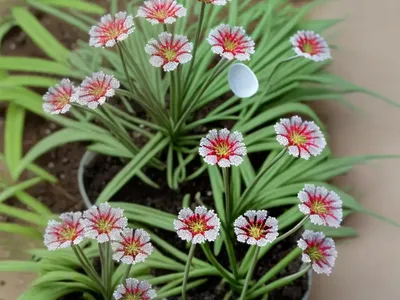
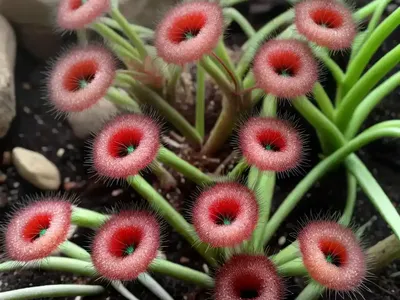
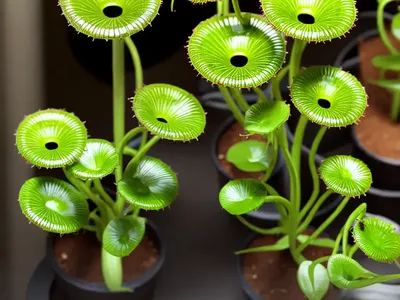
Threadleaf Sundew (Drosera Filiformis)
As a plant scientist with a passion for exploring the diverse world of flora, I am thrilled to delve into the captivating realm of carnivorous plants.
Introduction
As a plant scientist with a passion for exploring the diverse world of flora, I am thrilled to delve into the captivating realm of carnivorous plants, specifically the enchanting Threadleaf Sundew (Drosera filiformis). In this comprehensive guide, I will walk you through the key characteristics, cultivation, uses, and fascinating aspects of this intriguing species. From its natural habitat to its care requirements and ecological significance, we will journey through every aspect of the Threadleaf Sundew, shedding light on its unique features and the best practices for its nurturing.
What is Threadleaf Sundew (Drosera filiformis)?
Threadleaf Sundew (Drosera filiformis) belongs to the Sundew genus, Drosera, which is globally renowned for its carnivorous nature. These plants possess specialized adaptations to capture and digest insects, making them an enchanting subject of study for botanists, ecologists, and plant enthusiasts alike. The specific epithet, “filiformis,” is derived from Latin, signifying the plant’s thread-like leaves, a distinctive feature of this species.
Threadleaf Sundew is native to the southeastern United States, where it thrives in nutrient-poor, acidic soils of wetlands, bogs, and other damp habitats. As a carnivorous plant, it has evolved unique mechanisms to supplement its nutritional needs by trapping and digesting small insects through glandular tentacles on its leaves, showcasing the marvels of natural adaptation and ecological interplay.
Key Takeaways – Threadleaf Sundew (Drosera filiformis)
Before delving deeper into the specifics of cultivating and caring for Threadleaf Sundew, let’s highlight the key takeaways that we will explore in detail within this guide:
- Culture
- Uses
- Water
- Sunlight
- Fertilizer
- Soil
- Pruning
- Propagation
- Container
- Popularity
- Common Diseases
- Common Pests
- Botanist’s Tips
- Fun Facts
Now, let’s embark on a fascinating journey into the enchanting world of Threadleaf Sundew, understanding its intricacies and the best practices for its cultivation and care.
Culture of Threadleaf Sundew (Drosera filiformis)
Understanding the culture of Threadleaf Sundew is essential for successfully integrating this mesmerizing plant into your botanical collection. From its water and sunlight requirements to the ideal soil conditions, let’s explore each aspect in detail.
Water
Sundews, including the Threadleaf Sundew, are indigenous to moist environments, indicating their affinity for adequate hydration. When cultivating Threadleaf Sundew, it is essential to replicate its natural habitat’s water availability to ensure optimal growth and health. Here are some key considerations regarding watering:
- High Humidity: Threadleaf Sundew thrives in high-humidity environments, mirroring its bog and wetland habitats. To maintain adequate moisture levels, consider using a humidity tray or a terrarium setup, especially in drier climates or indoor settings.
- Preferably Distilled Water: Given its sensitivity to minerals and chemicals present in tap water, it’s advisable to use distilled or rainwater for watering Threadleaf Sundew. This helps prevent the accumulation of harmful substances in the soil and facilitates better nutrient absorption.
- Avoid Waterlogging: While Threadleaf Sundew requires consistent moisture, it is crucial to ensure that it is not waterlogged. Providing proper drainage in the planting container or terrarium is essential to prevent water accumulation, which can lead to root rot and other detrimental conditions.
Sunlight
Adequate exposure to sunlight is crucial for the well-being of Threadleaf Sundew, given its reliance on photosynthesis for energy production. Understanding its sunlight preferences is imperative for ensuring its vigor and carnivorous capabilities:
- Direct Sunlight: Threadleaf Sundew thrives in bright, indirect sunlight or partial shade. When grown outdoors, it is advisable to place the plant in a location that receives several hours of morning or late afternoon sunlight, as intense midday sun may be too harsh.
- Indoor Lighting: In indoor settings, consider providing artificial lighting using full-spectrum grow lights. Position the lights at a suitable distance from the plant to simulate its natural light requirements, especially during seasons with reduced daylight hours.
Fertilizer
As a carnivorous plant, Threadleaf Sundew has evolved to derive essential nutrients from the insects it captures and digests. Therefore, traditional fertilization practices do not apply to this remarkable species. In fact, the use of standard fertilizers can be detrimental to its well-being, potentially leading to over-fertilization and subsequent damage.
Given its unique feeding process and reliance on trapping insects for nutrients, there is no need to supplement Threadleaf Sundew with additional fertilizers. By adhering to its natural dietary requirements, you can support its growth and development without the need for conventional fertilization.
Soil
The soil composition plays a pivotal role in the successful cultivation of Threadleaf Sundew, aligning with its natural habitat and nutritional needs. Due to its preference for acidic, nutrient-poor soils, it is essential to create a substrate that caters to its specific requirements:
- Acidic Medium: Threadleaf Sundew thrives in acidic soils, typically with a pH ranging from 4.5 to 5.5. To ensure an optimal growing medium, consider using a blend of peat moss and perlite or sand, creating a well-draining, slightly acidic environment that mimics its native habitat.
- Avoid Nutrient-Rich Soils: Given its adaptation to low-nutrient conditions, it is crucial to refrain from using nutrient-rich potting mixes or soils. These can be detrimental to Threadleaf Sundew, leading to issues such as nutrient toxicity and poor growth.
Understanding Sundew Plant Characteristics
As we delve deeper into the world of Threadleaf Sundew, it is essential to comprehend the unique characteristics that define this captivating species. From its morphological traits to its ecological significance, understanding the sundew plant’s distinct features enhances our appreciation of its role and beauty in the natural world.
Morphology
Threadleaf Sundew exhibits a striking morphology that sets it apart as a captivating carnivorous plant. Its key morphological characteristics include:
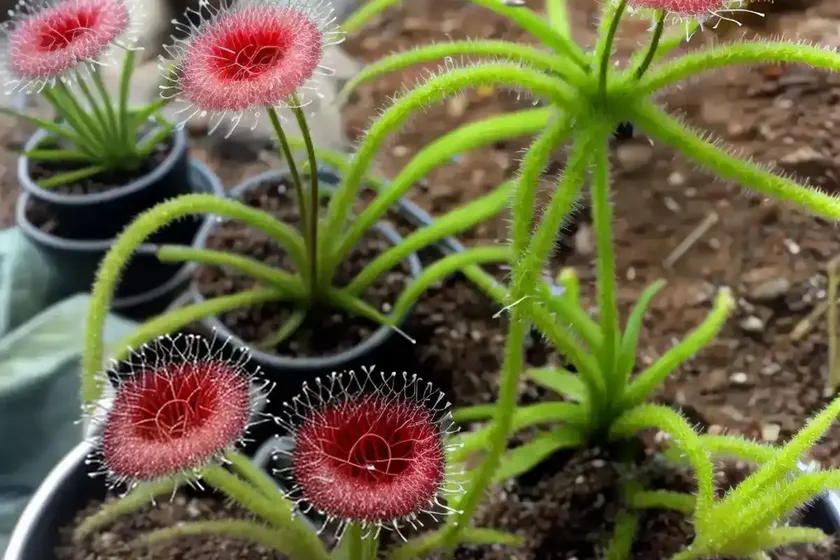
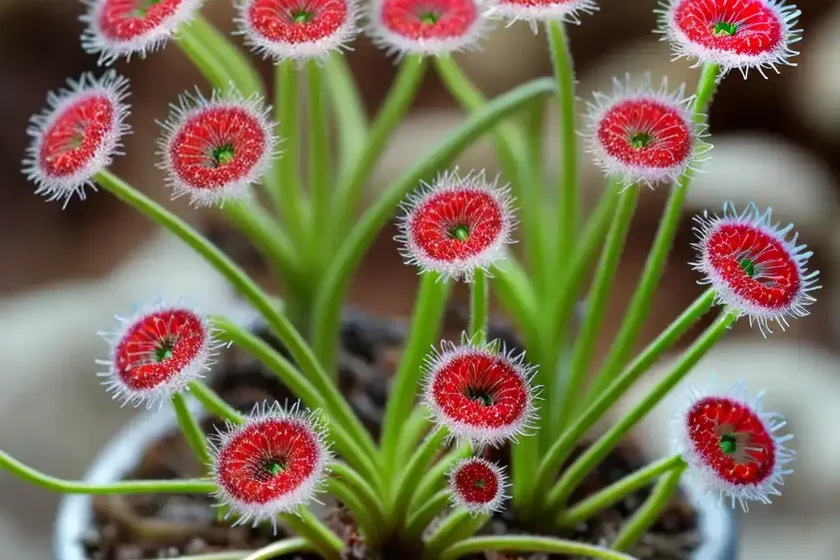
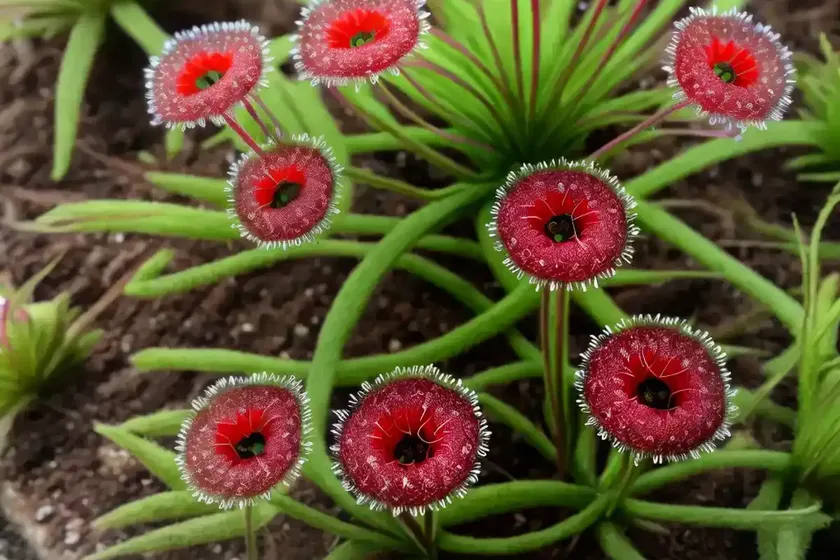
- Thread-Like Leaves: As implied by its name, Threadleaf Sundew showcases narrow, thread-like leaves that sprawl along the ground, creating a stunning display of intricate foliage. Each leaf is lined with glandular tentacles that secrete sticky mucilage, enticing and ensnaring unsuspecting insects.
- Carnivorous Traps: Glistening with dew-like droplets of mucilage, the sundew plant’s leaves serve as carnivorous traps, capturing insects that land on their sticky surfaces. This unique adaptation enables the plant to supplement its nutritional needs by digesting its prey, a remarkable feat in the realm of botanical adaptations.
- Flowering Stalks: In addition to its captivating leaves, Threadleaf Sundew produces delicate flowering stalks adorned with clusters of small, white or pink flowers. These blooms, though not the primary focus of the plant’s carnivorous nature, add a touch of elegance to its overall appearance.
Ecological Role
In its native habitat, Threadleaf Sundew plays a vital ecological role as an insect-trapping carnivorous plant, contributing to the complex web of interactions within its wetland and bog ecosystems. By capturing and consuming insects, it participates in nutrient cycling and energy flow, showcasing a fascinating example of biological adaptation and interdependence. Understanding the ecological significance of this species enhances our awareness of the diverse roles plants play in sustaining the balance of natural environments.
Uses of Threadleaf Sundew (Drosera filiformis)
Threadleaf Sundew, aside from its intrinsic ecological value, also holds significance in various other aspects, including horticulture, research, and traditional uses. Let’s explore the diverse uses associated with this captivating carnivorous plant:
Gardening and Cultivation
In horticultural settings, Threadleaf Sundew captivates enthusiasts with its extraordinary traits, serving as an intriguing addition to carnivorous plant collections, botanical gardens, and specialized terrariums. Its unique ability to capture and digest insects makes it a subject of fascination, inspiring both amateur and seasoned gardeners to cultivate and study its captivating features.
Research and Studies
Within the realm of botanical research, Threadleaf Sundew holds promise as a subject of scientific inquiry, particularly in areas related to carnivorous plant adaptations, ecological interactions, and molecular biology. Its specialized trapping mechanisms and distinctive physiological adaptations offer valuable insights into the complexities of plant-insect interactions and the evolutionary dynamics of carnivorous plants.
Ethno-Botanical Uses
In some traditional contexts, certain species of Drosera, including Threadleaf Sundew, have been historically associated with medicinal and cultural practices. Ethno-botanical studies shed light on the historical applications of sundews in various cultures and traditions, contributing to our understanding of their cultural significance and potential historical uses.
Pruning Threadleaf Sundew (Drosera filiformis)
Pruning practices for Threadleaf Sundew primarily revolve around the maintenance of its foliage and flowering structures. While conventional pruning techniques may not apply to carnivorous plants in the same manner as they do for non-carnivorous species, there are specific considerations to keep in mind when caring for Threadleaf Sundew:
-
Removing Spent Leaves: As with many perennial plants, Threadleaf Sundew may produce spent or withered leaves over time. These leaves can be carefully trimmed away to maintain the plant’s overall appearance and health. It is essential to exercise caution when pruning to avoid damaging the delicate glandular tentacles that play a crucial role in insect capture.
-
Managing Flower Stalks: After the flowering period, spent flower stalks can be trimmed to encourage renewed growth and vitality in the plant. By removing old flower structures, you can redirect the plant’s energy towards new leaf production and overall vegetative vigor.
Propagation of Threadleaf Sundew (Drosera filiformis)
Propagating Threadleaf Sundew allows enthusiasts to expand their collection, share the wonder of carnivorous plants with fellow enthusiasts, and contribute to conservation efforts pertaining to this remarkable species. Understanding the methods of propagation equips plant enthusiasts with the knowledge to nurture new generations of Threadleaf Sundew, preserving its splendor for the future.
Seed Propagation
Propagation of Threadleaf Sundew can be achieved through seed germination, following specific guidelines to ensure successful establishment:
-
Harvesting Seeds: When ripe, Threadleaf Sundew produces small seed capsules containing numerous tiny seeds. Harvest the seeds by carefully collecting the ripe capsules and extracting the seeds for sowing.
-
Sowing Guidelines: Sow the seeds on a suitable medium, such as a blend of peat moss and perlite, maintaining consistently moist conditions and high humidity to facilitate germination. It is important to simulate the plant’s natural habitat and provide the appropriate conditions for successful seedling development.
-
Germination Period: The germination period for sundew seeds may vary, with some species exhibiting relatively rapid germination under suitable environmental conditions. Patience, attention to moisture levels, and consistent monitoring are essential during the germination phase.
Division and Offsets
In addition to seed propagation, Threadleaf Sundew can be propagated through division and offsets, allowing plant enthusiasts to create new specimens from established plants. Division involves carefully separating the plant into smaller sections, each containing viable roots and growing points. These divisions can be potted individually to establish new plants, promoting the expansion of your Threadleaf Sundew collection.
Container Gardening with Threadleaf Sundew
The allure of container gardening extends to carnivorous plant enthusiasts, offering a captivating means of showcasing unique species such as Threadleaf Sundew in a controlled environment. When integrating Threadleaf Sundew into a container garden, several factors warrant careful consideration to ensure its flourishing within the confined space of a pot or terrarium.
Container Selection
Selecting the appropriate container for Threadleaf Sundew involves considering its specific requirements for moisture, drainage, and growing space. Opt for a container that allows for adequate air circulation, efficient drainage, and sufficient space for the plant to sprawl and flourish.
Terrarium Setup
For indoor cultivation of Threadleaf Sundew, a terrarium provides an ideal environment, creating a microcosm that replicates the plant’s natural bog and wetland habitat. When setting up a terrarium for Threadleaf Sundew, prioritize the following elements:
- Humidity Control: Ensure that the terrarium maintains high humidity levels, reflecting the moist environments favored by Threadleaf Sundew in its native habitat.
- Lighting Arrangements: Incorporate suitable lighting, such as full-spectrum grow lights, to simulate the plant’s natural sunlight requirements in indoor settings.
- Adequate Drainage: Given the high moisture levels within a terrarium, it is crucial to implement proper drainage to prevent waterlogging and ensure the plant’s overall health.
Popularity of Threadleaf Sundew (Drosera filiformis)
The allure of Threadleaf Sundew transcends the realm of botanical enthusiasts, captivating a wider audience with its captivating features, unique adaptations, and ecological significance. As a result, its popularity extends beyond specialized horticultural communities, garnering attention from diverse demographics, from amateur gardeners to researchers and nature enthusiasts.
The popularity of Threadleaf Sundew can be attributed to several factors, including its:
-
Distinctive Appearance: Its striking, thread-like leaves adorned with glistening dew-like droplets make Threadleaf Sundew a visually captivating addition to plant collections and terrariums, attracting admirers with its alluring charm.
-
Carnivorous Nature: As a carnivorous plant, Threadleaf Sundew captivates audiences with its unique feeding process, fostered by its specialized traps and insect-capturing adaptations. This remarkable feature contributes to its popularity as a subject of fascination and study.
-
Botanical Diversity: Within the realm of carnivorous plants, Threadleaf Sundew adds to the rich tapestry of botanical diversity, attracting attention for its distinctive traits and role within ecosystems, thereby enhancing its appeal to plant enthusiasts and conservation advocates.
Common Diseases of Threadleaf Sundew
While Threadleaf Sundew showcases impressive resistance to many common diseases, certain conditions and environmental factors can lead to challenges that affect its vigor and appearance. Understanding the common diseases that may impact Threadleaf Sundew equips enthusiasts with the knowledge to prevent and address potential issues effectively.
Fungal Infections
Under high-humidity conditions or in environments with inadequate air circulation, Threadleaf Sundew can be susceptible to fungal infections, including:
-
Gray Mold (Botrytis cinerea): This fungal pathogen may manifest as grayish, fuzzy growth on the plant’s foliage, particularly in conditions characterized by excessive moisture and poor air circulation. To mitigate the risk of gray mold, ensure proper ventilation and avoid waterlogging the soil or foliage.
-
Leaf Spot: Fungal leaf spot diseases, caused by various pathogens, can lead to the formation of dark, water-soaked lesions on the leaves of Threadleaf Sundew. Managing humidity levels and ensuring proper watering practices can contribute to disease prevention.
Pest Infestations
In addition to fungal concerns, pest infestations may pose a threat to the health of Threadleaf Sundew. Among the common pests that may affect this species are:
-
Aphids: These tiny, sap-sucking insects can cluster on the leaves and stems of Threadleaf Sundew, potentially causing damage and compromising the plant’s overall health. Introducing predatory insects or employing organic control methods can aid in managing aphid populations effectively.
-
Spider Mites: These minuscule pests can inflict damage by feeding on the plant’s foliage, resulting in stippling and discoloration. Regular monitoring and the introduction of natural predators can aid in preventing and addressing spider mite infestations.
Disease Diagnosis and Management
Diagnosing and managing diseases affecting Threadleaf Sundew involves a proactive approach, combining preventative measures with targeted interventions to address specific issues. Here are key steps in disease diagnosis and management:
Vigilant Monitoring
Regularly monitor the overall health and appearance of Threadleaf Sundew, paying close attention to changes in foliage, signs of wilting, and any abnormal growth. Early detection of potential disease issues enables prompt intervention, minimizing the impact on the plant’s well-being.
Environmental Optimization
Create an environment that promotes the overall health and vitality of Threadleaf Sundew, focusing on factors such as adequate air circulation, appropriate humidity levels, and strategic positioning to ensure optimal exposure to sunlight or artificial lighting.
Disease-Specific Treatments
In the event of disease concerns, target-specific treatments tailored to the particular issue affecting the plant. For fungal infections, consider employing organic fungicidal sprays formulated for ornamental plants, whereas pest infestations may necessitate the use of natural predators or insecticidal soaps.
Common Pests Affecting Threadleaf Sundew
In addition to diseases, Threadleaf Sundew may encounter pest infestations that require expertise in identification and management. Understanding the common pests that may affect this species is essential for fostering its long-term health and resilience.
Aphids
Aphids are among the most prevalent pests that may impact Threadleaf Sundew, exhibiting the following characteristics and behaviors:
- Sap-Sucking Feeding Habits: Aphids feed on the plant’s sap by piercing its tender tissues, potentially causing distortion, wilting, and stunted growth.
- Rapid Reproduction: Aphids are known for their astounding reproductive capacity, with populations increasing rapidly under favorable conditions, emphasizing the importance of timely intervention to prevent infestations.
Spider Mites
Spider mites, characterized by their minute size and webbing activity, may pose a threat to Threadleaf Sundew, particularly in conditions conducive to their proliferation:
- Fine Webbing: Spider mites produce fine webbing on plant surfaces, often accompanying stippling and discoloration resulting from their feeding activities.
- High Reproductive Rates: With favorable conditions, spider mites can reproduce swiftly, necessitating prompt management to prevent population escalation and associated damage to the plant.
Botanist’s Tips for Threadleaf Sundew (Drosera filiformis) Care
As a plant scientist with a deep appreciation for the enigmatic beauty of Threadleaf Sundew, I am eager to share essential tips and best practices for ensuring the well-being and vibrancy of this captivating carnivorous plant. These botanist’s tips encompass a holistic approach to Threadleaf Sundew care, enriching your understanding and nurturing practices.
1. Environmental Mimicry
Strive to replicate the natural habitat of Threadleaf Sundew, creating a setting that reflects the conditions of bog and wetland ecosystems. By mirroring its native environment, you can optimize its growth and vitality, fostering a harmonious relationship between the plant and its surroundings.
2. Appropriate Watering
Tailor your watering practices to meet the moisture needs of Threadleaf Sundew, aiming for consistent, high humidity levels while preventing waterlogging. Understanding the balance between adequate hydration and drainage is pivotal for sustaining the plant’s health.
3. Suitable Soil Composition
Craft a growing medium that aligns with Threadleaf Sundew’s preference for acidic, nutrient-poor soils. By utilizing a blend of peat moss and perlite or sand, you can create an optimal substrate that fosters the plant’s well-being and thriving.
4. Strategic Lighting
Whether grown outdoors or in indoor settings, be mindful of Threadleaf Sundew’s lighting preferences, providing bright, indirect sunlight or suitable artificial lighting to support its photos