Varnish Tree (Rhus Verniciflua)
Plants have been an integral part of human life for centuries, providing food, medicine, shelter, and aesthetic beauty. One such plant that has fascinated.
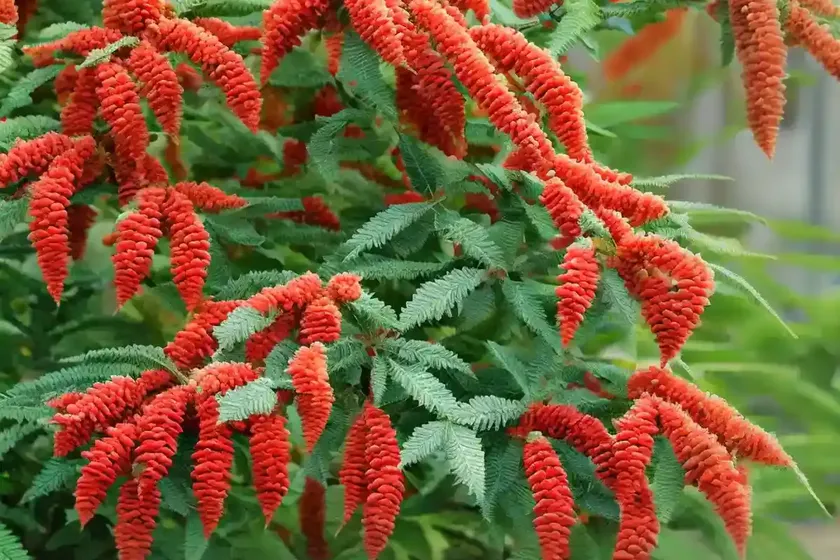
Plants have been an integral part of human life for centuries, providing food, medicine, shelter, and aesthetic beauty. One such plant that has fascinated botanists, horticulturists, and nature enthusiasts alike is the Varnish Tree, scientifically known as Rhus Verniciflua. This unique plant offers a wide array of uses, from cultural and medicinal to environmental and artistic. In this comprehensive guide, we will delve into the various aspects of the Varnish Tree, exploring its cultural significance, growth requirements, uses, and much more.
What is the Varnish Tree (Rhus Verniciflua)?
The Varnish Tree, also known as the Chinese lacquer tree, is a species of flowering plant in the family Anacardiaceae. Native to China, Japan, and Korea, this deciduous tree is renowned for its sap, which is used to produce lacquer—a durable and glossy finish applied to various materials, including wood, metal, and ceramics. The scientific name Rhus Verniciflua is derived from the Greek word “rhus,” referring to the sumac genus, and “verniciflua,” which translates to “lacquer-bearing.”
In addition to its industrial use in lacquer production, the Varnish Tree holds cultural and medicinal significance in its native regions. Its leaves, bark, and seeds have been employed in traditional medicine, while the tree itself is deeply woven into the cultural fabric of East Asia.
Let’s explore the key takeaways and various aspects of the Varnish Tree, ranging from its cultivation and growth requirements to its uses, folklore, and environmental benefits.
Key Takeaways – Varnish Tree (Rhus Verniciflua)
Culture
The Varnish Tree has a rich cultural heritage, particularly in East Asia, where it has been revered for centuries as a symbol of durability, beauty, and resilience. In Chinese culture, the lacquer derived from the Varnish Tree has been utilized in art and as a protective coating for furniture and other objects. In addition to its practical applications, the Varnish Tree holds symbolic value, often representing longevity, strength, and the cyclical nature of life.
Uses
The uses of the Varnish Tree are multifaceted, ranging from its practical applications in lacquer production to its medicinal and environmental uses. The sap of the tree is the primary source of lacquer, which has been used for millennia in artistic, decorative, and industrial contexts. Medicinally, various parts of the tree, including its leaves and seeds, have been employed in traditional East Asian medicine for their purported therapeutic properties. Furthermore, the Varnish Tree offers environmental benefits, playing a role in soil conservation and supporting wildlife habitat.
Water
The Varnish Tree generally thrives in moist, well-drained soil. Adequate water is essential, particularly during the establishment phase and in dry periods. However, it is important to avoid waterlogged conditions, as excessive moisture can lead to root rot and other issues.
Sunlight
This species typically prefers full to partial sun, thriving in locations with ample sunlight exposure. However, some shade can be beneficial, especially in areas with intense afternoon sun or during periods of extreme heat.
Fertilizer
When it comes to fertilization, the Varnish Tree generally benefits from a balanced, slow-release fertilizer applied in the spring. Organic mulch can also provide a nutrient-rich environment for the tree’s root system.
Soil
The Varnish Tree grows well in a range of soil types, including loamy, well-draining soils. It is important to avoid waterlogged or compacted soils, as these conditions can hinder the tree’s growth and overall health.
Pruning
Regular pruning can help maintain the Varnish Tree’s desirable shape and promote healthy growth. This may involve removing dead or damaged branches, shaping the tree, and managing its size to suit the available space.
Propagation
The Varnish Tree can be propagated through various methods, including seed propagation, cutting propagation, and grafting. Each method has its own set of requirements and considerations, offering gardeners and horticulturists flexibility in propagating new trees.
Container Popularity
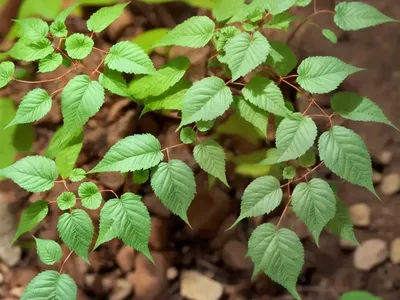
The Varnish Tree is well-suited for container growth, making it a popular choice for urban and small-space gardens. Its glossy leaves and cultural significance make it an attractive addition to patio and container gardens.
Common Diseases
While the Varnish Tree is generally resilient, it can be susceptible to certain diseases and pests. Common diseases include Phytophthora root rot and leaf spot diseases. It is important to monitor the tree for any signs of disease and take appropriate measures to prevent and manage these issues.
Disease Diagnosis
Accurately diagnosing diseases in the Varnish Tree is crucial for implementing effective treatment and management strategies. This involves identifying symptoms such as leaf discoloration, wilting, or unusual growth patterns, and conducting appropriate tests to determine the underlying cause of the issue.
Common Pests
Several pests can affect the Varnish Tree, including scale insects, caterpillars, and aphids. Regular inspection and proactive pest management can help mitigate potential damage and maintain the tree’s health.
Botanist’s Tips
Botanists recommend regular monitoring of the Varnish Tree’s growth and health, paying close attention to soil conditions, water requirements, and the presence of any pests or diseases. Additionally, understanding the tree’s ecological role and cultural significance can further enrich the gardening and horticultural experience.
Fun Facts
- The sap of the Varnish Tree has been used for over 7,000 years in East Asian lacquerware, showcasing its enduring cultural and artistic value.
- The Varnish Tree’s leaves and seeds have been utilized in traditional East Asian medicine for their purported healing properties.
- The tree’s glossy leaves and ornamental value make it a beloved choice for gardens and landscape design.
Links to External Resources
To delve deeper into the world of the Varnish Tree and its diverse facets, the following resources provide valuable insights, research studies, and practical information:
- Korea Forest Service – Varnish Tree Cultivation and Uses
- Plant Conservation Alliance – Rhus Verniciflua Fact Sheet
- United States Department of Agriculture – Rhus Verniciflua Description and Management
In conclusion, the Varnish Tree, with its cultural significance, unique properties, and diverse applications, stands as a testament to the enduring connection between plants and human civilization. Its rich history, ecological contributions, and practical uses make it a plant of great interest and value. Whether one seeks to explore its cultural significance, cultivate it in a garden setting, or utilize its resources in various applications, the Varnish Tree offers a captivating journey into the realm of botanical diversity and human interaction with the natural world.