Variegated Ivy (Hedera Helix ‘mein Herz’)
Variegated Ivy, scientifically known as Hedera Helix ‘mein Herz’, is a stunning and versatile plant appreciated for its ornamental foliage and.
Variegated Ivy, scientifically known as Hedera Helix ‘mein Herz’, is a stunning and versatile plant appreciated for its ornamental foliage and low-maintenance nature. This evergreen climber belongs to the Araliaceae family and is native to Europe, Western Asia, and Northern Africa, where it thrives in the wild as well as in cultivated landscapes. In this comprehensive care guide, we will explore the in-depth characteristics, optimal growing conditions, and various uses of the Variegated Ivy.
What is Variegated Ivy (Hedera Helix ‘mein Herz’)?
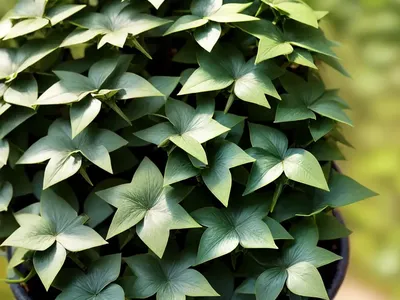
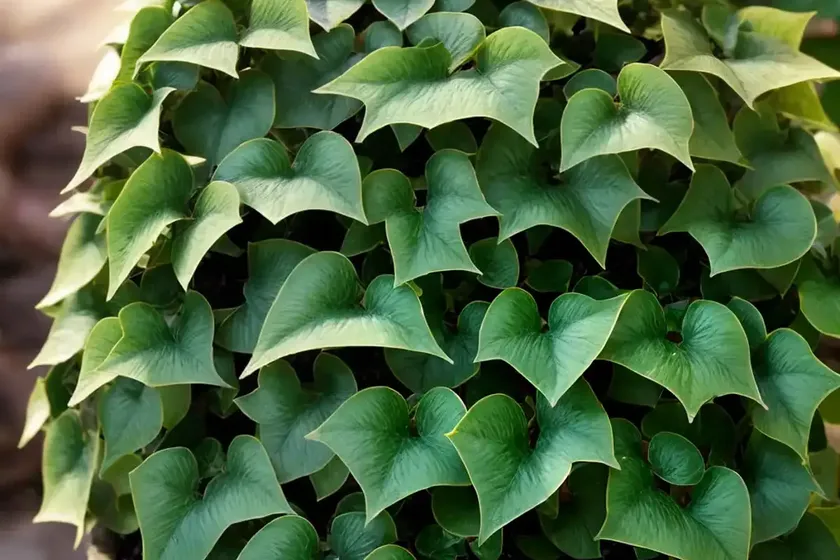
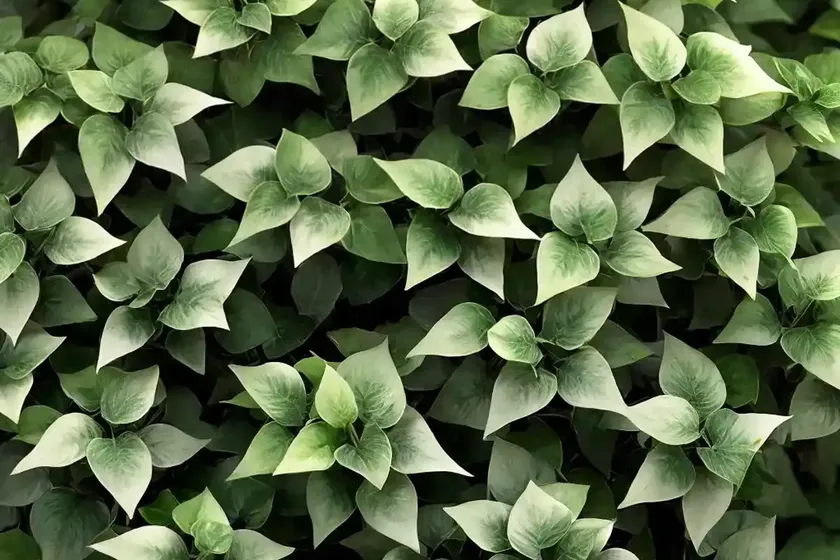
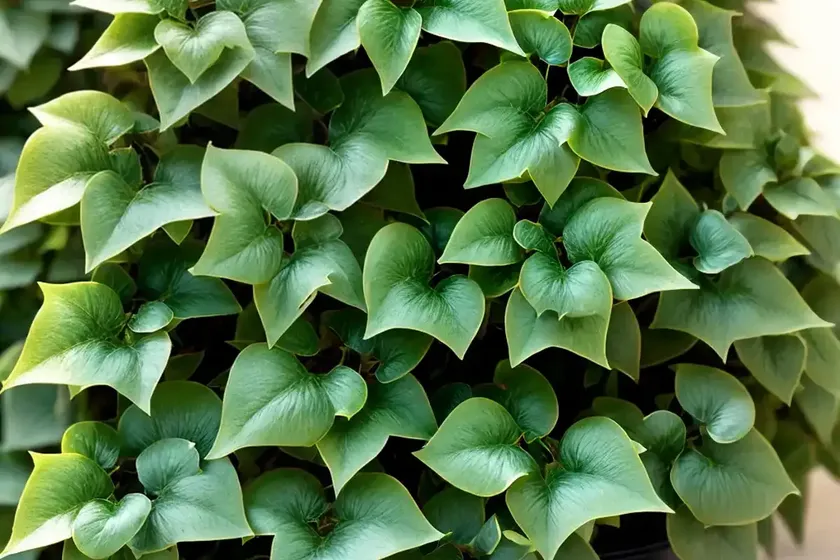
Variegated Ivy, also known as English Ivy, is a popular choice among gardeners and homeowners for its attractive foliage characterized by striking variegation and its adaptability to various environmental conditions. The ‘mein Herz’ variety of Hedera Helix is specifically cherished for its heart-shaped variegated leaves, which showcase a beautiful contrast of creamy white and deep green hues, adding a touch of elegance to any space.
Key Takeaways – Variegated Ivy (Hedera Helix ‘mein Herz’)
Before diving into the detailed care instructions and guidelines for this charming plant, let’s highlight some key takeaways that capture its essence and appeal:
- Plant Name: Variegated Ivy (Hedera Helix ‘mein Herz’)
- Botanical Family: Araliaceae
- Foliage: Variegated heart-shaped leaves with creamy white and deep green hues
- Nature: Evergreen Climber
- Uses: Ornamental purposes, indoor and outdoor décor, air purification
- Popularity: Widely appreciated for its aesthetic appeal and versatility
Now, let’s delve deeper into the essential aspects of caring for Variegated Ivy, including its cultural requirements, optimal growing conditions, as well as maintenance and propagation techniques.
Culture
Uses
Variegated Ivy holds a special place in both indoor and outdoor settings, offering a myriad of uses and benefits beyond its visual allure. Its versatility makes it suitable for various applications, such as:
- Ornamental Purposes: The striking foliage of Variegated Ivy enhances the visual appeal of any space, making it a popular choice for both indoor and outdoor décor.
- Air Purification: Known for its air-purifying qualities, Variegated Ivy is effective in removing certain indoor air pollutants, contributing to a healthier living environment.
Water
Proper watering is crucial for the health and vitality of Variegated Ivy. Being mindful of the plant’s water needs can significantly impact its growth and overall well-being. Here are some essential tips for watering Variegated Ivy:
- Moderate Moisture: Variegated Ivy thrives in moderately moist soil, so it’s important to maintain consistent moisture levels without waterlogging the roots. Allow the soil to dry slightly between watering sessions to prevent overwatering.
- Seasonal Adjustments: During the growing season, typically from spring to early fall, the plant may require more frequent watering. In contrast, reduce watering during the dormant period in winter.
Sunlight
Variegated Ivy displays adaptability to various light conditions, making it an excellent choice for different environments. Understanding its light preferences is essential for optimizing its growth and maintaining its variegated foliage. Consider the following tips for sunlight exposure:
- Indoor Placement: When grown indoors, Variegated Ivy thrives in bright, indirect light. Position it near a window or in areas with filtered sunlight to ensure adequate light exposure without direct sun exposure, which can scorch the leaves.
- Outdoor Conditions: In outdoor settings, Variegated Ivy prefers partial shade to full shade, particularly in warmer climates. Shield the plant from intense midday sun to prevent leaf damage.
Fertilizer
Fertilizing Variegated Ivy is an integral part of its care routine and contributes to robust growth and vibrant foliage. Here’s a basic guide for fertilizing this beloved plant:
- Balanced Fertilizer: Use a balanced, water-soluble fertilizer formulated for houseplants or foliage plants. Dilute the fertilizer as per the manufacturer’s instructions and apply it during the active growing season, generally from spring to early fall, at regular intervals.
Soil
The right soil composition plays a vital role in nurturing Variegated Ivy and ensuring its overall health and vigor. Consider the following insights when selecting and preparing the ideal soil for this plant:
- Well-Draining Medium: Variegated Ivy thrives in well-draining, slightly acidic soil. A peat-based potting mix with added perlite or coarse sand can provide the necessary aeration and drainage.
Pruning
Pruning is an essential aspect of Variegated Ivy maintenance, allowing for controlled growth, shaping, and rejuvenation of the plant when necessary. Follow these tips for effective pruning:
- Regular Maintenance: Trim and prune Variegated Ivy regularly to manage its growth and promote bushier, more compact growth. Focus on removing leggy or overgrown stems to maintain an attractive form.
- Propagation: Pruning also provides the opportunity to propagate new plants from cuttings, expanding your Variegated Ivy collection or sharing the beauty of this plant with others.
Propagation
Propagating Variegated Ivy through cuttings is a rewarding and straightforward process that allows you to create new plants and share the charm of this foliage-rich specimen. Here’s a simple guide to propagating Variegated Ivy:
- Stem Cuttings: Take 4-6 inch stem cuttings from healthy, mature Variegated Ivy plants. Remove the lower leaves from the cut end and place the cutting in a jar of water or directly in a potting mix.
- Root Development: The cuttings will develop roots within a few weeks. Once roots are established, transplant the new plants into individual pots or outdoor locations, if desired.
Container Popularity
Variegated Ivy’s popularity as a container plant stems from its adaptability to confined spaces and its ability to thrive in indoor environments. Its vibrant foliage and low-maintenance nature make it an attractive choice for container gardening enthusiasts, adding a touch of natural beauty to patios, balconies, and interiors.
Common Diseases
While Variegated Ivy is generally resilient, it can be susceptible to certain diseases under unfavorable conditions. Recognizing common diseases and their symptoms is essential for promoting the plant’s health and addressing issues promptly.
Disease Diagnosis
- Root Rot: Overwatering and waterlogged soil can lead to root rot in Variegated Ivy, causing wilting, yellowing leaves, and stunted growth. Adjust the watering schedule and ensure proper drainage to prevent this condition.
- Powdery Mildew: In humid conditions, Variegated Ivy may develop powdery mildew, presenting as a white, powdery substance on the leaves. Improve air circulation and avoid overhead watering to mitigate this issue.
Common Pests
Variegated Ivy may encounter certain pests that can affect its vitality and appearance. Understanding these common pests and implementing appropriate control measures is crucial for maintaining the plant’s health.
Botanist’s Tips
- Regular Inspection: Periodically inspect Variegated Ivy for signs of pests or diseases, allowing for early detection and prompt intervention.
- Integrated Pest Management: Employ cultural and biological control methods, such as maintaining a clean growing environment, introducing natural predators, and using organic pest management products, to combat common pests effectively.
Fun Facts
- Symbolism: Variegated Ivy is often associated with symbolism related to eternity, fidelity, and strong affection, making it a popular choice for wedding bouquets and decorations.
- Medicinal Properties: While primarily valued for its ornamental qualities, certain compounds in Ivy, including those found in Variegated Ivy, have been traditionally used in herbal medicine for their potential therapeutic benefits.
Links to External Resources
To complement the information shared in this comprehensive care guide, consider exploring the following resources for additional insights and perspectives on Variegated Ivy (Hedera Helix ‘mein Herz’):
- Royal Horticultural Society – Growing Ivy
- University of Florida IFAS Extension – English Ivy
- Mississippi State University Extension – Propagation of Foliage Plants
- American Society for the Prevention of Cruelty to Animals – Toxic and Non-Toxic Plants: English Ivy
In conclusion, Variegated Ivy (Hedera Helix ‘mein Herz’) stands as a captivating and adaptable plant that embodies timeless elegance and offers a range of practical benefits for both indoor and outdoor settings. By understanding its cultural requirements, incorporating best practices for care and maintenance, and leveraging its unique features, enthusiasts and gardeners can truly appreciate the charm and versatility of this beloved plant.
Now, with a comprehensive overview of Variegated Ivy’s care regime and significance, we have effectively covered its cultural, uses, watering, sunlight, fertilizer, soil, pruning, propagation, container popularity, common diseases, disease diagnosis, common pests, botanist’s tips, fun facts, and provided links to external resources. If you crave any further information or details, feel free to contact us.