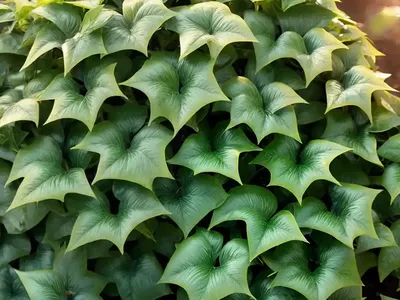
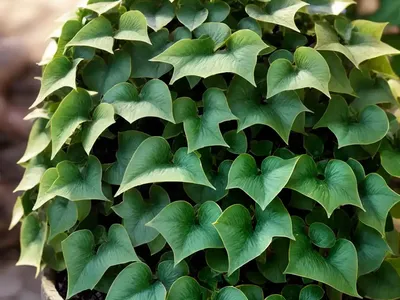
Algerian Ivy (Hedera Algeriensis)
What is Algerian Ivy (Hedera algeriensis)? Algerian ivy, scientifically known as Hedera algeriensis , is a stunning evergreen vine prized for its lush.
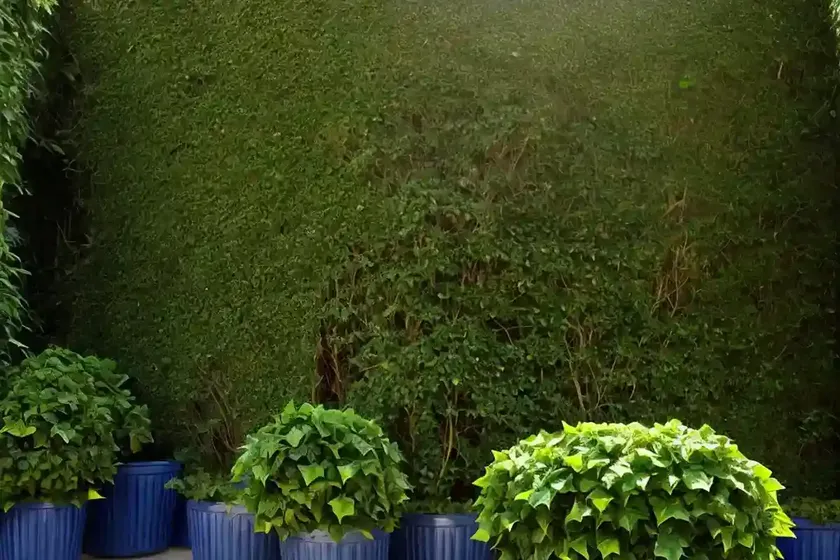
What is Algerian Ivy (Hedera algeriensis)?
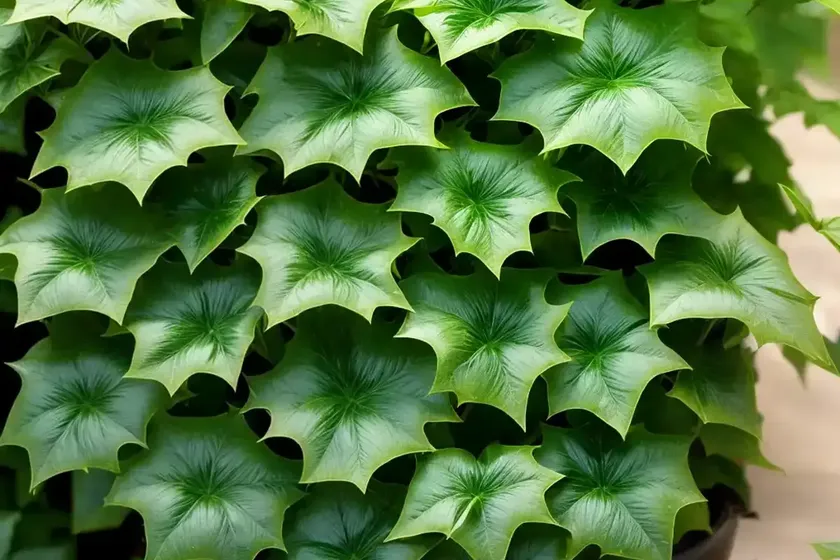
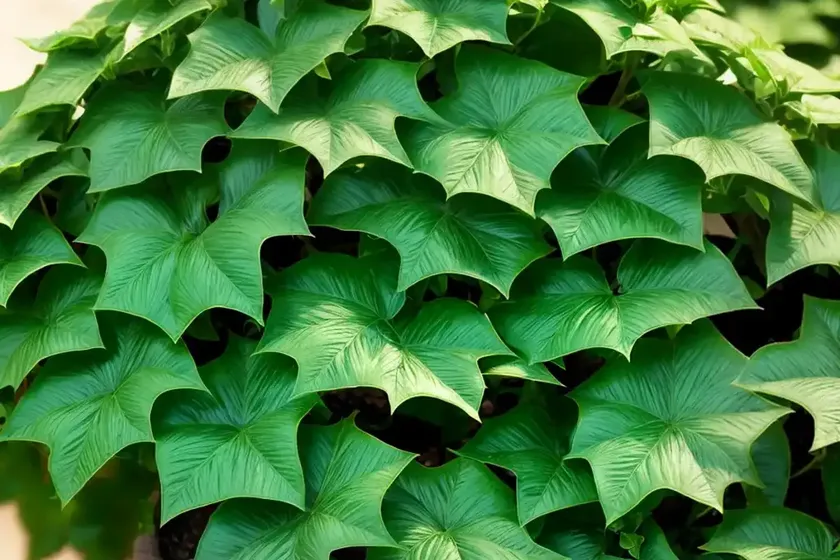
Algerian ivy, scientifically known as Hedera algeriensis, is a stunning evergreen vine prized for its lush, glossy foliage, and versatile growth habits. It is known for its vigorous climbing, trailing, or ground-covering capabilities, making it a popular choice for both indoor and outdoor spaces. Algerian ivy thrives in various growing conditions, and its versatility makes it a favorite among gardeners and landscape enthusiasts.
Key Takeaways – Algerian Ivy (Hedera algeriensis)
Culture
- Botanical Name: Hedera algeriensis
- Common Name: Algerian ivy
- Plant Type: Evergreen vine
- Mature Size: Up to 12 inches (30cm) tall and spreading indefinitely
- Sunlight: Partial to full shade
- Watering: Moderate to high, keep soil consistently moist
- Soil Type: Well-draining, fertile soil
- Fertilization: Monthly during the growing season
- Pruning: Regular pruning to maintain shape and control growth
- Propagation: Stem cuttings, division
- Toxicity: Toxic to pets if ingested
Uses
- Ground cover
- Trailing plant
- Climbing vine
- Indoor plant
- Outdoor plant
- Hanging plant
- Erosion control
- Privacy screening
- Pollinator gardens
- Vertical gardening
- Air purification
Water
- Keep the soil consistently moist, especially during the growing season.
- Water thoroughly when the top inch of soil becomes dry to the touch.
- Avoid overwatering, which can lead to root rot.
Sunlight
- Prefers partial to full shade.
- Avoid direct, intense sunlight, especially during the hottest parts of the day.
- Can tolerate some morning sun but should be shielded from harsh afternoon rays.
Fertilizer
- Apply a balanced liquid fertilizer monthly during the growing season (spring through early fall).
- Dilute the fertilizer to half the recommended strength to prevent fertilizer burn.
Soil
- Plant in well-draining, fertile soil.
- A blend of peat moss, perlite, and compost works well for container planting.
- Outdoors, amend heavy clay soils with organic matter to improve drainage.
Pruning
- Regularly prune to maintain the desired shape and size.
- Trim back overgrown or unruly growth to keep the plant tidy.
- Sterilize pruning tools to prevent the spread of diseases.
Propagation
- Algerian ivy can be propagated through stem cuttings or division.
- Place the stem cuttings in water or a light, well-draining propagation mix until roots develop.
- Division can be done during the spring when repotting the plant.
Container Popularity
- Algerian ivy is highly popular as a container plant due to its trailing and cascading growth habit.
- It can be grown in hanging baskets, tall containers for vertical gardening, or as a trailing accent in mixed containers.
Common Diseases
- Leaf Spot: Caused by a fungus, resulting in brown spots on the foliage.
- Anthracnose: Causes dark, sunken lesions on leaves and stems.
- Botrytis Blight: Gray mold that appears on plant tissue during cool, wet conditions.
Disease Diagnosis
- Regularly inspect the foliage and stems for any signs of discoloration, spots, or lesions.
- Monitor the plant for changes in growth and vigor, as diseased plants may exhibit stunted growth.
Common Pests
- Aphids: Small, pear-shaped insects that cluster on new growth and feed on plant sap.
- Spider Mites: Tiny arachnids that cause stippling on leaves and create fine webbing on the plant.
- Scale Insects: Small, immobile insects that attach themselves to the stems and feed on plant sap.
Botanist’s Tips
- Growth Habit: Utilize Algerian ivy’s versatile growth habit to create stunning vertical gardens, privacy screens, and hanging baskets.
- Propagation: Take advantage of its ease of propagation to expand your plant collection or share it with friends and family.
- Pollinator Gardens: Use Algerian ivy in pollinator gardens to attract beneficial insects and support local ecosystems.
Fun Facts
- Algerian ivy is commonly used in historical gardens for its timeless beauty and resilience.
- Its trailing nature makes it a popular choice for hanging baskets and elevated planters.
- The plant’s glossy leaves provide a sophisticated touch to indoor and outdoor spaces.
Links to External Resources
- The Spruce: Algerian Ivy Plant Profile
- Horticulture Week: Algerian Ivy as Ground Cover
- Gardeners’ World: How to Grow Algerian Ivy
- RHS: Algerian Ivy
- Gardening Know How: Algerian Ivy Care
In conclusion, Algerian ivy, with its adaptable nature and stunning foliage, is a valuable addition to any garden or indoor space. By adhering to its specific care requirements and considering its various uses, you can enjoy the beauty and benefits of this remarkable plant. Whether used as a ground cover, trailing accent, or climbing vine, Algerian ivy brings lush greenery and elegance to any environment.
Remember to tailor your care and cultivation practices based on the unique conditions of your growing environment, and your Algerian ivy will reward you with its enduring beauty and graceful presence.