Vanda Tricolor (Soft Vanda)
Plants undoubtedly bring a sense of beauty and serenity to our lives. The Soft Vanda, scientifically known as Vanda tricolor, is one such captivating plant.
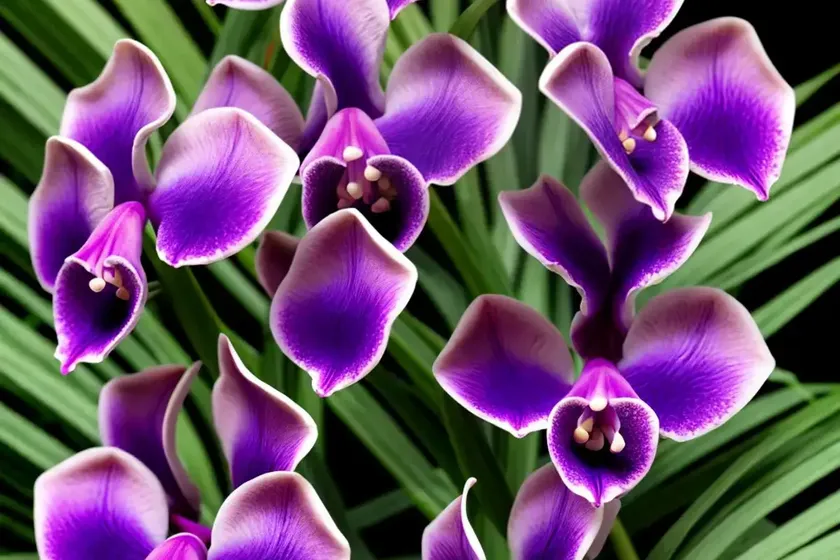
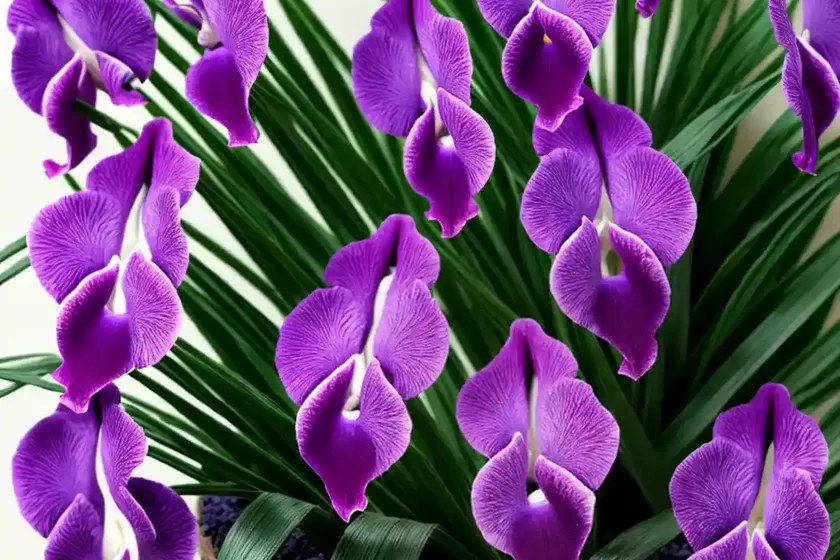
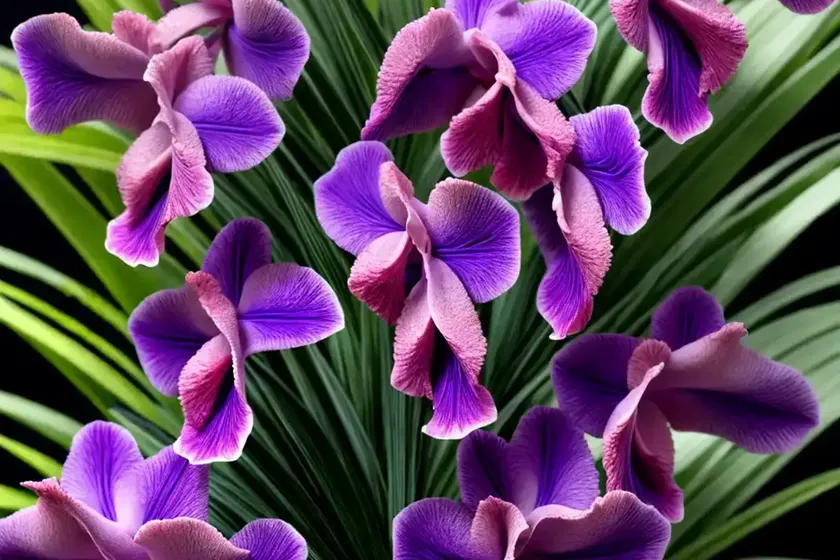
Plants undoubtedly bring a sense of beauty and serenity to our lives. The Soft Vanda, scientifically known as Vanda tricolor, is one such captivating plant that is celebrated for its stunning blooms and unique characteristics. This complete guide will take you through the essential aspects of the Soft Vanda plant, including its care, uses, cultivation, common diseases, and much more!
What is Vanda tricolor?
Vanda tricolor, commonly referred to as the Soft Vanda, is an enchanting species of orchid that belongs to the Vanda genus. The Vanda genus is renowned for its vibrant and alluring blooms, and the Vanda tricolor is no exception. Originating from the tropical regions of Asia, including countries like India, Thailand, and the Philippines, this orchid species is characterized by its delicate, yet vibrant flowers and unique growing requirements.
Key Takeaways – Vanda tricolor (Soft Vanda)
Before delving into the specifics of caring for the Soft Vanda plant, let’s take a look at the key takeaways regarding this exquisite orchid.
- Scientific Name: Vanda tricolor
- Common Name: Soft Vanda
- Plant Family: Orchidaceae
- Native Habitat: Tropical regions of Asia, including India, Thailand, and the Philippines
- Primary Uses: Ornamental, medicinal in traditional practices
- Blooming Season: Typically blooms during the spring and summer
- Distinctive Feature: Airy, colorful flowers with a captivating fragrance
Now, let’s explore the various aspects of caring for the Soft Vanda, ranging from its cultural requirements to common diseases and pests that affect its health.
Culture
Understanding the cultural requirements of the Vanda tricolor is essential for ensuring its optimal growth and vibrant blooms. Here are the key cultural aspects to consider when caring for the Soft Vanda plant:
Water
- Watering Frequency: Vanda tricolor orchids have a unique watering requirement. They prefer frequent watering, especially during the active growing season, as they are epiphytic orchids.
- Water Quality: It’s essential to use distilled or rainwater, as the Soft Vanda is sensitive to chemicals and impurities found in tap water.
- Hydration Method: Many enthusiasts opt for the “soak and dry” method, where the plant is submerged in water for a brief period and then allowed to dry out completely before the next watering session.
Sunlight
- Light Requirement: Soft Vanda orchids thrive in bright, indirect light. They should be placed in a location where they receive plenty of light without being exposed to direct sunlight, which can scorch their delicate foliage.
Fertilizer
- Fertilization Schedule: During the growing season, which typically aligns with the spring and summer months, it’s crucial to feed the Vanda tricolor with a balanced orchid fertilizer once every two weeks.
- Nutrient Balance: Look for a fertilizer with an N-P-K ratio of 20-20-20 or similar, ensuring that it provides essential nutrients for healthy growth and vibrant blooms.
Soil
- Growing Medium: As epiphytic orchids, Vanda tricolor plants don’t grow in soil. They are typically cultivated on mounts or placed in orchid baskets or pots with a highly aerated growing medium such as orchid bark, sphagnum moss, or a combination of the two.
Pruning
Pruning is an essential aspect of Soft Vanda care, especially when it comes to maintaining the health and appearance of the plant. Here are some key pruning techniques and considerations for Vanda tricolor:
- Blooms: Once the blooms start to fade, it’s advisable to prune the flower spikes to redirect the plant’s energy back into its growth rather than seed production.
- Aerial Roots: Vanda tricolor orchids are renowned for their extensive aerial roots, which play a vital role in nutrient absorption. Trimming dead or decaying aerial roots helps the plant direct its energies toward healthy root growth and overall vitality.
Propagation
Propagating Vanda tricolor orchids can be an exciting endeavor for enthusiasts looking to expand their collection or share the beauty of this orchid species with others. Here’s a brief overview of Soft Vanda propagation:
- Keiki Production: Soft Vanda orchids often produce keikis, or baby plants, along the length of their flower spikes. These keikis can be carefully removed and potted individually to yield new plants.
- Division: Another propagation method involves dividing a mature Vanda tricolor plant into smaller sections, ensuring that each division has a sufficient number of healthy roots to support its growth.
Container Popularity
When it comes to cultivating Vanda tricolor orchids, the choice of container can significantly impact the plant’s well-being and growth. Here’s a look at the popular container options for Soft Vanda cultivation:
- Orchid Baskets: Many growers prefer to cultivate Vanda tricolor in specially designed orchid baskets, allowing for ample air circulation and drainage.
- Mounted Cultivation: Mounting Vanda tricolor orchids on driftwood, tree fern poles, or other suitable materials mimics their natural epiphytic habitat and promotes healthy root growth.
Common Diseases
While Vanda tricolor orchids are relatively resilient, they can still fall victim to certain diseases that can affect their overall health and blooming potential. Here are some of the common diseases and their diagnosis when it comes to Soft Vanda care:
Disease Diagnosis
- Bacterial and Fungal Infections: Symptoms include water-soaked lesions on leaves, stem rot, and a foul odor. Proper diagnosis often involves laboratory testing to identify the specific pathogen causing the disease.
- Viral Diseases: Yellowing of leaves, stunted growth, and abnormal patterns on foliage can indicate viral infections. However, viral diseases in orchids can be challenging to diagnose accurately without specialized testing.
Common Pests
Soft Vanda orchids can attract a variety of pests that may compromise their health and vigor. Understanding the common pests and their control measures is essential for ensuring the well-being of your Vanda tricolor plants. Here are some prevalent pests that may affect Soft Vanda orchids:
- Aphids: These small, sap-sucking insects can cause foliage distortion and decreased plant vigor. Regular inspections and the use of insecticidal soaps can help manage aphid infestations.
- Scale Insects: Scale insects, which appear as small oval or round growths on leaves and stems, can be controlled through manual removal and the application of horticultural oils.
Botanist’s Tips
To help you further enhance your Soft Vanda care skills, here are some valuable tips from seasoned botanists and orchid enthusiasts:
- Optimal Air Circulation: Providing adequate air circulation around Vanda tricolor plants is crucial for preventing fungal and bacterial diseases and promoting healthy growth.
- Humidity Management: Maintaining the right humidity levels, typically between 50-70%, is essential for the well-being of Soft Vanda orchids, especially in home environments.
Fun Facts
Dive into the fascinating world of Vanda tricolor with these intriguing fun facts:
- Cultural Significance: Vanda tricolor holds cultural significance in several Asian countries, where it is often used in traditional ceremonies and celebrations.
- Fragrance: Some varieties of Vanda tricolor produce fragrant blooms, adding an extra dimension to their allure.
Links to External Resources
Expand your knowledge of Vanda tricolor and orchid care through these external resources:
- American Orchid Society: Explore a wealth of information on orchids, including care guides and insightful articles.
- Royal Horticultural Society: Access expert advice on orchid cultivation and join a community of passionate gardeners.
In conclusion, Vanda tricolor, or the Soft Vanda, is a remarkable orchid species that captivates enthusiasts and botanists alike with its vibrant blooms and unique cultural significance. By understanding and implementing the essential care techniques and cultural requirements outlined in this comprehensive guide, you can embark on a rewarding journey of nurturing and appreciating the beauty of the Soft Vanda.
Whether you are an experienced orchid enthusiast or just beginning your orchid-growing endeavors, the Soft Vanda is sure to enrich your botanical pursuits with its distinctive charm and elegant presence.
Remember, nurturing Vanda tricolor is not just about caring for a plant; it’s about fostering a connection with nature and embracing the wondrous diversity of the plant kingdom.
Happy Growing!


