Vanda Sanderiana (Waling-Waling)
Vanda sanderiana, more commonly known as Waling-Waling, is a stunning and highly revered orchid species native to the Philippines. Its elegant, colorful.
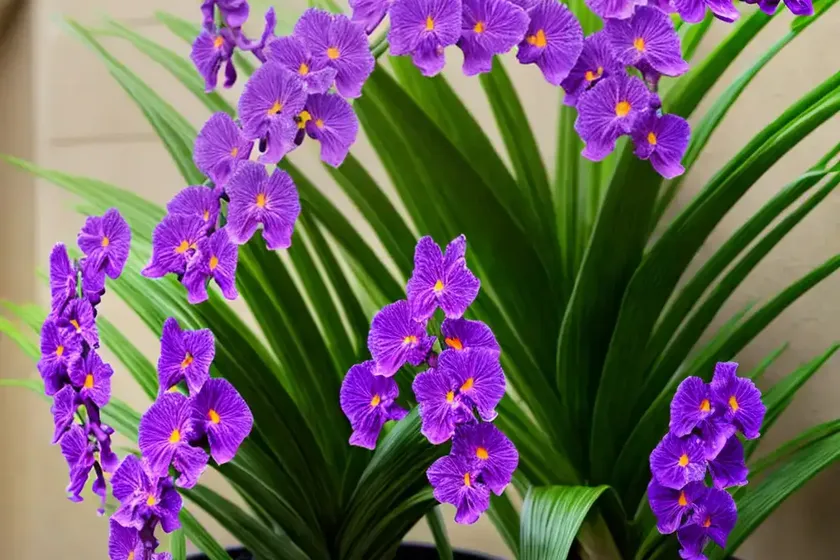
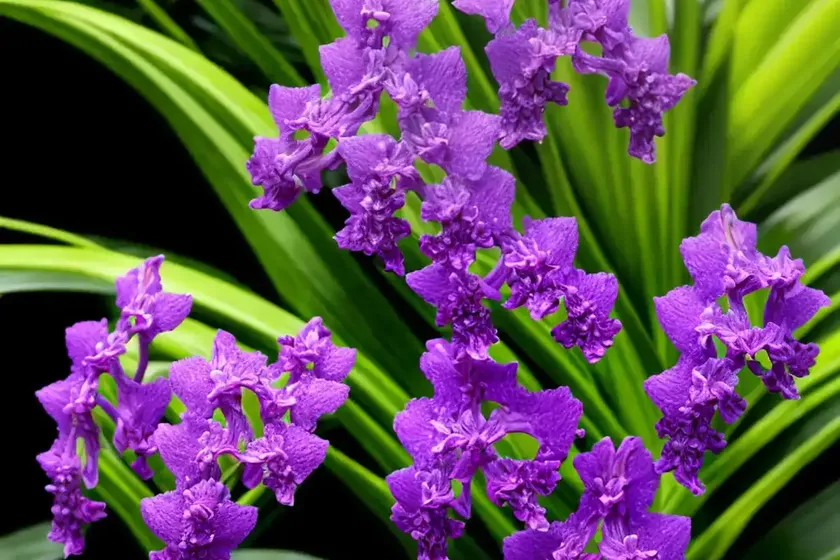
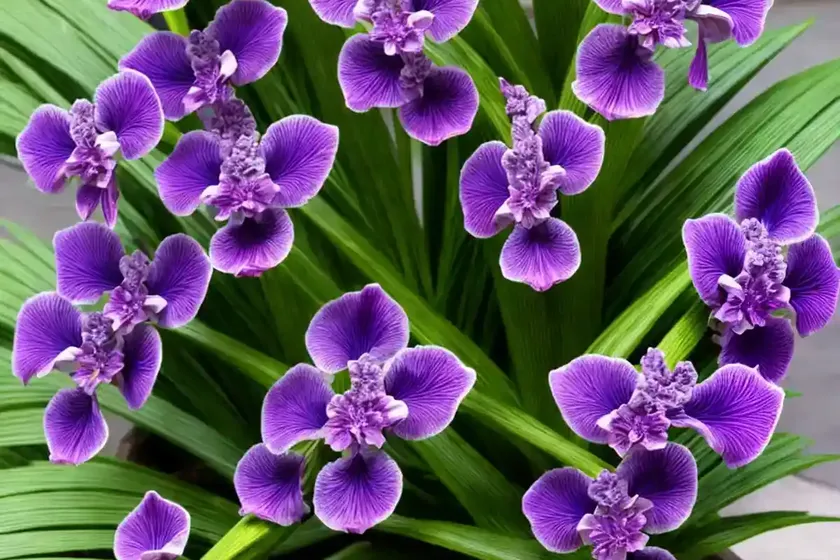
Vanda sanderiana, more commonly known as Waling-Waling, is a stunning and highly revered orchid species native to the Philippines. Its elegant, colorful flowers and cultural significance have earned it the title of “Queen of Philippine Orchids.” In this comprehensive guide, we will explore the fascinating world of Vanda sanderiana, diving into its cultural uses, care requirements, propagation techniques, common diseases, and much more. Whether you’re a seasoned orchid enthusiast or just beginning your journey with these extraordinary plants, this article will provide valuable insights into the captivating world of Vanda sanderiana.
What is Vanda sanderiana (Waling-Waling)?
Vanda sanderiana, named after the renowned orchidologist Henry Frederick Conrad Sander, is a species of orchid that belongs to the genus Vanda. This epiphytic orchid is known for its striking and fragrant flowers, which come in a variety of colors including purple, pink, and white. The Waling-Waling orchid holds significant cultural and historical importance in the Philippines, where it is considered a symbol of love, beauty, and luxury.
Key Takeaways – Vanda sanderiana (Waling-Waling)
Before delving into the intricate details of Vanda sanderiana care and cultivation, let’s highlight key takeaways that will guide us through the various aspects of growing and appreciating this magnificent orchid species.
Culture
- The cultural significance of Vanda sanderiana as the “Queen of Philippine Orchids”
- Its role in traditional ceremonies and floral arrangements in the Philippines
- The Waling-Waling orchid’s representation of love, beauty, and luxury in Filipino culture
Uses
- The utilization of Vanda sanderiana in ornamental horticulture and floral arrangements
- Its historical and contemporary significance in religious and cultural ceremonies
Water
- Understanding the optimal watering practices for Vanda sanderiana to maintain healthy growth and blooming
Sunlight
- The sunlight requirements for cultivating Vanda sanderiana and ensuring robust flower production
Fertilizer
- Selecting suitable fertilizers and understanding the nutritional needs of Vanda sanderiana
Soil
- Exploring the unique soil requirements for epiphytic orchids like Vanda sanderiana
Pruning
- The importance of pruning to maintain the health and appearance of Vanda sanderiana
Propagation
- Exploring the various propagation methods for expanding Vanda sanderiana orchid collections
Container
- Selecting appropriate containers and potting media for growing Vanda sanderiana
Popularity
- Unveiling the global popularity of Vanda sanderiana in the orchid cultivation community
Common Diseases
- Identifying and managing common diseases that affect Vanda sanderiana
Common Pests
- Understanding the pests that may target Vanda sanderiana and effective pest control measures
Botanist’s Tips
- Expert insights and tips from botanists for successfully growing and nurturing Vanda sanderiana
Fun Facts
- Discovering intriguing and little-known facts about Vanda sanderiana that add to its allure
Now that we’ve outlined the essential topics we’ll cover, let’s embark on a captivating journey into the world of Vanda sanderiana.
Vanda sanderiana (Waling-Waling) Care and Cultivation
Caring for Vanda sanderiana requires a nuanced understanding of its natural habitat and specific growth requirements. The following sections will delve into the intricate details of cultivating this regal orchid species, offering valuable insights for enthusiasts and horticulturists alike.
Vanda sanderiana Water Requirements
Watering Vanda sanderiana orchids is a critical aspect of their care regimen. As epiphytic plants that naturally grow on trees, Vanda sanderiana exhibits unique water requirements compared to terrestrial plants. Here are some essential tips for watering these stunning orchids:
- Frequency: Vanda sanderiana typically requires frequent watering due to its epiphytic nature. As a general guideline, consider watering your plant every 2-3 days during the growing season, ensuring that the potting medium doesn’t completely dry out.
- Water Quality: Use tepid, clean, and chlorine-free water to avoid damaging the sensitive roots of Vanda sanderiana. Rainwater or filtered water is ideal for providing the necessary hydration without subjecting the orchid to harsh chemicals.
- Drainage: Adequate drainage is crucial to prevent waterlogged conditions. Utilize well-draining potting media and containers with ample drainage holes to facilitate the swift removal of excess water.
Sunlight Requirements for Vanda sanderiana
In their natural habitat, Vanda sanderiana orchids thrive in bright, indirect sunlight, often receiving dappled or filtered light under the canopy of trees. When cultivating these orchids in artificial environments, it’s essential to replicate these light conditions to support healthy growth and prolific flowering. Consider the following points regarding sunlight exposure for Vanda sanderiana:
- Optimal Light Levels: Provide Vanda sanderiana with bright, indirect light for approximately 6-8 hours per day. Avoid placing the orchids in direct sunlight, especially during the hottest hours, as this can lead to sunburn and leaf damage.
- Artificial Lighting: In indoor settings, consider utilizing grow lights or supplemental lighting to ensure that Vanda sanderiana receives adequate light intensity. LED grow lights are a popular choice for providing the specific light spectrum required for orchid cultivation.
Fertilizing Vanda sanderiana Orchids
Proper fertilization is essential for promoting robust growth and vibrant blooms in Vanda sanderiana. As epiphytic orchids with distinct nutritional needs, understanding the principles of fertilizing these plants is crucial for their overall health and flowering performance. Consider the following guidelines when fertilizing Vanda sanderiana orchids:
- Frequency: During the active growing season, which typically coincides with the warmer months, fertilize Vanda sanderiana every 2-3 weeks. Reduce the frequency to once a month during the dormant phase or in cooler environments.
- Fertilizer Type: Utilize a balanced orchid fertilizer, such as a 20-20-20 or 15-15-15 formula, diluted to half or quarter strength. Alternatively, opt for specialized orchid fertilizers designed for epiphytic orchids.
Choosing the Right Potting Mix for Vanda sanderiana
Given their epiphytic nature, Vanda sanderiana orchids require a specialized potting mix that offers adequate aeration, moisture retention, and support for their aerial roots. Traditional potting soil is not suitable for these orchids, as it can lead to root suffocation and waterlogging. Here are some key considerations for selecting the ideal potting mix for Vanda sanderiana:
- Orchid-Specific Mix: Utilize a well-draining, orchid-specific potting mix that is formulated for epiphytic orchids. These mixes typically contain components such as fir bark, sphagnum moss, perlite, and charcoal, providing the ideal balance of aeration and moisture retention.
- Aeration and Drainage: Ensure that the potting mix facilitates ample aeration and drainage to prevent the accumulation of excess moisture around the orchid’s roots. Good airflow around the roots is essential for preventing rot and maintaining overall root health.
Pruning Vanda sanderiana Orchids
Pruning is an integral part of maintaining the health, aesthetics, and productivity of Vanda sanderiana orchids. Regular pruning helps to remove spent blooms, damaged foliage, and encourages new growth. Additionally, pruning plays a role in managing the size and shape of the plant. Consider the following pruning techniques for Vanda sanderiana:
- Removing Spent Blooms: Once the flowers of Vanda sanderiana have faded, carefully trim the flower spikes close to the base of the plant. Use sterile pruning shears or scissors to avoid introducing pathogens to the cut surfaces.
- Trimming Dead or Yellowing Leaves: Periodically inspect the foliage of Vanda sanderiana for any dead or yellowing leaves. Gently remove these leaves to maintain the overall vitality and appearance of the plant.
Propagating Vanda sanderiana
Expanding your collection of Vanda sanderiana orchids through propagation can be a rewarding and fascinating endeavor. There are several methods of propagating these orchids, each with its unique advantages and considerations. Explore the following propagation techniques for Vanda sanderiana:
- Division: Dividing mature Vanda sanderiana plants is a common method of propagation. Carefully separate the clumps of the plant, ensuring that each division has a sufficient number of healthy pseudobulbs and roots to support its growth.
- Keiki Production: Vanda sanderiana, like many other orchid species, can produce keiki, or small plantlets, along the flower spike or at the base of the plant. These keiki can be carefully removed and potted separately once they have developed sufficient roots and leaves.
Container Selection for Vanda sanderiana Orchids
Choosing the right containers for growing Vanda sanderiana is essential for maintaining optimal growing conditions and providing the necessary support for the orchids. Consider the following factors when selecting containers for these stunning orchids:
- Adequate Drainage: Ensure that the containers have sufficient drainage holes to prevent waterlogging and promote healthy root growth. Elevated slatted or mesh containers allow for excellent aeration and drainage.
- Size and Stability: Select containers that accommodate the expansive root systems of Vanda sanderiana while providing stability to prevent toppling. Hanging baskets and slatted containers are popular choices for these epiphytic orchids.
Popularity of Vanda sanderiana (Waling-Waling)
Vanda sanderiana, with its exquisite flowers and rich cultural significance, has earned widespread popularity among orchid enthusiasts, horticulturists, and collectors across the globe. Its elegant appearance, combined with the allure of its cultural heritage, has positioned the Waling-Waling orchid as an esteemed and sought-after species in the world of orchid cultivation and admiration.
Orchid Shows and Exhibitions
Vanda sanderiana often takes center stage at orchid shows and exhibitions, where its captivating blooms draw admirers and accolades. Its presence in such events not only showcases the natural beauty of the orchid but also serves as a testament to the dedication and expertise of the growers and enthusiasts who cultivate and showcase these remarkable plants.
Horticultural Displays
In botanical gardens, conservatories, and horticultural displays, Vanda sanderiana frequently commands attention with its resplendent displays of flowers. The orchid’s vibrant colors, elegant form, and fragrant blooms contribute to its enduring popularity as a focal point in diverse horticultural settings.
Collector’s Choice
Orchid collectors and enthusiasts hold Vanda sanderiana in high esteem, often seeking out rare and exceptional specimens to enrich their collections. This widespread admiration and pursuit of outstanding Waling-Waling orchids attest to the species’ enduring appeal and desirability within the orchid cultivation community.
Common Diseases of Vanda sanderiana
While Vanda sanderiana is generally resilient when provided with suitable growing conditions, it is not immune to certain diseases that can affect orchid plants. Understanding these potential ailments and their corresponding symptoms is crucial for preemptive management and effective treatment. Let’s explore some common diseases that may afflict Vanda sanderiana:
Bacterial and Fungal Infections
- Symptoms: Yellowing or browning of leaves, soft and water-soaked spots on foliage, black or dark brown lesions on pseudobulbs or roots.
- Management: Improve ventilation to reduce moisture levels, promptly remove affected plant parts, consider the application of appropriate fungicides or bactericides as prescribed.
Viral Infections
- Symptoms: Mottling or discoloration of leaves, stunted growth, distorted or deformed foliage.
- Management: As viral infections have no direct cure, prevention through the elimination of infected plants and the use of disease-free propagation material is vital.
Root Rot
- Symptoms: Soft, mushy, or discolored roots, wilting foliage, decline in overall plant health.
- Management: Review watering practices to ensure adequate drainage and airflow, repot in fresh, well-draining media, consider the use of fungicidal treatments if root rot is detected.
Pseudomonas and Xanthomonas Bacterial Blight
- Symptoms: Watery lesions on leaves, pseudobulbs, or flowers, rapid wilting and decline, bacterial ooze from affected areas.
- Management: Isolate infected plants to prevent spread, disinfect tools and containers, employ copper-based bactericides as recommended.
Diagnosis of Diseases in Vanda sanderiana
Accurately diagnosing diseases in Vanda sanderiana is instrumental in implementing timely and effective measures to safeguard the plants’ health and vitality. When observing abnormal symptoms or changes in the appearance of the orchids, conducting a systematic assessment can help pinpoint potential diseases and guide appropriate intervention. Consider the following steps in diagnosing diseases in Vanda sanderiana:
-
Symptom Observation: Carefully observe the overall appearance of the plant, noting any changes in foliage color, texture, or structure. Look for lesions, discolorations, or unusual growth patterns.
-
Root Examination: Inspect the roots of Vanda sanderiana for any signs of rot, discoloration, or decay. Healthy roots should appear firm, succulent, and green or white, depending on the species.
-
Environmental Review: Evaluate the growing conditions, including light exposure, humidity levels, and watering practices. Environmental stressors can make plants more susceptible to diseases.
-
Pathogen Identification: If visible symptoms indicate a potential pathogen, consider examining affected areas under a microscope or consulting with a plant pathologist for precise identification.
-
Treatment Assessment: Once the disease is identified, assess the appropriate treatment options, considering cultural modifications, sanitation practices, and, if necessary, the use of fungicides or bactericides as per the specific disease.
By meticulously assessing the symptoms, environmental factors, and potential pathogens affecting Vanda sanderiana, growers can adopt targeted strategies to mitigate the spread of diseases and preserve the health of their cherished orchids.
Common Pests Affecting Vanda sanderiana
In addition to diseases, Vanda sanderiana may encounter various pests that can compromise their growth and overall well-being. Vigilant monitoring and proactive management are essential in mitigating pest infestations and preserving the vitality of these graceful orchids. Let’s explore some common pests that may affect Vanda sanderiana:
Mealybugs
- Identification: Small, cottony, or waxy clusters on leaves, pseudobulbs, or roots, accompanied by honeydew secretion.
- Management: Physically remove visible mealybugs, apply horticultural oils or insecticidal soaps, introduce natural predators such as ladybugs or lacewings if feasible.
Scale Insects
- Identification: Hard, shell-like protectants on stems, leaves, or roots, often appearing as raised bumps of various colors.
- Management: Remove scales manually, monitor for any residual populations, consider systemic insecticides if infestations persist.
Spider Mites
- Identification: Fine webbing on the undersides of leaves, stippling or discoloration on foliage, diminished plant vigor.
- Management: Increase humidity levels, apply miticides or insecticidal soaps, isolate infested plants to prevent the spread of mites.
Aphids
- Identification: Clusters of small, soft-bodied insects on new growth, curled or distorted leaves, honeydew production.
- Management: Physically remove aphids, employ insecticidal soaps or neem oil, introduce natural predators if available.
By remaining attentive to the presence of these pests, implementing preventive measures, and promptly addressing infestations, growers can effectively safeguard their Vanda sanderiana orchids from the detrimental effects of pest activity.
Botanist’s Tips for Growing Vanda sanderiana
Drawing upon the expertise of botanists and orchid specialists, we can gain valuable insights and practical recommendations for successfully nurturing Vanda sanderiana in diverse growing environments. These expert tips encompass a range of topics, including watering, lighting, fertilization, and overall care practices tailored to the specific requirements of Vanda sanderiana.
1. Watering Best Practices
- Expert Insight: “For Vanda sanderiana, maintaining consistent moisture levels is crucial. Monitor the potting media to ensure it remains adequately hydrated, particularly during periods of active growth and flowering. Aim to water in the morning, allowing the plant to dry out by evening, promoting healthy root and aerial growth.”
2. Light Management
- Expert Insight: “Providing adequate light is essential for the vigor and blooming of Vanda sanderiana. In indoor settings, consider placing the orchids near east or west-facing windows to benefit from gentle morning or afternoon light. Be cautious of direct midday sun, as excessive heat can be detrimental to the orchids.”
3. Fertilization Wisdom
- Expert Insight: “Choose a balanced, water-soluble orchid fertilizer with a slightly higher nitrogen content to support the lush foliage and robust growth of Vanda sanderiana. Dilute the fertilizer to half strength and apply during each watering session, adjusting the frequency based on the plant’s growth stage and environmental conditions.”
By integrating these botanist-approved tips into the care regimen for Vanda sanderiana, growers can optimize the health and flowering potential of these magnificent orchids, fostering a rewarding and fulfilling cultivation experience.
Fun Facts About Vanda sanderiana
Uncovering the captivating and often enigmatic aspects of Vanda sanderiana adds depth and intrigue to our understanding of this esteemed orchid species. From its biological traits to cultural symbolism, these fun facts provide a glimpse into the unique world of the Waling-Waling orchid.
1. Natural Habitat
- Unique Adaptations: Vanda sanderiana naturally inhabits the canopies of trees in the rainforests of the Philippines, showcasing remarkable adaptations for thriving in high-humidity, high-light environments.
2. Fragrant Blooms
- Irresistible Aroma: The flowers of Vanda sanderiana emit a delightful, sweet fragrance, adding an olfactory allure to their already stunning visual appeal. The fragrance varies slightly among color variations, ranging from a delicate floral scent to a citrusy bouquet.
3. Longevity and Growth
- Slow and Steady: Vanda sanderiana exhibits a slow growth rate, with individual plants taking several years to reach maturity and produce their exquisite flowers. Once established, however, they can persist for many years, rewarding dedicated growers with their enduring beauty.
4. Unique Floral Morphology
- Distinctive Petal Structure: The intricate arrangement of petals in the flowers of Vanda sanderiana sets them apart, featuring elegant twists, curls, and vibrant color gradients that captivate the eye and elicit admiration from enthusiasts and casual observers alike.
Now that we’ve uncovered these enthralling fun facts, we can deepen our appreciation for Vanda sanderiana and its remarkable traits, enriching our admiration for this illustrious orchid species.
Links to External Resources
The following external resources are valuable references for further exploration of Vanda sanderiana, providing comprehensive insights, care guidelines, and captivating imagery that elevate our understanding


