Vanda Coerulea (Blue Vanda)
Vanda coerulea, commonly known as Blue Vanda, is a strikingly beautiful orchid species that has captivated the hearts of plant enthusiasts and admirers.
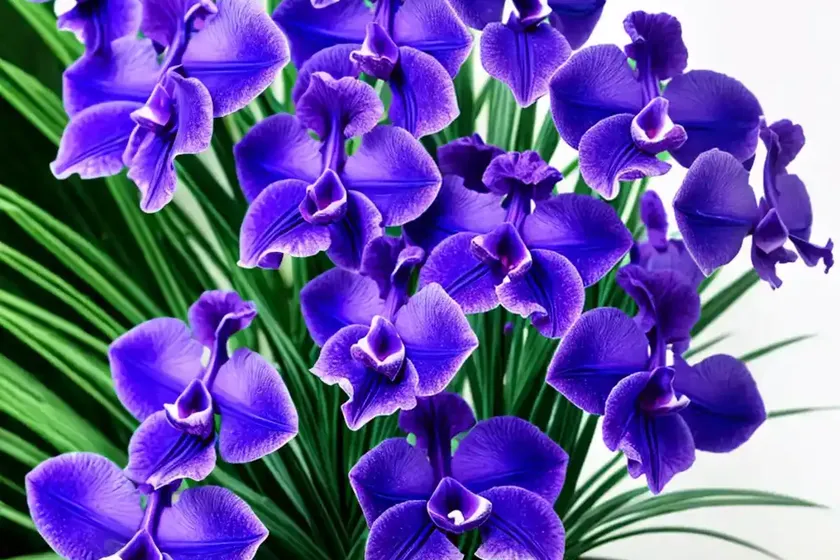
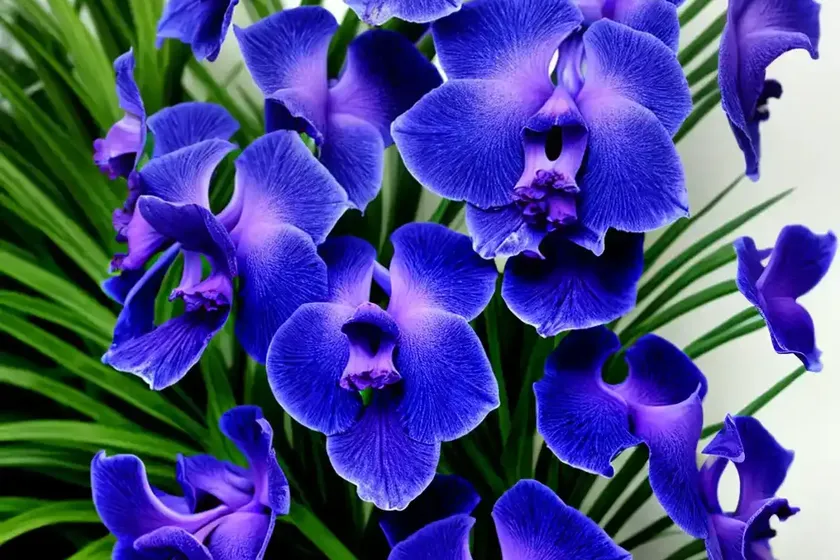
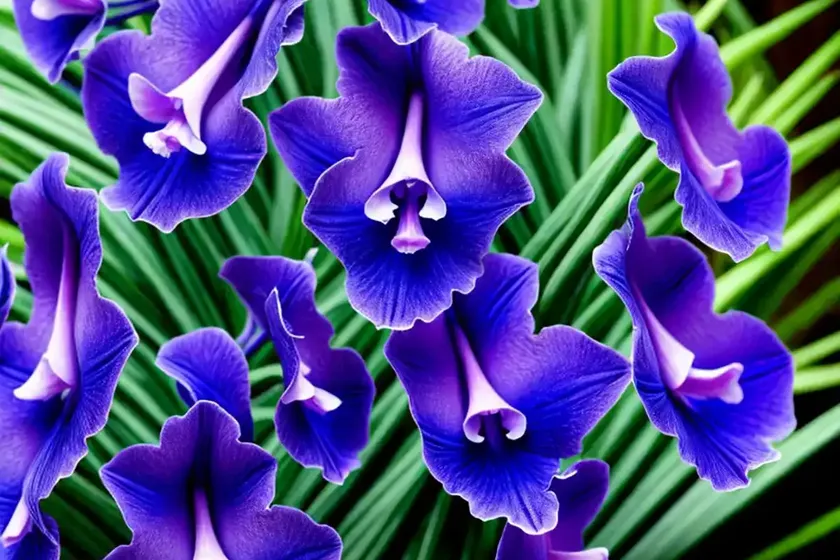
Vanda coerulea, commonly known as Blue Vanda, is a strikingly beautiful orchid species that has captivated the hearts of plant enthusiasts and admirers alike. This epiphytic orchid species is renowned for its vibrant blue flowers, making it a prized possession for both collectors and hobbyists. In this comprehensive guide, we will delve into the world of Vanda coerulea, exploring its cultural significance, optimal growing conditions, maintenance requirements, and much more to equip you with the knowledge and skills needed to cultivate and care for this exquisite plant.
What is Vanda coerulea (Blue Vanda)?
Vanda coerulea, a member of the Vanda genus, is a species of orchid native to Southeast Asian countries such as Thailand, Myanmar, and Laos. Its dazzling blue flowers have earned it the moniker “Blue Vanda,” distinguishing it as a unique and coveted variety within the orchid family. The species is recognized for its elegant, long-lasting blooms, making it an alluring choice for both indoor and outdoor cultivation.
Key Takeaways – Vanda coerulea (Blue Vanda)
Before delving into the specifics of cultivating and caring for Vanda coerulea, let’s take a moment to highlight some key takeaways about this captivating orchid species. The following points provide a brief overview of its characteristics and significance:
- Common Name: Blue Vanda
- Scientific Name: Vanda coerulea
- Characteristics: Dazzling blue flowers, long-lasting blooms, epiphytic growth habit
- Cultural Significance: Symbolism in various cultures, prized for its vibrant beauty
- Growing Conditions: Warm and humid climate, ample sunlight, well-draining medium
- Maintenance: Regular watering, balanced fertilization, occasional pruning
- Challenges: Susceptibility to specific pests and diseases, sensitive to environmental fluctuations
Now that we have a glimpse of the Blue Vanda’s essence, let’s embark on an in-depth exploration of its cultivation, care, and significance within the realm of botanical fascination.
Culture
In many cultures, orchids hold symbolic significance and are revered for their beauty and elegance. Vanda coerulea, with its resplendent blue blooms, carries its own cultural symbolism and is often associated with traits such as tranquility, grace, and admiration. The plant’s unique coloration and graceful form have rendered it as a symbol of rarity and natural beauty in various traditions.
Symbolic Meaning of Vanda coerulea
The dazzling blue hue of the Vanda coerulea’s flowers has attributed specific symbolic meanings to this enchanting orchid. In many cultures, the color blue symbolizes serenity, stability, and harmony, representing qualities that are often linked to the Blue Vanda. Additionally, blue flowers are frequently associated with themes of trust, loyalty, and wisdom, further enhancing the plant’s symbolic significance in different cultural contexts.
Cultural Significance
Beyond its symbolic meanings, Vanda coerulea holds cultural significance in regions where it is native. In countries like Thailand, the Blue Vanda is highly esteemed and has been integrated into traditional ceremonies and rituals due to its evocative beauty and cultural implications. Orchids, including the esteemed Vanda coerulea, have become representative of grace and refinement, embodying the essence of floral elegance in various cultural practices.
Uses
Ornamental Beauty
One of the primary uses of Vanda coerulea is for ornamental purposes, where its resplendent blue blooms serve as focal points in floral arrangements and indoor décor. The plant’s striking appearance and long-lasting flowers make it a sought-after choice for adorning gardens, greenhouses, and interior spaces, adding an element of natural splendor to its surroundings.
Medicinal Properties
In traditional practices, certain orchid species, including Vanda coerulea, have been attributed with medicinal properties. While scientific research on the medicinal applications of this specific orchid is limited, various orchids have been used in traditional herbal medicine for diverse purposes, reflecting the potential medicinal significance of these captivating plants.
Water
Proper watering is essential for maintaining the health and vitality of Vanda coerulea. As an epiphytic orchid, this species has distinct water requirements that cater to its natural growth habits and environmental adaptations.
Watering Schedule
Optimal Watering Frequency: Vanda coerulea should be watered thoroughly once every 5-7 days during the growing season, adjusting the frequency based on environmental conditions and moisture retention in the growing medium.
Water Quality: The water used for irrigating Vanda coerulea should be of good quality, free from excessive mineral content and chemical residues. Rainwater or filtered water is preferable, as it helps prevent the accumulation of harmful substances in the orchid’s root system.
Watering Method
When watering Vanda coerulea, it is essential to ensure that the entire root system receives adequate moisture. Unlike terrestrial plants, epiphytic orchids like Vanda coerulea do not grow in soil and thus require a different watering approach:
-
Soaking Method: The recommended watering method for Vanda coerulea involves immersing the plant’s root system in water for a brief period, allowing it to absorb moisture thoroughly. After the roots have been soaked, excess water should be allowed to drain before returning the orchid to its growing location.
-
Misting: In addition to periodic soaking, misting the aerial roots of Vanda coerulea can help maintain appropriate levels of humidity and prevent desiccation in drier environments.
Sunlight
Adequate sunlight is crucial for the growth and flowering of Vanda coerulea, as it plays a pivotal role in sustaining the plant’s metabolic processes and promoting robust blooming.
Sunlight Requirements
Light Intensity: Vanda coerulea thrives in bright, indirect sunlight, benefiting from approximately 70-80% light exposure to ensure vigorous growth and prolific flowering. However, it is essential to shield the plant from direct midday sun, especially in regions with intense sunlight, to prevent leaf burn and heat stress.
Optimal Light Conditions: Positioning Vanda coerulea in a location that receives ample morning and late afternoon sunlight while providing shade during the peak of the day is ideal for maintaining its health and vigor.
Indoor Cultivation
For indoor cultivation, it is essential to emulate the preferred light conditions of Vanda coerulea as closely as possible. Placing the orchid near east or west-facing windows can facilitate the provision of the requisite light intensity, enabling the plant to thrive within interior settings.
Fertilizer
Balanced fertilization is essential for promoting robust growth and prolific flowering in Vanda coerulea. As a nutrient-demanding orchid species, Vanda coerulea requires regular fertilization to ensure optimal health and vitality.
Fertilizer Type
Liquid Fertilizer: The application of a balanced, water-soluble orchid fertilizer is recommended for Vanda coerulea, preferably with an N-P-K ratio of 20-20-20 or 15-15-15. Selecting a fertilizer specifically formulated for orchids can provide the essential nutrients needed for sustaining the plant’s growth and blooming cycles.
Fertilization Frequency
Growing Season: During the active growing season, from spring to early fall, Vanda coerulea should be fertilized bi-weekly at half the recommended strength to facilitate vigorous vegetative growth and flower production.
Resting Period: In the dormant phase, typically during late fall and winter, fertilization should be reduced or temporarily halted to align with the plant’s reduced metabolic activity and growth.
Application Method
When applying fertilizer to Vanda coerulea, it is essential to administer it in a manner that prevents the accumulation of residues and minimizes the risk of root burn:
-
Dilution: Diluting the fertilizer to half its recommended strength helps prevent overfeeding and minimizes the risk of nutrient imbalances.
-
Direct Application to Roots: Administering the diluted fertilizer directly to the root system of Vanda coerulea ensures efficient nutrient absorption and prevents foliage damage.
Soil
As an epiphytic orchid, Vanda coerulea does not grow in soil and instead thrives by anchoring itself onto trees or other substrates in its natural habitat. Consequently, the cultivation medium used for Vanda coerulea should emulate its epiphytic preferences while providing a stable anchoring structure for the plant’s root system.
Growing Medium
Orchid Bark Mix: Vanda coerulea flourishes in a well-draining and aerated medium, with orchid bark mix being a popular choice for catering to its epiphytic growth habit. A high-quality orchid bark mix provides the necessary stability while allowing the roots to receive ample aeration and moisture.
Mounting: Some enthusiasts opt to mount Vanda coerulea on hardwood or cork mounts, simulating its natural epiphytic habitat and facilitating improved air circulation around the roots.
Potting Considerations
When considering potting options for Vanda coerulea, it is important to bear in mind the plant’s unique growth requirements and adaptability to specific container types:
-
Orchid Baskets: Suspend Vanda coerulea in orchid baskets, allowing its roots to cascade freely and ensuring that excess water can drain effectively.
-
Net Pots: Net pots provide adequate aeration for the orchid’s root system and facilitate the efficient drainage of excess water, promoting optimal root health and growth.
Pruning
Pruning plays a vital role in maintaining the vigor and aesthetics of Vanda coerulea, enabling the removal of spent blooms, dead foliage, and unhealthy growth to promote new flower spikes and vegetative development.
Pruning Techniques
Deadheading: Regularly removing spent blooms and faded flower spikes not only enhances the plant’s appearance but also encourages the production of new flower buds, stimulating recurrent blooming throughout the growing season.
Trimming Dead Foliage: If any discolored or desiccated foliage is observed, it should be promptly pruned to prevent the spread of potential diseases and maintain the overall health of the plant.
Propagation
Propagation of Vanda coerulea can be achieved through various methods, including division, back bulbs, and keiki production. By carefully selecting the propagation method and providing suitable conditions, enthusiasts can expand their collection of Blue Vandas while preserving the unique traits of the parent plant.
Division
Dividing the orchid’s root system and pseudobulbs is a common approach used for propagating Vanda coerulea, allowing enthusiasts to create new plants from the established parent specimen. When employing the division method, it is essential to ensure that each division possesses viable roots and pseudobulbs, thus increasing the likelihood of successful establishment and subsequent growth.
Back Bulbs
Back bulbs are dormant or spent pseudobulbs that can be utilized as propagative materials for Vanda coerulea. By carefully nurturing these back bulbs and providing conducive conditions, such as warmth and humidity, they can generate new growth and eventually develop into mature, blooming plants.
Keiki Production
Vanda coerulea may produce keikis, or baby plants, along its flower spikes, providing an additional means of propagation for this orchid species. Keikis can be carefully detached from the parent plant and potted independently once they have grown several roots and demonstrate readiness for independent growth.
Container Popularity
The cultivation of Vanda coerulea in containers has gained popularity among orchid enthusiasts and gardeners seeking to showcase the plant’s resplendent blooms in indoor and outdoor settings.
Indoor Display
As an elegant and captivating orchid, Vanda coerulea is frequently cultivated in containers for indoor display, adding a touch of natural beauty and vibrancy to interior spaces. Its striking blue flowers and graceful form make it a sought-after choice for adorning living areas, offices, and conservatories.
Outdoor Ornamentation
In outdoor settings, Vanda coerulea is often showcased in containers and hanging baskets, allowing the plant to thrive within garden landscapes, patios, and balconies, enriching outdoor environments with its vivid floral display and ornamental allure.
Common Diseases
Despite its resilience, Vanda coerulea is susceptible to specific diseases that can compromise its health and vitality if left untreated. Being aware of common orchid ailments and their associated symptoms is crucial for implementing timely interventions and safeguarding the plant from potential harm.
Disease Diagnosis
Recognizing the symptoms of prevalent orchid diseases enables prompt identification and appropriate remedial action to mitigate the progression of the ailments. Some common diseases that can affect Vanda coerulea include:
-
Root Rot: Symptoms include soft, discolored, and foul-smelling roots, often resulting from prolonged overwatering and poor drainage.
-
Bacterial and Fungal Infections: Indicated by the presence of lesions, spots, or discoloration on the foliage and pseudobulbs, typically arising from high humidity and inadequate air circulation.
-
Viral Diseases: Viral infections may manifest as abnormal growth, mottling, or discoloration on the leaves, signifying the presence of viral pathogens.
Disease Management
Treating orchid diseases necessitates implementing appropriate remedial measures tailored to the specific ailment while addressing the underlying factors contributing to the plants’ susceptibility:
-
Cultural Practices: Adjusting watering practices, improving air circulation, and maintaining proper hygiene in the growing environment can mitigate the incidence of diseases and promote the plant’s overall well-being.
-
Fungicidal and Bactericidal Treatments: When fungal or bacterial infections are observed, applying suitable fungicidal or bactericidal treatments can help curtail the spread of pathogens and prevent the progression of diseases.
-
Isolation: Quarantining affected plants can prevent the transmission of diseases to healthy specimens, minimizing the risk of widespread contamination within the collection.
Common Pests
In addition to diseases, Vanda coerulea may also confront challenges posed by specific pests that can compromise its vitality and aesthetic appeal if unaddressed. Understanding the common orchid pests and their associated symptoms is crucial for implementing effective pest management strategies and preserving the health of the plant.
Pest Identification
Misidentifying or overlooking the presence of pests can lead to detrimental consequences for Vanda coerulea. Some common pests that may afflict this orchid species include:
-
Aphids: Small, soft-bodied insects that congregate on the undersides of leaves and flower spikes, feeding on the plant’s sap and causing leaf distortion.
-
Scale Insects: Hard-bodied insects that attach themselves to the plant’s surfaces and extract sap, often appearing as encrusted or waxy formations on the leaves and pseudobulbs.
-
Spider Mites: Minute arachnids that feed on the plant’s tissues, creating fine webbing and stippled discoloration on the foliage as a result of their piercing-sucking feeding behavior.
Pest Management
Effectively addressing pest infestations in Vanda coerulea necessitates the implementation of targeted control methods tailored to the specific pests and their life stages:
-
Mechanical Removal: Physically removing pests such as aphids and scale insects from the plant’s surfaces can help reduce their population and prevent further infestation.
-
Horticultural Oils and Insecticidal Soaps: Applying horticultural oils and insecticidal soaps can control pest populations by suffocating or disrupting their cellular membranes, serving as an eco-friendly approach to pest management.
-
Biological Controls: Introducing natural predators of pests, such as ladybugs and predatory mites, can help regulate pest populations and establish a natural balance within the growing environment.
Botanist’s Tips
Pristine Hygiene
Maintaining immaculate hygiene in the growing environment of Vanda coerulea is paramount for preventing the onset and spread of diseases, as well as mitigating the risk of pest infestations. Regularly cleaning and sterilizing cultivation tools, containers, and work surfaces helps create a pristine environment conducive to the plant’s well-being.
Environmental Stability
Orchids like Vanda coerulea thrive in stable environmental conditions characterized by consistent humidity, temperature, and light exposure. Striving to uphold an environment with minimal fluctuations can bolster the plant’s resilience and foster robust growth and flowering.
Observational Vigilance
Regularly inspecting Vanda coerulea for signs of diseases, pests, and abnormal growth enables the prompt detection of issues, permitting timely intervention and the implementation of remedial measures to safeguard the plant’s health and vitality.
Fun Facts
Discovering intriguing and captivating facts about Vanda coerulea can deepen one’s appreciation for this exquisite orchid species while unraveling the allure and mystique surrounding its captivating nature.
-
Natural Habitat: Vanda coerulea is indigenous to various Southeast Asian countries, where it thrives in warm, tropical climates and epiphytic habitats characterized by abundant moisture and bright sunlight.
-
Blue Flower Pigmentation: The blue coloration of Vanda coerulea’s flowers is derived from an intricate interplay of pigment molecules, resulting in the captivating azure hues that distinguish this orchid.
-
Long-Lasting Blooms: The flowers of Vanda coerulea have a remarkable longevity, with individual blooms persisting for several weeks, delighting enthusiasts with their enduring beauty and vibrant presence.
-
Epiphytic Growth Habit: As an epiphyte, Vanda coerulea naturally grows on trees and other surfaces, anchoring itself to substrates and absorbing moisture and nutrients from the air and surroundings.
-
Cultural Significance: In various cultures, Vanda coerulea holds symbolic significance and conveys themes of elegance, rarity, and natural beauty, endowing it with cultural appeal and distinction.
Links to External Resources
For further exploration of Vanda coerulea and its cultivation, care, and significance, the following external resources provide valuable insights and information about this captivating orchid species:
Now equipped with a comprehensive understanding of Vanda coerulea and its intricacies, you are well-prepared to embark on the enriching journey of cultivating and caring for this alluring orchid species, fostering its growth and nurturing its captivating beauty within your botanical collection and surroundings. Embrace the elegance and allure of Blue Vanda as you immerse yourself in the captivating realm of Vanda coerulea, celebrating its resplendent blooms and cultural significance in the world of horticulture and botanical fascination.


