Vaccinium ‘Chippewa’ (Highbush Blueberry): A Comprehensive Guide
Welcome to the ultimate guide to the Vaccinium ‘Chippewa’, commonly known as the Highbush Blueberry. If you are looking to cultivate this wonderful plant in your garden or are already an avid gardener, this guide will provide you with everything you need to know about growing, caring for, and maintaining the Vaccinium ‘Chippewa’.
What is Vaccinium ‘Chippewa’?
Vaccinium ‘Chippewa’ is a cultivar of the highbush blueberry, a widely recognized species known for its delicious and nutritious berries. The Vaccinium ‘Chippewa’ variety is popular among home gardeners and commercial growers due to its exceptional fruit production, ornamental value, and relatively compact size. This cultivar was developed by the University of Minnesota and introduced in 1946 as part of their breeding program aimed at creating superior blueberry varieties for northern climates.
Key Takeaways – Vaccinium ‘Chippewa’ (Highbush Blueberry)
Before we delve into the specifics of cultivating and caring for the Vaccinium ‘Chippewa’, let’s take a look at some key takeaways concerning this delightful plant.
- Scientific Name:
- Vaccinium ‘Chippewa’
- Common Name:
- Highbush Blueberry
- Plant Type:
- Deciduous shrub
- Height:
- Up to 4-5 feet
- Spread:
- 3-4 feet
- Sunlight:
- Full sun to partial shade
- Soil:
- Moist, acidic, well-drained
- USDA Hardiness Zones:
- 3-7
- Fruit:
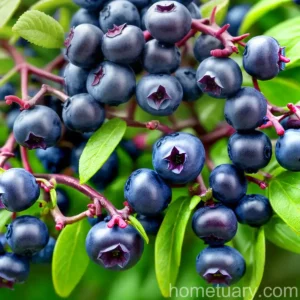
- Medium-sized, dark blue berries with excellent flavor
- Harvest Time:
- Mid to late season
- Ornamental Features:
- White, bell-shaped flowers in spring; vibrant fall foliage
- Disease Resistance:
- Moderately resistant to common blueberry diseases
Now that we have an overview of the Vaccinium ‘Chippewa’, let’s explore the specific cultural requirements and care guidelines for this remarkable highbush blueberry variety.
Culture
Cultivating the Vaccinium ‘Chippewa’ involves understanding several key aspects of its requirements, including water, sunlight, fertilizer, soil, pruning, and propagation. By providing the right conditions and care, you can ensure that your highbush blueberry plant thrives and produces an abundance of delicious berries.
Uses
The Vaccinium ‘Chippewa’ offers a range of uses, from its delectable berries to its ornamental features. Let’s explore its primary uses:
- Edible Berries:
- The highbush blueberries produced by Vaccinium ‘Chippewa’ are not only delicious but also packed with nutrients and antioxidants. They can be enjoyed fresh, used in baking, or preserved through freezing or canning.
- Ornamental Value:
- Apart from its fruit-bearing capabilities, the plant adds aesthetic appeal to gardens with its delicate white flowers in spring and vibrant fall foliage.
Water
Proper watering is crucial for the health and fruitfulness of the Vaccinium ‘Chippewa’. Here are some key points to consider regarding its water needs:
- Frequency:
- Blueberries prefer consistently moist soil, especially during the growing season and fruit development. Provide 1-2 inches of water per week, either through rainfall or manual watering, ensuring that the root zone remains consistently moist but not waterlogged.
- Irrigation:
- In dry periods, supplement natural rainfall with additional irrigation to prevent the soil from drying out.
Sunlight
Sunlight plays a vital role in the growth and fruit production of highbush blueberries. Consider the following when determining the plant’s sunlight requirements:
- Optimal Exposure:
- Plant Vaccinium ‘Chippewa’ in a location that receives full sun to partial shade. While the plant benefits from direct sunlight, it can also thrive in partly shaded areas, especially in warmer regions where some protection from intense afternoon sun may be beneficial.
Fertilizer
Proper fertilization contributes to the overall health and productivity of Vaccinium ‘Chippewa’. Consider the following guidelines for fertilizing highbush blueberries:
- Acidic Soil:
- Blueberries thrive in acidic soil with a pH range of 4.5 to 5.5. Use a soil test kit to determine the existing pH levels and amend the soil as necessary to achieve the ideal acidity.
- Fertilizer Type:
- Use a fertilizer specifically formulated for acid-loving plants, such as a azalea or rhododendron fertilizer. Apply the fertilizer in early spring before new growth begins, following the manufacturer’s recommended rates.
- Frequency:
- A light application of fertilizer in spring is usually sufficient for Vaccinium ‘Chippewa’. Avoid over-fertilizing, as this can lead to excessive foliage growth at the expense of fruit production.
Soil
Understanding the soil requirements for highbush blueberries is essential for creating an optimal growing environment for the Vaccinium ‘Chippewa’. Consider the following soil-related factors:
- Acidity:
- Blueberries require acidic soil with a pH level between 4.5 and 5.5. Amending the soil with organic matter such as peat moss or pine bark can help lower the pH if necessary.
- Drainage:
- Ensure that the soil provides good drainage to prevent waterlogging, which can be detrimental to the plant’s health.
- Texture:
- A well-draining, loamy soil rich in organic matter is ideal for highbush blueberries.
Pruning
Proper pruning is crucial for maintaining the health, shape, and fruiting capacity of Vaccinium ‘Chippewa’. Here are some considerations for pruning highbush blueberries:
- Timing:
- Prune blueberry bushes during the dormant season, typically in late winter or early spring before new growth emerges.
- Techniques:
- Remove dead, damaged, or diseased wood, as well as any low-growing or inward-facing branches. Additionally, thinning out crowded growth can improve air circulation and light penetration within the canopy, promoting better fruit development.
Propagation
If you’re interested in propagating the Vaccinium ‘Chippewa’ to expand your blueberry garden, consider the following propagation techniques:
- Softwood Cuttings:
- Propagate highbush blueberries from softwood cuttings taken in early summer. Select healthy, young branches and prepare them for propagation following a recommended method for blueberry cuttings.
- Division:
- Established blueberry plants can be divided to create new plants, especially during early spring before new growth resumes. Carefully separate the root mass, ensuring that each division has sufficient roots and vegetative growth to thrive independently.
Container Popularity
The Vaccinium ‘Chippewa’ is well-suited for container gardening, making it a convenient option for growers with limited garden space or those seeking to have their blueberries in close proximity for easier maintenance and harvesting. When growing highbush blueberries in containers, it’s important to provide the appropriate growing conditions to ensure the plant’s health and productivity.
Container Common Diseases
Growing Vaccinium ‘Chippewa’ in containers can present specific challenges related to diseases, especially those associated with the soil and growing medium. It’s important to be aware of the common container diseases that can affect highbush blueberries and take preventive measures to minimize their impact.
Disease Diagnosis
Diagnosing and addressing diseases in container-grown Vaccinium ‘Chippewa’ requires a thorough understanding of common blueberry ailments. By recognizing the symptoms and causes of these diseases, you can take appropriate steps to manage and prevent their occurrence.
Common Pests
Pest management is a critical aspect of caring for Vaccinium ‘Chippewa’ in containers, as pests can cause significant damage to the plants and their fruit. Understanding the common pests that affect highbush blueberries and implementing effective control strategies are essential for maintaining healthy container-grown blueberry plants.
Botanist’s Tips
For an in-depth understanding of the growth habits, fruiting patterns, and cultural requirements of the Vaccinium ‘Chippewa’, we turn to the expert insights and tips provided by experienced botanists. By following their recommendations, you can enhance the overall health and productivity of your highbush blueberry plants.
Fun Facts
Before we conclude this comprehensive guide, let’s explore some intriguing and delightful fun facts about Vaccinium ‘Chippewa’ that showcase the appeal and unique characteristics of this popular highbush blueberry variety.
- Native Beauty:
- Highbush blueberries, including the ‘Chippewa’ cultivar, are native to North America and are celebrated for their natural beauty and ecological importance.
- A Berry for All Seasons:
- Blueberries are not only delicious and nutritious but also versatile, finding their way into a wide range of culinary delights, from breakfast dishes and desserts to savory recipes and beverages.
- Ornamental Charm:
- In addition to their delectable berries, Vaccinium ‘Chippewa’ and other highbush blueberries offer ornamental appeal with their spring blooms and fall foliage, adding visual interest to gardens and landscapes.
Links to External Resources
To further enrich your knowledge and provide valuable insights into the cultivation and care of Vaccinium ‘Chippewa’ (Highbush Blueberry), here are some reputable external resources that offer comprehensive information and expert guidance on growing blueberries and managing common challenges associated with these remarkable plants:
- University of Minnesota Extension – Growing Blueberries in Home Gardens
- NC State Extension – Blueberry Pruning and Training
- American Phytopathological Society – Blueberry Diseases
- University of Maine Cooperative Extension – Blueberry Pest Management for Home Gardeners
With access to these valuable resources, you can expand your understanding of highbush blueberry cultivation, disease management, and pest control, empowering you to create thriving blueberry gardens and enjoy abundant harvests of delicious, homegrown berries.
In conclusion, the Vaccinium ‘Chippewa’ (Highbush Blueberry) presents a wonderful opportunity to cultivate an exceptional fruit-bearing and ornamental plant in your garden. By following the guidelines and recommendations presented in this guide, you can ensure the successful growth, care, and maintenance of this remarkable highbush blueberry variety, reaping the rewards of its delectable fruits and natural beauty.
Remember to enjoy the journey of nurturing your highbush blueberry plants and savor the joy of harvesting your homegrown blueberries, knowing that you have created a nurturing environment that allows them to thrive and flourish.
Happy gardening and may your Vaccinium ‘Chippewa’ yield bountiful harvests for years to come!