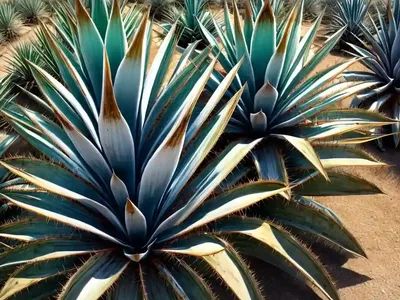
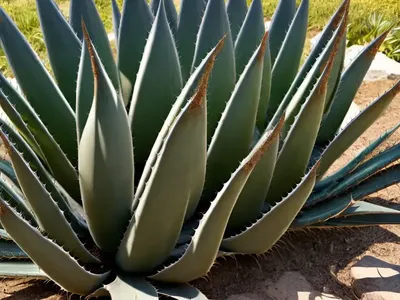
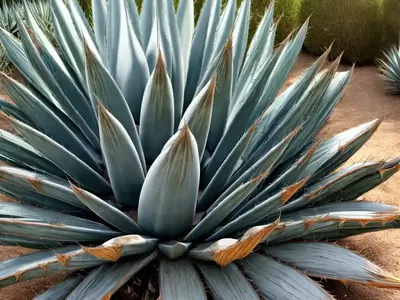
Utah Agave (Agave Utahensis)
As a plant scientist, I am excited to delve into the world of Utah Agave (Agave Utahensis). This unique plant species is not only a stunning addition to.
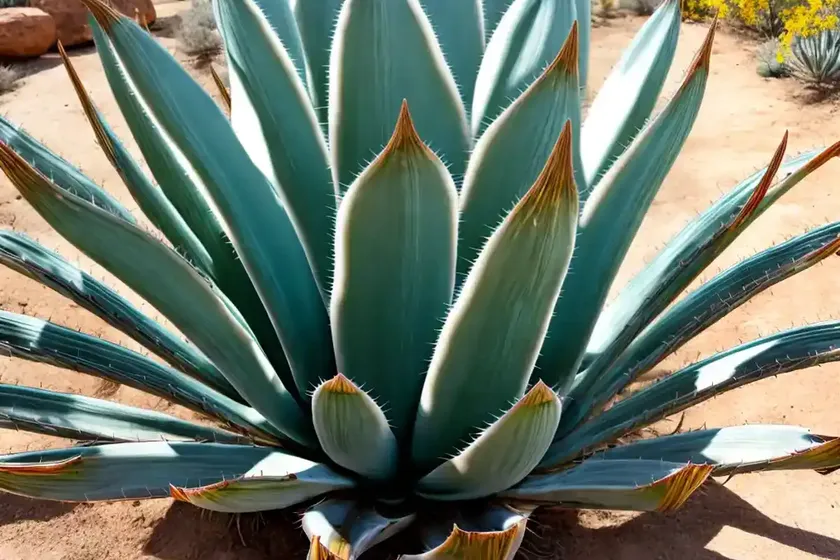
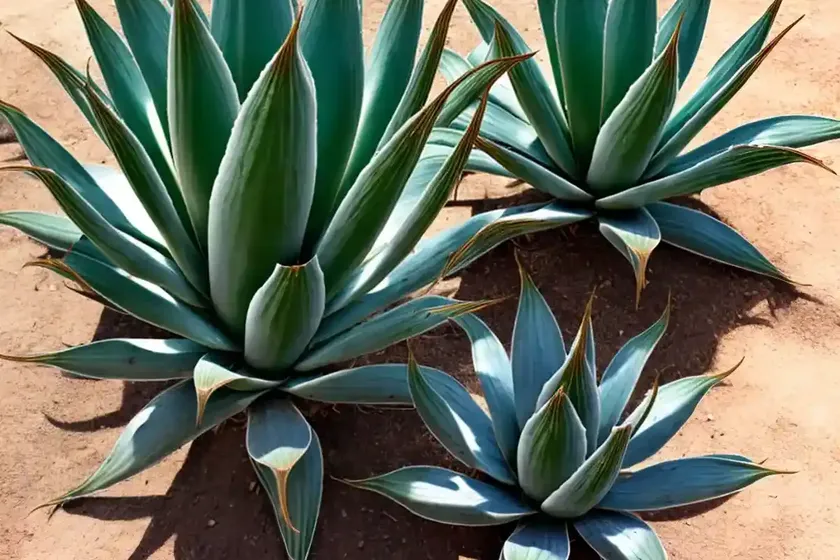
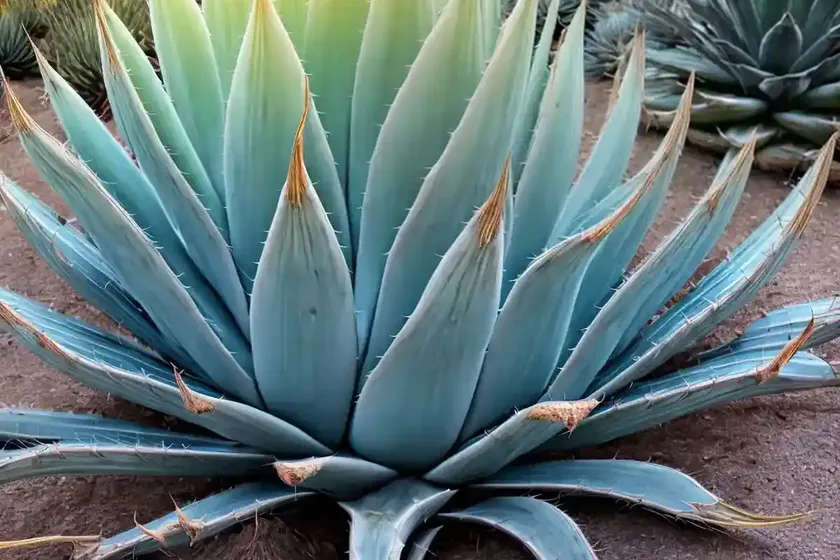
As a plant scientist, I am excited to delve into the world of Utah Agave (Agave Utahensis). This unique plant species is not only a stunning addition to any landscape but also boasts a rich cultural and historical significance. In this comprehensive guide, we will explore the cultivation, care, and various uses of the Utah Agave, also known as Agave Utahensis. From its water and sunlight requirements to its propagation and landscaping potential, this guide covers every aspect of this remarkable plant.
What is the Utah Agave (Agave Utahensis)?
The Utah Agave, scientifically known as Agave Utahensis, is a species of agave native to the deserts of the southwestern United States. It is a member of the Asparagaceae family and is characterized by its striking rosette of succulent leaves and tall flowering stalk. This plant has adapted to thrive in arid environments and is known for its resilience and striking visual appeal.
The Utah Agave is a slow-growing perennial plant that can be found in various habitats, including desert scrub, dry slopes, and rocky outcrops. Its fleshy leaves are armed with sharp, terminal spines, serving as an adaptation to deter herbivores and protect the plant from harsh environmental conditions.
Key Takeaways – Utah Agave (Agave Utahensis)
Before we delve into the specifics of cultivating and caring for the Utah Agave, it is essential to highlight some key takeaways regarding this remarkable plant. These takeaways will serve as a foundation for our exploration of its cultivation, care, and uses.
Cultivation
- Native Habitat: Arid regions of the southwestern United States, including Utah, Nevada, and California.
- Growth Habit: Slow-growing perennial succulent with a rosette of fleshy leaves.
- Hardiness Zones: Typically grows in USDA hardiness zones 8 to 11.
Uses
- Cultural and Historical Significance: Enjoys rich cultural and historical significance, particularly among Native American communities.
- Drought Tolerance: Well-adapted to arid and semi-arid environments, making it a popular choice for water-wise landscaping.
- Landscaping Potential: Valued for its striking visual appeal and architectural presence in xeriscapes and desert-themed gardens.
With these key takeaways in mind, let’s now explore the specific aspects of cultivating and caring for the Utah Agave.
Water
- Watering Needs: Minimal water requirements due to its adaptation to arid environments.
- Drought Tolerance: Exceptional tolerance to drought conditions, making it an ideal choice for water-wise landscaping.
Sunlight
- Sunlight Requirements: Thrives in full sun to partial shade, preferring bright, direct sunlight.
Fertilizer
- Fertilization: Generally low-maintenance and does not require frequent fertilization.
- Soil Enrichment: Benefits from well-draining soil with minimal amendments.
Let us continue our exploration by delving into each of these aspects in detail.
Cultivation: Caring for the Utah Agave
Cultivating and caring for the Utah Agave involves understanding its specific needs in terms of water, sunlight, soil, and more. By addressing these needs, gardeners can ensure the health and vitality of this striking succulent.
Water
Utah Agave is well-known for its exceptional drought tolerance. In its natural habitat, it has adapted to infrequent and unpredictable rainfall, making it an ideal candidate for water-wise landscaping. When cultivating Utah Agave, it is crucial to avoid overwatering, as excessive moisture can lead to root rot and other issues.
Watering Needs
- Established Plants: Once established, Utah Agave typically requires minimal supplemental watering. In most cases, natural rainfall is sufficient to meet its moisture needs.
- Young Plants: When initially planting or transplanting young Utah Agave specimens, it is essential to provide adequate moisture until they become established. Afterward, reduce watering frequency gradually to mimic natural conditions.
Drought Tolerance
Utah Agave’s exceptional drought tolerance is one of its most remarkable traits. As a water-wise plant, it can thrive in environments with minimal moisture, making it an excellent choice for arid and semi-arid landscapes. When selecting a site for Utah Agave in the garden or landscape, prioritize well-draining soil to prevent waterlogging.
Sunlight
Utah Agave thrives in sunny conditions and is well-adapted to intense sunlight. When cultivating Utah Agave, ensure that it receives ample sunlight to support healthy growth and development. Planting in a location with full sun exposure is generally ideal for this species, although it can also tolerate partial shade in certain climates.
Sunlight Requirements
- Full Sun: Given its preference for sunny conditions, aim to plant Utah Agave in an area that receives direct sunlight for the majority of the day.
- Partial Shade: While Utah Agave prefers full sun, it can tolerate partial shade, especially in regions with scorching summers or intense sun exposure.
Fertilizer
Utah Agave is relatively low-maintenance in terms of fertilization. As a desert-adapted succulent, it has evolved to thrive in nutrient-poor soils, making frequent fertilization unnecessary. When cultivating Utah Agave, opt for minimal fertilization or focus on natural soil amendments to provide essential nutrients.
Soil Enrichment
- Well-Draining Soil: Prioritize well-draining soil when cultivating Utah Agave. Sandy or gravelly soil types are often ideal for promoting adequate drainage and preventing waterlogged conditions.
- Minimal Fertilization: A sparing application of a low-nitrogen, succulent-specific fertilizer may be beneficial but is generally not essential for healthy growth.
Pruning
Utah Agave typically requires minimal pruning, especially in comparison to traditional garden plants. Its rosette growth habit and sharp, recurved spines serve as natural protection, minimizing the need for frequent maintenance. However, occasional pruning may be necessary to remove dead or damaged leaves, especially for aesthetic purposes and to promote overall plant vigor.
Pruning Considerations
- Dead Leaves: Remove withered or damaged leaves by carefully cutting them away from the base of the plant. Exercise caution to avoid the plant’s sharp spines during pruning.
- Caution: Exercise care and use appropriate protective gear when pruning Utah Agave, as its spines can cause injury.
Propagation: Growing New Utah Agave Plants
The propagation of Utah Agave offers an exciting opportunity for plant enthusiasts to expand their collection and share this striking succulent with others. Whether through offsets, seeds, or other methods, understanding the principles of Utah Agave propagation is essential for successful cultivation.
Offsets
Utah Agave naturally produces offsets, also known as “pups,” around the base of mature plants. These offsets can be carefully removed and replanted to establish new Utah Agave specimens. This method of propagation allows for the creation of genetically identical plants, ensuring the preservation of desired traits.
Propagation Steps
- Identify healthy, mature offsets growing around the base of the parent plant.
- Gently separate the offsets from the parent plant, taking care to preserve their root systems.
- Plant the offsets in well-draining soil and provide minimal water until they establish root systems of their own.
Seed Propagation
While less common than propagation via offsets, seed propagation offers an alternative method for growing new Utah Agave plants. Collecting seeds from mature plants and providing them with the appropriate conditions for germination can lead to the development of unique individuals with diverse traits.
Germination Process
- Harvest seeds from mature Utah Agave plants once they have produced seed pods.
- Prepare a well-draining seed-starting mix and sow the seeds at a shallow depth.
- Maintain consistent moisture and warmth to facilitate germination, ensuring that the soil does not become waterlogged.
By understanding the principles of propagation, plant enthusiasts can expand their Utah Agave collection and contribute to the preservation of this remarkable species.
Container Cultivation: Growing Utah Agave in Pots
In addition to being suitable for landscape and garden settings, Utah Agave can thrive in containers, making it an excellent choice for indoor cultivation or as a striking focal point on patios and decks. When growing Utah Agave in pots, understanding the specific requirements for container cultivation is crucial for promoting healthy growth and long-term vitality.
Container Selection
- Size and Drainage: Choose a container that provides ample space for the Utah Agave’s root system and features multiple drainage holes to prevent waterlogging.
- Material: Opt for a well-constructed container made from durable materials such as clay, ceramic, or fiberglass, ensuring stability and adequate insulation for the plant’s roots.
Soil and Watering
- Well-Draining Soil: Select a high-quality, well-draining potting mix designed for succulents and cacti to support optimal root health and prevent waterlogged conditions.
- Watering Considerations: Monitor soil moisture carefully and adjust watering frequency to prevent overhydration in the confined space of the container.
Sunlight and Placement
- Sun Exposure: Position the container in an area that receives abundant sunlight, such as a sunny patio or south-facing balcony.
- Indoor Cultivation: For indoor settings, choose a bright, sunny location, such as near a south-facing window, to provide adequate light for the Utah Agave.
By carefully considering container selection, soil and watering needs, as well as sunlight exposure, plant enthusiasts can successfully cultivate Utah Agave in pots, adding a touch of natural elegance to various settings.
Popularity of Utah Agave in Container Gardening
Utah Agave’s popularity in container gardening has grown significantly in recent years, owing to its striking visual appeal, architectural presence, and adaptability to potted environments. As a versatile plant species, it offers numerous benefits for container gardens, making it a sought-after choice for both indoor and outdoor cultivation in pots and planters.
Visual Appeal
- Architectural Form: Utah Agave’s symmetrical rosette and striking foliage make it a captivating centerpiece in container arrangements, adding a touch of natural elegance to any setting.
- Foliage Variety: The diverse foliage patterns and leaf coloration of different Utah Agave varieties contribute to a visually dynamic and captivating container display.
Low Maintenance
- Minimal Water Needs: Well-suited to the confined space of containers, Utah Agave’s low water requirements and drought tolerance make it an easy-care addition to container gardens.
- Adaptability: Thrives in various container sizes and styles, offering flexibility in design and placement.
Xeriscaping Potential
- Water-Wise Cultivation: Utah Agave’s adaptability to drier conditions aligns with the principles of xeriscaping, making it an ideal choice for water-conscious gardeners and sustainable landscape designs.
By capitalizing on Utah Agave’s visual appeal, low maintenance requirements, and xeriscaping potential, container gardening enthusiasts can incorporate this distinctive succulent into their designs, elevating the aesthetic and natural charm of their living spaces.
Common Diseases and Pest Management
While Utah Agave exhibits robust resilience to most pests and diseases, it is essential for plant enthusiasts to be aware of potential issues and proactively address them to maintain the health and vitality of their plants. By understanding common diseases and pests that may affect Utah Agave, gardeners can implement effective management strategies and promote long-term plant wellness.
Common Diseases
Utah Agave is generally resistant to many diseases due to its adaptation to arid environments. However, certain conditions or environmental stressors can make it more susceptible to issues such as:
- Root Rot: Overwatering or poorly draining soil can lead to root rot in Utah Agave, causing wilting, yellowing leaves, and overall decline.
- Leaf Spot: Fungal diseases can sometimes manifest as leaf spots on Utah Agave, particularly under prolonged periods of dampness or high humidity.
Disease Diagnosis
- Symptom Identification: Promptly identify and address symptoms of disease in Utah Agave, such as discolored or wilting foliage, to prevent the spread of issues and promote plant recovery.
- Soil and Moisture Management: Ensure that soil is well-draining and adjust watering practices to prevent conditions conducive to disease development.
Common Pests
Utah Agave is relatively resistant to pests due to its thick, succulent leaves and sharp spines. However, certain pests may still pose a threat to its overall health and appearance, necessitating vigilant monitoring and proactive pest management.
- Aphids: While less common on Utah Agave, aphids may occasionally infest the plant, causing damage to new growth and feeding on sap.
- Spider Mites: These tiny pests can affect Utah Agave, particularly in indoor environments or during periods of dryness, leading to visible stippling on leaves and a decline in overall plant vigor.
Pest Control Strategies
- Natural Predators: Encourage the presence of beneficial insects, such as ladybugs and lacewings, to naturally control aphid populations and maintain pest balance.
- Horticultural Oil: When dealing with spider mites, horticultural oil can be applied to suffocate and control the pest while minimizing potential damage to the plant.
By actively monitoring for signs of disease and pests while implementing appropriate disease management and pest control strategies, plant enthusiasts can promote the long-term health and resilience of Utah Agave.
Botanist’s Tips for Successful Utah Agave Cultivation
Based on scientific knowledge and practical experience with Utah Agave, several key tips and recommendations can contribute to successful cultivation and care. These botanist’s tips provide insights into promoting plant health, enhancing visual appeal, and adapting cultivation practices to specific environments.
Tip 1: Prioritize Well-Draining Soil
- Key Rationale: Ensuring proper soil drainage is essential for preventing waterlogged conditions and the development of root-related issues, particularly in regions with higher precipitation.
Tip 2: Mimic Natural Conditions
- Key Rationale: By replicating Utah Agave’s native arid environment, gardeners can promote optimal growth and vitality, aligning with the plant’s natural adaptation to dry, sunny climates.
Tip 3: Know Your Climate
- Key Rationale: Understanding the specific climate and environmental factors in your region can help tailor cultivation practices to meet Utah Agave’s preferences, particularly in terms of sunlight exposure and water management.
Tip 4: Foster Natural Ecosystems
- Key Rationale: By incorporating Utah Agave into naturalistic or xeriscaped landscapes, gardeners can contribute to sustainable ecosystems, attracting native wildlife and promoting biodiversity.
Tip 5: Embrace Varietal Diversity
- Key Rationale: Exploring different Agave Utahensis varieties allows for diverse plantings, adding unique colors, leaf shapes, and growth habits to the landscape for visual interest.
By integrating these botanist’s tips into Utah Agave cultivation and care practices, plant enthusiasts can optimize plant health, create visually captivating landscapes, and contribute to sustainable gardening efforts.
Fun Facts About Utah Agave (Agave Utahensis)
- Native American Uses: Indigenous communities have historically utilized Utah Agave for various purposes, including fiber production, food, medicine, and spiritual significance, highlighting its cultural importance.
- Xeric Adaptation: Utah Agave’s adaptation to arid environments makes it a key player in xeriscaping, serving as a resilient and visually striking element in water-wise landscapes.
- Flower Characteristics: When mature, Utah Agave produces a tall flowering stalk that bears clusters of yellowish-green flowers, attracting pollinators and adding aesthetic appeal.
- Fire-Resistant Properties: The fire-resistant nature of Utah Agave contributes to its suitability in landscapes prone to wildfires, providing natural protection and visual interest.
- Historical Significance: As a plant deeply rooted in the history of the southwestern United States, Utah Agave holds a unique place in the region’s ecological and cultural heritage.
These fun facts encapsulate the multi-faceted nature of Utah Agave, from its ecological resilience to its cultural significance, and its contributions to sustainable landscaping practices.
External Resources and Further Reading
For individuals seeking additional information on Utah Agave and related topics, the following external resources provide valuable insights, research, and practical guidance:
- Utah State University Extension – Native Plants for Utah Landscapes: Offers comprehensive information on native plants, including Utah Agave, and their suitability for Utah landscapes.
- Kew Royal Botanic Gardens – Agave Utahensis: Provides in-depth botanical details, distribution maps, and taxonomic information on Agave Utahensis and related species.
- Desert Botanical Garden – Plant of the Week: Agave Utahensis: Presents a detailed profile of Agave Utahensis, focusing on its natural history, cultivation, and ecological significance.
- University of Arizona Cooperative Extension – Xeriscaping with Agaves: Explores the role of agaves, including Utah Agave, in xeriscaping and sustainable landscape design, offering practical recommendations for propagation and cultivation.
These resources offer a wealth of knowledge and practical guidance for plant enthusiasts, horticultural enthusiasts, and individuals interested in the ecology, cultivation, and cultural significance of Utah Agave.
Conclusion
In this comprehensive guide, we have explored the captivating world of Utah Agave (Agave Utahensis), delving into its cultivation, care, and various uses. From its cultural and historical significance to its role in sustainable landscaping, Utah Agave stands as a symbol of resilience, natural elegance, and ecological adaptability.
By understanding the specific needs of Utah Agave in terms of water, sunlight, soil, and propagation, plant enthusiasts can cultivate and care for this remarkable succulent with confidence, creating striking landscape compositions and contributing to sustainable gardening efforts.
With a rich cultural heritage, diverse visual appeal, and ecological resilience, Utah Agave continues to inspire botanical enthusiasts, landscape designers, and individuals passionate about sustainable horticulture. As we celebrate the unique qualities of Utah Agave, we also embrace the broader principles of sustainable gardening, biodiversity conservation, and the preservation of native plant species.
By integrating Utah Agave into our landscapes and cultivating practices, we honor its heritage, contribute to sustainable ecosystems, and celebrate the enduring beauty of this remarkable plant.
As a plant scientist, I am deeply inspired by the multifaceted nature of Utah Agave and the opportunities it presents for sustainable landscaping, cultural appreciation, and ecological stewardship. May this guide serve as a valuable resource for plant enthusiasts, educators, and individuals passionate about the diverse and awe-inspiring world of Utah Agave.
In embracing the cultivation, care, and appreciation of Utah Agave, we commit to fostering healthy ecosystems, promoting cultural understanding, and cherishing the intrinsic beauty of our natural world.
Utah Agave (Agave Utahensis): A symbol of resilience, natural elegance, and ecological adaptability.
Keywords: Utah Agave care, Agave