Ulmus Parvifolia ‘Frosty’ (Chinese Elm)
The Ulmus parvifolia ‘Frosty’ or Chinese Elm ‘Frosty’ is a beautiful and versatile tree that is known for its elegant appearance and adaptability to.
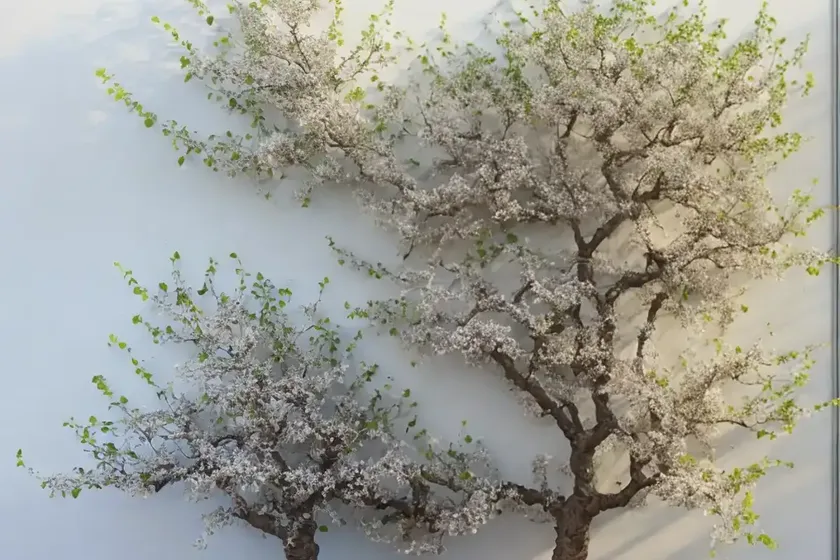
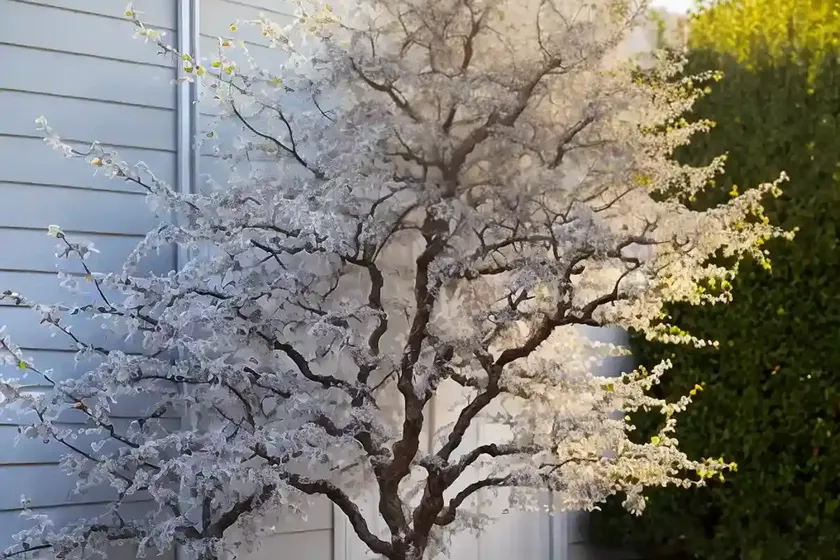
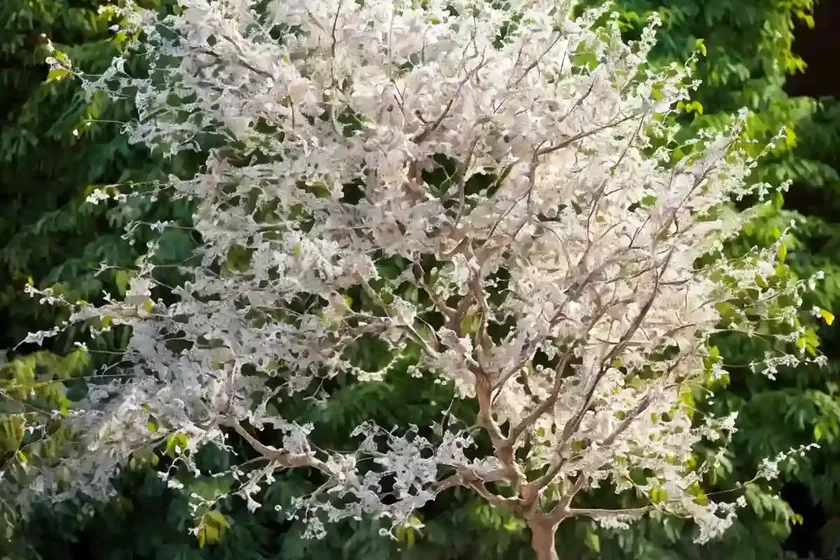
The Ulmus parvifolia ‘Frosty’ or Chinese Elm ‘Frosty’ is a beautiful and versatile tree that is known for its elegant appearance and adaptability to various environmental conditions. It is widely cherished for its ornamental features, and its ability to thrive as a shade tree in urban landscapes. In this comprehensive guide, we will delve into the culture, uses, care, and maintenance of the Chinese Elm ‘Frosty,’ providing valuable insights for plant enthusiasts, gardeners, and horticulturists.
What is Ulmus parvifolia ‘Frosty’ (Chinese Elm)?
The Ulmus parvifolia ‘Frosty’ is a cultivar of the Chinese Elm, a species native to Eastern Asia and known for its resilience and beauty. This deciduous tree is prized for its small glossy green leaves and exfoliating bark. The ‘Frosty’ variety is specifically celebrated for its variegated foliage, adding a touch of elegance to any landscape.
Key Takeaways – Ulmus parvifolia ‘Frosty’ (Chinese Elm)
Before we dive deeper into the specifics of care and maintenance, here are the key takeaways about the Chinese Elm ‘Frosty’:
- Common Name: Chinese Elm ‘Frosty’
- Scientific Name: Ulmus parvifolia ‘Frosty’
- Family: Ulmaceae
- Type: Deciduous Tree
- Mature Size: 40-50 feet tall and 35-45 feet wide
- Sun Exposure: Full sun to partial shade
- Water Needs: Moderate
- Soil Type: Well-draining, fertile soil
- Growth Rate: Moderate to fast
- Landscape Uses: Shade tree, street tree, bonsai, urban landscapes
- Disease Resistance: Moderate
- Pest Resistance: Moderate
Now that we have an overview, let’s delve into the intricate care and maintenance aspects of the Chinese Elm ‘Frosty’.
Culture
The culture of Ulmus parvifolia ‘Frosty’ involves paying attention to its specific requirements for water, sunlight, fertilizer, soil, and pruning. Additionally, understanding how to propagate and grow it in containers is also important. Let’s explore each of these aspects in detail.
Uses
The uses of Chinese Elm ‘Frosty’ span across various aspects of landscaping and gardening. From its role as a shade tree to its suitability for container gardening, understanding its uses provides valuable insights for incorporating it into different environments.
Water
Proper watering plays a crucial role in the health and vitality of Ulmus parvifolia ‘Frosty.’ Understanding its water requirements and best practices for watering is essential for its overall well-being.
Sunlight
Sunlight is a vital component for the growth and development of Chinese Elm ‘Frosty.’ By understanding its sunlight needs, it’s possible to ensure that the tree thrives in its environment.
Fertilizer
Applying the right type and amount of fertilizer is essential for promoting healthy growth and foliage development in Ulmus parvifolia ‘Frosty.’ Understanding the fertilizer requirements is crucial for maintaining its ornamental beauty.
Soil
The right soil conditions are pivotal for the well-being of the Chinese Elm ‘Frosty.’ By understanding its soil requirements, it’s possible to create an optimal growing environment for the tree.
Pruning
Pruning is an important aspect of maintaining the shape, health, and aesthetics of Ulmus parvifolia ‘Frosty.’ Proper pruning techniques play a vital role in the tree’s overall structure and appearance.
Propagation
Understanding how to propagate Chinese Elm ‘Frosty’ enables enthusiasts to expand their collection and share the beauty of this cultivar. Exploring propagation methods provides valuable insights into its growth and development.
Container Popularity
The Chinese Elm ‘Frosty’ is well-suited for growing in containers, making it a popular choice for urban landscapes, patios, and small gardens. Understanding its container popularity sheds light on its adaptability to different settings.
Container Common Diseases
Like any plant, the Chinese Elm ‘Frosty’ is susceptible to certain diseases that can affect its growth and appearance. Understanding common diseases and their diagnosis is crucial for offering the necessary care and protection.
Disease Diagnosis
Identifying and diagnosing diseases that affect Ulmus parvifolia ‘Frosty’ is essential for implementing timely treatments and safeguarding its health. Understanding the signs and symptoms of common diseases is crucial for effective disease management.
Common Pests
Pests can pose a threat to the well-being of the Chinese Elm ‘Frosty.’ By identifying common pests and understanding their impact, it’s possible to implement preventive measures and interventions to protect the tree.
Botanist’s Tips
Insights from botanists and experts provide valuable guidance for understanding the unique characteristics and requirements of Ulmus parvifolia ‘Frosty.’ By exploring botanist’s tips, enthusiasts can gain deeper knowledge about the tree’s nuances.
Fun Facts
Exploring fun and intriguing facts about the Chinese Elm ‘Frosty’ adds an element of fascination to its appeal. Discovering fun facts offers a new perspective and appreciation for this beautiful cultivar.
Links to External Resources
Accessing external resources and references extends the knowledge base about the Chinese Elm ‘Frosty.’ By providing links to relevant resources, enthusiasts can delve deeper into specific aspects and broaden their understanding.
Now that we have an outline of the different sections, let’s proceed to delve into each aspect in detail.
Culture of Ulmus parvifolia ‘Frosty’ (Chinese Elm)
The culture of Ulmus parvifolia ‘Frosty’ encompasses several key aspects that are vital for its successful growth and development. From understanding how to care for its water, sunlight, and soil needs to the best practices for fertilizing, pruning, and propagation, each aspect plays a crucial role in ensuring the tree’s well-being.
Uses of Ulmus parvifolia ‘Frosty’ (Chinese Elm)
The Chinese Elm ‘Frosty’ offers a range of uses that make it a valuable addition to landscapes and gardens. Understanding its versatility and suitability for various settings sheds light on its potential applications and benefits.
Water Needs
Proper watering is essential for the health and vitality of Ulmus parvifolia ‘Frosty.’ While it is tolerant of drought conditions once established, consistent and adequate moisture is important, especially during the early stages of growth and in periods of extended dryness.
| Watering Aspect | Details |
|---|---|
| Frequency | Regular watering, especially during dry spells |
| Watering Method | Deep watering to promote root development |
| Soil Moisture Check | Regularly check soil moisture levels |
| Drought Tolerance | Moderate once established |
| Special Considerations | Provide adequate moisture in the growing season |
Sunlight Requirements
Chinese Elm ‘Frosty’ thrives in full sun to partial shade, showcasing its adaptability to different light conditions. When planted in ideal sunlight conditions, the tree exhibits lush foliage and strong growth.
| Sunlight Aspect | Details |
|---|---|
| Sun Exposure | Full sun to partial shade |
| Ideal Orientation | South or west-facing for optimal sunlight |
| Adaptability | Thrives in various light conditions |
| Special Considerations | Protect from harsh afternoon sun |
Fertilizer Requirements
Applying a balanced fertilizer promotes healthy growth, foliage development, and overall vigor in Ulmus parvifolia ‘Frosty.’ Understanding the best practices for fertilizing ensures that the tree receives the necessary nutrients for its optimal well-being.
| Fertilizer Aspect | Details |
|---|---|
| Fertilizer Type | Balanced fertilizer with equal N-P-K ratio |
| Application Frequency | Once a year, preferably in early spring |
| Quantity | Follow package instructions for the correct dosage |
| Application Method | Evenly distribute around the tree’s drip line |
| Special Considerations | Avoid excessive fertilization to prevent nutrient imbalances |
Soil Requirements
The soil requirements of Chinese Elm ‘Frosty’ focus on providing a well-draining and fertile growing medium that supports its root development and overall health. By addressing its soil needs, enthusiasts can create an ideal environment for the tree to thrive.
| Soil Aspect | Details |
|---|---|
| Soil Type | Well-draining, loamy soil |
| pH Level | Neutral to slightly acidic (pH 6.5-7.5) |
| Soil Amendments | Organic matter for improved fertility and drainage |
| Special Considerations | Ensure adequate soil moisture to support root growth |
Pruning Guidelines
Pruning plays a crucial role in maintaining the shape, health, and aesthetics of Ulmus parvifolia ‘Frosty.’ By following proper pruning techniques, enthusiasts can promote a strong and well-structured tree.
| Pruning Aspect | Details |
|---|---|
| Pruning Time | Late winter to early spring |
| Pruning Type | Remove dead, damaged, or congested branches |
| Pruning Frequency | Once a year for maintenance pruning |
| Pruning Method | Use clean, sharp tools for precise cuts |
| Special Considerations | Avoid heavy pruning to maintain natural form and beauty |
Propagation Methods
Understanding how to propagate Chinese Elm ‘Frosty’ opens up possibilities to expand its presence and share its beauty with others. Exploring propagation methods provides insights into its growth and development.
| Propagation Aspect | Details |
|---|---|
| Propagation Methods | Seeds, cuttings, air-layering |
| Optimal Propagation Time | Spring for cuttings, fall for seeds |
| Special Considerations | Provide consistent moisture and warmth for success |
Container Growing
The Chinese Elm ‘Frosty’ is well-suited for container growing, making it a popular choice for urban landscapes, patios, and small gardens. Understanding its adaptability to containers offers insights for incorporating it into diverse settings.
| Container Aspect | Details |
|---|---|
| Container Size | Choose a spacious container for root development |
| Soil Type for Containers | Well-draining potting mix for healthy growth |
| Container Placement | Provide adequate sunlight and air circulation |
| Special Considerations | Regular watering and fertilization as needed |
Now that we have delved into the culture of Chinese Elm ‘Frosty,’ detailing its uses, water, sunlight, fertilizer, soil, pruning, propagation, and container growing, let’s explore the common diseases and pests that can affect its well-being.
Common Diseases of Ulmus parvifolia ‘Frosty’ (Chinese Elm)
As with any plant, Chinese Elm ‘Frosty’ is susceptible to certain diseases that can affect its growth and appearance. By understanding common diseases, their diagnosis, and how to address them, enthusiasts can provide the necessary care and protection for the tree.
Disease Diagnosis and Management
Identifying and diagnosing diseases that affect Ulmus parvifolia ‘Frosty’ is essential for implementing timely treatments and safeguarding its health. By understanding the signs and symptoms of common diseases, it’s possible to take proactive measures for disease management.
Common Diseases
-
Dutch Elm Disease (DED)
-
Symptoms: Wilting, yellowing, and browning of leaves, dieback of branches
- Cause: Fungal pathogen spread by elm bark beetles
- Prevention: Proper sanitation, resistant cultivars
-
Treatment: Fungicidal injections, pruning of affected branches
-
Leaf Spot
-
Symptoms: Circular spots on leaves, yellowing, premature leaf drop
- Cause: Fungal or bacterial pathogens
- Prevention: Proper sanitation, watering at the base of the tree
-
Treatment: Fungicidal sprays, removal of affected leaves
-
Powdery Mildew
-
Symptoms: White powdery patches on leaves, distorted growth
- Cause: Fungal pathogen favored by high humidity
- Prevention: Proper air circulation, avoiding overhead watering
- Treatment: Fungicidal sprays, horticultural oil applications
Common Pests Affecting Chinese Elm ‘Frosty’
Pests can pose a threat to the well-being of Ulmus parvifolia ‘Frosty.’ By identifying common pests and understanding their impact, it’s possible to implement preventive measures and interventions to protect the tree.
Common Pests
-
Elm Leaf Beetle
-
Signs: Skeletonized leaves, defoliation
-
Management: Pruning affected branches, insecticidal treatments
-
Aphids
-
Signs: Sticky honeydew, distorted growth
-
Management: Beneficial insect release, horticultural oil applications
-
Scale Insects
-
Signs: Small, immobile insects on stems and leaves
- Management: Pruning affected branches, systemic insecticide application
By understanding the diagnosis and management of common diseases and pests, enthusiasts can proactively protect the health and vitality of Chinese Elm ‘Frosty.’
Botanist’s Tips for Ulmus parvifolia ‘Frosty’ (Chinese Elm)
Insights from botanists and experts provide valuable guidance for understanding the unique characteristics and requirements of Ulmus parvifolia ‘Frosty.’ By exploring botanist’s tips, enthusiasts can gain deeper knowledge about the tree’s nuances and cultivate a deeper appreciation for its beauty.
Botanist’s Tips
-
Variegated Foliage: The ‘Frosty’ cultivar is prized for its variegated foliage, adding a touch of elegance to any landscape. Emphasize its vibrant foliage by planting it against a backdrop that complements its colors.
-
Pruning for Form: When pruning Chinese Elm ‘Frosty,’ aim to accentuate its natural form while removing any dead or crossing branches. This allows the tree to maintain its graceful appearance.
-
Soil Moisture Control: While the Chinese Elm ‘Frosty’ tolerates moderate drought once established, it’s important to monitor its soil moisture to support healthy root development and overall growth.
-
Disease-Resistant Varieties: Consider selecting disease-resistant varieties of Chinese Elm to reduce the risk of common diseases such as Dutch Elm Disease.
By incorporating these tips, enthusiasts can enhance the beauty and resilience of the Chinese Elm ‘Frosty’ in their landscapes.
Fun Facts about Ulmus parvifolia ‘Frosty’ (Chinese Elm)
Exploring fun and intriguing facts about Chinese Elm ‘Frosty’ adds an element of fascination to its appeal, enriching the experience of cultivating and admiring this beautiful tree.
Fun Facts
-
Versatile Bonsai Tree: The Chinese Elm ‘Frosty’ is a popular choice for bonsai enthusiasts, showcasing its adaptability to small-scale cultivation and its graceful appearance in miniature form.
-
Urban Landscapes: Chinese Elm ‘Frosty’ is prized for its resilience in urban landscapes, where it serves as a shade tree with the added benefit of air purification and aesthetic value.
-
Feature Tree: Planted as a focal point in gardens or along walkways, the ‘Frosty’ cultivar makes a stunning feature tree, commanding attention with its variegated foliage and exfoliating bark.
-
History and Significance: The Chinese Elm has a rich historical significance, especially in Asian cultures where it is revered for its symbolism and cultural value.
By uncovering these fun facts, enthusiasts can deepen their appreciation for the Chinese Elm ‘Frosty’ and its captivating attributes.
Links to External Resources
Accessing external resources and references extends the knowledge base about the Chinese Elm ‘Frosty.’ By providing links to relevant resources, enthusiasts can delve deeper into specific aspects and broaden their understanding.
External Resources
- Missouri Botanical Garden – Ulmus parvifolia ‘Frosty’
- North Carolina State Extension – Chinese Elm Trees
- University of Florida IFAS Extension – Dutch Elm Disease
- Royal Horticultural Society – Pruning Ulmus parvifolia
By referring to these external resources, enthusiasts can enhance their knowledge and gain practical insights into the care and maintenance of Ulmus parvifolia ‘Frosty’ (Chinese Elm).
In conclusion, the Ulmus parvifolia ‘Frosty’ or Chinese Elm ‘Frosty’ is a remarkable tree with a blend of ornamental beauty and adaptability. By understanding its culture, uses, specific care requirements, common diseases, and pests, enthusiasts can cultivate and appreciate its presence in landscapes and gardens. With the helpful insights and resources presented in this guide, enthusiasts can embark on a rewarding journey of nurturing and admiring the elegance of Chinese Elm ‘Frosty.’
Remember to always consider the unique environmental conditions of your specific location when implementing care practices and to consult local horticultural experts for tailored guidance. Happy gardening with the elegant Chinese Elm ‘Frosty’!


