Ulmus Glabra ‘Lutescens’ (Golden Elm)
The Ulmus glabra ‘Lutescens’, commonly known as the Golden Elm, is a striking and valuable cultivar that adds a touch of elegance to any landscape. Its.
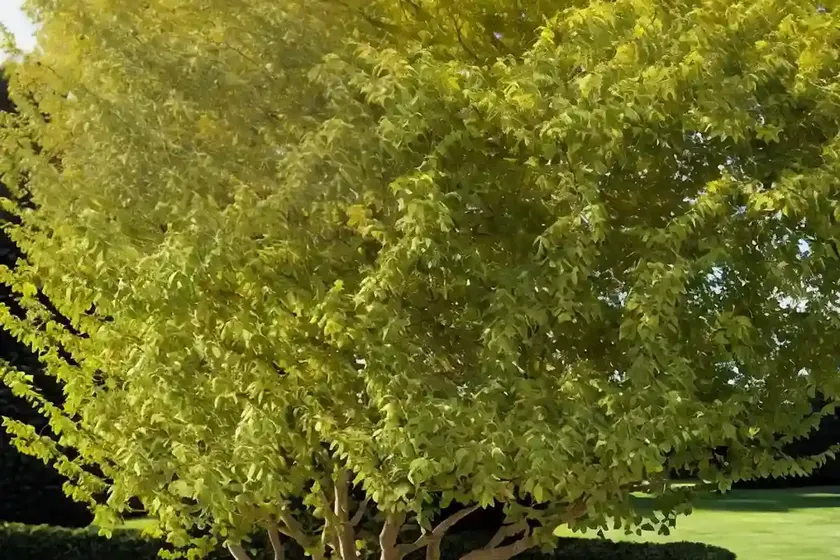
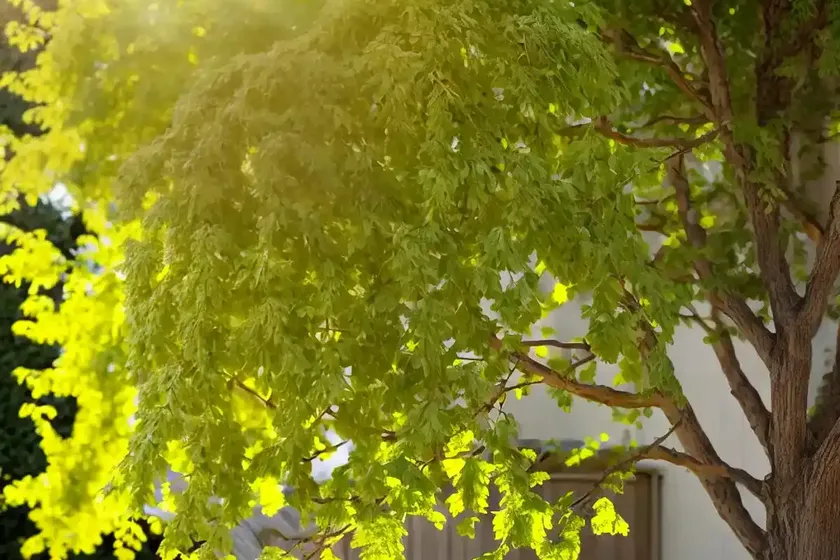
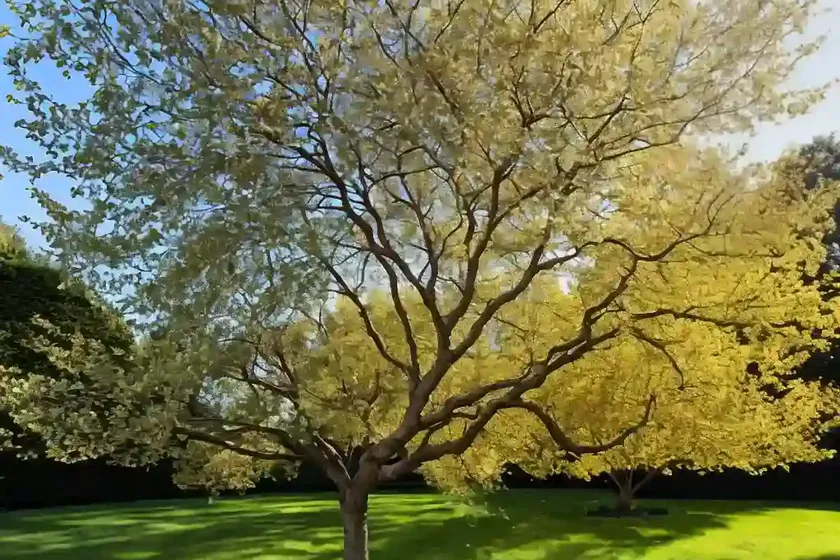
The Ulmus glabra ‘Lutescens’, commonly known as the Golden Elm, is a striking and valuable cultivar that adds a touch of elegance to any landscape. Its vibrant golden foliage, along with its adaptability and resilience, makes it a popular choice among gardeners and landscape designers. In this comprehensive guide, we will delve into the characteristics, cultivation, uses, maintenance, and interesting facts about the Ulmus glabra ‘Lutescens’. By the end of this article, you will have a deep understanding of how to care for and make the most of this stunning tree in your garden.
What is Ulmus glabra ‘Lutescens’ (Golden Elm)?
The Ulmus glabra ‘Lutescens’ is a cultivar of the species Ulmus glabra, which is commonly known as the Wych Elm. The ‘Lutescens’ cultivar is prized for its golden-yellow foliage, which emerges in the spring and matures to a rich greenish-yellow color in the summer. This striking coloration sets it apart from the typical green foliage of the species, making it a highly sought-after variety for ornamental use in gardens, parks, and landscapes.
Key Takeaways
Let’s begin by summarizing some key takeaways about Ulmus glabra ‘Lutescens’:
- Scientific Name: Ulmus glabra ‘Lutescens’
- Common Name: Golden Elm
- Plant Type: Deciduous tree
- Foliage Color: Golden-yellow in spring, maturing to greenish-yellow in summer
- Preferred Growing Zones: Typically thrives in USDA Hardiness Zones 5-7
- Mature Height: Can reach up to 40-60 feet (12-18 meters) in height
- Growth Rate: Moderate
- Uses: Ornamental tree in gardens and landscapes
- Maintenance: Relatively low-maintenance once established
- Special Features: Striking foliage, wildlife-friendly
Now that we have a snapshot of the Golden Elm, let’s explore its cultivation, uses, and care requirements in more detail.
Culture
Uses
The Ulmus glabra ‘Lutescens’ is primarily cultivated for its ornamental value. The dazzling golden foliage provides a stunning visual display, especially when contrasted with other trees and shrubs in the landscape. Its graceful, arching form and the color-changing foliage throughout the growing season make it an appealing choice for both residential and public landscapes.
In addition to its aesthetic appeal, the Golden Elm also contributes to supporting wildlife, as it provides a habitat and food source for various insects and birds. Its small, winged fruits, known as samaras, are a valuable food source for birds and wildlife.
Water
Like most deciduous trees, the Golden Elm prefers consistently moist soil, especially during its establishment phase. Adequate water is crucial during the initial few years after planting to encourage strong root development. Once the tree is well-established, it exhibits moderate drought tolerance, but regular watering during dry spells will promote optimum growth and foliage health.
Sunlight
This cultivar thrives in full sun to partial shade. The ideal location for planting would be a spot that receives at least 6-8 hours of direct sunlight daily, although it can tolerate some degree of shade. However, to maintain the vibrant golden foliage, providing sufficient sunlight is essential.
Fertilizer
A balanced, slow-release fertilizer can be applied in early spring to support healthy growth. A granular fertilizer specifically formulated for trees and shrubs can be used, following the manufacturer’s recommended application rates. Fertilizing in spring, just as the new growth is emerging, provides the necessary nutrients to support the Golden Elm’s seasonal development.
Soil
The Golden Elm thrives in well-draining, fertile soils with a slightly acidic to neutral pH. It can adapt to various soil types, including loamy, sandy, or clay soils, as long as they are well-draining. Incorporating organic matter into the soil at the time of planting can improve soil structure and fertility, promoting better establishment and growth.
Pruning
Pruning young Ulmus glabra ‘Lutescens’ trees can help shape their form and encourage a strong branch structure. Regular pruning during the early years can help develop a well-balanced and aesthetically pleasing canopy. When conducting pruning, it is essential to follow proper pruning techniques to avoid damaging the tree and to promote healing. Removing dead, diseased, or crossing branches can also benefit the overall health of the tree.
Propagation
Propagation of Ulmus glabra ‘Lutescens’ is commonly carried out through grafting or budding onto suitable rootstocks. Grafting involves joining a scion (a piece of the desired cultivar) onto a compatible rootstock, while budding entails inserting a bud from the desired cultivar into the bark of a rootstock. These methods allow for the propagation of the desired characteristics of the ‘Lutescens’ variety onto new trees.
Container Popularity
While the Ulmus glabra ‘Lutescens’ is typically grown as a landscape tree, it can also be cultivated in large containers or planters. When grown in containers, it is essential to select a spacious container with adequate drainage holes to accommodate the tree’s root system. Regular watering and fertilizing are crucial when growing the Golden Elm in containers, as the soil in containers can dry out more quickly than soil in the ground.
Container Common Diseases
When grown in containers, the Golden Elm may be susceptible to certain diseases common to container-grown plants. These can include issues such as root rot, caused by overwatering and poor drainage, or various fungal diseases that thrive in overly moist conditions. Regular monitoring of the tree’s health, proper watering practices, and ensuring good air circulation around the container can help prevent these diseases.
Disease diagnosis
Diagnosing diseases in container-grown plants, including the Golden Elm, involves observing the symptoms and signs of potential diseases. Common signs of disease in container plants can include wilting, yellowing or browning of the leaves, unusual spots or lesions on the foliage, or stunted growth. If any of these symptoms are observed, it is crucial to promptly identify the issue and take appropriate measures, such as adjusting watering practices or applying suitable fungicides, to address the problem.
Common pests
Pests that may affect container-grown Ulmus glabra ‘Lutescens’ include aphids, spider mites, and scale insects, among others. These pests can cause damage to the foliage and overall health of the tree if left uncontrolled. Regular inspection of the tree for signs of pest infestation, such as distorted leaves, sticky honeydew, or visible insects, can help in early detection and management of these pests.
Botanist’s tips
As a plant scientist with a passion for trees, I would like to offer some tips for the successful cultivation of Ulmus glabra ‘Lutescens’:
- Site Selection: When selecting a planting location, consider the tree’s mature size and ensure that it has enough space to grow and spread its canopy gracefully.
- Mulching: Apply a layer of mulch around the base of the tree to conserve soil moisture, suppress weeds, and insulate the roots from temperature extremes.
- Monitoring and Observation: Regularly monitor the tree for signs of stress, disease, or insect infestations. Early intervention can prevent potential issues from escalating.
- Seasonal Care: Adjust your gardening practices according to the changing seasons. From watering and fertilizing in spring and summer to preparing the tree for winter, understanding seasonal care requirements is crucial.
- Wildlife Support: Appreciate the role of the Golden Elm in supporting wildlife. Observing birds, butterflies, or other creatures that visit the tree can enhance your gardening experience.
Fun facts
- The Golden Elm is known for its exceptional foliage color, with leaves that transform from golden-yellow in spring to greenish-yellow in summer, providing an ever-changing display throughout the growing season.
- This cultivar is relatively low-maintenance once established, making it a practical and visually rewarding addition to diverse landscapes.
- In addition to its ornamental appeal, the Golden Elm contributes to the ecosystem by providing shelter and food for birds and insects.
Links to External Resources
To further expand your knowledge about the Ulmus glabra ‘Lutescens’ and related topics, I recommend exploring the following resources:
- The Royal Horticultural Society (RHS) provides detailed information on Ulmus glabra ‘Lutescens’ cultivation and care: RHS Ulmus glabra ‘Lutescens’
- The Arbor Day Foundation offers insights into the environmental benefits of planting trees, including Ulmus glabra ‘Lutescens’: Arbor Day Foundation
- The American Society of Consulting Arborists (ASCA) provides resources on tree maintenance and care, which can be valuable for managing the health of Golden Elm trees: ASCA
By leveraging these resources, you can gain a deeper understanding of this captivating tree and enrich your gardening and horticultural knowledge.
In conclusion, the Ulmus glabra ‘Lutescens’ (Golden Elm) stands out as a remarkable tree variety that offers both visual splendor and ecological value. From its vibrant foliage to its role in supporting wildlife, this cultivar has much to offer to gardeners, landscapers, and nature enthusiasts alike. By embracing the insights and tips provided in this guide, you can cultivate and appreciate the splendor of the Golden Elm in your own outdoor spaces.


