Ulmus Glabra ‘Camperdownii’ (Scotch Elm)
In the world of landscaping and horticulture, the Ulmus glabra ‘Camperdownii’, commonly known as the Scotch Elm, is a fascinating and sought-after.
Introduction
In the world of landscaping and horticulture, the Ulmus glabra ‘Camperdownii’, commonly known as the Scotch Elm, is a fascinating and sought-after ornamental tree. With its distinctive weeping habit and unique characteristics, this cultivar of the Scotch Elm has captured the hearts of many garden enthusiasts, landscape designers, and botanists.
In this comprehensive guide, we will delve into the various aspects of Ulmus glabra ‘Camperdownii’, ranging from its cultural requirements and uses to its growth habits, diseases, and maintenance. Whether you’re a novice gardener eager to explore this distinctive tree or a seasoned botanist seeking in-depth insights, this guide aims to provide valuable information about this intriguing Ulmus glabra cultivar.
What is Ulmus glabra ‘Camperdownii’ (Scotch Elm)?
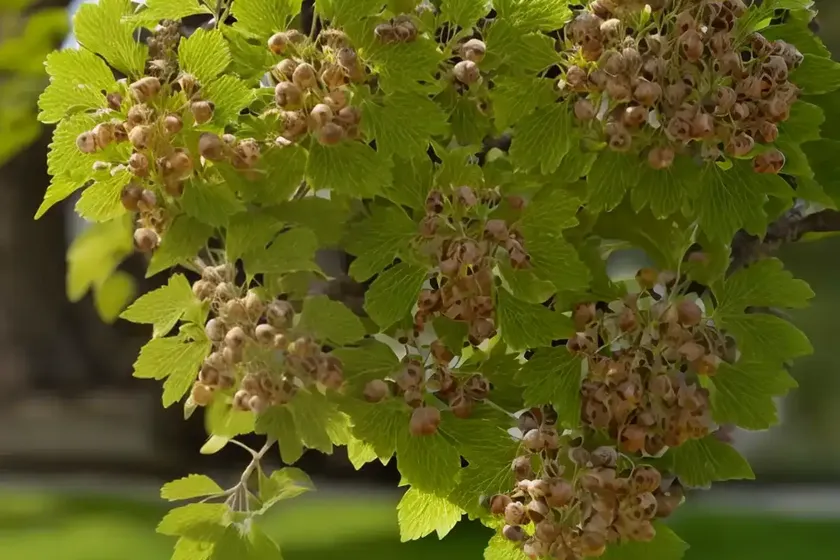
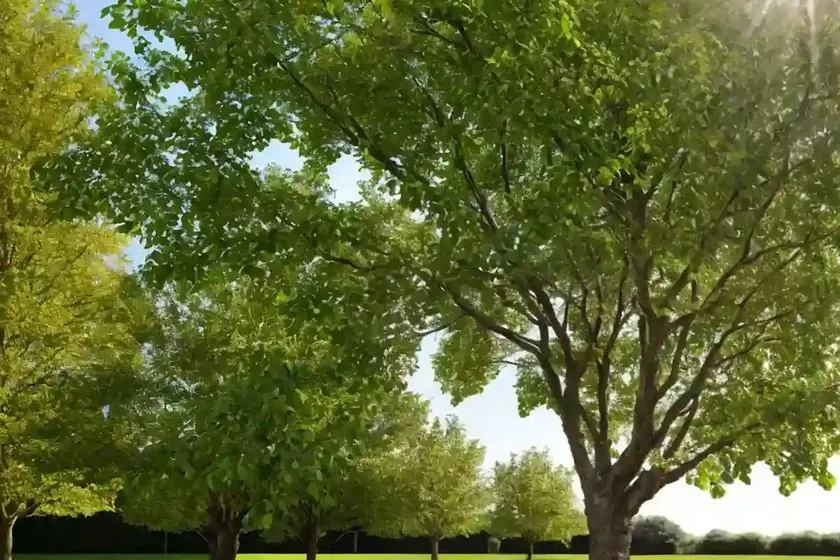
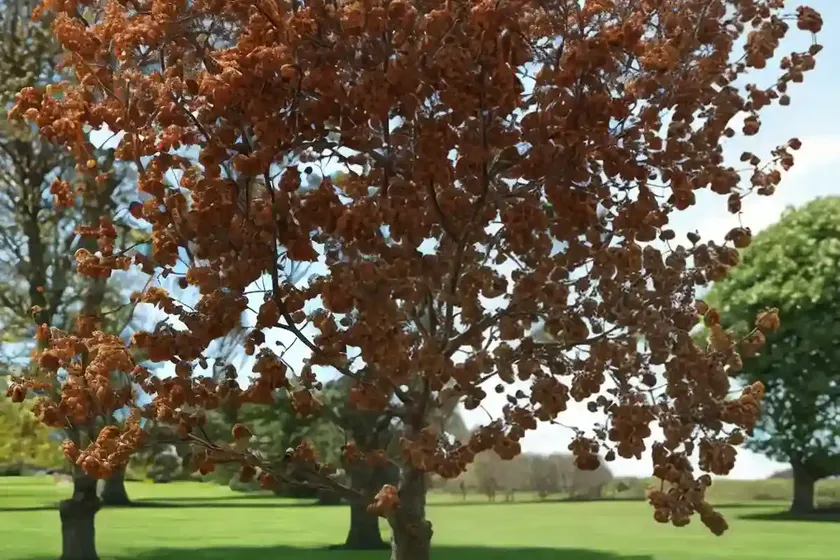
The Ulmus glabra ‘Camperdownii’, a cultivar of the Scotch Elm, is celebrated for its iconic weeping form, making it a captivating addition to gardens, parks, and landscapes. This deciduous tree is renowned for its graceful, pendulous branches, which elegantly cascade towards the ground, creating a mesmerizing visual display. The ‘Camperdownii’ variant of the Scotch Elm is cherished for its ornamental value, serving as a focal point in diverse outdoor settings.
Key Takeaways – Ulmus glabra ‘Camperdownii’ (Scotch Elm)
Before we embark on a detailed exploration of Ulmus glabra ‘Camperdownii’, let’s outline the key takeaways associated with this captivating tree.
- Scientific Name: Ulmus glabra ‘Camperdownii’
- Common Names: Scotch Elm, Camperdown Elm, Weeping Elm
- Cultivar Type: Ulmus glabra cultivar
- Growth Habit: Dwarf, Weeping
- Ornamental Features: Graceful, pendulous branches
- Landscape Use: Ornamental tree, shade tree
- Disease Resistance: Notable resistance to certain diseases
Now, let’s embark on a detailed exploration of the various facets of Ulmus glabra ‘Camperdownii’, encompassing its cultural needs, uses, growth habits, and maintenance requirements.
Culture
Water
The Ulmus glabra ‘Camperdownii’ thrives in well-drained soils and benefits from consistent moisture during its establishment phase. Adequate watering is crucial, especially during dry spells or periods of drought. However, it’s essential to avoid waterlogged conditions, as excessively wet soil can lead to root rot and other detrimental consequences.
Sunlight
When it comes to sunlight requirements, the ‘Camperdownii’ Elm thrives in locations with partial to full sun exposure. While it’s tolerant of varying light conditions, providing it with ample sunlight fosters healthy growth and the development of its characteristic weeping form.
Soil
This cultivar of the Scotch Elm favors fertile, loamy soils with good drainage. The pH of the soil should ideally be slightly acidic to neutral. Ensuring proper soil composition and drainage is critical for the overall health and vitality of the Ulmus glabra ‘Camperdownii’.
Fertilizer
Regular fertilization can bolster the growth and vigor of Ulmus glabra ‘Camperdownii’. During the tree’s active growing season, applying a balanced, slow-release fertilizer can provide the essential nutrients it requires for robust growth and foliage development.
Pruning
Pruning plays a crucial role in maintaining the graceful form and aesthetic appeal of the Ulmus glabra ‘Camperdownii’. Careful and selective pruning is necessary to remove damaged or overcrowded branches while preserving the tree’s unique weeping structure. Pruning should be carried out during the tree’s dormant season to minimize stress and promote healthy regrowth.
Propagation
The propagation of Ulmus glabra ‘Camperdownii’ is predominantly achieved through grafting techniques. By grafting scions from mature ‘Camperdownii’ specimens onto compatible rootstocks, horticulturists can propagate this distinctive cultivar and maintain its sought-after characteristics. Propagation through seeds may not reliably preserve the weeping form and other desired traits of the parent tree.
Container Popularity
While the Ulmus glabra ‘Camperdownii’ is commonly planted in open landscapes and gardens, it also exhibits popularity as a container plant. Its weeping habit lends itself well to container cultivation, adding a touch of elegance and visual interest to patios, courtyards, and urban spaces. When grown in containers, attention to adequate watering, soil quality, and occasional root maintenance is essential to ensure the well-being of the tree.
Container Common Diseases
When grown in containers, Ulmus glabra ‘Camperdownii’ may be susceptible to certain diseases that can arise from suboptimal growing conditions or environmental stressors. Common container-related diseases include root rot, powdery mildew, and leaf spot diseases. Vigilant monitoring and appropriate cultural practices can mitigate the risk of these diseases in container-grown ‘Camperdownii’ Elms.
Disease Diagnosis
Despite the notably high disease resistance of Ulmus glabra ‘Camperdownii’, vigilance is paramount in monitoring the tree’s health and promptly addressing any signs of disease. Timely diagnosis and intervention can effectively thwart potential diseases such as Dutch elm disease, which can pose a threat to various elm species.
Common Pests
The Ulmus glabra ‘Camperdownii’ displays resistance to certain insect pests that commonly afflict other Elm varieties. However, occasional pest infestations such as aphids, caterpillars, and elm leaf beetles may occur. Regular inspection and integrated pest management practices can help manage pest populations and safeguard the health of the ‘Camperdownii’ Elm.
Botanist’s Tips
1. Mulching: Applying a layer of organic mulch around the base of the Ulmus glabra ‘Camperdownii’ can help retain soil moisture, regulate soil temperature, and suppress weed growth.
2. Winter Protection: In regions with harsh winters, protecting the tree during the colder months is imperative. Wrapping the trunk with burlap and providing windbreaks can shield the tree from potential damage and desiccation.
3. Regular Inspection: Periodic inspection of the tree for signs of diseases, pests, and overall health is recommended. Early detection allows for timely intervention, promoting the tree’s longevity and vitality.
Fun Facts
- The graceful weeping form of the Ulmus glabra ‘Camperdownii’ is a result of a mutation discovered in an Elm tree in Dundee, Scotland in the 19th century.
- While the ‘Camperdownii’ variant is known for its ornamental value, the species Ulmus glabra is indigenous to various parts of Europe and Asia, where it serves ecological and environmental roles.
Links to External Resources
For further information on Ulmus glabra ‘Camperdownii’ and related topics, consider exploring the following resources:
– The Royal Horticultural Society – Ulmus glabra ‘Camperdownii’
– Missouri Botanical Garden – Ulmus glabra ‘Camperdownii’
In conclusion, the Ulmus glabra ‘Camperdownii’ stands as a captivating, ornamental tree with distinctive features and cultural requirements that make it a prized addition to diverse landscapes and gardens. Its weeping form, disease resistance, and overall aesthetic appeal position it as a valuable and sought-after cultivar within the realm of horticulture and arboriculture. As with any plant species, understanding and catering to its specific needs are fundamental in nurturing its well-being and ensuring its continued allure in outdoor spaces.
As a plant scientist, I thoroughly enjoy delving into the intriguing characteristics and cultural requirements of plants such as Ulmus glabra ‘Camperdownii’, and I hope this comprehensive guide serves as a valuable resource for avid gardeners, landscape professionals, and botany enthusiasts alike.


