Ulmus Americana (American Elm)
The American Elm tree (Ulmus americana) holds a special place in the heart of plant enthusiasts and nature lovers. This iconic tree species is deeply.
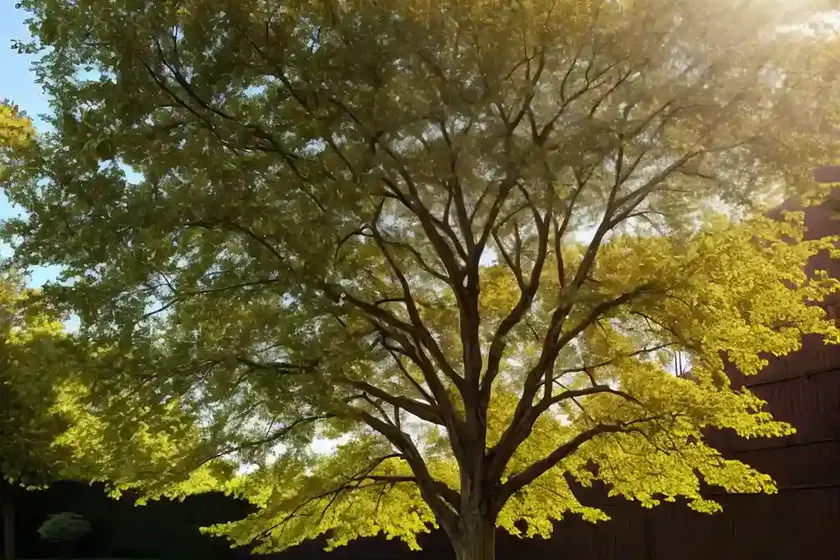
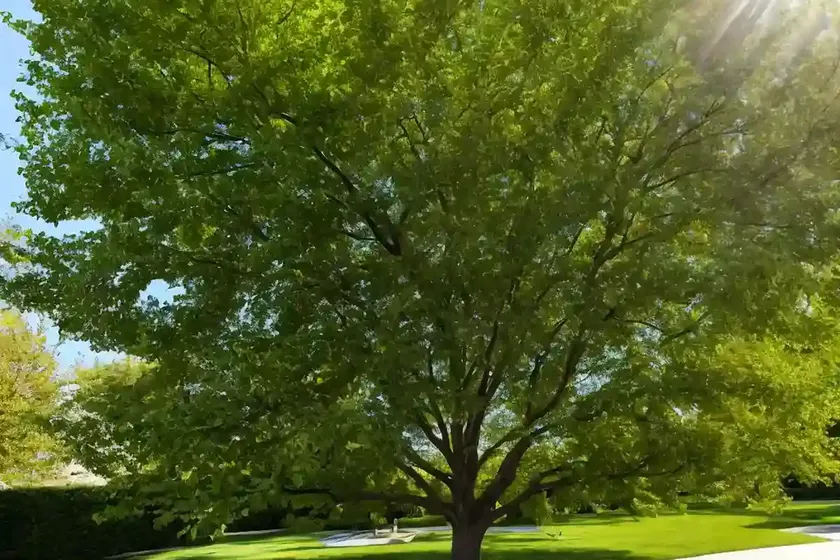
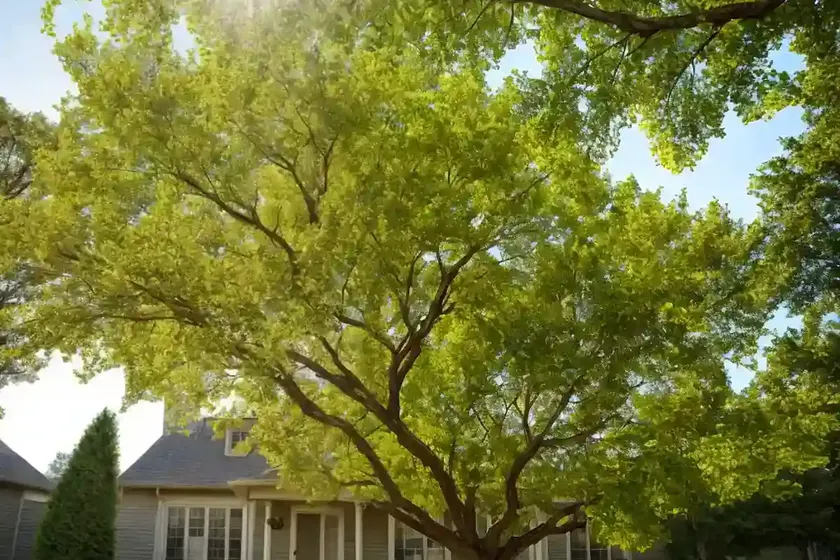
The American Elm tree (Ulmus americana) holds a special place in the heart of plant enthusiasts and nature lovers. This iconic tree species is deeply rooted in North American history and culture, not only for its towering presence and striking appearance but also for its ecological significance. In this comprehensive guide, we will delve into the captivating world of the American Elm, exploring its botanical characteristics, cultural significance, environmental importance, and practical aspects of cultivation and care.
What is Ulmus americana?
Plant Classification and Characteristics
The American Elm, or Ulmus americana, belongs to the Ulmaceae family and is known for its grand stature and distinguishable elm-shaped leaves. It is a deciduous tree native to North America, where it thrives in diverse habitats ranging from floodplains to upland forests. The American Elm is renowned for its elegant vase-shaped crown and its ability to grow up to remarkable heights, often exceeding 100 feet in ideal conditions. The tree’s distinctive bark furrows vertically and forms an intricate diamond pattern, lending it a unique and recognisable appearance.
American Elm trees are extensively studied and cherished for their complex root systems, which play a crucial role in stabilizing soil and preventing erosion. Furthermore, their high resistance to wind and their adaptability to various soil types make them valuable species in landscaping and urban forestry.
Key Takeaways – Ulmus americana (American Elm)
The American Elm (Ulmus americana) embodies a rich tapestry of ecological, cultural, and practical significance. Here are key takeaways that epitomize the essence of this iconic tree:
- Iconic Species: The American Elm is an iconic tree species that holds a revered place in North American culture and history, symbolizing endurance and resilience.
- Ecological Importance: These majestic trees play a vital role in sustaining diverse ecosystems and are known for their environmental contributions, including soil stabilization and habitat provision for various wildlife species.
- Distinctive Appearance: With its classic vase-shaped crown and diamond-patterned bark, the American Elm elicits a sense of grandeur and natural beauty in any landscape.
- Cultural Significance: Deeply intertwined with indigenous traditions and historical events, the American Elm has woven itself into the cultural fabric of North America, inspiring folklore, art, and conservation efforts.
Now, let’s delve deeper into the various facets of the American Elm, from its cultural symbolism to its practical applications in horticulture and landscaping.
Culture
Symbolism and Heritage
The American Elm holds deep cultural significance, often symbolizing strength, endurance, and resilience. In Native American folklore, these majestic trees were revered as symbols of wisdom and served as sacred meeting places. Additionally, the American Elm was historically integrated into the cultural landscape of early American settlements, where it provided shade and shelter, leaving an indelible mark on the country’s heritage.
Art and Photography
The timeless beauty of these magnificent trees has inspired countless artists and photographers, who have captured their graceful form and tranquil presence in various forms of art. From classic paintings to modern photography, the American Elm continues to be a muse for creative expression, showcasing the enduring allure of nature’s wonders.
Folklore and Conservation Efforts
The American Elm’s rich folklore and cultural significance have also propelled numerous conservation efforts to protect and preserve these iconic trees. In response to the devastating impact of Dutch Elm disease, which decimated American Elm populations in the 20th century, dedicated conservationists have worked tirelessly to restore and safeguard these cherished trees, reflecting the enduring spirit of conservation and stewardship.
Uses
Landscape Design and Urban Forestry
The American Elm’s graceful form and towering presence make it an exceptional choice for landscape design and urban forestry. Its broad, arching branches and lush foliage create a striking silhouette, making it an appealing choice for parks, streetscapes, and public spaces. Furthermore, its impressive canopy provides ample shade, enhancing the aesthetic and environmental value of urban landscapes.
Wood Utilization and Historical Significance
Historically, the wood of the American Elm was highly prized for its durability and attractive grain, making it a sought-after material for furniture, flooring, and veneers. Its prominent role in shaping American craftsmanship and architecture underscores its enduring legacy and historical significance.
Environmental Importance and Ecosystem Services
Beyond its aesthetic and utilitarian value, the American Elm contributes significantly to the well-being of ecosystems through essential ecosystem services. These include soil stabilization, habitat provision for wildlife, and carbon sequestration, highlighting its vital role in fostering ecological resilience and biodiversity.
American Elm Care and Cultivation
To cultivate healthy and vibrant American Elm trees, it is essential to provide optimal growing conditions and proactive care. Here are the key factors to consider when cultivating and maintaining these iconic trees:
Water
- Adequate Irrigation: American Elm trees benefit from regular watering, especially during periods of drought or dry spells. Deep, thorough watering is essential to ensure the development of a strong and expansive root system, promoting the tree’s overall health and resilience.
Sunlight
- Full Sun Exposure: American Elm trees thrive in full sunlight, ideally receiving at least 6 to 8 hours of direct sunlight daily. Optimal sun exposure promotes robust growth, lush foliage, and the development of the tree’s distinctive form.
Fertilizer
- Balanced Nutrient Supply: Applying a balanced fertilizer, specifically formulated for trees, can support the American Elm’s growth and vitality. Select a slow-release fertilizer to provide sustained nourishment over time, and follow recommended application rates to avoid overfertilization.
Soil
- Well-Drained, Nutrient-Rich Soil: American Elm trees thrive in loamy, well-drained soil that is rich in organic matter. Prioritize soil moisture management and avoid overly compacted or waterlogged soil conditions to promote healthy root development and overall tree vigor.
Pruning
- Structural Maintenance: Regular pruning can help shape the tree’s canopy, remove dead or diseased branches, and maintain an open, balanced crown structure. Prune American Elm trees during the dormant season to minimize stress and promote optimal healing.
Propagation
- Seed Propagation: American Elm trees can be propagated from seeds, which should be collected from healthy, mature trees. Germinating the seeds in a controlled environment and subsequent transplantation can yield new American Elm saplings for propagation and conservation efforts.
Container Popularity and Landscape Design
- Container Planting: While American Elm trees are primarily renowned for their majestic presence in natural landscapes, they can also be cultivated in large containers for ornamental and urban landscaping purposes. Container-grown American Elms offer versatility in design and can enhance outdoor spaces with their graceful form and lush foliage.
Common Diseases and Pest Management
Disease Diagnosis
- Dutch Elm Disease: One of the most devastating threats to American Elm trees is Dutch Elm disease, caused by the fungal pathogen Ophiostoma novo-ulmi. This virulent disease spreads through elm bark beetles and disrupts water transport within the tree, leading to wilting, yellowing foliage, and eventual tree mortality.
Common Pests
- Elm Bark Beetles: These small, aggressive beetles are vectors for Dutch Elm disease and can quickly infest healthy American Elm trees, transmitting the fungal pathogen and initiating disease development. Effective pest management strategies are crucial to mitigate the impact of elm bark beetles on tree health.
Botanist’s Tips for American Elm Care
-
Early Detection: Regularly monitor American Elm trees for symptoms of Dutch Elm disease, such as wilting foliage and streaking in the xylem, and promptly seek professional arboricultural assistance if signs of disease are observed.
-
Sustainable Irrigation: Implement an efficient irrigation regimen to maintain adequate soil moisture without promoting waterlogging, ensuring the tree’s vitality and resilience in varying environmental conditions.
-
Soil Amelioration: Prioritize soil health and fertility by incorporating organic matter and employing mulching practices to enhance soil structure and nutrient availability for the American Elm’s root system.
-
Integrated Pest Management: Integrate proactive measures, such as selecting disease-resistant cultivars and implementing elm bark beetle control strategies, to safeguard American Elm trees from prevalent pests and diseases.
Fun Facts about Ulmus americana
- The American Elm served as a meeting place for Native American tribes, symbolizing harmony, communication, and unity.
- American Elm wood was historically utilized for the construction of wagon wheels due to its exceptional strength and flexibility.
- The graceful silhouette of the American Elm has inspired renowned landscape architects, including Frederick Law Olmsted, who incorporated these majestic trees into iconic park designs.
Links to External Resources
Explore the captivating world of the American Elm tree and delve deeper into its cultural significance, ecological importance, and practical applications through the following resources:
- The Morton Arboretum – American Elm
- USDA Forest Service – Ulmus americana
- The National Wildlife Federation – Restoring American Elms
- Missouri Botanical Garden – Dutch Elm Disease
- Smithsonian Magazine – The American Elm’s Vital Role in American History
Conclusion: Embracing the Timeless Legacy of the American Elm
As we immerse ourselves in the captivating realm of the American Elm (Ulmus americana), it becomes clear that this iconic tree transcends its botanical identity, weaving an intricate tapestry of cultural symbolism, ecological importance, and horticultural value. From the sprawling landscapes of North America to the hearts of conservationists and admirers worldwide, the American Elm continues to stand as a testament to resilience, endurance, and the enduring beauty of nature. As we honor its legacy and actively engage in preservation efforts, we ensure that future generations can revel in the timeless majesty of the American Elm, perpetuating its profound impact on history, culture, and the natural world.


