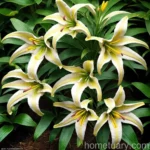
Turkscap Lily (Lilium martagon)
As a plant scientist with a passion for botany, I am thrilled to share insights on the versatile and exquisite Turkscap lily, scientifically known as Lilium martagon. This blog post aims to provide an in-depth understanding of this captivating plant, covering its culture, uses, care requirements, propagation techniques, common diseases and pests, along with other essential aspects. Whether you are an avid gardener, a nature enthusiast, or a botany aficionado, this comprehensive guide will equip you with the knowledge needed to cultivate and appreciate the Turkscap lily to its fullest potential.
What is a Plant?
Before diving into the specifics of the Turkscap lily, let’s explore the fundamental concept of a plant. Plants are living organisms categorized within the kingdom Plantae, characterized by their ability to photosynthesize, which allows them to convert light energy into chemical energy by utilizing chlorophyll present in their leaves. Plants play a pivotal role in various ecosystems, serving as primary producers and offering habitats and food for numerous organisms. Additionally, they contribute to crucial ecological processes such as oxygen production and carbon sequestration.
Plants display remarkable diversity, ranging from minute mosses to towering trees, and encompass a myriad of forms, structures, and reproductive strategies. The study of plants, known as botany, encompasses an extensive range of disciplines, including plant anatomy, physiology, ecology, and genetics, offering profound insights into the intricate mechanisms and functionalities of these remarkable organisms.
Turkscap Lily (Lilium martagon)
The Turkscap lily, or Lilium martagon, stands as a captivating member of the lily family, renowned for its elegant and distinctive appearance. Native to various regions across Europe and Asia, this perennial plant exhibits a cluster of intriguing, nodding flowers that resemble a turban, hence lending it the name “Turkscap.” Its allure and versatility have made it a favorite among gardeners and landscaping enthusiasts, contributing to its widespread cultivation in home gardens, botanical displays, and natural landscapes.
Key Takeaways – Turkscap lily (Lilium martagon)
Before delving into the detailed aspects of the Turkscap lily, let’s outline the key takeaways that we will explore in this comprehensive guide:
- Culture
- Uses
- Water
- Sunlight
- Fertilizer
- Soil
- Pruning
- Propagation
- Container Popularity
- Container Common Diseases
- Disease Diagnosis
- Common Pests
- Botanist’s Tips
- Fun Facts
- Links to External Resources
Now, let’s embark on an enlightening journey to unravel the enchanting world of Turkscap lilies.
Cultivation of Turkscap Lily
Uses
The Turkscap lily, with its graceful and flamboyant blooms, serves a range of horticultural and ornamental purposes, enriching gardens, landscapes, and floral arrangements. Some of its prominent uses include:
- Garden Beautification: Turkscap lilies contribute to the aesthetic appeal of gardens, attracting attention with their distinctive blossoms and vibrant colors.
- Cut Flowers: The striking blooms of the Turkscap lilies are frequently utilized in floral arrangements, adding an exotic and captivating touch to bouquets and ornamental displays.
- Landscaping: These lilies are often incorporated into landscaping designs, enhancing the visual allure of outdoor spaces and lending a sense of natural splendor to various settings.
Water
Ensuring adequate water is crucial for the health and vitality of Turkscap lilies. While they thrive in moist conditions, they are susceptible to root rot if exposed to waterlogged soil. Optimal watering practices include providing consistent moisture, especially during periods of active growth and blooming, while also promoting good drainage to prevent water stagnation and associated complications.
Sunlight
Turkscap lilies exhibit a penchant for dappled sunlight or partial shade, thriving in locations that offer filtered sunlight throughout the day. This gentle exposure shields the delicate blooms from excessive heat and direct glare, fostering favorable conditions for robust growth and prolific flowering.
Fertilizer
Fertilization plays a pivotal role in sustaining the vigor and blooming prowess of Turkscap lilies. Employing a balanced, slow-release fertilizer enriched with essential nutrients aids in bolstering the plant’s overall health and augmenting the quality and quantity of its blossoms. Application of fertilizer during the growing season, coupled with periodic soil amendments, fosters robust growth and flourishing floral displays.
Soil
The cultivation of Turkscap lilies necessitates well-draining, fertile soil that provides ample aeration and moisture retention. A loamy or sandy substrate infused with organic matter, such as compost or peat, serves as an ideal planting medium, offering an optimal balance of nutrients, moisture, and soil structure.
Pruning
Pruning techniques are instrumental in maintaining the vigor and exuberance of Turkscap lilies, encouraging enhanced blooming and overall plant health. Deadheading spent flowers, removing withered foliage, and employing judicious pruning practices promote tidiness, prevent disease proliferation, and redirect energy towards active growth and bloom production.
Propagation
The propagation of Turkscap lilies encompasses various techniques, including:
- Division: Dividing established clumps in early spring or autumn allows for the creation of new plants and facilitates rejuvenation of mature specimens.
- Bulb Offsets: Harvesting and planting bulb offsets generated by mature Turkscap lilies enables the expansion of their population and the perpetuation of their genetic lineage.
- Seed Propagation: Utilizing seeds for propagation offers an alternative avenue for fostering genetic diversity and generating new hybrids, necessitating patience and meticulous care to cultivate viable seedlings.
Container Gardening and Popularity of Turkscap Lily
Container Popularity
Turkscap lilies are well-suited for container gardening, showcasing their versatility and ornamental appeal in various outdoor and indoor settings. The compact and decorative nature of containers accentuates the splendor of their blooms, enabling enthusiasts to cultivate these captivating lilies in limited spaces, patios, balconies, and other confined environments.
Container Common Diseases
Container-grown Turkscap lilies are susceptible to specific diseases and stressors associated with confined cultivation, including:
- Root Bound Conditions: Prolonged confinement in containers can lead to root binding, hindering proper nutrient uptake and compromising the overall vigor and health of the plants.
- Soil Diseases: Container substrates may harbor soil-borne pathogens and pests, posing a threat to the well-being of Turkscap lilies and necessitating preventive measures to mitigate potential disease development.
Disease Diagnosis
The diagnosis of diseases affecting Turkscap lilies in containers entails vigilant observation and prompt intervention to address potential ailments and preserve the vitality of the plants. Symptoms of diseases such as fungal infections, root rot, and nutrient deficiencies warrant thorough evaluation, with subsequent implementation of targeted remedial actions and cultural adjustments to rectify underlying issues.
Common Pests
Container-cultivated Turkscap lilies are susceptible to pest infestations, including aphids, spider mites, and thrips, which can undermine the overall health and aesthetic appeal of the plants. Implementing proactive pest management measures, such as regular monitoring, cultural practices, and judicious application of organic or botanical insecticides, aids in safeguarding the integrity and vigor of containerized Turkscap lilies.
Botanist’s Tips and Fun Facts about Turkscap Lily
Botanist’s Tips
As a seasoned plant scientist with a profound appreciation for the intricacies of Turkscap lilies, here are some insightful tips to enhance your cultivation endeavors:
- Mulching: Applying a protective layer of organic mulch around Turkscap lilies aids in moisture retention, regulates soil temperature, suppresses weed growth, and enriches the soil with organic matter as the mulch decomposes.
- Companion Planting: Pairing Turkscap lilies with compatible companion plants, such as ferns, hostas, or ornamental grasses, yields aesthetically pleasing combinations and fosters ecological balance within garden ecosystems.
- Wildlife Attraction: The vibrant blooms of Turkscap lilies entice pollinators such as bees, butterflies, and hummingbirds, contributing to the ecological significance and biodiversity of garden landscapes.
Fun Facts
Unraveling the allure and mystique of Turkscap lilies unveils a treasury of captivating and intriguing facts:
- Symbolism: The Turkscap lily symbolizes purity, renewal, and resilience, ingraining cultural and ornamental significance in various traditions and folklore.
- Fragrance: Some varieties of Turkscap lilies emanate a delightful, exotic fragrance, captivating the senses and infusing outdoor spaces with a captivating allure.
- Hardiness: Turkscap lilies exhibit remarkable resilience and adaptability, thriving in diverse climatic conditions and enduring seasonal shifts with grace and fortitude.
Conclusion
The enchanting allure and versatile appeal of Turkscap lilies, or Lilium martagon, position them as compelling candidates for horticultural enthusiasts, landscape designers, and admirers of natural beauty. Through a nuanced understanding of their culture, care requirements, and ornamental potential, gardeners can enrich their outdoor spaces and savor the captivating splendor of these elegant lilies. By embracing the insights and tips delineated in this comprehensive guide, enthusiasts can embark on a rewarding journey of Turkscap lily cultivation, fostering thriving plants and cultivating a deeper appreciation for the botanical marvels that grace our natural world.
Immersing oneself in the realm of Turkscap lilies lends an opportunity to celebrate the resilience, elegance, and ecological significance of these remarkable plants, fostering an enduring connection with nature and kindling a sense of wonder and admiration for the captivating tapestry of botanical diversity.
As the splendor of Turkscap lilies continues to captivate and inspire, the pursuit of gardening and botanical exploration offers a gateway to revel in the enchanting allure of nature’s most exquisite creations.
References
- American Society for Horticultural Science. (n.d.). Plant Health – The Benefits of Plants. https://www.ashs.org/page/plantbenefits
- The Royal Horticultural Society. (2021). Turk’s cap lily. https://www.rhs.org.uk/plants/80158/lilium-martagon/details
- University of Florida IFAS Extension. (2018). Lily Diseases and Their Control. https://edis.ifas.ufl.edu/publication/mg405
- The National Gardening Association. (2021). Calculating Fertilizer Application Rates. https://garden.org/learn/articles/view/61/
- UMass Amherst Greenhouse Crops and Floriculture Program. (n.d.). Cultural Guidelines for Commercial Turk’s Cap Lily (Lilium martagon) Production. https://ag.umass.edu/sites/ag.umass.edu/files/fact-sheets/pdf/turks_lily_cultural_guide.pdf