Turk’s-cap (Malvaviscus arboreus): A Comprehensive Guide to Plant Care and Cultivation
Turk’s-cap, scientifically known as Malvaviscus arboreus, is a fascinating flowering plant that belongs to the Malvaceae family. This beautiful shrub is not only a delightful addition to any garden but also has a number of cultural, medicinal, and ecological uses. In this comprehensive guide, we will delve into the various aspects of Turk’s-cap, from its cultural requirements and uses to its propagation, common diseases, and pest management. Additionally, we will explore some fun facts and provide useful tips for cultivating and caring for Turk’s-cap plants to ensure they thrive in different environments.
What is Turk’s-cap (Malvaviscus arboreus)?
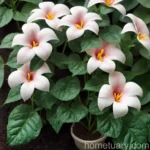
Turk’s-cap, also known as wax mallow, Turk’s turban, and Scotchman’s purse, is a perennial evergreen shrub characterized by its distinctive and colorful flowers. The plant is native to various regions, including parts of the southern United States, Mexico, and Central America. Turk’s-cap is known for its vibrant, hibiscus-like flowers, which come in shades of red, pink, and occasionally white. These unique flowers have an interesting tubular shape, often described as resembling a turban or cap, hence the plant’s common name.
Key Takeaways – Turk’s-cap (Malvaviscus arboreus)
Before we delve into the specifics of Turk’s-cap plant care, let’s take a moment to highlight some key takeaways about this intriguing plant.
- Botanical Name: Malvaviscus arboreus
- Common Names: Turk’s-cap, wax mallow, Turk’s turban, Scotchman’s purse
- Family: Malvaceae
- Type: Evergreen perennial shrub
- Flowers: Distinctive, tubular flowers in shades of red, pink, and white
- Uses: Cultural, medicinal, ecological, and ornamental
- Native Habitat: Southern United States, Mexico, and Central America
- Growth Habit: Compact, bushy growth with a moderate size
- Attracts Wildlife: Birds, butterflies, and hummingbirds
- Hardiness Zone: Suitable for USDA hardiness zones 8 to 11
Now that we have an overview of Turk’s-cap, let’s explore the various facets of cultivating and caring for this charming plant.
Culture
Cultivating Turk’s-cap requires an understanding of its specific cultural requirements, including water, sunlight, fertilizer, and soil preferences.
Water
Turk’s-cap plants generally prefer moderate to regular watering, especially during the growing season. While they can tolerate brief periods of drought, consistent moisture is beneficial for promoting healthy growth and vibrant flowering. However, it’s important to avoid waterlogging the soil, as this can lead to root rot and other issues.
Watering Tips:
– Water Turk’s-cap plants when the top inch of the soil feels dry to the touch.
– Provide deep, thorough watering rather than frequent shallow watering to encourage robust root development.
– Consider using mulch around the base of the plant to help retain soil moisture and regulate temperature.
Sunlight
In terms of sunlight requirements, Turk’s-cap plants thrive in full sun to partial shade. They benefit from receiving at least 6 hours of direct sunlight per day, particularly in cooler climates. However, in regions with intense heat, providing some afternoon shade can help prevent excessive stress on the plants.
Sunlight Considerations:
– Position Turk’s-cap plants in a location with morning sun and afternoon shade in hot climates.
– In cooler regions, ensure that the plants receive ample sunlight to promote flowering and overall vigor.
Fertilizer
When it comes to fertilizer, Turk’s-cap plants benefit from a balanced, slow-release fertilizer applied during the growing season. Avoid over-fertilizing, as this can lead to excessive foliage growth at the expense of flowering.
Fertilizer Recommendations:
– Use a general-purpose, slow-release fertilizer with equal NPK (nitrogen, phosphorus, and potassium) ratios.
– Apply fertilizer in early spring, just before the start of the growing season, to support healthy growth and flowering.
Soil
Turk’s-cap plants thrive in well-draining, slightly acidic to neutral soil. They can adapt to a range of soil types, including sandy, loamy, or clay soils, as long as good drainage is maintained.
Soil Preferences:
– Ensure the soil is loose and well-draining to prevent waterlogging.
– Incorporate organic matter, such as compost or well-rotted manure, into the soil at planting to improve its structure and fertility.
Uses
Turk’s-cap has a diverse range of uses, from traditional medicinal applications to its role in attracting wildlife and its ornamental value in gardens and landscapes.
Medicinal Uses
In traditional medicine, various parts of the Turk’s-cap plant, including the flowers, leaves, and roots, have been utilized for their purported medicinal properties. The plant has been used to make herbal infusions, tinctures, and poultices to address ailments such as digestive issues, inflammation, and skin conditions.
Medicinal Applications:
– Infusions and decoctions made from Turk’s-cap leaves have been used to alleviate digestive discomfort.
– Poultices prepared from the plant’s leaves and roots have been applied externally to reduce inflammation and soothe skin irritations.
Wildlife Attractant
The nectar-rich flowers of Turk’s-cap plants serve as a valuable food source for a variety of wildlife, including birds, butterflies, and hummingbirds. By planting Turk’s-cap in gardens and natural areas, enthusiasts can create attractive habitats for these delightful creatures.
Wildlife Benefits:
– Attracts hummingbirds with its tubular flowers that provide access to nectar through their long beaks.
– Draws butterflies seeking nectar, contributing to the overall biodiversity and ecological balance of the area.
Ornamental Value
Turk’s-cap’s eye-catching flowers, compact growth habit, and adaptability make it a popular choice for ornamental landscaping. The plant can be used in mixed borders, as a focal point in garden beds, or as a charming addition to native plant gardens.
Ornamental Applications:
– Plant Turk’s-cap in groups or clusters to create a striking display of vibrant flowers.
– Use Turk’s-cap as a low-maintenance, colorful addition to naturalistic landscaping schemes or woodland gardens.
Pruning
Proper pruning is essential for maintaining the health and appearance of Turk’s-cap plants. Regular pruning helps control the plant’s size, shape, and promotes abundant flowering.
Pruning Techniques:
Deadheading: Remove spent flowers regularly to encourage continuous blooming and prevent the plant from expending energy on seed production.
Thinning: Thin out overcrowded or crossing branches to improve air circulation and light penetration within the plant.
Renewal Pruning: Every few years, perform renewal pruning by cutting back older stems to the base to rejuvenate the plant and stimulate new growth.
Timing: Prune Turk’s-cap plants during late winter or early spring before new growth emerges.
Propagation
Propagating Turk’s-cap plants can be achieved through various methods, including stem cuttings, division, and seeds. Each propagation method has its own advantages, and the choice of technique may depend on the specific requirements and resources available to the gardener.
Propagation Methods:
Stem Cuttings: Take 4- to 6-inch stem cuttings from healthy Turk’s-cap plants and root them in a well-draining medium.
Division: Divide mature Turk’s-cap plants by carefully separating the root ball into sections, ensuring that each division has sufficient roots and foliage.
Seeds: Collect ripe Turk’s-cap seeds and sow them in a suitable potting mix, providing the necessary warmth and moisture for germination.
Container Popularity
Turk’s-cap plants are well-suited for container gardening, offering the opportunity to enjoy their vibrant flowers and lush foliage in smaller spaces such as patios, balconies, and courtyards.
Container Gardening Tips:
– Choose a spacious, sturdy container with drainage holes to accommodate the root system and prevent waterlogging.
– Use a well-draining potting mix and ensure that the container receives adequate sunlight for optimal growth and flowering.
Common Diseases
Like any other plant, Turk’s-cap is susceptible to certain diseases, though proper cultural practices can help mitigate the risk and impact of these issues.
Disease Prevention:
Powdery Mildew: Keep foliage dry by watering at the base of the plants and promoting good air circulation.
Leaf Spot: Avoid overhead watering to minimize leaf moisture and remove and dispose of infected plant debris.
Root Rot: Ensure well-draining soil and avoid overwatering to prevent the development of root rot.
Disease Diagnosis
When diagnosing potential diseases affecting Turk’s-cap plants, it’s important to closely examine the symptoms and assess relevant environmental factors. Common signs of disease include abnormal discoloration, wilting, and physical manifestations on the leaves, stems, or flowers.
Diagnosis Tips:
– Look for characteristic symptoms, such as powdery white patches on foliage for powdery mildew or dark, water-soaked spots for leaf spot diseases.
– Consider recent changes in environmental conditions, such as excessive moisture or poor air circulation, that may contribute to disease development.
Common Pests
Turk’s-cap plants may also face challenges from various pests, including aphids, spider mites, and caterpillars. Regular monitoring and early intervention can help prevent pest infestations from causing significant damage to the plants.
Pest Control Strategies:
Hose Off:
– Use a gentle spray of water to dislodge aphids and spider mites from the plants, particularly on the undersides of leaves.
Biological Control:
– Introduce beneficial insects, such as ladybugs and lacewings, to prey on pest populations and maintain ecological balance.
Organic Sprays:
– Apply neem oil or insecticidal soap as natural and environmentally friendly solutions to control common pests.
Botanist’s Tips
As a botanist, I have some valuable tips for enthusiasts looking to cultivate and care for Turk’s-cap plants.
Tip 1: Create a diverse planting environment with a mix of native flowering plants to attract a wide range of beneficial insects and wildlife.
Tip 2: Monitor soil moisture levels regularly to ensure consistent but not excessive watering, especially during periods of high temperatures.
Tip 3: Encourage natural predators and wildlife in the garden, as they contribute to pest control and enhance the overall ecosystem.
Fun Facts
Here are a few intriguing and fun facts about Turk’s-cap plants that showcase their unique attributes and ecological significance.
- Turk’s-cap flowers are often visited by hummingbirds, which are attracted to the tubular shape of the blossoms.
- The plant’s scientific name, Malvaviscus arboreus, reflects its relation to the mallow family (Malvaceae) and its sticky or viscous (viscus) nature.
- Turk’s-cap plants are drought-tolerant once established, making them suitable for water-wise landscapes and xeriscaping.
Links to External Resources
For further information on Turk’s-cap (Malvaviscus arboreus) and related topics, the following external resources may be informative and helpful:
- Plant Database – Turk’s-cap (Malvaviscus arboreus) Varieties
- Wildlife Gardening – Attracting Pollinators to Your Garden
- Medicinal Uses of Native Plants in Traditional Herbalism
- Gardening With Drought-Tolerant Plants – Water-Wise Landscaping
- Garden Design and Planting Ideas for Ornamental Landscapes
In conclusion, Turk’s-cap (Malvaviscus arboreus) is an enchanting and versatile plant with a rich cultural history, ecological value, and ornamental appeal. By understanding its specific requirements and implementing appropriate care practices, enthusiasts can enjoy the beauty and benefits of Turk’s-cap plants in gardens, landscapes, and natural settings. Whether used for its medicinal properties, as a wildlife attractant, or simply as a stunning addition to ornamental gardens, Turk’s-cap has much to offer to plant enthusiasts and nature lovers alike.