Turkish Sage (Phlomis Russeliana)
Whether you are a seasoned gardener or just starting out, the Turkish Sage (Phlomis Russeliana) is a plant that deserves your attention. This hardy.
Introduction to Turkish Sage (Phlomis Russeliana)
Whether you are a seasoned gardener or just starting out, the Turkish Sage (Phlomis Russeliana) is a plant that deserves your attention. This hardy perennial plant, also known as Jerusalem Sage, is native to the Mediterranean region and is admired for its attractive foliage, vibrant flowers, and a multitude of versatile uses. As a plant scientist, I am excited to delve into the intricacies of this remarkable plant and provide you with insights into its cultivation, care, and the multitude of benefits it offers.
What is Turkish Sage (Phlomis Russeliana)?
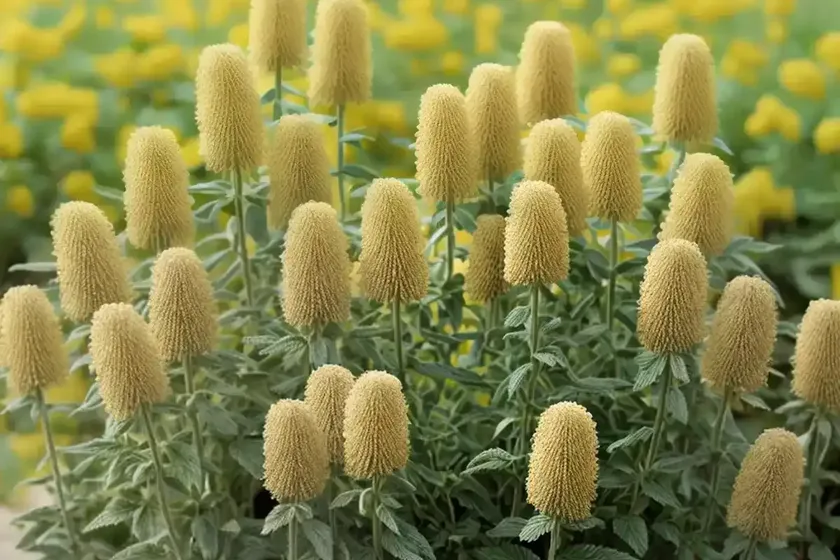
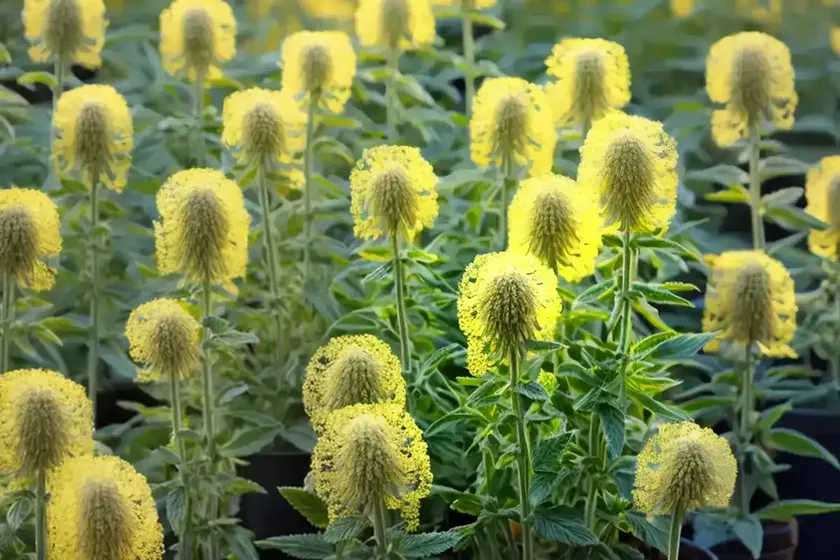
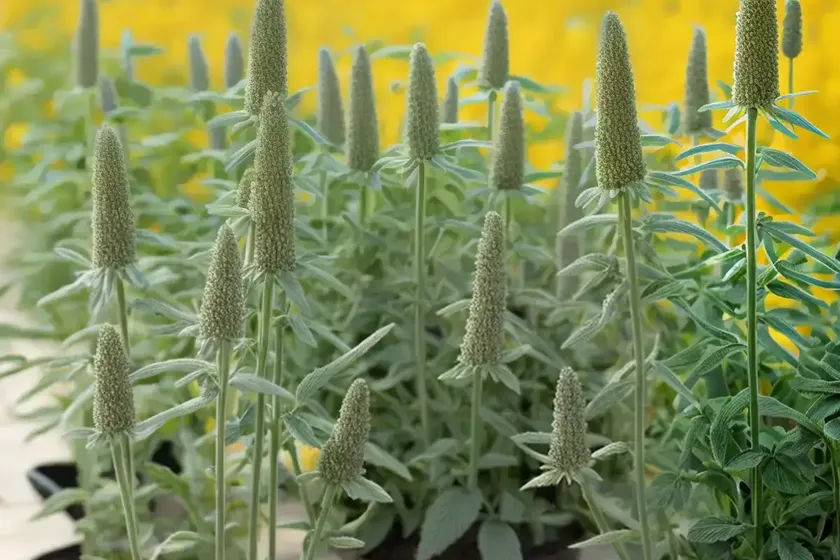
Turkish Sage, scientifically known as Phlomis Russeliana, is a species of flowering plant in the mint family, Lamiaceae. It features textured, heart-shaped, green leaves with a velvety texture and produces whorls of soft yellow blooms on tall, erect stems. This plant’s name originates from the Ancient Greek word “phlomis,” which refers to a type of plant that grows in dry, rocky areas. Native to regions with a Mediterranean climate, including parts of Turkey, Syria, and Lebanon, Turkish Sage has adapted to thrive in arid, sunny conditions, making it an excellent choice for landscapes with similar climates.
Turkish Sage is a popular choice for gardeners, thanks to its ability to attract pollinators, its low maintenance requirements, and its ornamental appeal. Additionally, it has a rich historical and cultural significance, with traditional uses in herbal medicine and cuisine.
Key Takeaways – Turkish Sage (Phlomis Russeliana)
Before delving into the specifics of cultivating and caring for Turkish Sage, let’s review some key takeaways about this remarkable plant. These highlights will provide a comprehensive overview of its characteristics and the benefits it offers, setting the stage for a deeper exploration of its cultivation and utilization.
Key Takeaways
- Plant Name: Turkish Sage (Phlomis Russeliana)
- Botanical Classification: Lamiaceae family
- Common Names: Jerusalem Sage
- Native Habitat: Mediterranean region (Turkey, Syria, Lebanon)
- Growth Habits: Perennial with textured, heart-shaped leaves and soft yellow flowers
- Cultural Significance: Traditional uses in herbal medicine and cuisine
- Benefits: Drought-tolerant, ornamental, attracts pollinators
Now that we have established an overview of Turkish Sage, let’s delve into the specific aspects of its cultivation, care, and utilization.
Cultivation of Turkish Sage (Phlomis Russeliana)
Culture
Uses
Turkish Sage is a versatile plant with a wide range of uses that make it a valuable addition to any garden or landscape. Its primary uses include:
-
Ornamental: The striking foliage and vibrant yellow flowers make Turkish Sage a popular choice for ornamental gardens and landscapes. Its tall, upright habit adds vertical interest to garden beds and borders.
-
Medicinal: Historically, Turkish Sage has been used in traditional herbal medicine for its various medicinal properties. The leaves and flowers are known for their aromatic and healing qualities.
-
Culinary: While not as commonly utilized in modern culinary practices, Turkish Sage has a history of use in traditional cuisines, particularly in Mediterranean and Middle Eastern dishes. The leaves can be used to impart a subtle, earthy flavor to culinary creations.
Water
Turkish Sage is renowned for its tolerance to drought conditions, making it an excellent choice for regions with minimal water availability and well-draining soil. While it can withstand periods of drought, it’s essential to provide regular watering during its establishment phase and extended dry spells to support healthy growth and flowering.
Sunlight
As a native of the Mediterranean region, Turkish Sage thrives in full sunlight and prefers open, sunny locations. It requires a minimum of 6-8 hours of direct sunlight per day to flourish and produce an abundant display of striking yellow flowers. In shadier conditions, its growth and flowering may be compromised.
Fertilizer
When it comes to fertilization, Turkish Sage is relatively low-maintenance and generally thrives in nutrient-poor soils. Excessive fertilization can lead to excessive foliage growth at the expense of flowering. However, a light application of a balanced fertilizer in the early spring can support the plant’s overall health and vigor.
Soil
The ideal soil for Turkish Sage is well-draining and moderately fertile, resembling the rocky, dry conditions of its native Mediterranean habitat. A sandy or loamy soil with good drainage is preferable to prevent waterlogging, which can lead to root rot. Additionally, a slightly alkaline to neutral pH level of 6.5 to 7.5 is well-suited for optimal growth.
Pruning
Pruning plays a vital role in maintaining the health and shape of Turkish Sage plants. Regular pruning is beneficial for removing spent flower spikes, shaping the plant, and rejuvenating its growth. Pruning should be carried out in the early spring before new growth emerges to encourage a bushy, compact form and prolific flowering.
Propagation
Turkish Sage can be propagated through both seeds and vegetative methods:
-
Seed Propagation: Collect seeds from mature seed heads in the fall and sow them in well-draining seed-starting mix. Keep the soil consistently moist until germination occurs, typically within 2-3 weeks.
-
Division: Established Turkish Sage plants can be divided during the early spring to create new plants. Carefully lift the plant from the ground, divide the root ball into sections, and replant the divisions in suitable locations.
Container Popularity
Due to its compact growth habit and stunning ornamental features, Turkish Sage is well-suited for container gardening. It thrives in large containers filled with well-draining, sandy soil, making it a versatile addition to patios, balconies, and rooftop gardens.
Common Diseases
Turkish Sage is relatively resistant to diseases, particularly when grown in optimal conditions with proper air circulation and well-draining soil. However, it may be susceptible to root rot and fungal infections if subjected to prolonged periods of excessive moisture. Vigilance in providing suitable growing conditions and practicing good sanitation can help prevent disease issues.
Disease Diagnosis
When diagnosing potential diseases in Turkish Sage, it’s essential to monitor the plant for symptoms such as wilting, yellowing foliage, or the presence of mold or mildew. Proper identification of the specific disease symptoms is crucial for implementing targeted treatment and preventing the spread of the infection to nearby plants.
Common Pests
While Turkish Sage is generally resistant to most pests, it may occasionally attract aphids, spider mites, or whiteflies, particularly when stressed or growing in suboptimal conditions. Regularly inspecting the plant for signs of pest infestations and implementing appropriate pest control measures, such as natural predators or horticultural oils, can help maintain its health.
Botanist’s Tips for Growing Turkish Sage (Phlomis Russeliana)
As a plant scientist with expertise in the cultivation of ornamental and medicinal plants, I have compiled a set of botanist’s tips to support the successful growth and care of Turkish Sage. These tips encompass essential practices that can enhance the plant’s vigor, flower production, and overall health.
Botanist’s Tips
-
Selecting the Planting Site: Choose a well-draining, sunny location for Turkish Sage to optimize its growth and flowering potential.
-
Watering Practices: Provide regular, moderate watering during the plant’s establishment phase, and then gradually transition to occasional watering once it has become established.
-
Soil Preparation: Amend the soil with organic matter, such as compost, to improve its texture and fertility, and ensure optimal drainage.
-
Pruning Technique: Prune Turkish Sage in the early spring to remove spent flower spikes and shape the plant. Avoid heavy pruning during the growing season to prevent stress.
-
Fertilization Approach: Apply a balanced fertilizer in the early spring to provide essential nutrients without promoting excessive foliage growth.
-
Pest Management: Monitor the plant for signs of pest infestations and employ natural pest control methods, such as beneficial insects, to mitigate pest populations.
-
Disease Prevention: Maintain good air circulation around the plant and avoid overwatering to prevent the onset of fungal diseases.
-
Propagation Timing: For optimal success, propagate Turkish Sage from seeds in the early spring or through division when the plant is actively growing.
By incorporating these botanist’s tips into your gardening practices, you can cultivate thriving Turkish Sage plants that exhibit robust growth and abundant flowering.
Fun Facts about Turkish Sage (Phlomis Russeliana)
To further intrigue and captivate enthusiasts of gardening and horticulture, let’s explore some fascinating fun facts about Turkish Sage. These insights shed light on the plant’s unique attributes, historical significance, and its role in supporting local ecosystems and cultures.
Fun Facts
-
The velvety texture of Turkish Sage’s leaves serves as a natural adaptation to minimize water loss and withstand the arid conditions of its native Mediterranean climate.
-
In traditional Turkish folklore, Turkish Sage is believed to possess protective qualities, and small bouquets of the plant are often placed in homes to ward off negative energy.
-
Turkish Sage’s ability to attract pollinators, such as bees and butterflies, contributes to the biodiversity and sustainability of gardens and natural landscapes.
-
The aromatic foliage and flowers of Turkish Sage make it an excellent addition to fragrant bouquets and herbal arrangements, infusing spaces with a delicate, earthy scent.
-
Turkish Sage boasts a long history of use in herbal medicine, with its leaves and flowers prized for their potential antioxidant and anti-inflammatory properties.
These fun facts offer a glimpse into the diverse dimensions of Turkish Sage, enriching the understanding of its ecological, cultural, and aesthetic significance.
Links to External Resources
For further exploration of Turkish Sage and its varied aspects, I have curated a selection of reputable external resources that provide detailed insights into its cultivation, uses, and importance in horticulture and herbalism:
External Resources
- RHS – Turkish Sage (Phlomis Russeliana)
- Royal Botanic Gardens, Kew – Phlomis Russeliana Information
- Missouri Botanical Garden – Phlomis Russeliana Plant Profile
- The Mediterranean Garden Society – Growing Phlomis Russeliana
These resources offer a wealth of knowledge on Turkish Sage, covering its botanical characteristics, cultivation guidance, cultural uses, and its role in supporting biodiversity.
In conclusion, Turkish Sage (Phlomis Russeliana) embodies a harmonious blend of ornamental beauty, cultural heritage, and ecological value. Its adaptability to arid climates, medicinal potential, and ability to enhance diverse landscapes make it a cherished addition to gardens and natural settings. By embracing the insights shared in this comprehensive guide, enthusiasts of gardening, herbalism, and horticulture can embark on a rewarding journey of cultivating and appreciating the captivating qualities of Turkish Sage.
By engaging with the profound intricacies of Turkish Sage, we celebrate the enduring allure of botanical diversity and the enduring legacy of plants that have enriched human experiences for generations.


