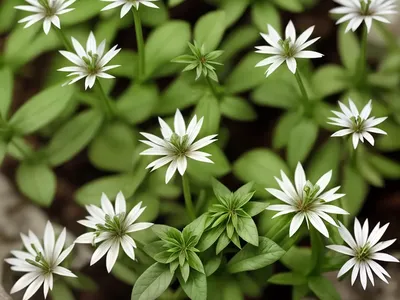
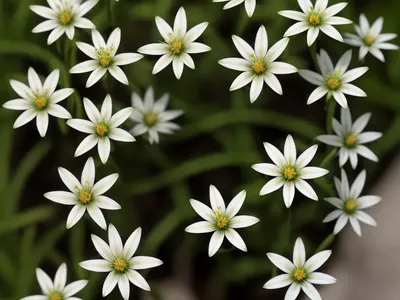
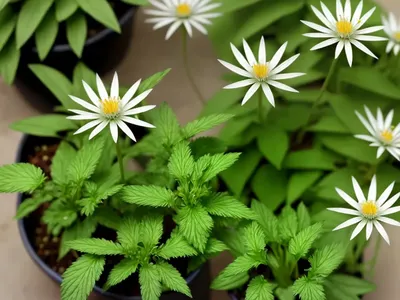
Tunic Flower (Petrorhagia Saxifraga)
The Tunic Flower, scientifically known as Petrorhagia saxifraga, is a charming and delicate perennial plant that belongs to the Caryophyllaceae family..
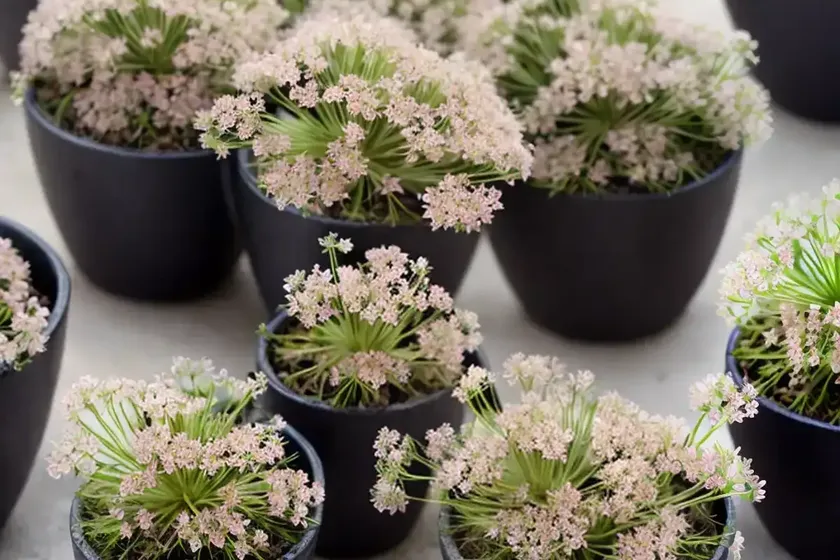
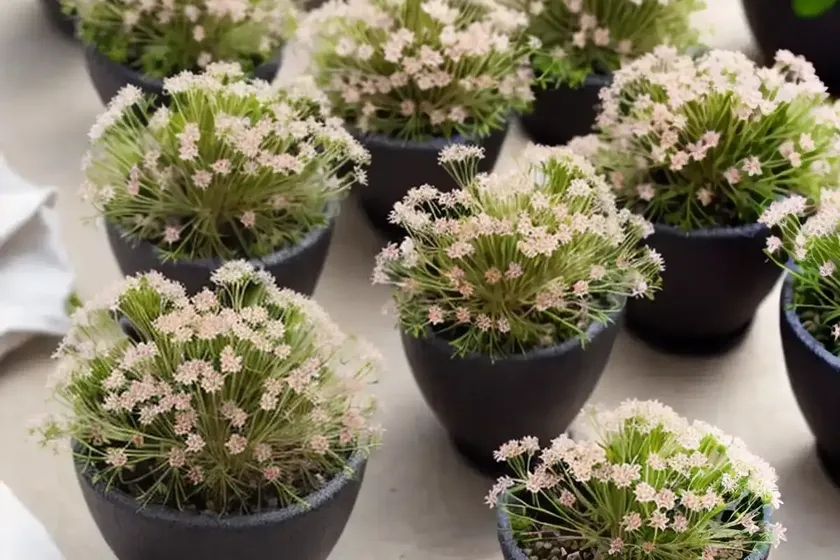
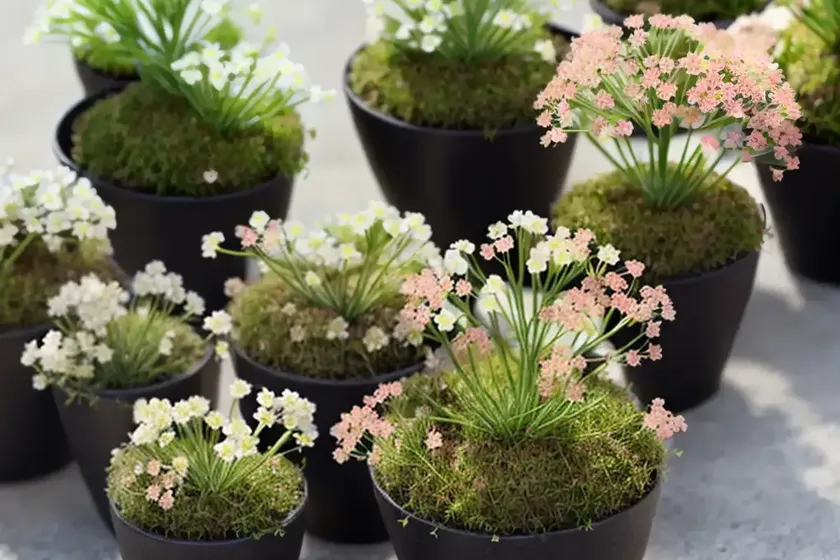
The Tunic Flower, scientifically known as Petrorhagia saxifraga, is a charming and delicate perennial plant that belongs to the Caryophyllaceae family. This beautiful flowering plant is native to southern and central Europe, where it thrives in rocky, mountainous areas and arid regions. It is renowned for its dainty blooms and its ability to add a splash of color and elegance to gardens, rockeries, and various landscapes.
As a plant scientist, I am deeply passionate about exploring the intricacies of different plant species, including the Tunic Flower. In this comprehensive guide, we will delve into the various aspects of cultivating and caring for Petrorhagia saxifraga, including its cultural requirements, uses, propagation methods, and much more.
Let’s embark on an enlightening journey to uncover the secrets of this enchanting floral gem.
Key Takeaways – Tunic Flower (Petrorhagia saxifraga)
Before we dive into the specifics of cultivating and caring for the Tunic Flower, let’s take a moment to highlight the key takeaways associated with this captivating plant.
Culture
- The Tunic Flower thrives in well-drained soil, preferably in a sunny or partially shaded location.
- It is a low-maintenance plant that does not require excessive watering or fertilization.
- This species is well-suited for rock gardens, borders, and container planting.
Uses
- The Tunic Flower is valued for its ornamental qualities, making it a popular choice for gardeners seeking to enhance the visual appeal of their outdoor spaces.
- It can be used in both traditional and contemporary garden designs, offering versatility in landscaping projects.
Now that we have outlined the fundamental characteristics of the Tunic Flower, let’s explore the intricacies of its care and cultivation.
Tunic Flower (Petrorhagia saxifraga) Care Guide
Water
The Tunic Flower is well-adapted to dry, arid conditions and, therefore, does not require excessive watering. As a general rule, it is crucial to allow the soil to dry out between watering sessions to prevent waterlogged conditions, which can be detrimental to the plant’s health. During prolonged periods of drought, providing occasional deep watering can help sustain the Tunic Flower’s vitality.
Sunlight
This plant thrives in locations that receive ample sunlight. It is advisable to position the Tunic Flower in an area that receives at least 6 hours of sunlight daily. However, it can also tolerate partial shade, making it a versatile addition to various garden settings.
Fertilizer
The Tunic Flower is not a heavy feeder and typically does not necessitate regular fertilization. However, for plants growing in containers or in nutrient-deficient soil, applying a balanced, water-soluble fertilizer at half-strength during the growing season can promote healthy growth and flowering.
Soil
Well-drained soil is essential for cultivating the Tunic Flower. It thrives in sandy or gravelly soils with good drainage, mimicking its natural habitat in rocky, mountainous regions. Amending the soil with organic matter such as compost can enhance its overall quality and drainage, thus benefitting the plant’s growth.
Pruning
Pruning is generally minimal for the Tunic Flower. However, deadheading spent blooms can encourage continuous flowering and prevent the plant from expending energy on seed production. Additionally, trimming back overly leggy or crowded growth can help maintain the plant’s compact and tidy appearance.
Propagation
The Tunic Flower can be propagated through seeds or division. Collecting mature seeds and sowing them in well-prepared soil in the desired location can yield new plants. Division of established clumps in early spring or fall is another viable method for propagating this species, allowing gardeners to expand their Tunic Flower collection.
Container Popularity
Due to its compact growth habit and low-maintenance nature, the Tunic Flower is well-suited for container gardening. It can thrive in various container types, including terracotta pots, decorative planters, and window boxes, adding a touch of elegance to patios, balconies, and other outdoor spaces.
Now that we have explored the indispensable cultural requirements for nurturing the Tunic Flower, it is essential to address potential challenges associated with this plant, namely, common diseases and pests.
Common Diseases and Pests
Disease Diagnosis
The Tunic Flower is relatively resistant to most diseases, particularly when provided with adequate growing conditions and proper care. However, occasional issues such as powdery mildew and root rot may arise, especially in overly damp or poorly ventilated environments. Vigilant monitoring of the plant’s foliage and overall health can aid in early detection of any potential diseases, allowing for timely intervention and treatment.
Common Pests
While the Tunic Flower is generally resilient against pest infestations, it may occasionally encounter pest-related challenges. Common pests that may affect this plant include aphids, spider mites, and thrips. Regular inspection of the plant for signs of pest activity, such as distorted leaves or stippled discoloration, can aid in early pest management and prevent widespread damage.
Botanist’s Tips
As a plant scientist with a profound affinity for the Tunic Flower, I have compiled a set of insightful tips to assist both novice and seasoned gardeners in cultivating and appreciating this exquisite plant:
- Mulching: Applying a layer of mulch around the Tunic Flower can help conserve soil moisture and regulate its temperature, particularly in regions with fluctuating weather conditions.
- Companion Planting: Pairing the Tunic Flower with other drought-tolerant and sun-loving perennials, such as lavender or sedum, can create visually appealing and harmonious garden compositions while enhancing biodiversity.
- Wildlife Appeal: The Tunic Flower’s nectar-rich blooms can attract various pollinators, including butterflies and bees, contributing to the ecological vitality of the garden environment.
Fun Facts
Unveiling intriguing and fascinating aspects of the Tunic Flower can deepen our appreciation for this remarkable plant. Here are a few captivating fun facts to illuminate its allure:
- The Tunic Flower’s delicate, pink blooms are reminiscent of miniature carnations, exuding an air of timeless elegance.
- Its resilient nature enables it to thrive in harsh, rocky terrains, symbolizing strength and adaptability in the face of adversity.
- In some regions, the Tunic Flower is celebrated for its medicinal properties and is used in traditional herbal remedies to address certain ailments.
As we continue to unravel the captivating attributes of the Tunic Flower, it is essential to provide access to credible external resources for additional insights and guidance on cultivating and cherishing this enchanting plant.
Links to External Resources
To further enrich your knowledge and understanding of the Tunic Flower, I have curated a list of valuable external resources that offer comprehensive information and guidance on various aspects of this exquisite plant:
- Royal Horticultural Society – Petrorhagia saxifraga
- Missouri Botanical Garden – Tunic Flower Plant Profile
- Gardening Know How – Growing and Caring for Tunic Flowers
- The Spruce – Tunic Flowers for Rock Gardens and Containers
With the assistance of these authoritative resources, you can delve deeper into the realm of the Tunic Flower, acquiring invaluable insights and practical tips to elevate your gardening endeavors.
Conclusion
In conclusion, the Tunic Flower (Petrorhagia saxifraga) stands as a testament to nature’s resilience and beauty, gracing gardens and landscapes with its captivating presence. By understanding its cultural requirements, propagation methods, and ecological significance, we can cultivate a deeper appreciation for this enchanting plant while fostering its prosperity in diverse garden settings.
As a plant scientist dedicated to unraveling the mysteries of the botanical world, I am honored to share the intricacies of the Tunic Flower and inspire fellow plant enthusiasts to embrace the wonders of horticulture.
Through meticulous care and thoughtful cultivation, the Tunic Flower will continue to captivate and enchant gardeners and nature enthusiasts alike, perpetuating its timeless allure for generations to come.
May your journey with the Tunic Flower be filled with blossoming joy and enriching discoveries amidst nature’s splendid tapestry.
The above article is a detailed exploration of the Tunic Flower (Petrorhagia saxifraga), focusing on its cultural requirements, uses, propagation methods, and associated care guidelines. The content is enriched with insightful tips, fun facts, and valuable external resources to offer a comprehensive understanding of this captivating plant.
Keywords: Tunic Flower care, Growing Tunic Flower, Petrorhagia saxifraga plant, Tunic Flower plant profile, Tunic Flower cultivation tips, Tunic Flower in gardens, Tunic Flower landscape uses, Tunic Flower planting guide, Tunic Flower varieties, Tunic Flower soil requirements, Petrorhagia saxifraga characteristics, Tunic Flower flowering season, Tunic Flower propagation methods, Tunic Flower water needs, Tunic Flower sunlight requirements, Tunic Flower pruning techniques, Tunic Flower companion plants, Tunic Flower pest control, Tunic Flower diseases, Tunic Flower plant arrangement ideas, Tunic Flower leaves, Tunic Flower stem structure, Tunic Flower seed collection, Tunic Flower pollination, Tunic Flower fragrance, Tunic Flower medicinal properties, Tunic Flower wildlife attraction, Tunic Flower natural habitat, Petrorhagia saxifraga in the wild, Tunic Flower garden design, Tunic Flower container gardening, Tunic Flower landscaping ideas, Tunic Flower for borders, Tunic Flower for rock gardens, Tunic Flower for xeriscaping, Tunic Flower for attracting butterflies, Tunic Flower for attracting bees, Tunic Flower for attracting hummingbirds, Tunic Flower for cottage gardens, Tunic Flower for coastal gardens, Tunic Flower for urban gardens, Tunic Flower for drought-resistant gardens, Tunic Flower for low-maintenance landscapes, Tunic Flower for adding color to the garden, Tunic Flower for adding texture to the garden, Tunic Flower for creating focal points, Tunic Flower for cut flower arrangements, Tunic Flower for dried flower crafts, Tunic Flower folklore and symbolism, Tunic Flower for herbal teas.