Tulipa Sprengeri (Sprenger Tulip)
Tulips are undoubtedly one of the most beloved spring-blooming flowers, with their vibrant colors and graceful petals bringing life to gardens and.
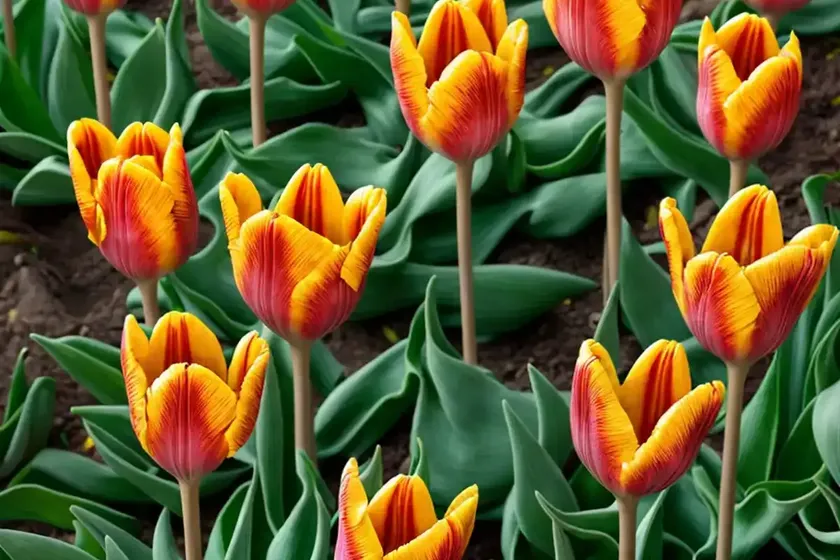
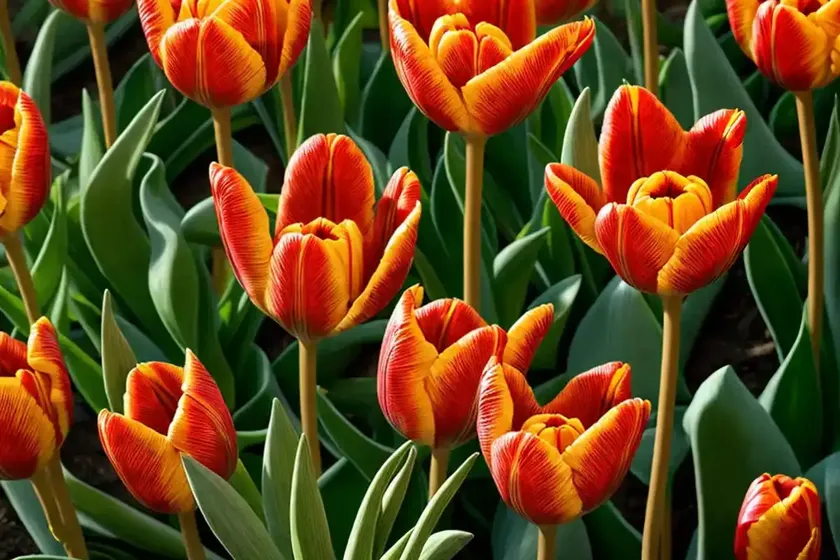
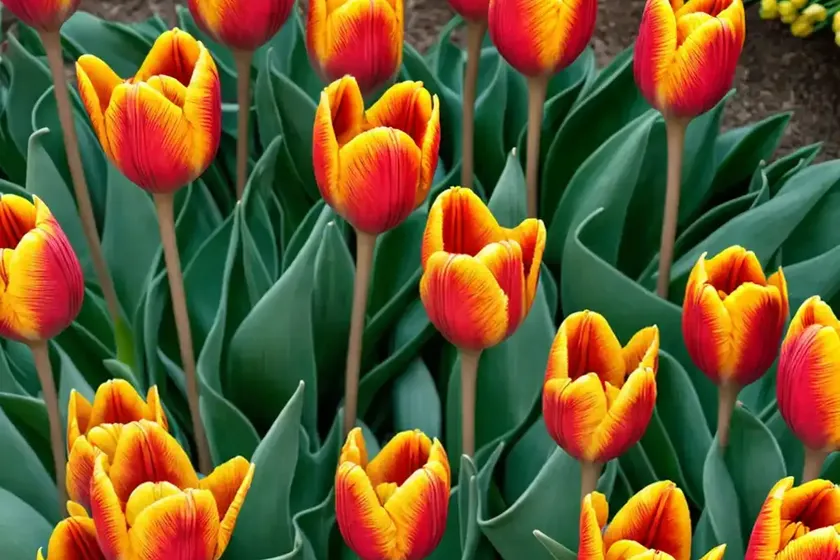
Tulips are undoubtedly one of the most beloved spring-blooming flowers, with their vibrant colors and graceful petals bringing life to gardens and landscapes all over the world. Among the myriad of tulip varieties, Tulipa sprengeri – commonly known as the Sprenger tulip – stands out for its unique charm and allure. In this comprehensive guide, we will delve into the captivating world of Tulipa sprengeri, exploring its cultural significance, uses, cultivation, and much more. Whether you’re a novice gardener or a seasoned horticulturist, this article aims to equip you with the knowledge and insights needed to cultivate and appreciate the beauty of Tulipa sprengeri.
What is Tulipa sprengeri (Sprenger Tulip)?
Tulipa sprengeri, also referred to as the Sprenger tulip, is a perennial bulbous plant belonging to the Liliaceae family. This enchanting species is native to the mountainous regions of Turkey and can be found growing in its natural habitat, adorning the landscape with its delicate yet striking presence. Unlike the typical showy and upright tulips that most gardeners are familiar with, Tulipa sprengeri showcases unique characteristics that set it apart. From its slender leaves to its charming flowers, this tulip variety exudes an understated elegance that has captivated the hearts of many plant enthusiasts.
Key Takeaways – Tulipa sprengeri (Sprenger Tulip)
Before we delve into the details of caring for Tulipa sprengeri, let’s take a moment to highlight some key insights about this captivating plant. Below are the essential elements we will be covering in this comprehensive guide:
- Culture
- Uses
- Water
- Sunlight
- Fertilizer
- Soil
- Pruning
- Propagation
- Container Popularity
- Common Diseases
- Disease Diagnosis
- Common Pests
- Botanist’s Tips
- Fun Facts
- Links to External Resources
Now, let’s embark on a journey to discover the intricate nuances of caring for Tulipa sprengeri, from planting to maintenance and beyond.
Culture of Tulipa sprengeri
Understanding the cultural requirements of Tulipa sprengeri is fundamental to ensuring its optimal growth and development. Proper cultural practices encompass various aspects, including planting techniques, environmental conditions, and maintenance routines. Let’s delve into the cultural considerations for cultivating this exquisite tulip variety.
Uses
Tulipa sprengeri is valued for its ornamental purposes, adding a touch of elegance and natural beauty to gardens, landscapes, and floral arrangements. With its graceful blooms and slender foliage, this tulip variety is an excellent choice for adding a charming allure to outdoor spaces.
Water
When it comes to watering Tulipa sprengeri, it’s crucial to strike a balance to prevent waterlogging or drought stress. During the growing season, moderate and consistent moisture is essential for the bulbs to thrive. However, it’s equally important to ensure proper drainage to prevent waterlogging, which can be detrimental to the bulbs.
Sunlight
Tulipa sprengeri thrives in full sun to partial shade, requiring ample sunlight to fuel its growth and blooming process. When selecting a planting site, it’s advisable to choose a location that receives at least 6-8 hours of sunlight daily, providing the tulip bulbs with the energy they need to flourish.
Fertilizer
Applying a balanced fertilizer at the time of planting and during the active growth stage can provide the necessary nutrients for Tulipa sprengeri to thrive. A slow-release, organic fertilizer with a balanced NPK ratio is recommended to support healthy bulb development and robust flowering.
Soil
Tulipa sprengeri thrives in well-draining soil that is rich in organic matter. A loamy or sandy soil with a slightly acidic to neutral pH is ideal for cultivating this tulip variety. Prior to planting, amending the soil with compost or well-rotted organic matter can enhance its fertility and structure, creating an optimal growing environment for the bulbs.
Pruning
Minimal pruning is required for Tulipa sprengeri, as the withering foliage can be left in place to naturally senesce and nourish the bulbs. Deadheading the spent flowers can help conserve the plant’s energy and promote a neat appearance, but it’s not essential for the plant’s overall health.
Propagation
Tulipa sprengeri can be propagated through offsets or bulblets that develop around the parent bulb. These offsets can be carefully separated and replanted in suitable locations to establish new plants. Propagation through seeds is also possible, although it requires more time and patience due to the gradual growth of seedlings into mature, flowering bulbs.
Container Popularity
While Tulipa sprengeri is commonly grown in garden beds and borders, it also thrives in containers, making it a versatile choice for both outdoor and indoor cultivation. This tulip variety can be showcased in decorative pots and planters, adding a touch of elegance to patios, balconies, and other outdoor spaces.
Common Diseases and Pests of Tulipa sprengeri
As with any plant, Tulipa sprengeri is susceptible to certain diseases and pests that can affect its health and vitality. Understanding these potential challenges and implementing preventive measures is essential for safeguarding the plant’s well-being. Here’s an overview of common diseases, pests, and preventive strategies for Tulipa sprengeri:
Common Diseases
-
Fungal Diseases: Tulipa sprengeri may be vulnerable to fungal infections such as Botrytis blight, Fusarium wilt, and basal rot. These diseases can manifest as discolored or rotting foliage, stunted growth, and overall decline in plant health.
-
Viral Diseases: Viral infections, though less common, can affect tulips, causing symptoms such as distorted or streaked foliage, stunted growth, and reduced flowering.
-
Bacterial Diseases: Bacterial pathogens can also pose a threat to Tulipa sprengeri, leading to symptoms like leaf spots, wilting, and general deterioration of the plant’s condition.
Disease Diagnosis
Early diagnosis of plant diseases is critical for implementing prompt and effective treatments. Monitoring the plant for unusual symptoms, discoloration, or signs of decay can help in identifying and addressing potential diseases. If disease symptoms are observed, it’s recommended to consult with a plant health specialist or horticulturist for accurate diagnosis and tailored management strategies.
Common Pests
-
Aphids: These sap-sucking insects can target tulips, causing distortion of foliage, weakened growth, and the secretion of honeydew that can attract sooty mold.
-
Thrips: Thrips can feed on tulip foliage and flowers, leading to stippling, discoloration, and distortion of plant tissues.
-
Nematodes: Soil-dwelling nematodes can pose a threat to Tulipa sprengeri, potentially causing root damage and compromising the plant’s overall health.
Disease Prevention and Pest Control
Implementing preventive measures such as proper sanitation, regular inspection, and the use of disease-resistant cultivars can help minimize the risk of diseases. Additionally, promoting a healthy growing environment through proper watering, soil management, and adequate plant nutrition can enhance the plant’s resilience against pests and diseases.
Botanist’s Tips for Growing Tulipa sprengeri
Aspiring to cultivate Tulipa sprengeri to its full potential? Here are some expert tips from botanists and experienced gardeners to guide you through the process:
-
Planting Depth: When planting Tulipa sprengeri bulbs, ensure a planting depth of approximately 6-8 inches to provide ample space for root development and stability.
-
Naturalizing: Consider naturalizing Tulipa sprengeri in suitable areas of the garden to create picturesque drifts or clusters of these charming tulips, simulating their natural habitat and enhancing their visual impact.
-
Companion Planting: Pair Tulipa sprengeri with compatible companions such as daffodils, grape hyacinths, and other spring-blooming bulbs to create a harmonious and diverse display of colors and textures.
-
Mulching: Applying a layer of organic mulch around Tulipa sprengeri can help conserve soil moisture, regulate soil temperature, and restrict weed growth, contributing to the plant’s overall well-being.
-
Seasonal Care: Be attentive to seasonal care requirements, from providing adequate moisture during the growing season to ensuring proper dormancy conditions for the bulbs after flowering.
Fun Facts about Tulipa sprengeri
To enrich your knowledge and appreciation of Tulipa sprengeri, here are some intriguing and delightful fun facts about this enchanting tulip variety:
-
Wild Origin: Tulipa sprengeri is native to the mountainous regions of Turkey, where it thrives in its natural habitat, adorning the landscape with its vibrant blooms.
-
Fragrance: Unlike many tulip varieties, Tulipa sprengeri emits a subtle, sweet fragrance, adding an olfactory dimension to its allure.
-
Wildlife Attraction: The nectar and pollen of Tulipa sprengeri flowers attract pollinators such as bees and butterflies, contributing to the ecological diversity of its native habitat.
-
Aesthetic Appeal: With its graceful, reflexed flowers in shades of deep pink to magenta, Tulipa sprengeri has captivated the admiration of plant enthusiasts and horticulturists worldwide.
-
Cultural Significance: In its native regions, Tulipa sprengeri holds cultural and historical significance, being cherished for its beauty and celebrated in local traditions.
Now that we’ve delved deep into the intricacies of caring for Tulipa sprengeri, let’s turn our attention to external resources that offer additional insights, guidance, and inspiration for cultivating and appreciating this captivating tulip variety.
Links to External Resources
-
Royal Horticultural Society – Growing Tulips: RHS Tulip Cultivation Guide
-
The American Tulip Society: Tulip Planting and Care Tips
-
Fine Gardening Magazine – Tulip Growing Guide: Tulip Care and Maintenance
-
National Gardening Association – Bulb Planting Basics: Bulb Planting Techniques
-
BBC Gardening Guides – Tulip Maintenance: Tulip Care and Tips
-
Missouri Botanical Garden – Plant Finder: Tulipa sprengeri Profile
By exploring these external resources, you can delve deeper into the world of tulip cultivation, access expert guidance and advice, and discover a wealth of information and inspiration to enrich your journey with Tulipa sprengeri.
As we conclude this comprehensive guide, we hope that you’ve gained valuable insights and knowledge that will empower you to cultivate, appreciate, and celebrate the timeless beauty of Tulipa sprengeri. Whether you’re tending to a garden brimming with tulips or contemplating the addition of these captivating blooms to your outdoor spaces, may the allure of Tulipa sprengeri continue to enchant and inspire your botanical endeavors.
Remember – from the delicate reflexed petals to the cultural significance of this enchanting tulip variety, there’s always more to discover and appreciate in the wondrous world of plants.
Happy gardening!
This comprehensive guide covers all the essential aspects of Tulipa sprengeri (Sprenger Tulip) – from its cultural requirements to maintenance, disease control, and fascinating fun facts. The guide aims to provide comprehensive insights for novice gardeners and experienced horticulturists alike, ensuring a deeper understanding of and appreciation for this captivating tulip variety. For further detailed information, the extensive references to external resources offer additional depth and perspective on Tulipa sprengeri cultivation and care.


