Tulipa Schrenkii (Botanical Tulip)
Tulips are among the most beloved and widely grown spring-blooming bulbs. Among the numerous species and cultivars, Tulipa schrenkii, also known as.
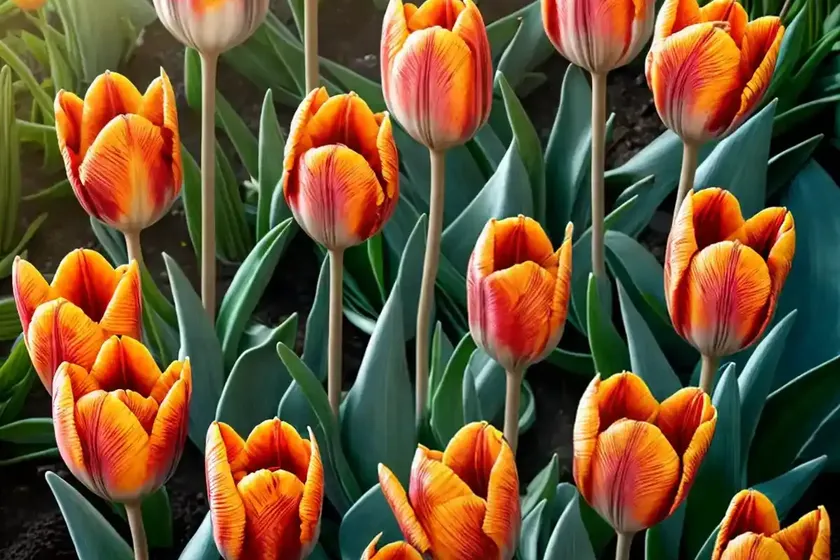
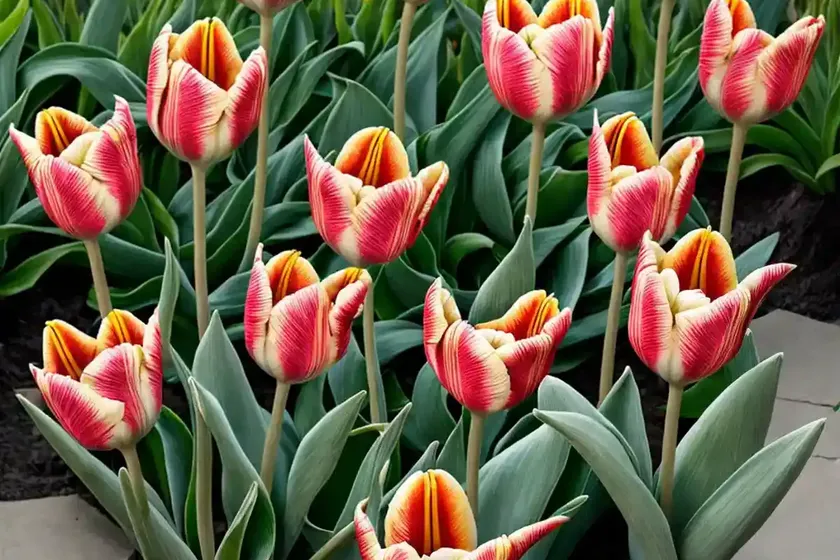
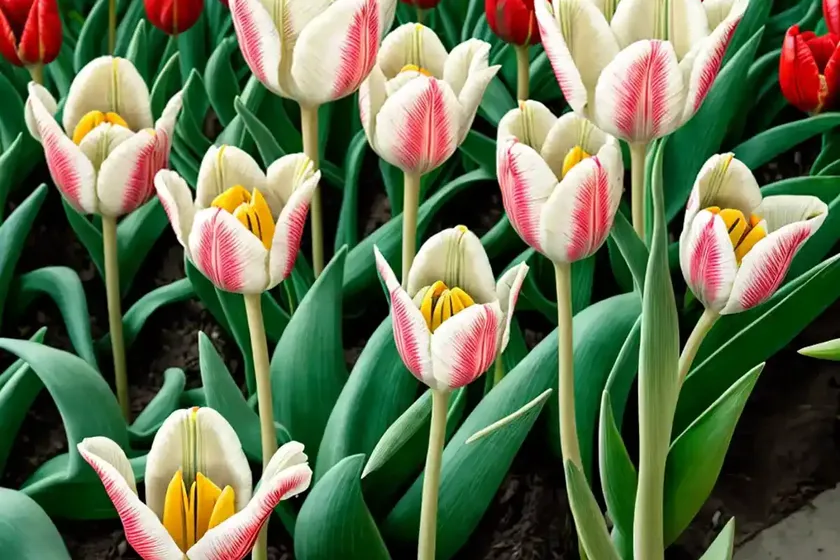
Tulips are among the most beloved and widely grown spring-blooming bulbs. Among the numerous species and cultivars, Tulipa schrenkii, also known as Botanical Tulip, stands out for its unique characteristics, making it a favorite among gardeners and plant enthusiasts. In this comprehensive guide, we will explore the key aspects of Tulipa schrenkii, including its culture, uses, care tips, disease resistance, and much more.
What is “Tulipa schrenkii” (Botanical Tulip)?
Tulipa schrenkii is a species of tulip that belongs to the Liliaceae family. This elegant bulbous plant is native to Central Asia, particularly in regions like Uzbekistan, Tajikistan, and Kyrgyzstan. The species was discovered and named by Russian botanist Alexander Gustav von Schrenk in the 19th century. Botanical Tulips are known for their smaller and more delicate appearance compared to the hybrid tulips commonly seen in gardens.
Key Takeaways – Tulipa schrenkii
Before delving deeper into the specifics of this captivating plant, let’s have a quick look at some key takeaways.
- Cultivar: Tulipa schrenkii cultivar stands out for its unique charm and elegance, making it a prized addition to any garden or landscape.
- Hybrid and Varieties: The Botanical Tulip comes in various hybrid varieties, each offering distinct colors, shapes, and flowering times.
- Natural Habitat: Originating from Central Asia, it is well adapted to semi-arid regions, making it relatively drought-tolerant and resilient.
- Flowering Season: Typically, Tulipa schrenkii blooms in the early spring, adding a splash of color to gardens when most plants are still dormant.
- Care Tips: The plant requires well-drained soil, ample sunlight, and periodic watering for optimal growth and flowering.
Now, let’s explore the detailed aspects of Tulipa schrenkii, including its culture, maintenance, diseases, and other essential attributes.
Culture
Understanding the cultural requirements of Tulipa schrenkii is essential for successfully cultivating and maintaining this beautiful botanical tulip. From planting to maintenance, here are the critical cultural aspects to consider.
Uses
Tulipa schrenkii offers diverse uses in both formal garden settings and natural landscapes. Some of its common uses include:
- Garden Beds: Planted in clusters or massed, Tulipa schrenkii creates a striking display in garden beds and borders.
- Rock Gardens: The compact size and delicate flowers make it a perfect addition to rock gardens or alpine landscapes.
- Containers: Botanical Tulips thrive in containers, making them an excellent choice for patio and balcony gardens.
- Naturalization: When left undisturbed, Tulipa schrenkii can naturalize, forming visually appealing colonies over time.
Water
Similar to most bulbous plants, Tulipa schrenkii prefers well-drained soil and moderately moist conditions during its active growth period. However, it is essential to avoid waterlogging, as excessive moisture can lead to bulb rot and other issues.
Watering Tips:
– Water newly planted bulbs thoroughly to encourage root establishment.
– During the growing season, provide water when the top inch of soil becomes dry.
– Reduce watering after the blooming period to prevent bulb rot during dormancy.
Sunlight
Proper sunlight exposure is crucial for the development and flowering of Tulipa schrenkii. As a rule of thumb, the more sunlight the plant receives, the better the flowering display.
Sunlight Needs:
– Choose a planting location that receives at least 6-8 hours of direct sunlight per day.
– In warmer regions, providing partial shade during the hottest part of the day can prevent heat stress.
Fertilizer
Appropriate fertilization can promote healthy growth and prolific flowering in Tulipa schrenkii. However, it is important to apply fertilizers at the right time to avoid potential issues.
Fertilization Guidelines:
– Prior to planting, incorporate a balanced, slow-release fertilizer into the soil to provide essential nutrients.
– Once the foliage emerges, top-dress with a phosphorus-rich fertilizer to support robust flowering.
– Avoid excessive nitrogen, as it can promote lush foliage at the expense of flower production.
Soil
Well-drained soil is non-negotiable for Tulipa schrenkii. The plant has minimal tolerance for waterlogged conditions, which can lead to root and bulb rot.
Soil Requirements:
– Choose a site with loose, well-draining soil to prevent water accumulation around the bulbs.
– Incorporate organic matter such as compost or peat moss to improve soil structure and drainage.
Pruning
While Tulipa schrenkii does not require intricate pruning, deadheading and minimal maintenance can help enhance its visual appeal and overall health.
Pruning Tips:
– Remove spent flowers to prevent seed formation and encourage the plant to direct its energy into bulb development.
– Once the foliage turns yellow and wilts, gently remove it to tidy up the planting area and allow the bulbs to enter dormancy.
Propagation
Tulipa schrenkii can be propagated through several methods, including bulb division and offsets. It is best to propagate the plant during its dormant phase for better success.
Propagation Methods:
– Gently lift and divide established clumps every few years to rejuvenate the bulbs and maintain vigor.
– Harvest and plant offsets that develop around the parent bulb for natural increase.
Container Popularity
The compact size and stunning flowers of Tulipa schrenkii make it highly popular for container gardening. The following are some reasons why this botanical tulip is a favorite choice for container planting.
- Space Efficiency: Ideal for small spaces, Tulipa schrenkii adds a burst of color to patios, balconies, and compact gardens.
- Versatility: The plant can be paired with other spring-flowering bulbs or perennials to create diverse container compositions.
- Ease of Care: Container-grown Tulipa schrenkii requires minimal maintenance and can be easily moved to different locations for aesthetic purposes.
- Longevity: When provided with suitable growing conditions, the bulbs can be left in containers for multiple years, providing recurring displays.
Common Diseases
While Tulipa schrenkii is generally resilient, it can be susceptible to certain diseases and issues. Understanding these potential problems is crucial for proactive management and prevention.
Disease Diagnosis
Several common diseases and issues may affect Botanical Tulips, including:
- Botrytis blight: Caused by the fungus Botrytis spp., this disease leads to gray mold on the foliage and flowers.
- Bulb Rot: Excessive moisture or poor drainage can cause the bulbs to rot, leading to stunted growth and eventual decline.
- Tulip Fire: An infection by the fungus Botrytis tulipae, resulting in distorted and discolored foliage, stunted growth, and eventual death of the plant.
Signs of Disease:
– Fuzzy gray mold on foliage and flowers
– Soft, rotting bulbs with foul odor
– Distorted and discolored foliage
Disease Management
Implementing good cultural practices and timely interventions can help prevent and manage common diseases in Tulipa schrenkii.
Preventive Measures:
– Ensure proper soil drainage to prevent waterlogging and subsequent bulb rot.
– Avoid overhead watering to minimize foliage wetness and reduce the risk of fungal diseases.
– Remove and destroy infected plant material to prevent the spread of diseases.
Common Pests
Despite their natural resilience, Botanical Tulips can attract certain pests, particularly during their active growth phase. Some common pests include aphids, thrips, and bulb-munching rodents.
Pest Control:
– Monitor the plants regularly for signs of pest infestation, such as distorted growth and discoloration.
– Use natural predators, sticky traps, or insecticidal soap to manage pest populations while minimizing environmental impact.
– Protect bulbs from underground pests by using wire mesh or other physical barriers during planting.
Botanist’s Tips
Let’s delve into some expert tips to ensure the successful growth and long-term health of Tulipa schrenkii.
Soil Preparation
Before planting, invest the time and effort into preparing the soil. This includes incorporating organic matter and ensuring proper drainage to create an optimal environment for the bulbs.
Mulching
Apply a thin layer of mulch around the planted bulbs to conserve moisture and suppress weed growth. However, ensure that the mulch layer is not too thick, as this can impede bulb emergence.
Companion Planting
Consider interplanting Tulipa schrenkii with low-growing perennials or ground covers. This not only enhances the visual appeal of the planting area but also provides natural mulching and weed suppression benefits.
Naturalization
If you have a large planting area, consider naturalizing Tulipa schrenkii by allowing the bulbs to multiply and spread over time, creating a captivating and low-maintenance display.
Regular Monitoring
Monitor the plants regularly for signs of stress, disease, or pest infestations. Early detection enables prompt interventions, ensuring the overall health of the plants.
Fun Facts
While exploring the world of Tulipa schrenkii, let’s uncover some fascinating and lesser-known facts about this captivating botanical tulip.
- Natural Elegance: With its slender petals and vibrant colors, Tulipa schrenkii exudes a natural elegance that captivates any observer.
- Symbolism: In many cultures, tulips, including Tulipa schrenkii, symbolize love, beauty, and prosperity, adding depth to their allure.
- Cultural Significance: Central Asian societies have traditionally used tulips, including T. schrenkii, as symbolism in art, textiles, and ceremonies.
- Pioneer Species: Tulipa schrenkii plays a vital role in its native ecosystems, often being one of the first plants to emerge after the harsh Central Asian winters.
- Historical Importance: Tulips, including T. schrenkii, have a rich historical significance, including the renowned “Tulip Mania” in 17th-century Europe.
Links to External Resources
For additional information on Tulipa schrenkii and other botanical tulips, consider exploring the following resources:
- Royal Horticultural Society (RHS)
- American Horticultural Society (AHS)
- Missouri Botanical Garden
- Botanical Tulips – Monograph by Richard Wilford
In conclusion, Tulipa schrenkii, the Botanical Tulip, stands as a testament to the beauty and resilience of plants thriving in diverse climates. Its unique characteristics and cultural significance make it a valuable addition to both gardens and natural landscapes. By understanding its culture, maintenance, and potential challenges, gardeners can ensure the successful growth and thriving of this exquisite botanical tulip. Whether in rock gardens, containers, or garden beds, Tulipa schrenkii remains a cherished plant, captivating the hearts of gardeners and enthusiasts worldwide.
This comprehensive guide provides in-depth insights into the culture, care, and significance of Tulipa schrenkii, the captivating Botanical Tulip. From its cultural requirements to potential diseases and expert tips, this extensive resource aims to equip plant enthusiasts with the knowledge needed to appreciate and grow this elegant species. The inclusion of fun facts and external resources further enriches the reader’s understanding of this remarkable plant.


