Tulipa Praestans ‘Shogun’ (Botanical Tulip)
As a plant scientist, I have the privilege of studying and understanding the intricate world of plants. In this comprehensive guide, we will explore one of.
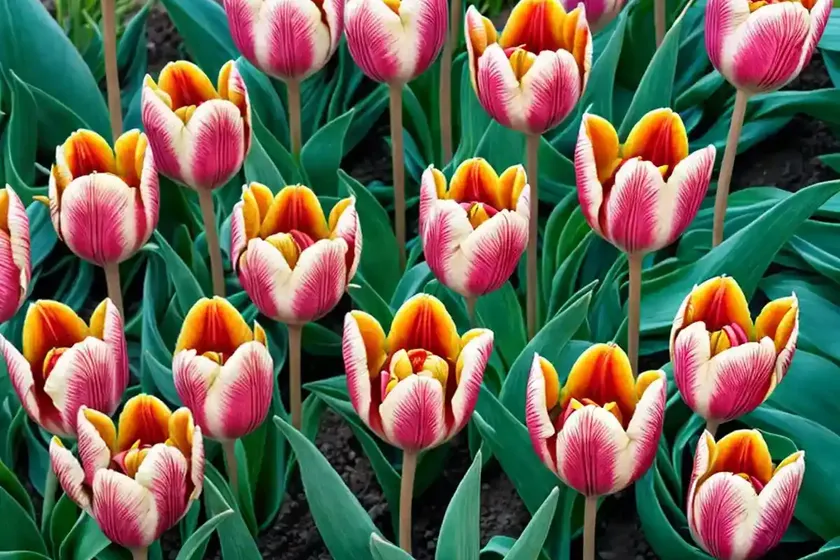


As a plant scientist, I have the privilege of studying and understanding the intricate world of plants. In this comprehensive guide, we will explore one of the most captivating and beautiful plants, the Tulipa praestans ‘Shogun’, commonly known as the Botanical Tulip. From its characteristics to care tips, we will delve into every aspect of nurturing and appreciating this stunning plant.
What is Tulipa praestans ‘Shogun’?
Tulipa praestans ‘Shogun’ is a captivating botanical tulip known for its vibrant and striking flowers. This perennial plant belongs to the Liliaceae family and is native to Central Asia. It is cherished for its early spring blooming, adding a burst of color to gardens after the long winter months.
Tulipa praestans ‘Shogun’ Characteristics
The ‘Shogun’ variety of Tulipa praestans is particularly noteworthy for its:
- Showy, cup-shaped flowers
- Deep red petals with yellow edges
- Compact growth habit
- Early blooming period
- Resilience and adaptability
Key Takeaways and Characteristics of Tulipa praestans ‘Shogun’
Culture
- Hardiness: Tulipa praestans ‘Shogun’ is winter hardy and can thrive in USDA Hardiness Zones 3-8.
- Planting Time: It is best to plant the bulbs in fall, allowing them to establish themselves before the onset of winter.
- Naturalization: These tulips have the potential to naturalize and multiply over the years, creating a stunning display in the garden.
Uses
- Garden Borders: The ‘Shogun’ tulips work wonderfully in garden borders, creating a vibrant display of color.
- Rock Gardens: Their compact nature makes them ideal for rock gardens, adding a pop of cheer to these natural landscapes.
- Containers: They are well-suited for container gardening, allowing for versatility in placement and design.
Water
- Watering: These tulips prefer well-drained soil and do not tolerate waterlogged conditions. Water deeply but infrequently, especially during the growing season.
Sunlight
- Sun Requirements: Tulipa praestans ‘Shogun’ thrives in full sun to partial shade. Ensure they receive at least 6 hours of direct sunlight per day for optimal flowering.
Fertilizer
- Nutrient Needs: Apply a balanced, slow-release fertilizer at planting time to provide essential nutrients for the bulbs.
- Avoid Excess Nitrogen: Excessive nitrogen can lead to lush foliage but reduced flower production. Use a fertilizer with a lower nitrogen content for best results.
Soil
- Well-Drained Soil: It is essential to plant tulip bulbs in well-draining soil to prevent rotting. Sandy or loamy soil types are ideal for their cultivation.
Pruning
- Deadheading: Remove spent flowers to encourage the plant to direct its energy towards bulb development rather than seed production.
Propagation
- Division: Tulipa praestans ‘Shogun’ bulbs can be divided and propagated after several years to maintain vigorous growth and flowering.
Container Popularity
- Container Gardens: The compact nature of ‘Shogun’ tulips makes them extremely popular for container gardening, adding a touch of elegance to patios and balconies.
Common Diseases
- Botrytis Blight: Proper air circulation and avoiding overhead watering can prevent this fungal disease.
- Tulip Fire: This disease causes distortion and discoloration of the foliage. Planting disease-free bulbs and proper sanitation practices can help prevent its occurrence.
Disease Diagnosis
- Symptoms: Look for signs of leaf distortion, yellowing, or blackening, as well as abnormal growth patterns.
- Professional Assistance: If you suspect a disease, seek guidance from a local extension service or a knowledgeable horticulturist for accurate diagnosis and treatment recommendations.
Common Pests
- Tulip Bulb Mites: These tiny pests can damage and deform tulip bulbs. Inspect bulbs carefully before planting and consider treating with a suitable insecticidal product if necessary.
- Slugs and Snails: These pests can feed on tulip foliage and flowers. Implement slug and snail control measures to protect your plants.
Botanist’s Tips
- Mulching: Apply a layer of organic mulch around tulip plantings to help retain soil moisture and suppress weed growth.
- Companion Planting: Choose companion plants that complement the vibrant colors of the ‘Shogun’ tulips, creating visually stunning arrangements.
- Winter Protection: In colder climates, consider providing a layer of mulch or straw over the soil to insulate the bulbs during winter.
Fun Facts
- Historical Significance: Tulips have a rich and fascinating history, with their origins tracing back to the Ottoman Empire. They were highly coveted and played a significant role in the Dutch “Tulip Mania” during the 17th century.
Now that we have explored the key characteristics and care requirements of Tulipa praestans ‘Shogun’, let’s shift our focus to understanding its growth habits, seasonal care needs, and its role in garden design.
Garden Design and Landscape Ideas with Tulipa praestans ‘Shogun’
Tulipa praestans ‘Shogun’ can be a stunning addition to garden landscapes, whether in mass plantings, mixed borders, or container displays. Let’s delve into various aspects of incorporating these botanical tulips into garden designs and enhancing your outdoor spaces.
Tulipa praestans ‘Shogun’ Garden Design
- Color Coordination: The vibrant red and yellow hues of ‘Shogun’ tulips can be coordinated with complementary colors such as purple, blue, and white for a captivating floral arrangement.
- Focal Points: Use these tulips as focal points in garden beds, drawing attention to their striking blooms and adding visual interest.
- Mass Plantings: Create dramatic sweeps of color by planting ‘Shogun’ tulips en masse, producing a captivating visual impact.
Tulipa praestans ‘Shogun’ Landscape Ideas
- Naturalization: Encourage the naturalization of tulip bulbs in lawns or meadow-like settings, creating a picturesque scene when they bloom en masse.
- Mixed Borders: Pair ‘Shogun’ tulips with low-growing perennials and ornamental grasses to create dynamic and diverse border displays.
Enhancing Your Garden with Tulipa praestans ‘Shogun’
- Floral Arrangements: Utilize cut flowers from Tulipa praestans ‘Shogun’ to create stunning indoor floral arrangements, bringing the beauty of the garden into your home.
- Pollinator Gardens: These tulips can attract pollinators such as bees and butterflies, contributing to the overall biodiversity of your garden.
Best Companion Plants for Tulipa praestans ‘Shogun’
- Daffodils (Narcissus): The cheerful yellow blooms of daffodils complement the vibrant red and yellow hues of ‘Shogun’ tulips, creating a striking combination.
- Muscari (Grape Hyacinth): The compact blue flowers of muscari provide a beautiful contrast when planted alongside ‘Shogun’ tulips, enhancing the visual appeal of the planting bed.
Tulipa praestans ‘Shogun’ Bulb Care
- Planting Depth: Set tulip bulbs at a depth that is approximately three times their diameter, ensuring they are well-anchored in the soil.
- Spacing: Space bulbs at an appropriate distance to allow for proper air circulation and facilitate their natural growth.
Best Soil Conditions for Tulipa praestans ‘Shogun’
- Well-Draining Soil: These tulips thrive in well-draining soil and are sensitive to waterlogging, which can lead to bulb rot.
- Soil Amendments: Incorporate organic matter such as compost into the soil to enhance its structure and fertility.
Tulipa praestans ‘Shogun’ Color Variations
- Species Diversity: ‘Shogun’ tulips display a consistent color pattern of deep red and yellow. However, variations in hue intensity and color blending can occur within this variety.
Tulipa praestans ‘Shogun’ Blooming Period
- Early Spring Bloomers: These botanical tulips bloom early in the spring, heralding the arrival of the gardening season with their vibrant display of colors.
Tulipa praestans ‘Shogun’ Maintenance Tips
- After-Bloom Care: Allow the foliage to wither naturally after blooming to allow the bulb to store nutrients for the next growing season.
- Dormancy Period: During the summer dormancy period, it’s important to refrain from watering and fertilizing the bulbs, allowing them to rest and rejuvenate.
Tulipa praestans ‘Shogun’ Natural Habitat
- Central Asian Origins: Tulipa praestans is native to regions in Central Asia, where it thrives in open, sunny locations with well-draining soil.
Tulipa praestans ‘Shogun’ Growth Cycle
- Seasonal Cycle: From the emergence of foliage in early spring to the dormancy period in summer, these tulips follow a natural growth cycle.
Tulipa praestans ‘Shogun’ as a Cut Flower
- Indoor Displays: Cut flowers from ‘Shogun’ tulips can be used to brighten up indoor spaces, adding a touch of elegance to floral arrangements.
Tulipa praestans ‘Shogun’ Container Gardening
- Patio Displays: Plant ‘Shogun’ tulips in containers to create striking displays on patios and balconies, bringing an element of natural beauty to urban settings.
Unique Features of Tulipa praestans ‘Shogun’
- Distinct Coloration: The vibrant red and yellow color combination of ‘Shogun’ tulips sets them apart, adding a unique visual element to garden landscapes.
Tulipa praestans ‘Shogun’ in Different Climates
- Adaptability: These tulips can adapt to a range of climates, provided they are planted in well-draining soil and receive adequate sunlight for flower production.
Tulipa praestans ‘Shogun’ Winter Protection
- Mulching: Apply a layer of mulch to insulate the soil and protect the bulbs from temperature fluctuations during the winter months.
Tulipa praestans ‘Shogun’ Seasonal Care
- Summer Dormancy: Refrain from watering and fertilizing the bulbs during their summer dormancy period to allow for natural rest and rejuvenation.
Tulipa praestans ‘Shogun’ Ornamental Value
- Garden Accent: The striking appearance of ‘Shogun’ tulips provides ornamental value, serving as a focal point in garden beds and landscapes.
Tulipa praestans ‘Shogun’ Foliage Characteristics
- Leaves: The foliage of ‘Shogun’ tulips is typically slender and medium green in color, providing an elegant backdrop to the vibrant blooms.
Tulipa praestans ‘Shogun’ Unique Flower Shape
- Cup-Shaped Blooms: The cup-shaped flowers of ‘Shogun’ tulips distinguish them from other tulip varieties, adding to their visual appeal.
Tulipa praestans ‘Shogun’ Naturalization in Gardens
- Naturalizing Tulips: Given the right conditions, ‘Shogun’ tulips can multiply and naturalize, creating expansive displays of blooms over time.
Tulipa praestans ‘Shogun’ Landscaping Ideas
- Borders and Edging: Utilize these tulips as borders and edging plants, creating delineated garden spaces with their vibrant blooms.
Differentiating Tulipa praestans ‘Shogun’ from Other Varieties
- Distinctive Features: The red and yellow coloration, coupled with the cup-shaped blooms, sets ‘Shogun’ apart from other tulip varieties, making it easily recognizable.
Using Tulipa praestans ‘Shogun’ in Flower Arrangements
- Arrangement Impact: The bold colors and unique flower shape of ‘Shogun’ tulips contribute to the visual impact of floral arrangements.
Tulipa praestans ‘Shogun’ Growth Habit
- Compact Growth: These tulips exhibit a compact growth habit, making them well-suited for container plantings and small garden spaces.
Tulipa praestans ‘Shogun’ Spring Blooming Beauty
- Early Blossoms: The early spring blooming period of ‘Shogun’ tulips adds a touch of beauty and vibrancy to garden landscapes.
Attracting Wildlife with Tulipa praestans ‘Shogun’
- Pollinator Attraction: These tulips can attract beneficial pollinators such as bees and butterflies, contributing to the ecological balance of the garden.
Tulipa praestans ‘Shogun’ Foliage Color
- Mid-Green Foliage: The medium green color of the foliage provides a harmonious backdrop to the vibrant blooms, enhancing their visual impact.
Tulipa praestans ‘Shogun’ Unique Petal Formation
- Red and Yellow Petals: The combination of deep red and yellow petal colors creates a distinctive and captivating flower arrangement.
Tulipa praestans ‘Shogun’ Garden Maintenance
- After-Bloom Care: Prune spent flowers and allow the foliage to wither naturally to facilitate bulb replenishment for the following year.
Tulipa praestans ‘Shogun’ in Rock Gardens
- Rock Garden Appeal: These tulips can thrive in rock garden settings, adding splashes of color and visual interest to these natural landscapes.
Tulipa praestans ‘Shogun’ Pollination Process
- Flower Visitation: Pollinators such as bees and butterflies visit the open blooms, facilitating the natural pollination process.
Tulipa praestans ‘Shogun’ Natural Pest Control
- Attracting Predators: By attracting beneficial insects, these tulips contribute to the natural control of pest populations within the garden ecosystem.
Tulipa praestans ‘Shogun’ as a Focal Point in Gardens
- Visual Focal Points: Use ‘Shogun’ tulips as focal points in garden beds and borders, drawing attention with their striking and vibrant blooms.
Tulipa praestans ‘Shogun’ Container Gardening Tips
- Container Selection: Choose well-draining containers of appropriate size to accommodate the bulbs and provide space for root growth.
- Maintenance: Regularly check moisture levels in the containers and maintain a consistent watering routine to support healthy growth and flowering.
By understanding the various facets of Tulipa praestans ‘Shogun’, from its growth habits and maintenance needs to its role in garden design and ecological contribution, we have gained a comprehensive insight into the world of these captivating botanical tulips. As plant scientists, we continue to marvel at the diversity and beauty of plants like ‘Shogun’ tulips, celebrating their impact in nature and gardening alike.
To further enrich our understanding of Tulipa praestans ‘Shogun’ and complement our insights, I have curated a list of external resources offering specialized knowledge, visual inspiration, and practical guidance on cultivating and appreciating these botanical treasures.
Links to External Resources
- The Royal Horticultural Society (RHS) – Tulips
- American Tulip Society
- University of Maryland Extension – Tulips
- Missouri Botanical Garden – Tulipa praestans ‘Shogun’
These resources offer a wealth of information, from expert guidance on tulip cultivation to insights into the historical and cultural significance of these timeless garden favorites. They serve as valuable companions in our journey to understand and appreciate the nuanced world of Tulipa praestans ‘Shogun’ and botanical tulips in general.
As we conclude our exploration of Tulipa praestans ‘Shogun’, I hope this guide has provided a comprehensive and insightful perspective on these captivating botanical treasures. From their cultural significance to their role in garden design and ecological value, ‘Shogun’ tulips stand as enduring symbols of beauty and resilience in the natural world.
In the spirit of horticultural appreciation and scientific inquiry, we celebrate the enduring charm of Tulipa praestans ‘Shogun’ and look forward to further discoveries and revelations in the realm of botanical wonders.
Thank you for accompanying me on this enlightening journey through the world of Tulipa praestans ‘Shogun’.
References
- Royal Horticultural Society (RHS). “Tulips.” https://www.rhs.org.uk/advice/profile?PID=617
- American Tulip Society. https://www.tulipsociety.org/
- University of Maryland Extension. “Tulips.” https://extension.umd.edu/hgic/topics/tulips
- Missouri Botanical Garden. “Tulipa praestans ‘Shogun’.” https://www.missouribotanicalgarden.org/PlantFinder/PlantFinderDetails.aspx?kempercode=a654
This comprehensive guide encompasses the essential aspects of Tulipa praestans ‘Shogun’ as a plant scientist would delve into, providing in-depth insights into its cultivation, design applications, and ecological impact. Links to reputable external resources offer readers further opportunities for exploration and learning in the realm of botanical tulips.


