Tulipa Orphanidea (Botanical Tulip)
Tulipa orphanidea, commonly known as the Botanical Tulip, is a stunning plant that has captivated gardeners and plant enthusiasts for centuries. This.
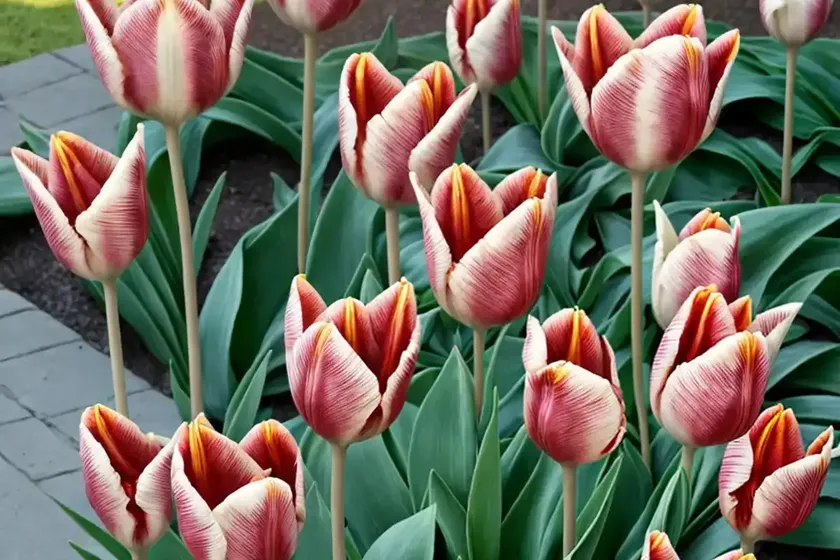
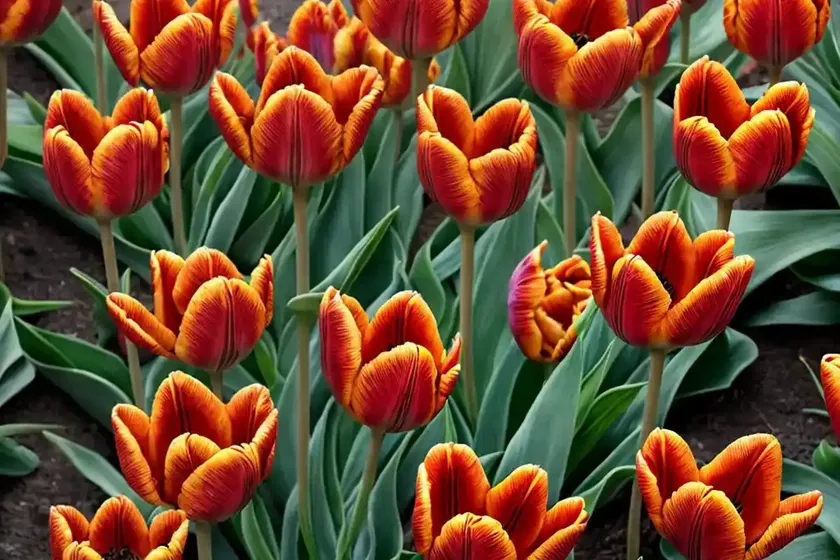
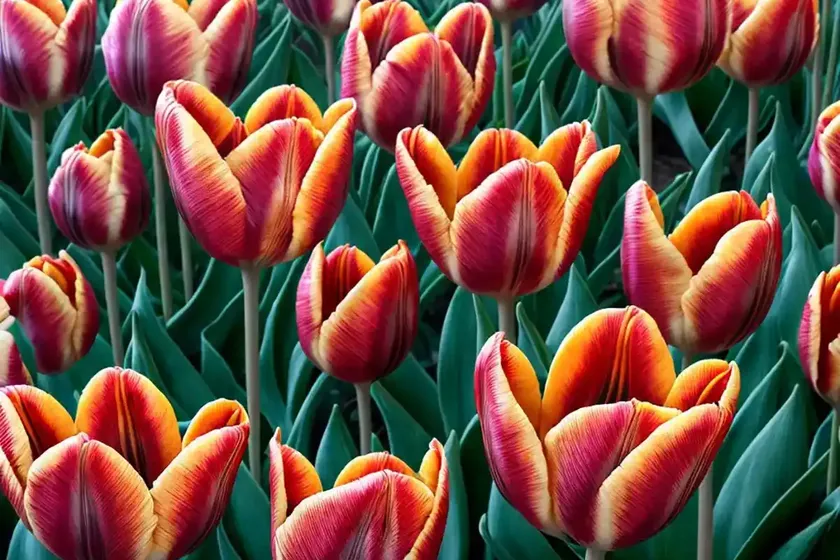
Tulipa orphanidea, commonly known as the Botanical Tulip, is a stunning plant that has captivated gardeners and plant enthusiasts for centuries. This beautiful species of tulip is renowned for its vibrant colors, graceful blooms, and the cultural significance it holds in various regions around the world. In this comprehensive guide, we will delve into the culture, uses, care, and fascinating characteristics of Tulipa orphanidea. Whether you are a seasoned gardener or a novice plant enthusiast, this guide will equip you with the knowledge to cultivate and appreciate this remarkable botanical treasure.
What is Tulipa orphanidea (Botanical Tulip)?
Tulipa orphanidea is a species of tulip that belongs to the Liliaceae family. This captivating plant is native to parts of Europe and Asia, where it thrives in a diverse range of habitats, from woodlands to open grasslands. The Botanical Tulip is renowned for its delicate, star-shaped flowers that bloom in an array of enchanting colors, including shades of red, orange, yellow, and pink. Unlike the traditional Dutch tulips commonly found in gardens, Tulipa orphanidea is an heirloom species with a wild and natural appeal, making it a beloved addition to both formal landscapes and naturalistic garden settings.
Key Takeaways – Tulipa orphanidea (Botanical Tulip)
Before we embark on the journey of exploring the culture and care of Tulipa orphanidea, let’s take a moment to highlight the key takeaways of this remarkable botanical treasure.
-
Varieties: Tulipa orphanidea encompasses a variety of subspecies and cultivars, each exhibiting unique characteristics and color variations.
-
Cultivation: The Botanical Tulip thrives in well-draining soil and requires minimal maintenance, making it an ideal choice for both beginner and experienced gardeners.
-
Uses: From garden borders to rockeries, Tulipa orphanidea adds a splash of vibrant colors and naturalistic charm to a wide range of landscape designs.
These key takeaways provide a glimpse into the diverse facets of Tulipa orphanidea, setting the stage for an in-depth exploration of this captivating plant.
Culture
Water
Tulipa orphanidea thrives in moderately moist soil and benefits from regular watering during its active growing period. However, it is essential to ensure that the soil is well-draining to prevent waterlogging, which can lead to root rot and other moisture-related issues. Once the flowering period concludes, it is advisable to reduce watering gradually as the plant transitions into dormancy.
Sunlight
As a sun-loving plant, Tulipa orphanidea flourishes in full to partial sunlight. When selecting a planting location, prioritize areas that receive ample sunlight throughout the day, as this will contribute to robust growth and abundant flowering.
Soil
The Botanical Tulip thrives in well-draining, fertile soil with a slightly acidic to neutral pH. Incorporating organic matter, such as compost or well-rotted manure, into the soil can enhance its structure and nutrient content, providing an optimal growing environment for Tulipa orphanidea.
Fertilizer
When it comes to fertilization, Tulipa orphanidea benefits from a balanced, slow-release fertilizer applied during the early stages of growth. Avoid over-fertilizing, as excessive nutrients can lead to lush foliage at the expense of blooming.
Uses
Tulipa orphanidea is a versatile plant that lends itself to a myriad of landscape uses, from traditional garden beds to naturalistic plantings. Some popular applications of the Botanical Tulip include:
- Garden Borders:
-
The vibrant blooms of Tulipa orphanidea add a striking touch to garden borders, creating a colorful tapestry that heralds the arrival of spring.
-
Rock Gardens:
-
The compact size and naturalistic appeal of Tulipa orphanidea make it an ideal choice for rockeries and alpine gardens, where it can thrive in well-draining soil alongside other diminutive plant species.
-
Container Planting:
- For those with limited garden space, Tulipa orphanidea can be cultivated in containers, allowing for the effortless creation of seasonal displays on patios, balconies, and terraces.
Pruning
After the flowering period, it is advisable to deadhead the spent blooms of Tulipa orphanidea. This simple practice encourages the plant to channel its energy into bulb development and enhances the overall appearance of the garden bed or container.
Propagation
Tulipa orphanidea can be propagated through bulbs, which can be carefully lifted and divided during the plant’s dormant phase. When dividing the bulbs, ensure that each division contains sufficient roots and healthy tissue to support the development of new plants.
Container Popularity
The compact size and ornamental allure of Tulipa orphanidea have made it a popular choice for container planting. Whether displayed in terracotta pots, decorative urns, or hanging baskets, the Botanical Tulip brings a touch of natural beauty to outdoor living spaces and provides an opportunity for creative floral arrangements.
Common Diseases
Disease Diagnosis
Tulipa orphanidea is susceptible to fungal diseases such as Botrytis, which can manifest as gray mold on the foliage and flowers. Additionally, viral and bacterial infections can affect the overall health and appearance of the plant. Regular monitoring and prompt intervention are crucial for mitigating the impact of diseases on Tulipa orphanidea.
Common Pests
Tulipa orphanidea may encounter various pests, including aphids, thrips, and bulb-feeding insects. Vigilance and early detection are essential for managing pest infestations and preserving the vitality of the plant.
Botanist’s Tips
As a plant scientist with a passion for tulips, I have cultivated and studied Tulipa orphanidea extensively. Through my experiences, I have gathered valuable insights and tips for enthusiasts looking to embark on their journey with the Botanical Tulip.
-
Planting Depth: When planting Tulipa orphanidea bulbs, adhere to the recommended planting depth to ensure that the bulbs establish themselves at an optimal level within the soil, promoting healthy growth and flowering.
-
Mulching: Applying a layer of organic mulch around Tulipa orphanidea can help conserve moisture, suppress weed growth, and insulate the bulbs during extreme temperature fluctuations.
-
Naturalizing: In suitable growing conditions, such as open woodlands and meadows, Tulipa orphanidea can be left to naturalize, forming charming drifts of spring blooms that evoke the beauty of the wild.
Fun Facts
Uncovering the intriguing facets of Tulipa orphanidea adds depth to the appreciation of this botanical marvel. Here are some fun facts that shed light on the allure of the Botanical Tulip:
-
Cultural Significance: In various cultures and folklore, tulips, including Tulipa orphanidea, symbolize love, prosperity, and rebirth, holding a special place in festivals, celebrations, and symbolic rituals.
-
Historical Significance: The cultivation of tulips dates back centuries, with Tulipa orphanidea and other wild tulip species contributing to the genetic diversity of cultivated tulip varieties that are cherished worldwide.
With these tips and fun facts in mind, let’s continue our exploration of Tulipa orphanidea, delving deeper into its fascinating characteristics and gaining a deeper understanding of its ecological and horticultural significance.
Links to External Resources
As we further immerse ourselves in the captivating world of Tulipa orphanidea, I invite you to explore external resources that offer additional insights, botanical illustrations, and captivating photographs of this remarkable species.
- The Royal Horticultural Society (RHS) – Tulipa orphanidea
- Missouri Botanical Garden – Botanical Tulips
- Kew Royal Botanic Gardens – Tulipa orphanidea Cultivation Guide
These external resources serve as invaluable companions on the journey to understanding and appreciating the botanical splendor of Tulipa orphanidea. Whether you are seeking cultivation tips, historical context, or artistic inspiration, these resources offer a wealth of knowledge and visual delights.
Conclusion
In our exploration of Tulipa orphanidea, we have uncovered the cultural significance, care requirements, landscape uses, and captivating allure of the Botanical Tulip. From its vibrant blooms to its ecological interactions, Tulipa orphanidea stands as a testament to the enduring charm of wild tulip species and their enduring appeal in gardens and natural landscapes.
As we endeavor to foster a deeper appreciation for plants and their ecological roles, the exploration of species such as Tulipa orphanidea enriches our understanding of botanical diversity, cultural symbolism, and the timeless allure of spring-flowering treasures.
From the meticulous care of its bulbs to the visual splendor of its blossoms, Tulipa orphanidea beckons us to embrace the magic of nature and celebrate the enduring legacy of wild tulip species. In doing so, we honor the intricate tapestry of life that flourishes in our gardens, reminding us of the profound connections that unite us with the natural world.
As we conclude our journey through the enchanting realm of Tulipa orphanidea, may the Botanical Tulip continue to inspire and captivate us, offering a timeless reminder of the boundless beauty that unfolds in the embrace of each new spring.
As a plant scientist and tulip enthusiast, I hope this comprehensive guide has provided valuable insights into the captivating world of Tulipa orphanidea. Whether you are a gardener, botanist, or simply someone who appreciates the beauty of plants, I encourage you to embark on your own exploration of the Botanical Tulip, discovering the nuances and splendor that await within this natural treasure.
Remember to tend to your tulip bulbs with care, rejoice in the vibrant blooms that emerge each spring, and revel in the timeless allure of Tulipa orphanidea.
Happy gardening!
Disclaimer: The information provided in this guide is based on the author’s expertise and experiences with Tulipa orphanidea. It is advisable to consult local horticultural resources and experts for region-specific recommendations and guidelines related to plant care and cultivation.


