Tulip (Tulipa Gesneriana)
Tulips (Tulipa gesneriana) are one of the most beloved and recognizable flowers in the world. They belong to the Liliaceae family and are native to Central.
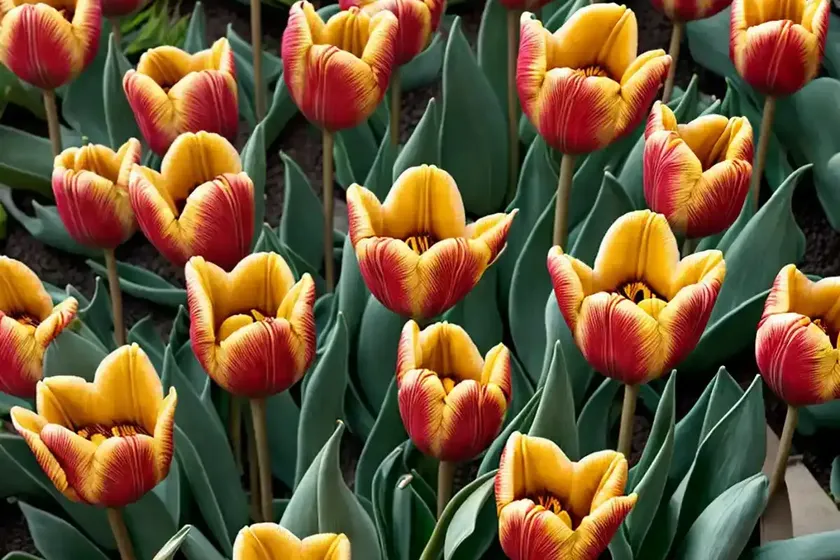
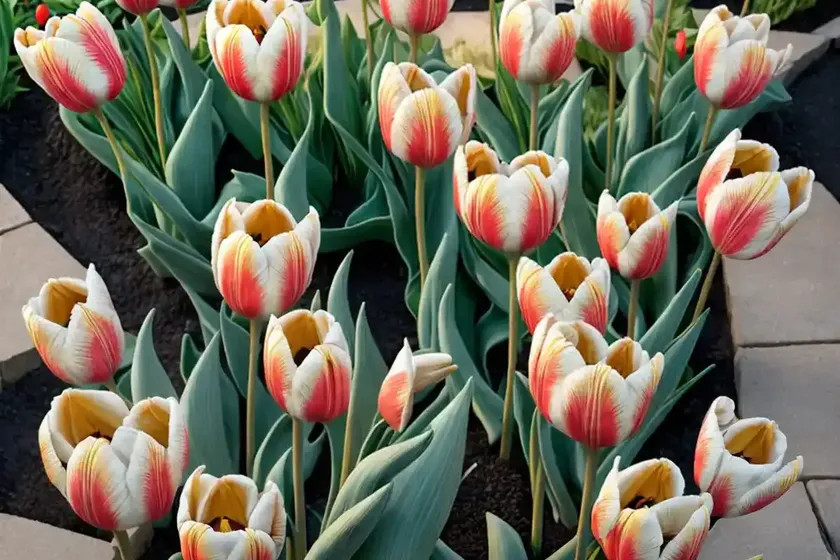
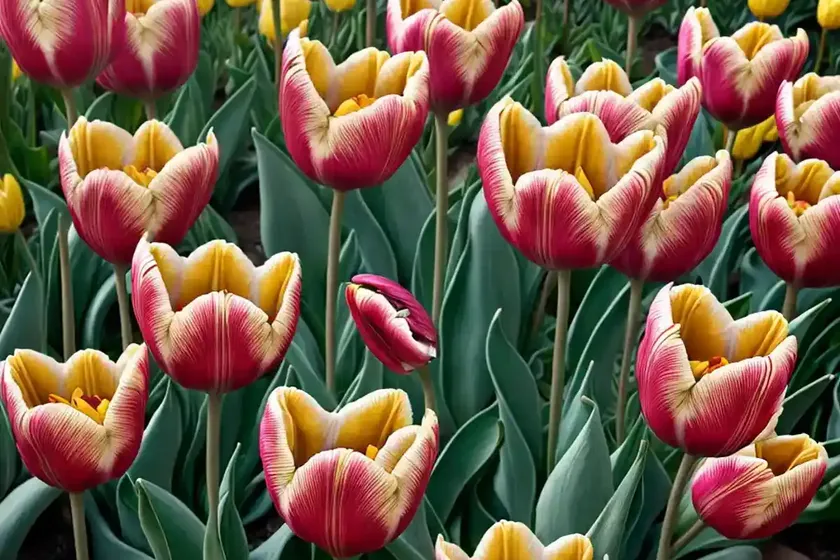
Tulips (Tulipa gesneriana) are one of the most beloved and recognizable flowers in the world. They belong to the Liliaceae family and are native to Central Asia and Turkey. These beautiful, cup-shaped flowers are available in a wide range of colors, from bright reds and yellows to pastel pinks and purples, making them a popular choice for gardens, bouquets, and floral arrangements.
Key Takeaways – Tulip (Tulipa gesneriana)
-
Tulip Varieties: There are numerous varieties of tulips, including single early tulips, double late tulips, triumph tulips, Darwin hybrid tulips, and many more, each with its unique characteristics and blooming times.
-
Tulip Care Tips: Proper care is essential for healthy and vibrant tulips. This includes providing the right amount of water, sunlight, fertilizer, and suitable soil conditions.
-
Growing Tulipa gesneriana: Understanding the growth requirements and habits of tulips is crucial when cultivating these plants in gardens or containers.
-
Tulip Flower Meaning: Tulips hold various symbolic meanings, and different colors of tulips convey different emotions and messages.
-
Tulip Planting Guide: Knowing the best practices for planting tulip bulbs is essential to ensure successful growth and blooming.
-
Tulip Bulbs for Sale: Tulip bulbs are widely available for purchase, and choosing the right bulbs is a critical step in the planting process.
-
Tulip Flower Colors: The diverse range of colors in which tulips are available offers endless possibilities for garden and floral design.
-
Tulip Garden Design: Incorporating tulips in garden designs can create stunning visual impact and aesthetic appeal.
-
Tulip Bouquet Ideas: Tulips are a popular choice for creating beautiful and vibrant bouquets for various occasions.
-
Tulip Will Not Bloom: Understanding the reasons behind non-blooming tulips and how to address this issue is crucial for successful cultivation.
Plant Name: Tulip (Tulipa gesneriana)
Let’s delve into the fascinating world of tulips and explore the best practices for their cultivation and care.
Uses
Tulips are incredibly versatile and can be used in various ways:
-
Gardens: Tulips are a staple in many garden designs, adding vibrant colors and a touch of elegance to the landscape.
-
Cut Flowers: The long stems and stunning blooms make tulips a popular choice for cut flower arrangements and bouquets.
-
Containers: Tulips can be grown in containers, allowing for flexibility in placement and a burst of color on patios, balconies, or indoors.
-
Landscaping: Tulips are often used in landscaping to create visual interest and add a pop of color to commercial and residential properties.
-
Symbolism: Tulips are used symbolically to convey emotions and sentiments, making them a meaningful gift and a powerful storytelling element in floral arrangements.
Water
Proper watering is vital for the health and vitality of tulips. Here are some essential considerations for watering tulips:
-
Regular Moisture: Tulips prefer consistently moist soil, especially during their active growth and blooming periods.
-
Avoid Waterlogging: While tulips require adequate moisture, waterlogging should be avoided to prevent root rot and other moisture-related issues.
-
Drought Tolerance: Tulips are relatively drought-tolerant once established, but consistent watering is crucial during their initial growth phase and flowering.
-
Watering Techniques: When watering tulips, it’s important to ensure that the water reaches the root zone, promoting strong and healthy root development.
Sunlight
Proper sunlight is essential for the growth and blooming of tulips. Consider the following factors related to sunlight requirements for tulips:
-
Full Sun: Tulips generally thrive in full sun, receiving at least 6-8 hours of direct sunlight daily.
-
Partial Shade: While tulips prefer full sun, they can tolerate partial shade, particularly in regions with intense heat or strong sunlight.
-
Morning Sun: In warmer climates, tulips benefit from receiving morning sunlight and partial shade during the hotter parts of the day.
-
Indoor Placement: When growing tulips indoors in containers, it’s important to provide adequate sunlight through windows or supplemental grow lights.
Fertilizer
Proper fertilization contributes to the vigor and blooming of tulips. Consider the following points when fertilizing tulips:
-
Balanced Fertilizer: Apply a balanced, slow-release fertilizer in early spring as new growth emerges to provide essential nutrients for strong growth and vibrant blooms.
-
Soil Testing: Conduct a soil test to determine the nutrient levels and pH of the soil, allowing for targeted and precise fertilization based on the specific needs of the tulips.
-
Avoid Excess Nitrogen: Excessive nitrogen can lead to lush foliage at the expense of blooming, so it’s important to use a fertilizer with a balanced nutrient profile.
-
Organic Options: Organic fertilizers, such as compost and well-rotted manure, can be incorporated into the soil before planting tulips to enrich the soil and provide long-term nutrition.
Soil
Choosing the right soil is crucial for the success of tulip cultivation. Here are some key considerations for soil selection:
-
Well-Draining: Tulips require well-draining soil to prevent waterlogging and root rot. Sandy loam or loamy soils are generally suitable for tulips.
-
pH Levels: The ideal soil pH for tulips is slightly acidic to neutral (pH 6.0-7.0), as it allows for optimal nutrient uptake and healthy growth.
-
Soil Amendments: Prior to planting, amending the soil with organic matter, such as compost or peat moss, can improve soil structure and fertility.
-
Container Media: When growing tulips in containers, it’s important to use a well-draining potting mix formulated for bulbs and flowering plants.
Pruning
While tulips do not require extensive pruning, some basic maintenance practices can promote their health and appearance:
-
Faded Blooms: Deadheading spent flowers can redirect the plant’s energy into bulb development and prevent the formation of seed heads.
-
Foliage Removal: After blooming, allow the foliage to remain until it turns yellow and withers naturally, as the leaves continue to photosynthesize and replenish the bulbs for the following year.
-
Trimming Brown Foliage: If necessary, trim browned or damaged foliage, being careful not to damage the emerging flower buds for the following season.
Propagation
Tulips can be propagated through several methods, allowing for the expansion of their population and the creation of new plantings:
-
Division: Over time, tulip bulbs can multiply and form clusters. These clusters can be carefully divided after the foliage has withered, and the individual bulbs can be replanted to create new displays.
-
Offsets: Some tulip varieties produce offsets, small bulbs that form alongside the main bulb. These offsets can be carefully detached and replanted to establish new plants.
-
Seed Propagation: While tulips are typically propagated through bulblets, they can also be grown from seeds, although this method requires more time and patience.
Container Popularity
Growing tulips in containers is a popular choice for many gardeners, offering flexibility and versatility in their display. Some key reasons for the popularity of container-grown tulips include:
-
Space Constraints: For gardeners with limited outdoor space, containers provide an opportunity to enjoy and grow tulips on patios, balconies, and small gardens.
-
Enhanced Control: Containers allow for precise control over soil conditions, water levels, and sunlight exposure, which can be beneficial for tulip cultivation.
-
Aesthetic Appeal: Container-grown tulips can serve as focal points in outdoor and indoor settings, adding color and charm to the surroundings.
-
Seasonal Display: Containers offer the flexibility to move tulips to optimal locations based on sunlight and temperature requirements, creating dynamic and seasonal displays.
Container Common Diseases
While growing tulips in containers offers many benefits, there are specific diseases that can affect these plants in a confined environment. Some common diseases of container-grown tulips include:
-
Botrytis Blight: Also known as gray mold, this fungal disease can affect tulip flowers, causing them to become discolored and decay. Proper air circulation and avoiding overwatering can help prevent this disease.
-
Fusarium Wilt: This soil-borne fungus can cause wilting and yellowing of tulip foliage. Using sterile potting mix and avoiding overwatering can reduce the risk of Fusarium wilt.
-
Root Rots: Excessive moisture in container soils can lead to various root rot diseases, impacting the health and vigor of tulips. Well-draining potting mix and proper watering practices are essential for prevention.
Disease Diagnosis
Identifying and diagnosing diseases in container-grown tulips is crucial for implementing timely and effective management strategies. Some common signs and symptoms of diseases in container tulips include:
-
Discolored Spots: Fungal diseases may cause discolored spots or lesions on the leaves or petals of tulips.
-
Wilting: Wilting and drooping foliage, especially if the soil moisture levels are appropriate, can be indicative of root diseases.
-
Decay: Visible decay, mold, or unusual odors associated with the tulip foliage or flowers may indicate a fungal infection.
-
Stunted Growth: Lack of growth or stunted appearance, particularly in comparison to healthy neighboring plants, can signal underlying disease issues.
Common Pests
While container-grown tulips are less susceptible to some pests, there are still several pests that may pose a threat to these plants. Common pests of container tulips include:
-
Aphids: These small, soft-bodied insects can cluster on tulip foliage and flowers, sucking sap and causing distortion and discoloration of plant parts.
-
Spider Mites: These tiny arachnids may infest tulip plants, causing stippling and yellowing of leaves and creating fine webbing on the foliage.
-
Bulb Mites: Bulb mites can infest tulip bulbs in containers, causing rot and decline. Carefully inspect bulbs before planting to ensure they are healthy and free from infestations.
-
Slugs and Snails: These mollusks can feed on tulip foliage and flowers, leaving visible damage and holes on the plant parts.
-
Thrips: Thrips are tiny insects that can cause silvering or bronzing of tulip leaves and petals, impacting the overall appearance of the plants.
To ensure the successful cultivation of tulips, consider the following expert tips from botanists and horticulturists:
-
Choose Healthy Bulbs: When selecting tulip bulbs, choose firm, plump bulbs free from mold, blemishes, or signs of damage.
-
Plant at the Right Depth: Plant tulip bulbs at the appropriate depth, typically 3 times the height of the bulb, ensuring proper coverage and insulation.
-
Provide Good Drainage: Whether in the garden or containers, ensure that the planting site offers adequate drainage to prevent waterlogging.
-
Protect from Wildlife: In areas with wildlife or pest pressure, such as deer or rodents, consider using protective measures to safeguard tulip bulbs and plants.
-
Consider Companion Planting: Pair tulips with complementary plants that bloom at different times or offer contrasting foliage to create visually appealing combinations.
-
Monitor for Diseases and Pests: Regularly inspect tulip plants for any signs of diseases or pest infestations, addressing issues promptly to minimize damage.
-
Adjust Watering: Be mindful of seasonal changes and weather patterns, adjusting your watering frequency and volume based on the conditions to maintain optimal moisture levels.
-
Mulch for Insulation: Apply a layer of mulch over tulip beds to provide insulation and protect the bulbs from extreme temperatures during winter.
-
Support Tall Varieties: For taller tulip varieties that may be prone to bending or leaning, provide supplemental support using stakes or rings.
Fun Facts
-
Historical Significance: Tulips have a rich historical background and were highly prized during the Dutch Golden Age, leading to the famous economic phenomenon known as “Tulip Mania.”
-
National Flower: The tulip is the national flower of Iran and has cultural significance in various countries around the world.
-
Variety of Colors: Tulips are available in an exceptional range of colors, from pure white and deep purple to striking bi-color and multi-color combinations.
-
Edible Flowers: Some tulip petals are edible and can be used as a decorative addition to salads, desserts, and drinks.
-
Longevity of Cut Flowers: When properly cared for, cut tulip flowers can last for several days, bringing beauty and color indoors.
-
Symbolism: Different colors of tulips carry diverse symbolic meanings, with red tulips symbolizing love and white tulips representing purity and forgiveness.
Links to External Resources
For additional information on tulips, their cultivation, and care, consider exploring the following resources:
- Royal Horticultural Society – Growing Tulips
- University of Minnesota Extension – Tulips and Daffodils
- The Spruce – Growing Tulips: Planting and Caring for Tulip Flowers
- American Meadows – Tulip Bulb Planting Guide
Whether you are a seasoned gardener or a beginner looking to add the beauty of tulips to your surroundings, the tips and insights shared in this guide can enhance your experience with these captivating flowers.
In conclusion, tulips (Tulipa gesneriana) are cherished for their captivating blooms, versatile uses, and rich symbolism. By understanding their cultural requirements, proper care techniques, and potential challenges, enthusiasts can cultivate healthy and vibrant tulips in gardens and containers. With a diverse selection of colors, sizes, and blooming times, tulips offer an endless array of possibilities for creating stunning floral displays and adding a touch of elegance to any outdoor or indoor setting.
As you embark on your tulip-growing journey, remember to explore the vast array of varieties, colors, and design possibilities to create a truly enchanting tulip garden. Whether you are drawn to the historical significance of tulips, their aesthetic appeal, or the joyful experience of nurturing these blooms, the world of tulips invites you to embrace the beauty and charm of these beloved flowers.


