Tulip-poplar (Liriodendron Tulipifera)
The tulip-poplar, scientifically known as Liriodendron tulipifera, is a striking and resourceful native plant that holds a significant place in the.
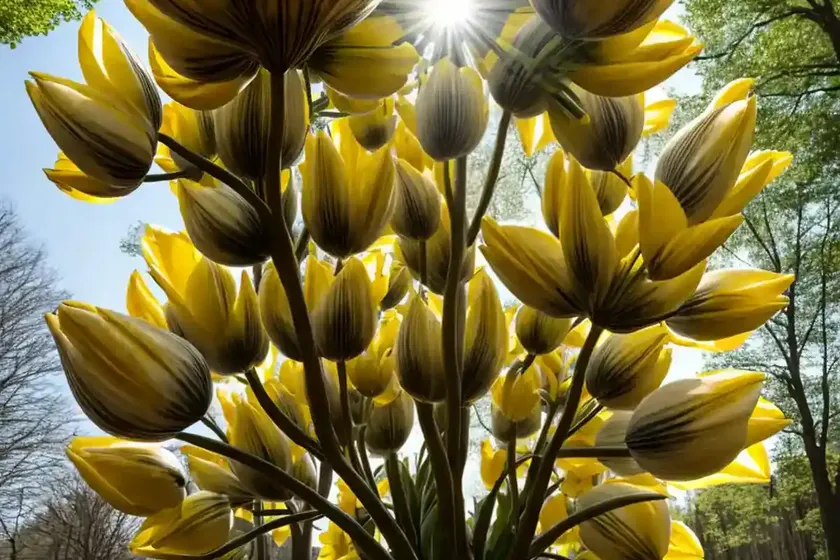
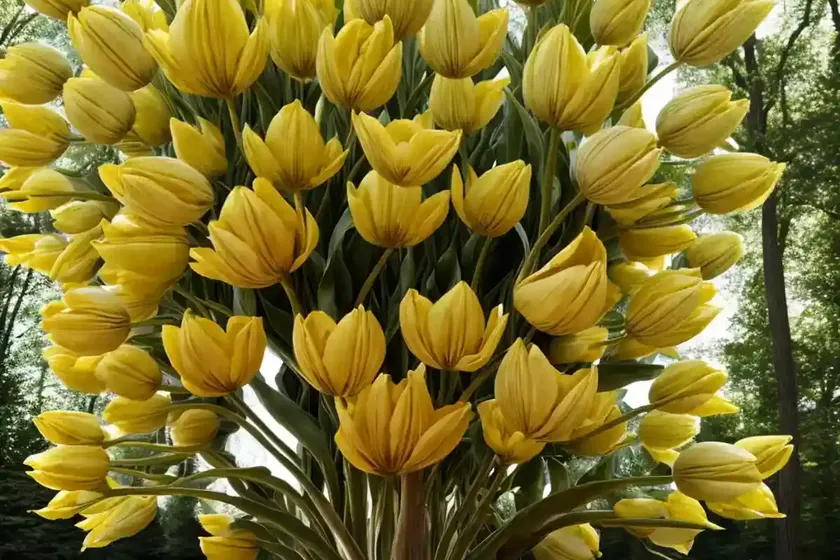
The tulip-poplar, scientifically known as Liriodendron tulipifera, is a striking and resourceful native plant that holds a significant place in the ecosystem and human history. In this comprehensive guide, we will explore the captivating and diverse aspects of this iconic tree, from its cultural significance and ecological importance to its growth requirements and utilization in landscapes.
Key Takeaways – Tulip-poplar (Liriodendron Tulipifera)
Before delving into the various facets of the tulip-poplar, let’s glance through some of the key takeaways:
- Scientific Name: Liriodendron Tulipifera
- Common Names: Tulip-Poplar, Tulip Tree, Tulip Yellow Poplar
- Native Habitat: Eastern North America
- Cultural and Ecological Uses: Timber Production, Landscaping, Wildlife Habitat
- Growth Requirements: Full Sun, Well-Drained Soil, Moderate Watering
- Distinct Features: Tulip-Shaped Leaves, Yellow-Green Flowers
- Disease Resistance: Susceptible to Some Fungal Diseases
- Historical and Symbolic Significance: Important in Native American and Colonial American Cultures
Now, let’s embark on a journey to uncover the fascinating world of the tulip-poplar, discovering its remarkable attributes and practical applications.
What is “Tulip-poplar” (Liriodendron Tulipifera)?
The tulip-poplar, belonging to the Magnoliaceae family, is a deciduous tree native to the eastern region of North America. Known for its towering height, distinct tulip-shaped leaves, and vibrant flowers, this tree species has established itself as an integral component of the temperate forests in its native habitat.
Overview
- Scientific Classification:
- Kingdom: Plantae
- Order: Magnoliales
- Family: Magnoliaceae
- Genus: Liriodendron
-
Species: Liriodendron Tulipifera
-
Distinctive Features:
- Tulip-Shaped Leaves
- Yellow-Green Flowers with Orange Banding
-
Tall, Straight Trunk with Furrowed Bark
-
Ecological Role:
- Provides Habitat and Food for Wildlife
- Essential Component of Eastern Deciduous Forests
Historical Significance
The tulip-poplar has a rich history intertwined with various cultures and traditions. It has held significant symbolic and practical value for Indigenous peoples and early European settlers. The lightweight and durable wood of the tulip-poplar played a vital role in the construction of dwellings and furniture during the colonial era, fostering its enduring legacy in American history.
Culture
Under this section, we will delve into the cultural significance of the tulip-poplar, encompassing its historical uses, symbolism, and its representation in various cultural contexts.
Native American Heritage
The tulip-poplar holds a revered place in the traditions and daily lives of Native American tribes. The Cherokee people, in particular, cherished the tulip-poplar for its multifaceted utility. They utilized the tree’s wood to craft canoes, traditional dwellings, and various tools. Additionally, the tulip-shaped leaves and distinctive flowers carried symbolic importance in their folklore and medicine.
Colonial American Era
The early colonial settlers also recognized the practical benefits of the tulip-poplar, incorporating its timber into the construction of cabins, ships, and other essential structures. The straight and robust trunks of the tulip-poplar made it an ideal choice for these purposes, contributing to the expansion of colonial settlements and the development of American infrastructure.
Symbolism and Iconography
The tulip-poplar has been associated with diverse meanings and symbolisms. In some cultures, the tree represents resilience and adaptability due to its ability to thrive in varying environmental conditions. Moreover, its striking flowers and towering stature have made it a subject of admiration and inspiration in art and literature, symbolizing strength, growth, and natural beauty.
Uses
The tulip-poplar embodies versatility in its utilization, offering a wide array of practical applications that span from timber production to ornamental landscaping. Let’s explore the diverse uses of this magnificent tree:
Timber Production
The wood of the tulip-poplar is prized for its exceptional qualities, making it a coveted resource in the timber industry. Its lightweight yet durable nature has rendered it valuable for crafting furniture, musical instruments, and various wooden implements. Moreover, its resistance to warping and ease of manipulation have contributed to its widespread use in construction and carpentry.
Landscaping and Shade
As a landscaping feature, the tulip-poplar adds an element of elegance and grandeur to parks, estates, and urban landscapes. Its distinctive foliage and abundant shade make it an appealing choice for homeowners and landscape architects seeking to enhance the aesthetic appeal of outdoor spaces. Additionally, its rapid growth rate and adaptability to different soil types have established it as a favored shade tree in many regions.
Wildlife Habitat
The tulip-poplar serves as a vital component of the ecosystem, providing habitat and sustenance for a diverse array of wildlife. Birds, including the yellow-bellied sapsucker and purple finch, are particularly drawn to the tree for nesting and foraging purposes. The nectar-rich flowers attract bees and hummingbirds, further contributing to the biodiversity of the surrounding environment.
Water
Watering Requirements:
- Established Trees: Moderate Watering during Dry Periods
- Young Trees: Regular and Ample Watering for Establishment
The tulip-poplar thrives in well-drained soil and demonstrates moderate drought tolerance once established. However, adequate watering, especially during the early stages of growth, is crucial for promoting healthy root development and overall vigor. During prolonged dry spells, it is advisable to provide supplementary irrigation to ensure the tree’s sustained health and vitality.
Sunlight
Sun Exposure:
- Preferred Conditions: Full Sun to Partial Shade
- Growth Rate: Accelerated in Full Sunlight
The tulip-poplar exhibits a preference for full sunlight, displaying enhanced growth and foliage density under such conditions. While it can tolerate partial shade, optimal exposure to sunlight is instrumental in maximizing its ornamental and ecological value. Planting the tree in an open area with ample sunlight fosters its overall robustness and ensures the development of its characteristic tulip-shaped leaves and vibrant flowers.
Fertilizer
Fertilization Guidelines:
- Young Trees: Moderate Application of Balanced Fertilizer (N-P-K ratio of 10-10-10) in Spring
- Established Trees: Minimal Fertilization Required, Occasionally Apply Compost or Organic Mulch
For young tulip-poplars, a balanced fertilizer containing essential nutrients such as nitrogen, phosphorus, and potassium can be beneficial in promoting vigorous growth. During the initial years, applying fertilizer in the spring aids in bolstering the tree’s resilience and enhancing its overall health. Conversely, established trees typically require minimal fertilization, with occasional applications of compost or organic mulch to maintain soil fertility and structure.
Soil
Soil Preferences:
- Type: Well-Drained, Loamy Soil
- pH Range: Slightly Acidic to Neutral (pH 6.0-7.5)
- Texture: Medium to Coarse Texture
The tulip-poplar thrives in well-drained, loamy soil with a pH range that leans slightly toward the acidic end of the spectrum. The tree demonstrates adaptability to various soil textures, including sandy and clay soils, as long as they offer adequate drainage. Prioritizing soil structure and fertility is pivotal in ensuring the sustained growth and vitality of the tulip-poplar within its designated landscape.
Pruning
Pruning Recommendations:
- Early Spring Pruning: Removal of Damaged or Diseased Branches
- Structural Pruning: Encouraged to Promote Balanced Canopy Growth
- Minimal Pruning of Established Trees: Emphasis on Maintenance and Health Assessment
Pruning is an essential component of tulip-poplar care, contributing to the development of a strong and well-structured crown while also mitigating the risk of disease proliferation. Early spring serves as an opportune time for pruning, enabling the removal of any dead or damaged branches that may have incurred damage during the winter months. Furthermore, strategic pruning techniques can be employed to foster an optimal canopy structure and enhance the tree’s overall aesthetic appeal.
Propagation
Seed Propagation
Tulip-poplars can be propagated from seeds collected from mature cones in the fall. The seeds can be sown in a well-draining potting mix and should be kept moist until germination, which typically occurs within a few weeks to several months. Once the seedlings have developed adequate root systems, they can be transplanted into individual containers or outdoor locations.
Root Cuttings
The propagation of tulip-poplars via root cuttings can also be successful, particularly for cultivars with desirable characteristics. Selecting healthy and vigorous roots from established trees and providing them with appropriate moisture and soil conditions can yield viable clones that retain the genetic traits of the parent plant.
Container Popularity
The tulip-poplar, with its graceful form and distinctive foliage, has gained recognition as an appealing container plant for urban and suburban settings. Container-grown specimens offer the advantage of mobility, allowing for flexible placement within ornamental gardens, patios, and outdoor living spaces. Additionally, their relatively rapid growth and adaptability to container culture make them an attractive option for individuals seeking to incorporate larger ornamental trees into confined landscapes.
Common Diseases
While the tulip-poplar is generally resilient, it can be susceptible to certain diseases that may compromise its health and vigor. Understanding and identifying these common ailments is crucial for implementing timely and effective management strategies.
Powdery Mildew (Microsphaera tulipiferae)
Powdery mildew, caused by the fungal pathogen Microsphaera tulipiferae, presents as a superficial white powdery coating on the leaves and stems of the tulip-poplar. It is often favored by high humidity and can lead to diminished photosynthetic efficiency if left unchecked.
Cercospora Leaf Spot (Cercospora spp.)
Cercospora leaf spot manifests as small, dark lesions on the leaves of the tulip-poplar, eventually coalescing to form larger necrotic patches. This fungal disease can impact the tree’s overall vigor and aesthetic appeal, necessitating prompt management to curtail its spread.
Verticillium Wilt (Verticillium spp.)
Verticillium wilt is characterized by the wilting and yellowing of foliage, often progressing from the lower branches upward. It is caused by soil-borne fungi of the genus Verticillium and can result in significant stress and decline in affected trees.
Diagnosis and Management
Effective disease diagnosis involves a thorough examination of the symptoms exhibited by the tree, including leaf discoloration, unusual growth patterns, and the presence of characteristic fungal structures. Upon identification, targeted management tactics such as pruning affected branches, promoting air circulation, and applying fungicidal treatments can be employed to mitigate disease progression and restore the tulip-poplar’s health.
Common Pests
Tuliptree Scale (Toumeyella liriodendri)
The tuliptree scale is an insect pest that infests tulip-poplars, feeding on the sap within the phloem tissues and excreting honeydew, which can lead to the development of sooty mold. Infestations can cause leaf yellowing and premature defoliation, necessitating vigilant monitoring and potential treatment with horticultural oils or insecticidal soaps.
Tulip-Tree Aphid (Illinoia liriodendri)
Tulip-tree aphids are small, soft-bodied insects that congregate on tender shoots and leaf undersides, extracting plant sap and secreting honeydew. While individual infestations may not cause significant harm, heavy aphid populations can impede the tulip-poplar’s growth and lead to increased susceptibility to fungal pathogens.
Tussock Moth Caterpillars (Orgyia spp.)
The larvae of tussock moths are capable of defoliating tulip-poplars, posing a threat to the tree’s overall vitality and aesthetic appeal. Their distinctive tufts of hair and voracious feeding habits make them important targets for pest management, particularly in ornamental and urban environments.
Integrated Pest Management
Implementing integrated pest management practices, including regular monitoring, biological controls, and judicious use of insecticidal treatments, can aid in minimizing pest pressures and safeguarding the health of the tulip-poplar. Additionally, promoting biodiversity within the landscape can foster the presence of natural predators that assist in regulating pest populations.
Botanist’s Tips
As a plant scientist with a profound appreciation for the botanical marvel that is the tulip-poplar, I offer the following insights and recommendations for fostering the optimal growth and health of this magnificent tree:
-
Prudent Site Selection: Prioritize well-drained and fertile soil with optimal sun exposure for planting tulip-poplars, ensuring that the selected site aligns with the tree’s environmental preferences.
-
Regular Monitoring: Engage in regular monitoring of the tree’s foliage, overall vigor, and any signs of pest or disease activity, allowing for timely intervention when necessary.
-
Pruning Best Practices: Embrace the art of selective pruning to maintain the structure and health of the tulip-poplar, aiming to strike a balance between canopy development and removal of compromised branches.
-
Watering Sensibly: Adhere to a consistent watering regimen, particularly during dry spells and the initial stages of growth, to facilitate the establishment and sustenance of healthy root systems.
-
Integrated Landscape Design: Incorporate tulip-poplars into comprehensive landscape designs, considering their value in providing shade, enhancing aesthetic appeal, and supporting biodiversity.
Fun Facts
The world of the tulip-poplar is teeming with intriguing tidbits and captivating anecdotes. Here are a few delightful fun facts about this remarkable tree:
- The tulip-poplar is the state tree of Indiana, Kentucky, and Tennessee, reflecting its cultural and ecological significance in these regions.
- Thomas Jefferson was an avid admirer of the tulip-poplar and planted numerous specimens at Monticello, his renowned estate in Virginia.
- The distinctive blossoms of the tulip-poplar serve as an essential source of nectar for honeybees, contributing to the production of prized tulip-poplar honey.
Links to External Resources
To further enrich your understanding of the tulip-poplar and explore additional insights and information, I have curated a selection of valuable external resources:
- Liriodendron Tulipifera: Plant Guide by The Lady Bird Johnson Wildflower Center
- Tulip Poplar Information by the Arbor Day Foundation
- Tuliptree: A North American Native with Diverse Uses by the United States Department of Agriculture
In conclusion, the tulip-poplar stands as an emblem of natural beauty, historic significance, and enduring utility. With its captivating blooms, stately presence, and myriad ecological contributions, this tree continues to enrapture the hearts of nature enthusiasts, conservationists, and horticultural aficionados alike. By honoring and nurturing the tulip-poplar, we pay homage to a living testament of resilience, elegance, and intrinsic value within our shared botanical heritage.


