The Enchanting Tuberose: A Comprehensive Guide to Polianthes Tuberosa
In the world of botanical beauty, few flowers command attention as effortlessly as the tuberose. With its captivating fragrance and ethereal appearance, the tuberose, scientifically known as Polianthes tuberosa, has earned its place as a beloved ornamental and aromatic plant.
In this comprehensive guide, we will delve into the cultural significance, uses, cultivation, and propagation of the tuberose. We will explore the appropriate conditions required for its optimal growth, as well as its potential challenges in the form of diseases and pests. Furthermore, we will unearth interesting facts about the tuberose and unveil the various symbolic and practical associations it holds across different cultures and traditions.
Let’s embark on a journey to understand and appreciate the allure of the tuberose, discovering its secrets and potential along the way.
What is Tuberose (Polianthes tuberosa)?
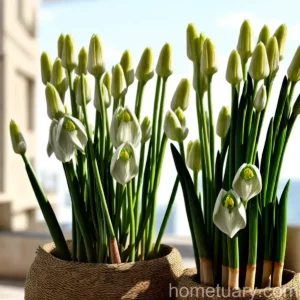
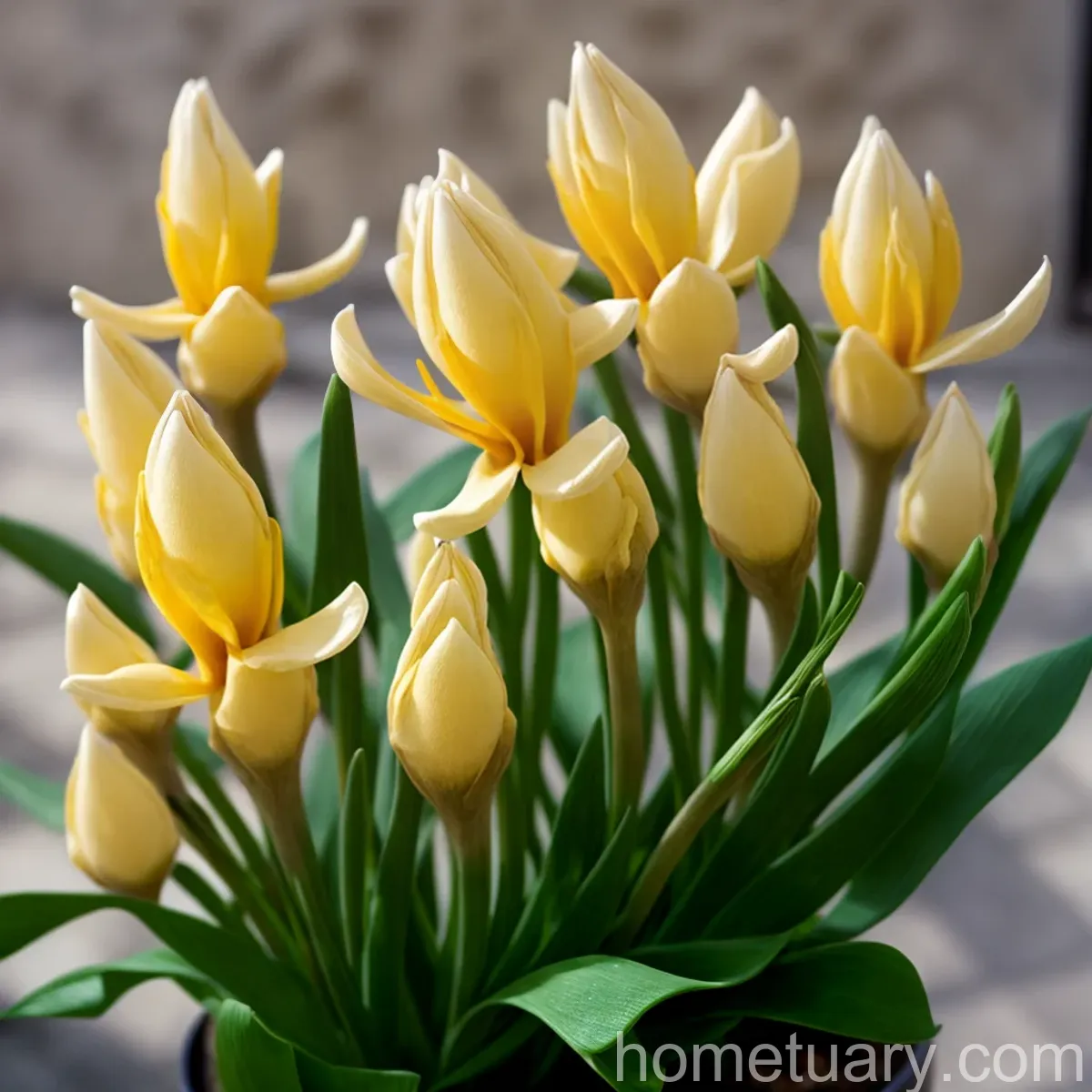
The tuberose, Polianthes tuberosa, is a perennial flowering plant that belongs to the Asparagaceae family. Native to Mexico, this species is highly valued for both its ornamental and aromatic qualities. Its slender, elongated stems are adorned with clusters of delicate, white, trumpet-shaped flowers, exuding a rich, sweet fragrance that is often utilized in perfumery and aromatherapy.
The plant derives its name from the Latin words “polios,” meaning “many,” and “anthos,” meaning “flower,” signifying the abundant blossoms it produces. The term “tuberosa” refers to the tuberous roots that the plant develops.
Key Takeaways – Tuberose (Polianthes tuberosa)
- Scientific Name: Polianthes tuberosa
- Family: Asparagaceae
- Native Habitat: Mexico
- Common Names: Tuberose, Night-fragrant Lily
- Fragrance: Intensely sweet and floral
Culture
The tuberose has a rich cultural history and holds various symbolic and practical significances across different societies. Its fragrant blooms and elegant appearance have made it a notable presence in traditional and modern practices alike.
Uses
The tuberose is celebrated for its diverse uses, ranging from ornamental and decorative purposes to its utilization in perfumery, religious ceremonies, and traditional medicine.
- Ornamental Purposes: Adorn gardens and floral arrangements with its enchanting blooms.
- Perfumery: Contributes a rich, sweet scent to perfumes and fragrances.
- Religious and Spiritual Significance: Used in rituals, devotional offerings, and spiritual practices.
- Traditional Medicine: Employed in various traditional medicinal practices for its potential health benefits.
Growing Conditions
To cultivate healthy and radiant tuberose plants, it is essential to provide them with the proper growing conditions. Factors such as water, sunlight, soil, and fertilizer play pivotal roles in the successful cultivation of tuberose.
Water
Tuberose plants require consistent moisture, especially during the growing season and flowering period. Adequate watering is essential to promote strong and vigorous growth, as well as the development of fragrant blossoms.
- Watering Requirements: Ensure that the soil remains consistently moist but not waterlogged, particularly during periods of active growth and flowering.
- Seasonal Considerations: Adjust watering frequency according to the plant’s growth stage and prevailing weather conditions.
Sunlight
Providing the appropriate amount of sunlight is crucial for the tuberose to thrive and produce its iconic blooms. Adequate exposure to sunlight influences the plant’s growth, bloom production, and overall health.
- Sunlight Needs: Place tuberose plants in locations where they receive at least 6-8 hours of direct sunlight per day.
- Shade Considerations: Protect the plants from intense midday sun in regions with scorching summers.
Soil
Selecting the right soil type and ensuring proper soil conditions are vital for the tuberose’s well-being. The soil should offer essential nutrients, good drainage, and a suitable pH level to support robust growth.
- Soil Type: Opt for well-draining, fertile soil with a slightly acidic to neutral pH (6.0-7.0).
- Amendments: Incorporate organic matter such as compost or well-rotted manure to enhance soil fertility and structure.
Fertilizer
Supplementing the soil with appropriate nutrients through fertilization encourages healthy growth, lush foliage, and abundant flowering in tuberose plants.
- Fertilization Schedule: Apply a balanced, water-soluble fertilizer every 4-6 weeks during the growing season.
- Nutrient Requirements: Provide a fertilizer with a balanced NPK ratio, along with micronutrients essential for flowering plants.
Pruning
Pruning is an essential aspect of tuberose care, contributing to the maintenance of plant health, the promotion of blooming, and the prevention of pest and disease issues.
- Removing Spent Blooms: Regularly deadhead faded flowers to encourage the production of new blooms and prevent the plant from expending energy on seed production.
- Trimming Foliage: Trim yellowing or damaged foliage to improve air circulation and reduce the risk of diseases.
Propagation
The propagation of tuberose plants can be accomplished through various methods, such as division, offsets, and seeds. Each technique offers its unique advantages and considerations.
- Division: Divide mature tuberose clumps in early spring, separating the offsets and planting them in suitable locations.
- Offsets: Harvest and plant offsets, or small bulbils, produced by mature tuberose plants during the growing season.
- Seeds: Collect and sow tuberose seeds to propagate new plants, acknowledging that they may take longer to reach flowering maturity compared to other methods.
Container Cultivation
The tuberose can also thrive in containers, allowing individuals with limited garden space to enjoy its captivating blooms and delightful fragrance. When cultivating tuberose in containers, it is crucial to provide suitable growing conditions and care for the plants accordingly.
- Container Size: Select containers that offer ample space for the tuberose’s roots and accommodate its mature size.
- Soil Considerations: Use well-draining potting mix tailored for flowering plants to provide the necessary support and nutrients.
- Watering and Sunlight: Regularly water the container-grown tuberose and place it in a sunny location to ensure healthy growth and flowering.
Popularity
The tuberose has garnered widespread popularity and appreciation due to its captivating fragrance, elegant appearance, and versatile uses. Its presence is prominent in various cultural, ornamental, and commercial contexts, further solidifying its status as a beloved plant.
- Ornamental Gardens: Adorns gardens and landscapes with its alluring blooms and tantalizing fragrance.
- Perfumery Industry: Contributes its sweet and exotic scent to an array of perfumes and fragrances, adding depth and allure.
- Traditional Practices: Holds significance in religious ceremonies, traditional medicine, and spiritual practices in diverse cultures worldwide.
- Floral Trade: Serves as a cherished cut flower in bouquets, floral arrangements, and special occasions, captivating enthusiasts and customers alike.
Common Diseases
Despite its resilience, the tuberose is susceptible to certain diseases that can impact its growth and vitality. Awareness of these potential ailments and timely intervention are essential in preserving the health and beauty of tuberose plants.
Disease Diagnosis
- Fungal Diseases: Watch for symptoms of fungal diseases such as leaf spots, stem rots, and mildews, which can be addressed through proper sanitation and fungicidal treatments.
- Viral Infections: Remain vigilant for signs of viral diseases that may manifest as leaf mottling, distortion, or stunted growth, warranting stringent control measures.
- Bacterial Pathogens: Monitor for symptoms of bacterial infections, such as water-soaked lesions and wilting, implementing preventive practices and targeted treatments when necessary.
Common Pests
Pests can pose a threat to the well-being of tuberose plants, potentially causing damage to the foliage, stems, and blossoms. Identifying and addressing pest issues in a timely manner is crucial to safeguard the plants from harm.
- Aphids: Look out for aphids, small sap-sucking insects, which can be controlled through natural predators, insecticidal soaps, or horticultural oils.
- Spider Mites: Monitor for spider mite infestations, characterized by webbing and stippled foliage, and employ appropriate measures such as spraying with water or neem oil.
- Caterpillars: Watch for caterpillars that may feed on tuberose foliage, handpicking and using biological insecticides to manage infestations.
Botanist’s Tips
As a botanist specializing in the cultivation of tuberose, I have encountered various insights and recommendations that can greatly benefit enthusiasts and growers seeking to cultivate this enchanting plant.
- Healthy Bulbs: Start with healthy, high-quality bulbs from reputable suppliers to ensure strong and vibrant plant growth.
- Consistent Care: Provide consistent care, including watering, fertilizing, and maintenance practices, to support the wellness and flowering of tuberose plants.
- Monitoring and Observation: Regularly monitor the plants for signs of pests, diseases, or nutritional deficiencies, intervening promptly to address any issues.
Fun Facts
Uncover intriguing and delightful facts about the tuberose, shedding light on its cultural significance, biology, and enchanting attributes.
- The tuberose symbolizes a range of emotions and concepts, including love, purity, sensuality, and forbidden pleasures, based on different cultural and historical contexts.
- Tuberose flowers release their intense fragrance during the night, captivating nocturnal pollinators such as moths and bats with their mesmerizing scent.
- The aromatic essence of tuberose is highly sought after in perfumery, contributing to the creation of luxurious and captivating fragrances renowned for their depth and allure.
Links to External Resources
Expand your knowledge and explore additional insights and information about the tuberose through reputable external resources and references.
- Royal Horticultural Society – Grow Your Own Tuberose
- University of Florida IFAS Extension – Tuberose Production Guide
- American Society for the Prevention of Cruelty to Animals (ASPCA) – Toxic and Non-Toxic Plant List – Tuberose
- Tropical Flowering Bulbs – Tuberose Cultivation Guide
- International Perfume Museum – Tuberose, Fragrant Flower with Mythical Powers
In conclusion, the tuberose, with its captivating fragrance, elegant blooms, and cultural significance, stands as a timeless emblem of beauty and allure. By embracing and honoring the traditions, aesthetics, and aromatherapy potential of this enchanting plant, we can manifest its charm and grace in our gardens, homes, and hearts. With due care, appreciation, and understanding, the tuberose continues to flourish and captivate enthusiasts worldwide, enchanting with its ethereal allure and captivating fragrance.