Tropaeolum Speciosum (Flame Nasturtium)
Plants are some of the most fascinating and diverse organisms on our planet. They come in all shapes, sizes, and colors, and each species has its own.

Plants are some of the most fascinating and diverse organisms on our planet. They come in all shapes, sizes, and colors, and each species has its own unique characteristics and requirements. In this blog post, we will delve into the world of Tropaeolum speciosum, also known as Flame Nasturtium, and explore its culture, uses, care requirements, and much more. Whether you’re a seasoned gardener or just starting out, there’s something to learn about this stunning plant.
What is Tropaeolum speciosum (Flame Nasturtium)?
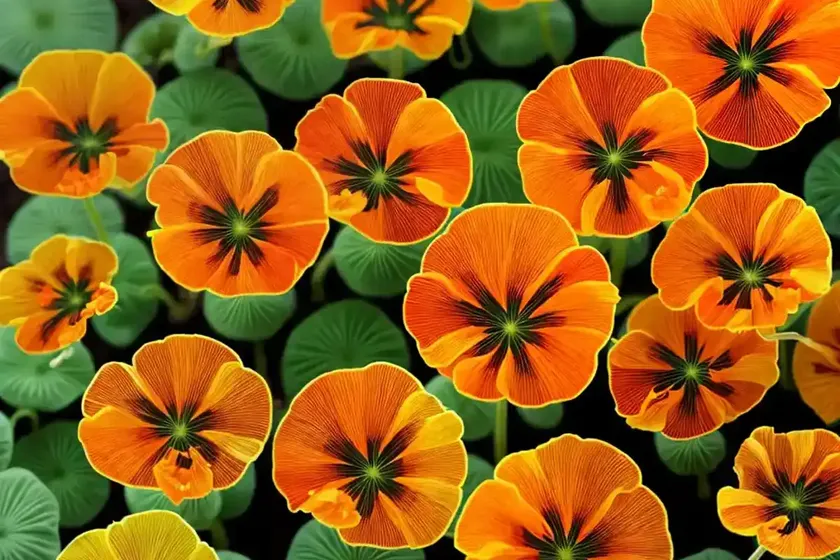
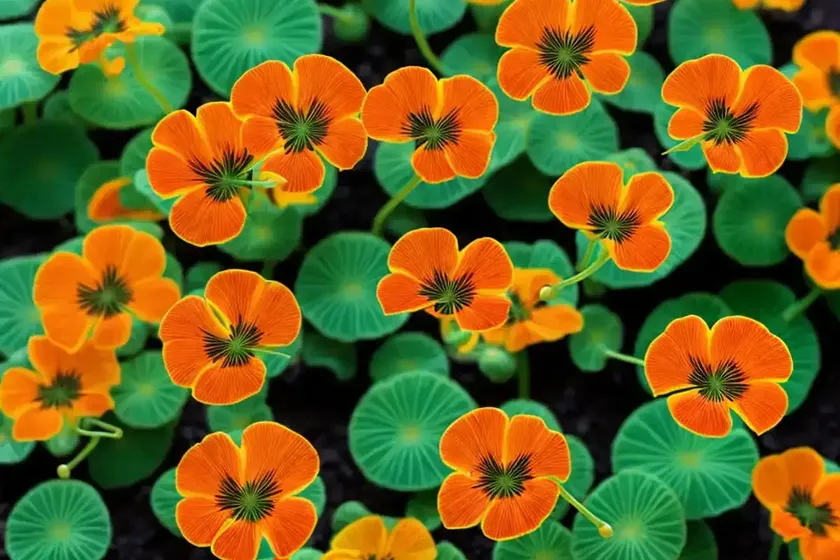
Tropaeolum speciosum, commonly known as Flame Nasturtium or Scottish Flame Flower, is a perennial plant native to Chile and Argentina. It belongs to the Tropaeolaceae family and is known for its distinctive scarlet flowers and round, blue-green leaves. Unlike the more common Tropaeolum majus, which is an annual plant, T. speciosum is a perennial vine that adds a pop of vibrant color to gardens and landscapes.
The Flame Nasturtium is a climbing plant that produces intricate, spurred flowers that resemble miniature parachutes. These vibrant blooms are known to attract hummingbirds and butterflies, adding to the biodiversity and natural beauty of any garden. The plant’s botanical name, Tropaeolum, is derived from the Greek word “tropaion,” which means “trophy,” and refers to the plant’s shield-shaped leaves and helmet-like flowers.
Key Takeaways – Tropaeolum Speciosum (Flame Nasturtium)
Before delving deeper into the specifics of Flame Nasturtium care and cultivation, let’s take a look at some key takeaways that will guide our exploration of this remarkable plant.
- Flame Nasturtium, or Tropaeolum speciosum, is a perennial vine native to South America, known for its vibrant scarlet flowers and blue-green foliage.
- The plant is valued for its ornamental qualities and for its ability to attract pollinators such as hummingbirds and butterflies.
- Tropaeolum speciosum is a climbing plant that requires proper support and maintenance to thrive in garden settings.
- The plant has specific cultural requirements, including water, sunlight, soil, and fertilizer needs, which are essential for its growth and development.
- In addition to its ornamental value, Tropaeolum speciosum has potential medicinal properties and is also used in certain culinary applications.
Now that we have an overview of the Flame Nasturtium’s key characteristics, let’s explore how to cultivate and care for this captivating plant in various settings.
Culture
Uses of Tropaeolum Speciosum (Flame Nasturtium)
Flame Nasturtium has been cultivated for centuries due to its ornamental beauty and various practical uses. Some of the primary uses of Tropaeolum speciosum include:
-
Ornamental Purposes: The striking scarlet flowers and unique foliage of the Flame Nasturtium make it a popular choice for ornamental gardens, landscapes, and floral arrangements. Its climbing nature also makes it suitable for trellises, arbors, and pergolas.
-
Wildlife Attraction: The nectar-rich flowers of T. speciosum attract pollinators, including hummingbirds and butterflies, contributing to the ecological health of gardens and natural areas.
-
Medicinal Properties: Some traditional herbal medicine systems use Tropaeolum speciosum for its potential medicinal properties. However, it is essential to consult with a healthcare professional before using any plant for medicinal purposes.
-
Edible Flowers: The bright red to orange flowers of the Flame Nasturtium are edible and can be used to add color and a peppery flavor to salads and other culinary creations. However, it’s important to ensure that the flowers have not been exposed to pesticides or other contaminants.
-
Ground Cover: In addition to its climbing habit, T. speciosum can also be used as a ground cover in suitable landscapes, providing a carpet of vibrant green foliage and scarlet flowers.
Understanding the various uses of Tropaeolum speciosum can help gardeners and enthusiasts appreciate the plant’s versatility and explore different ways to incorporate it into their gardens and outdoor spaces.
Water
Determining the water requirements for Tropaeolum speciosum, or Flame Nasturtium, is essential for promoting healthy growth and vibrant blooms. While the plant has moderate water needs, it is crucial to ensure that the soil is well-drained to prevent waterlogging, which can lead to root rot and other issues.
Flame Nasturtium Water Requirements:
-
Regular Watering: During the active growing season, T. speciosum benefits from regular, consistent watering to keep the soil evenly moist. However, it’s important to avoid overwatering, as this can result in waterlogged soil.
-
Drought Tolerance: Once established, Flame Nasturtium demonstrates a degree of drought tolerance and can withstand short periods of reduced water availability. However, it’s advisable to provide supplemental watering during extended dry spells to support healthy growth and flowering.
-
Avoid Waterlogging: When watering Flame Nasturtium, ensure that the soil is well-drained, and any excess water can freely escape. This can be achieved by choosing a suitable planting site or incorporating organic matter and amendments to improve soil drainage.
Understanding the water requirements of Tropaeolum speciosum can help gardeners develop effective irrigation strategies and maintain optimal soil moisture levels for the plant’s well-being.
Sunlight
Proper sunlight exposure is crucial for the growth, blooming, and overall health of Tropaeolum speciosum. Providing adequate sunlight is essential for promoting vibrant flowering and robust foliage.
Flame Nasturtium Sunlight Needs:
-
Full Sun to Partial Shade: Flame Nasturtium thrives in locations with full sun exposure, receiving a minimum of 6 to 8 hours of direct sunlight each day. However, it can also tolerate partial shade, particularly in regions with intense midday sun or hot summers.
-
Morning Sun and Afternoon Shade: In areas with scorching afternoon sun, providing morning sunlight and afternoon shade can help protect the plant from excessive heat and potential leaf scorch.
-
Indoor Cultivation: When grown indoors, ensure that T. speciosum receives bright, indirect light throughout the day. Placing the plant near a south-facing window or under grow lights can help meet its sunlight requirements.
Understanding the sunlight preferences of Flame Nasturtium is essential for selecting suitable planting locations, whether in garden beds, containers, or indoor settings.
Fertilizer
Appropriate fertilization can enhance the overall vigor and performance of Tropaeolum speciosum, supporting healthy growth, abundant flowering, and robust foliage. Understanding the fertilization needs of Flame Nasturtium is essential for providing the necessary nutrients for its development.
Tropaeolum Speciosum Fertilizing Tips:
-
Balanced Fertilizer: Use a balanced, all-purpose fertilizer with equal N-P-K (nitrogen, phosphorus, and potassium) ratios to nourish T. speciosum. Apply the fertilizer according to the manufacturer’s instructions, typically during the active growing season.
-
Organic Amendments: Incorporating organic matter such as compost, well-rotted manure, or organic fertilizer can enrich the soil and provide a slow-release nutrient source for the Flame Nasturtium.
-
Avoid Overfertilizing: While providing essential nutrients is crucial, it’s important to avoid overfertilizing, as this can lead to excessive foliage growth at the expense of flowering. Follow recommended application rates and avoid applying fertilizer to dry soil.
Understanding the appropriate fertilization practices for Flame Nasturtium can contribute to its overall health and vitality, ensuring a spectacular display of scarlet blooms and lush foliage.
Soil
Providing the right growing medium is essential for Tropaeolum speciosum, as it directly influences the plant’s nutrient uptake, moisture retention, and overall well-being. Understanding the soil preferences of Flame Nasturtium can help create optimal growing conditions for the plant.
Best Soil for Tropaeolum Speciosum:
-
Well-Drained Soil: Flame Nasturtium thrives in well-drained, loamy soil with good aeration. Avoid waterlogged or poorly drained soils, as they can lead to root rot and other issues.
-
pH Range: T. speciosum prefers slightly acidic to neutral soil, with a pH range of 6.0 to 7.0. Amending highly acidic or alkaline soils can help create a suitable growing environment for the plant.
-
Soil Amendments: Incorporate organic matter such as compost, peat moss, or well-rotted manure to improve soil structure and fertility. This can enhance nutrient availability and promote healthy root development.
Understanding the soil requirements of Flame Nasturtium is crucial for selecting appropriate planting sites, preparing garden beds or containers, and providing the optimal growing medium for the plant’s success.
Pruning
Pruning Tropaeolum speciosum, or Flame Nasturtium, plays a crucial role in maintaining the plant’s shape, controlling its growth, and enhancing flowering performance. Proper pruning techniques can also help remove spent blooms, improve air circulation, and manage unruly growth of the plant.
Flame Nasturtium Pruning Techniques:
-
Deadheading: Remove faded or spent flowers from Flame Nasturtium to encourage continuous blooming and prevent the formation of seeds. This can redirect the plant’s energy into producing new flowers and maintaining an attractive appearance.
-
Thinning and Training: Thin out excessive growth and train the vines to climb trellises, arbors, or other support structures. This can help create a more organized and visually appealing growth habit and prevent overcrowding.
-
Seasonal Pruning: Conduct light pruning in early spring to remove any damaged, diseased, or overgrown portions of the plant. Additionally, prune any frost-damaged growth in early spring to promote new, healthy growth.
Incorporating appropriate pruning practices as part of Flame Nasturtium care can contribute to the plant’s overall aesthetic, health, and flowering potential, creating a stunning garden display.
Propagation
Propagating Tropaeolum speciosum allows gardeners to expand their plant collection, share specimens with others, and rejuvenate older or leggy plants. Understanding the various propagation methods for Flame Nasturtium is essential for successfully producing new plants from existing ones.
Flame Nasturtium Propagation Methods:
-
Seed Propagation: Collect mature seeds from Flame Nasturtium and sow them in well-draining, moist potting mix. Keep the soil consistently moist and provide warmth and bright, indirect light for successful germination.
-
Division: Divide mature clumps of T. speciosum into smaller sections, ensuring that each division has healthy roots and shoots. Replant the divisions in suitable growing locations and provide adequate care to support establishment.
-
Stem Cuttings: Take stem cuttings from healthy Flame Nasturtium vines and root them in a moist, well-draining rooting medium. Provide warmth and humidity to encourage root development and subsequent growth.
Understanding the propagation techniques for Flame Nasturtium allows gardeners to propagate the plant successfully and expand their garden’s diversity with new specimens.
Container Popularity
Due to its climbing habit, vibrant blooms, and ornamental value, Tropaeolum speciosum is popular for container gardening. Cultivating Flame Nasturtium in containers allows gardeners to enjoy its beauty on patios, balconies, and other confined spaces, providing a vertical element and a cascade of scarlet flowers.
Container Gardening Tips for Flame Nasturtium:
-
Selection of Containers: Choose large, sturdy containers with adequate drainage holes to accommodate the climbing nature of T. speciosum. Consider using trellises or obelisks for vertical support within the containers.
-
Well-Draining Soil: Use well-draining potting mix specifically formulated for container plants to ensure proper aeration and moisture retention. Avoid using heavy, compacted soil that can impede root growth.
-
Climbing Support: Position the containers in locations that receive ample sunlight and provide suitable support for the climbing vines. Training the vines along trellises or other structures can enhance the visual impact of the container display.
-
Regular Watering: Monitor the moisture levels in container-grown Flame Nasturtium and provide regular watering to keep the soil evenly moist. Containers may dry out more quickly than garden beds, particularly during hot weather.
Cultivating Tropaeolum speciosum in containers offers an excellent opportunity to showcase its unique beauty and vibrant flowering in outdoor living spaces, courtyards, and other confined areas.
Common Diseases
Like any other plant, Tropaeolum speciosum is susceptible to certain diseases and ailments that can affect its growth, flowering, and overall vitality. Understanding the common diseases that may afflict Flame Nasturtium is essential for prevention, early detection, and effective management.
Disease Diagnosis:
-
Powdery Mildew: Powdery mildew can affect Flame Nasturtium, presenting as a white, powdery coating on the leaves and stems. It often occurs in humid conditions and can be managed through proper air circulation and the use of fungicidal treatments.
-
Root Rot: Excessive soil moisture and poor drainage can lead to root rot in T. speciosum, causing the roots to become mushy and discolored. Preventing overwatering and improving soil drainage are essential for managing this condition.
-
Leaf Spot: Leaf spot diseases can manifest as dark spots or lesions on the leaves of Flame Nasturtium. Maintaining proper plant spacing, providing good air circulation, and using preventive fungicidal sprays can help manage leaf spot issues.
Understanding the symptoms and management strategies for common diseases can help gardeners protect their Flame Nasturtium plants and maintain their health and vigor.
Common Pests
In addition to diseases, Flame Nasturtium may also encounter various pests that can affect its growth and appearance. Identifying common pests and understanding their control measures is crucial for preserving the plant’s overall health.
Flame Nasturtium Pests:
-
Aphids: These small, soft-bodied insects can cluster on the stems and undersides of the leaves, sucking sap from the plant. Rinsing the plant with a strong stream of water or using insecticidal soap can help control aphid populations.
-
Spider Mites: Spider mites are tiny arachnids that can cause stippling, discoloration, and webbing on the leaves of Flame Nasturtium. Regularly misting the plant, providing adequate humidity, and using horticultural oils can help manage spider mite infestations.
-
Slugs and Snails: These mollusks can feed on the leaves, stems, and flowers of Tropaeolum speciosum, causing extensive damage. Employing cultural controls, such as handpicking or using barriers, and using slug and snail baits can help mitigate their impact.
By understanding the potential pests that can affect Flame Nasturtium, gardeners can implement proactive measures to minimize pest damage and ensure the plant’s well-being.
Botanist’s Tips
Gardening and cultivating plants such as Tropaeolum speciosum require attention to detail, patience, and dedication. To ensure the successful growth and long-term well-being of Flame Nasturtium, consider the following botanist’s tips:
-
Observation: Regularly observe and inspect Flame Nasturtium plants for any signs of diseases, pests, or stress. Early intervention can prevent issues from escalating and causing significant damage.
-
Soil Testing: Periodically test the soil pH and fertility of the growing medium to ensure that it meets the specific requirements of T. speciosum. Adjust the soil conditions as needed to support healthy plant growth.
-
Support Structure: Provide suitable trellises, stakes, or other support structures for Flame Nasturtium to climb. Training the vines can enhance the plant’s ornamental value and prevent tangling or sprawling growth.
-
Beneficial Companions: Consider planting companion plants that can support the growth of Tropaeolum speciosum. Suitable companions may provide pollinator attraction, pest control, or other beneficial interactions.
Incorporating these botanist’s tips into the care and cultivation of Flame Nasturtium can contribute to the plant’s long-term health, vigor, and ornamental appeal.
Fun Facts
As we immerse ourselves in the world of Tropaeolum speciosum, it’s fascinating to uncover some fun and intriguing facts about Flame Nasturtium:
-
Historical Significance: The genus Tropaeolum has historical significance, as its name is derived from the Latin word “tropaion,” which refers to a trophy or victory celebration. This is attributed to the use of Nasturtium plants in Spanish explorers’ victory celebrations in the 16th century.
-
Culinary Use: The flowers and leaves of T. speciosum are edible and can be used to add a peppery, tangy flavor to salads, garnishes, and other culinary creations.
-
Hoofed Houseguests: In its native habitat of Chile and Argentina, the pollination of Flame Nasturtium is primarily attributed to hummingbirds, which are attracted to the plant’s vibrant, nectar-rich flowers. Interestingly, some accounts suggest that horses may also play a role in pollinating T. speciosum by brushing against its flowers while grazing.
Discovering these fun facts about Flame Nasturtium adds depth to our appreciation for this captivating plant and its rich cultural and ecological significance.
Links to External Resources
To further expand your knowledge and understanding of Tropaeolum speciosum (Flame Nasturtium) and its cultivation, please explore the following external resources:
- Royal Horticultural Society – Tropaeolum Speciosum
- Missouri Botanical Garden – Tropaeolum Speciosum Information
- Kew Royal Botanic Gardens – Flame Nasturtium Growing Guide
- National Gardening Association – Tropaeolum Speciosum Care Tips
By delving into these external resources, you can access additional information, expert insights, and practical tips for successfully cultivating Tropaeolum speciosum in various garden settings.
Conclusion
In conclusion, Tropaeolum speciosum, or Flame Nasturtium, is a remarkable plant that captivates gardeners and nature enthusiasts with its stunning scarlet flowers, climbing habit, and diverse uses. By understanding its cultural requirements, including water, sunlight, soil, fertilizer, and pruning needs, as well as its propagation methods and potential uses, we can cultivate and appreciate this extraordinary plant in our gardens, landscapes, and outdoor spaces.
Whether you’re an avid gardener, a botany enthusiast, or a nature lover, exploring the world of Tropaeolum speciosum offers a deeper connection to the wonders of plant life and the boundless beauty of the natural world.


