Tropaeolum Minus ‘Tip Top Mahogany’ (Nasturtium)
Tropaeolum minus ‘Tip Top Mahogany’, commonly known as Nasturtium, is a delightful and versatile plant that adds vibrancy and charm to any garden or.
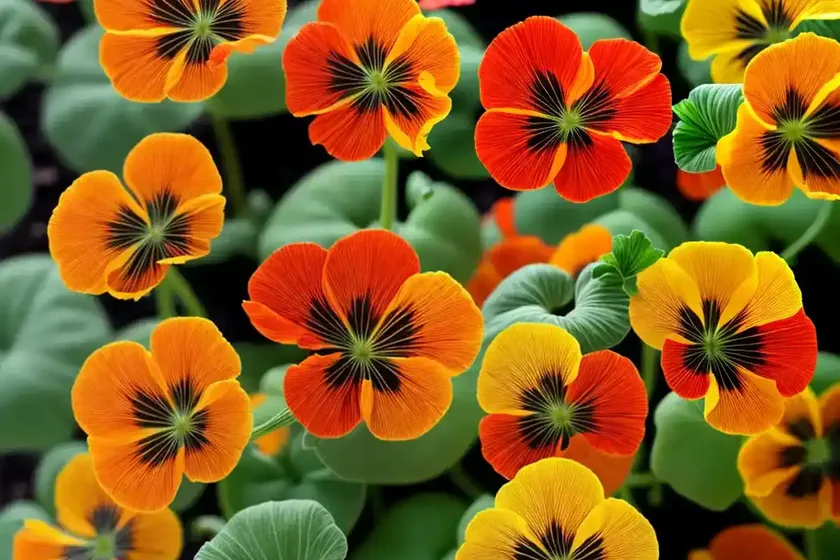
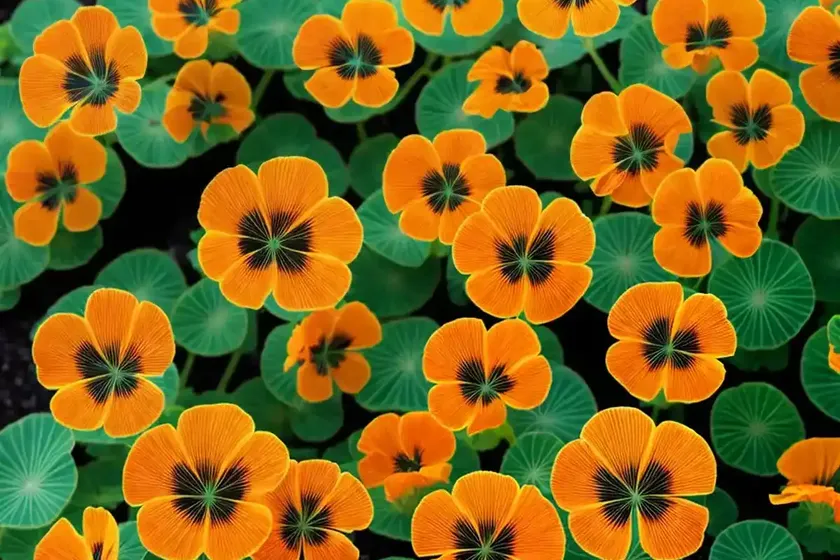
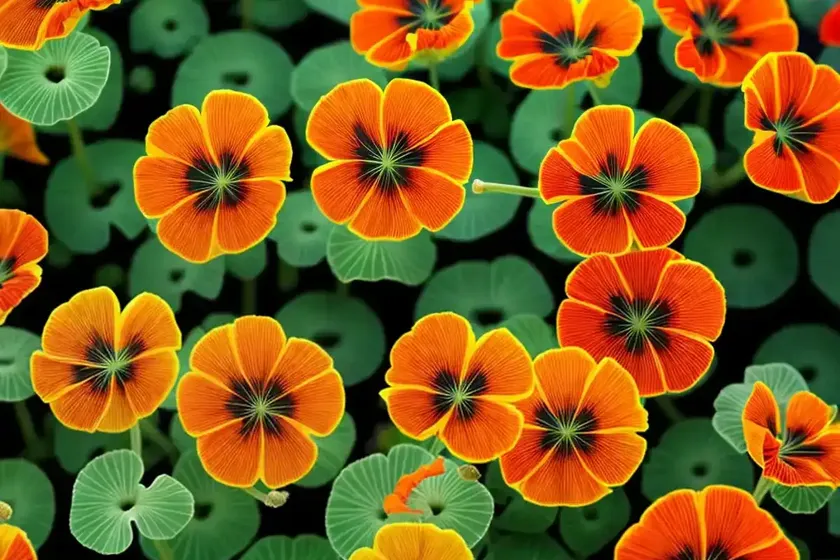
Tropaeolum minus ‘Tip Top Mahogany’, commonly known as Nasturtium, is a delightful and versatile plant that adds vibrancy and charm to any garden or outdoor space. This plant is cherished for its attractive foliage, stunning flowers, and culinary uses, making it a favorite among gardeners and plant enthusiasts. In this comprehensive guide, we will explore the various aspects of cultivating and caring for Tropaeolum minus ‘Tip Top Mahogany’, including its cultural requirements, uses, maintenance, and fascinating botanical features.
What is Tropaeolum minus ‘Tip Top Mahogany’ (Nasturtium)?
Tropaeolum minus ‘Tip Top Mahogany’ is a variety of Nasturtium, which is a genus of annual and perennial flowering plants in the family Tropaeolaceae. These plants are native to South and Central America, where they are found in a range of habitats, from coastal areas to mountainous regions. Nasturtiums are known for their distinctive round leaves and vibrant, trumpet-shaped flowers, which come in a variety of colors, including shades of red, orange, and yellow.
Key Takeaways – Tropaeolum minus ‘Tip Top Mahogany’
Tropaeolum minus ‘Tip Top Mahogany’ showcases a range of features and characteristics that make it a sought-after addition to gardens and landscapes. Here are some key takeaways about this enchanting plant:
- Cultural Diversity: Tropaeolum minus ‘Tip Top Mahogany’ is celebrated for its versatility, as it can thrive in various growing conditions, from containers to garden beds.
- Edible Plant: Both the flowers and leaves of Tropaeolum minus ‘Tip Top Mahogany’ are edible, adding a flavorful and decorative touch to culinary creations.
- Attractive Foliage and Flowers: The plant’s distinct foliage and vivid blooms make it an eye-catching choice for ornamental gardening.
Now, let’s delve into the details of how to cultivate and care for Tropaeolum minus ‘Tip Top Mahogany’ to ensure its successful growth and development.
Culture
Uses
Tropaeolum minus ‘Tip Top Mahogany’ is a highly versatile plant, offering a range of practical and aesthetic uses in horticulture. Here are some common uses of this captivating Nasturtium variety:
- Ornamental Plant: The vibrant, long-lasting flowers of Tropaeolum minus ‘Tip Top Mahogany’ make it a popular choice for ornamental gardening, adding splashes of color to flowerbeds, borders, and containers.
- Edible Landscaping: With its edible flowers and leaves, Tropaeolum minus ‘Tip Top Mahogany’ is often incorporated into edible landscapes and kitchen gardens, where it serves as both an aesthetic and culinary element.
- Companion Plant: This Nasturtium variety is recognized for its role as a companion plant, with its pungent scent acting as a natural deterrent for certain pests, such as aphids and whiteflies, in proximity to other cultivated crops.
Water
Tropaeolum minus ‘Tip Top Mahogany’ thrives in moderate water conditions and prefers well-drained soil. While it is relatively drought-tolerant once established, consistent watering is essential, particularly during periods of extended dryness or high temperatures. Water the plant thoroughly when the soil feels dry to the touch, and aim to keep the soil consistently moist but not waterlogged.
Sunlight
When it comes to sunlight requirements, Tropaeolum minus ‘Tip Top Mahogany’ is best suited to full sun to partial shade. In regions with intense heat, providing some relief from direct midday sun can help protect the plant from sunscald and excessive stress. In cooler climates, ample sunlight encourages robust growth and prolific flowering.
Fertilizer
Tropaeolum minus ‘Tip Top Mahogany’ benefits from a balanced, all-purpose fertilizer applied during the growing season to support healthy foliage and abundant blooms. Use a water-soluble fertilizer or a granular formulation, and follow the manufacturer’s instructions for application rates and frequency. Avoid excessive nitrogen fertilization, as this can promote lush foliage at the expense of flower production.
Soil
This Nasturtium variety thrives in well-drained, moderately fertile soil with a slightly acidic to neutral pH. Loamy or sandy soil types with good aeration and drainage are ideal for Tropaeolum minus ‘Tip Top Mahogany’. Before planting, amend heavy or compacted soil with organic matter, such as compost or peat moss, to improve its texture and nutrient content.
Pruning
Pruning Tropaeolum minus ‘Tip Top Mahogany’ primarily involves deadheading spent flowers to promote continuous blooming and prevent the plant from setting seed too early. Regular deadheading encourages the production of new buds and extends the flowering period, ensuring a longer display of colorful blooms throughout the growing season.
Propagation
Tropaeolum minus ‘Tip Top Mahogany’ can be easily propagated from seeds, which should be sown directly into the garden or containers after the last frost date. Additionally, mature plants may produce self-seeding volunteers in the surrounding area, allowing for natural propagation and the emergence of new Nasturtium specimens in subsequent growing seasons.
Container Popularity
The compact growth habit and colorful display of Tropaeolum minus ‘Tip Top Mahogany’ make it a popular choice for container gardening. Whether grown in hanging baskets, window boxes, or decorative pots, this Nasturtium variety adds a touch of elegance and whimsy to outdoor spaces, making it a cherished selection for creative container plantings.
Common Diseases
While Tropaeolum minus ‘Tip Top Mahogany’ is generally resistant to most common plant diseases, it may occasionally encounter issues such as fungal leaf spots, powdery mildew, and root rot in overly moist soil conditions. These problems can often be mitigated through proper cultural practices, such as adequate spacing, good air circulation, and well-drained soil.
Disease Diagnosis
Diagnosing and addressing potential diseases in Tropaeolum minus ‘Tip Top Mahogany’ involves careful observation of the plant’s foliage, stem, and overall growth. Look for symptoms such as discolored or distorted leaves, powdery white or gray fungal growth, and wilting or stunted growth. By promptly identifying and treating any disease issues, the plant’s overall health and vigor can be safeguarded.
Common Pests
Tropaeolum minus ‘Tip Top Mahogany’ may attract certain pests, including aphids, caterpillars, and flea beetles, particularly in situations where the plant is under stress or growing in close proximity to susceptible crops. Regular monitoring and proactive pest management strategies, such as hand-picking, natural predators, or targeted organic treatments, can help protect the plant from infestations.
Botanist’s Tips
For a thriving and visually stunning display of Tropaeolum minus ‘Tip Top Mahogany’ in the garden, consider the following botanist’s tips:
- Plant in Well-Drained Soil: Ensure that the soil is sufficiently aerated and well-drained to prevent waterlogging and root suffocation.
- Provide Adequate Sunlight: Position the plant in a location that receives ample sunlight, especially in cooler climates, to promote robust growth and prolific flowering.
- Regular Maintenance: Engage in regular deadheading and light pruning to encourage continual blooming and maintain a tidy growth habit.
Fun Facts
Here are some fun and intriguing facts about Tropaeolum minus ‘Tip Top Mahogany’:
- Edible Delights: The flowers and leaves of Tropaeolum minus ‘Tip Top Mahogany’ are not only visually appealing but also edible, offering a zesty and peppery flavor that complements various culinary dishes.
- Historical Significance: Nasturtiums have a rich history and have been cultivated for centuries, with various cultures cherishing the plant for its ornamental, medicinal, and culinary attributes.
Links to External Resources
For additional information on Tropaeolum minus ‘Tip Top Mahogany’ and Nasturtium cultivation, consider exploring the following external resources:
- Royal Horticultural Society – Growing Nasturtiums
- The Old Farmer’s Almanac – Nasturtiums: Planting, Growing, and Caring for Nasturtium Flowers
- University of Vermont Extension – Nasturtiums
In conclusion, Tropaeolum minus ‘Tip Top Mahogany’ (Nasturtium) stands as a delightful and adaptable garden plant that adds a touch of elegance, color, and flavor to outdoor spaces. Whether grown for its ornamental charm, culinary allure, or companion planting attributes, this Nasturtium variety has much to offer to gardening enthusiasts and nature lovers alike.
By adhering to its cultural requirements, providing attentive care, and appreciating its botanical beauty, Tropaeolum minus ‘Tip Top Mahogany’ can grace gardens, containers, and landscapes with its enchanting presence and captivating allure. Whether you are a seasoned gardener or a beginner plant enthusiast, the appeal and practicality of cultivating this charming Nasturtium variety are sure to enrich your gardening experience and bring joy to your outdoor environment.


