Tropaeolum Minus ‘Tip Top Alaska Red’ (Nasturtium)
Tropaeolum minus, commonly known as Nasturtium, is a delightful and versatile plant that is popular among gardeners due to its attractive flowers and.
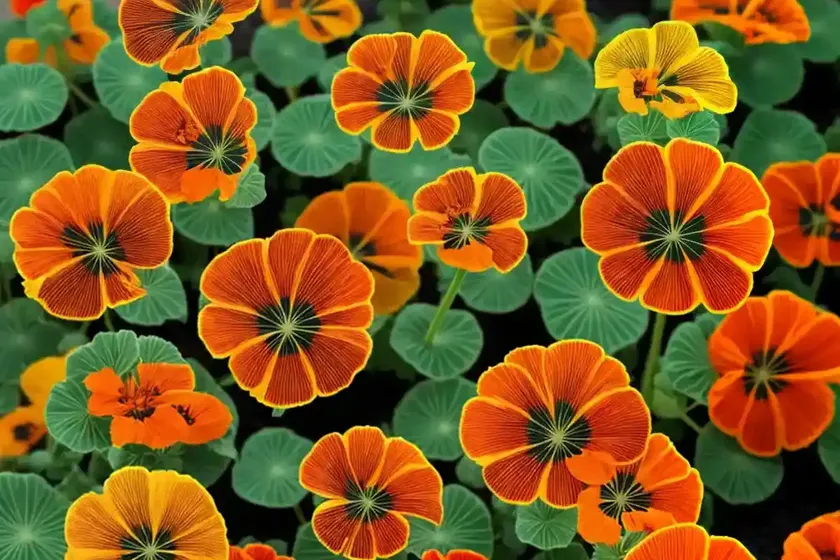
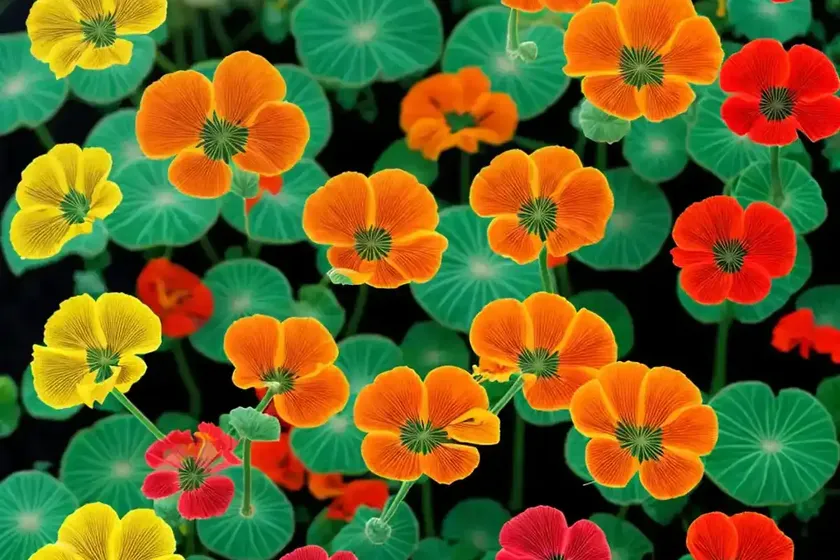
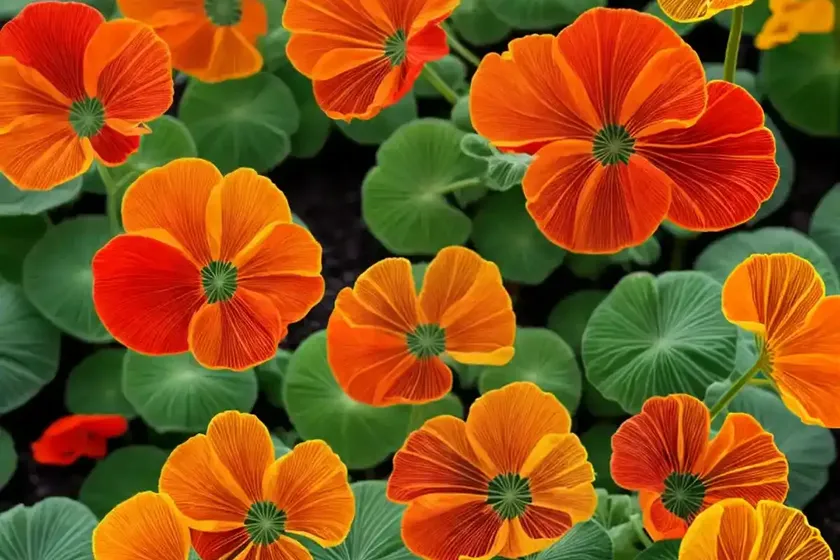
Tropaeolum minus, commonly known as Nasturtium, is a delightful and versatile plant that is popular among gardeners due to its attractive flowers and edible leaves. The ‘Tip Top Alaska Red’ variety of Tropaeolum minus is particularly striking with its vibrant red flowers and unique trailing growth habit. In this comprehensive guide, we will explore the various aspects of cultivating and caring for Tropaeolum minus ‘Tip Top Alaska Red’ and delve into its cultural significance, uses, and practical tips for successful cultivation.
What is Tropaeolum minus ‘Tip Top Alaska Red’ (Nasturtium)?
Tropaeolum minus ‘Tip Top Alaska Red’, commonly referred to as Nasturtium, is an ornamental annual plant that belongs to the genus Tropaeolum within the family Tropaeolaceae. It is native to South America, particularly the Andes region, and is cultivated in various parts of the world for its attractive flowers and culinary uses.
Nasturtium is known for its vibrant, trumpet-shaped flowers that come in a range of colors, including shades of red, orange, and yellow. The ‘Tip Top Alaska Red’ variety, in particular, is prized for its intense red blooms and trailing growth habit, making it an excellent choice for hanging baskets, containers, or as ground cover in garden beds.
Key Takeaways – Tropaeolum minus ‘Tip Top Alaska Red’ (Nasturtium)
Before delving into the specifics of cultivating Tropaeolum minus ‘Tip Top Alaska Red’, let’s outline the key takeaways associated with this beautiful plant.
Culture
- Botanical Name: Tropaeolum minus ‘Tip Top Alaska Red’
- Common Name: Nasturtium
- Plant Type: Annual
- Flower Color: Red
- Growth Habit: Trailing
Uses
- Ornamental Plant: The vibrant red flowers of Tropaeolum minus ‘Tip Top Alaska Red’ make it an attractive addition to gardens, hanging baskets, and containers.
- Culinary Uses: Nasturtium leaves and flowers are edible and add a peppery flavor to salads, soups, and other culinary creations.
Water
- Well-draining soil is essential to prevent waterlogging, which can lead to root rot.
- Water consistently, allowing the soil to dry slightly between waterings.
Sunlight
- Full Sun: Tropaeolum minus ‘Tip Top Alaska Red’ thrives in full sun but can tolerate partial shade.
Fertilizer
- Use a balanced, all-purpose fertilizer to promote healthy growth and prolific flowering.
- Avoid excessive nitrogen, which can result in lush foliage at the expense of flower production.
Soil
- Well-draining, moderately fertile soil is ideal for Tropaeolum minus.
- Avoid heavy, compacted soils, as they can hinder root development and lead to waterlogging.
Pruning
- Regular deadheading can promote continuous flowering and prevent self-seeding in the garden.
- Trimming back leggy growth can encourage a more compact and bushy habit.
Propagation
- Propagate Tropaeolum minus ‘Tip Top Alaska Red’ from seeds sown directly in the garden or in containers.
- Seeds can be collected from mature plants for subsequent sowing.
Container Popularity
- Tropaeolum minus ‘Tip Top Alaska Red’ is a popular choice for container gardens, where its trailing habit and vibrant flowers can add visual interest to patios, balconies, and other outdoor spaces.
Common Diseases
- Powdery Mildew: Fungal disease that appears as a white powdery coating on leaves and stems.
- Botrytis Blight: Gray mold that can affect flowers and foliage, especially in humid conditions.
Disease Diagnosis
- Regular monitoring for signs of fungal diseases and prompt treatment with appropriate fungicides can help prevent the spread of infections.
Common Pests
- Aphids: Small, soft-bodied insects that can cluster on tender new growth and flower buds.
- Caterpillars: Larval stages of various moth and butterfly species that can feed on foliage.
Botanist’s Tips
- Tropaeolum minus ‘Tip Top Alaska Red’ is an excellent companion plant for a wide range of vegetables and ornamental flowers, as it can attract beneficial insects and deter pests.
Fun Facts
- In addition to its ornamental and culinary uses, Nasturtium has been traditionally used in herbal medicine for its antimicrobial and expectorant properties.
The next sections will explore and expand upon these key takeaways, providing detailed insights into the cultivation and care of Tropaeolum minus ‘Tip Top Alaska Red’.
Nasturtium Plant Care
Cultivating and caring for Tropaeolum minus ‘Tip Top Alaska Red’ requires attention to various factors, including water, sunlight, fertilizer, soil, pruning, and propagation. Additionally, it is essential to be aware of common diseases and pests that can affect this plant and to implement suitable strategies for their management. Let’s explore each of these aspects in detail.
Water
Proper watering is crucial for the health and vigor of Tropaeolum minus ‘Tip Top Alaska Red’. While this plant is relatively tolerant of dry conditions, consistent watering is necessary, particularly during periods of intense heat or drought. Here are some key considerations for watering Nasturtium:
-
Consistent Moisture: Tropaeolum minus ‘Tip Top Alaska Red’ thrives in soil that is consistently moist but not waterlogged. Allow the soil to dry slightly between waterings to prevent excessive moisture, which can lead to root rot.
-
Watering Frequency: In typical garden or container settings, watering every 2-3 days may be necessary during dry spells. However, adjust the frequency based on environmental conditions and the moisture retention of the growing medium.
-
Avoid Overhead Watering: When irrigating Tropaeolum minus ‘Tip Top Alaska Red’, water at the base of the plant to prevent excessive moisture on the leaves, which can contribute to fungal diseases.
Sunlight
As a sun-loving plant, Tropaeolum minus ‘Tip Top Alaska Red’ thrives in full sun and can withstand hot, sunny conditions. Adequate sunlight is crucial for robust growth and profuse flowering. Consider the following factors related to sunlight exposure for Nasturtium:
-
Full Sun: Position Tropaeolum minus ‘Tip Top Alaska Red’ in an area that receives at least 6-8 hours of direct sunlight per day. While it can tolerate some light shade, flowering may be more prolific in full sun.
-
Protect from Intense Heat: During periods of extreme heat, providing some afternoon shade or light shading can help prevent stress and sunburn on the foliage.
-
Container Considerations: When cultivating Nasturtium in containers, ensure that the containers are placed in locations that receive ample sunlight, such as on south-facing balconies or patios.
Fertilizer
Providing appropriate nutrients is essential for promoting healthy growth and flowering in Tropaeolum minus ‘Tip Top Alaska Red’. While Nasturtium is relatively low-maintenance, regular fertilization can enhance its performance and overall appearance. Consider the following guidelines for fertilizing Nasturtium:
-
Balanced Fertilizer: Use a balanced, all-purpose fertilizer with equal NPK (nitrogen, phosphorus, and potassium) ratios, such as 10-10-10 or 20-20-20, to support overall plant health and flowering.
-
Application Frequency: Apply fertilizer every 4-6 weeks during the growing season, starting from early spring and continuing through the summer months. Avoid excessive fertilization, as it can lead to excessive foliage growth at the expense of flowers.
-
Container Considerations: When growing Tropaeolum minus ‘Tip Top Alaska Red’ in containers, use a controlled-release or liquid fertilizer and follow the manufacturer’s recommendations for application rates.
Soil
The choice of soil and its quality significantly impacts the growth, health, and vigor of Tropaeolum minus ‘Tip Top Alaska Red’. Well-draining, moderately fertile soil that provides a stable root environment is crucial for successful cultivation. Consider the following soil-related aspects for Nasturtium:
-
Well-Draining Medium: Tropaeolum minus ‘Tip Top Alaska Red’ thrives in well-draining soil that allows excess water to permeate quickly. Amend heavy soils with organic matter such as compost or perlite to improve drainage.
-
Soil pH: Nasturtium prefers slightly acidic to neutral soil with a pH range of 6.0 to 7.0. Test the soil pH and make adjustments using suitable amendments to create an optimal growing medium.
-
Container Considerations: When selecting potting mix for container cultivation, choose a high-quality, well-draining potting soil specifically formulated for flowering plants. Avoid compacted or water-retentive mixes, as they can impede root growth.
Pruning
Regular pruning and deadheading can contribute to the overall appearance and flowering performance of Tropaeolum minus ‘Tip Top Alaska Red’. By removing spent blooms and trimming back leggy growth, the plant can maintain a tidy and compact habit. Consider the following pruning practices for Nasturtium:
-
Deadheading: Regularly remove faded flowers from Tropaeolum minus ‘Tip Top Alaska Red’ to promote continuous blooming and prevent the development of seed pods. Deadheading redirects the plant’s energy into producing new blooms.
-
Leggy Growth: If the plant exhibits excessive or straggly growth, trim back the stems to encourage bushier, more compact growth. Use clean, sharp pruners to make precise cuts.
-
Disease Control: Pruning can help manage fungal diseases by improving air circulation and reducing moisture around the foliage.
Propagation
Propagating Tropaeolum minus ‘Tip Top Alaska Red’ can be accomplished through seed sowing, which is a relatively straightforward process. By collecting and sowing seeds, gardeners can perpetuate the plant and create new specimens for subsequent seasons. Consider the following guidelines for propagating Nasturtium:
-
Seed Collection: Allow some flowers to mature and form seed pods. Harvest the seeds once the pods have dried and turned brown. The seeds are typically large and easy to handle.
-
Direct Sowing: Scatter the collected seeds directly in the garden bed or desired containers. Lightly press them into the soil and water gently to initiate germination.
-
Container Sowing: When starting seeds in containers, use individual pots or seedling trays filled with a well-draining seed-starting mix. Plant the seeds at a shallow depth and maintain consistent moisture.
-
Seed Viability: Tropaeolum minus ‘Tip Top Alaska Red’ seeds are generally viable for several years if stored in a cool, dry location. Label and store the seeds in airtight containers for future use.
Container Popularity
The trailing growth habit and vibrant flowers of Tropaeolum minus ‘Tip Top Alaska Red’ make it a popular choice for container gardens, where it can add a splash of color and visual appeal. This plant is well-suited for various types of containers, including hanging baskets, window boxes, and patio pots. Consider the following factors related to container cultivation of Nasturtium:
-
Container Selection: Choose containers that provide adequate space for the plant to spread and trail. Hanging baskets with ample depth and width can showcase the cascading habit of Tropaeolum minus ‘Tip Top Alaska Red’.
-
Potting Mix: Use a high-quality potting mix with excellent drainage properties to ensure optimal root health. Consider adding a layer of gravel or broken pottery at the base of the container to enhance drainage.
-
Watering Needs: Containers may require more frequent watering compared to garden beds, especially during hot weather. Monitor the moisture levels and water as needed to prevent the soil from drying out completely.
-
Visual Impact: Incorporate Tropaeolum minus ‘Tip Top Alaska Red’ in mixed container plantings to create stunning combinations with other flowering or foliage plants. Consider complementary colors and textures for an aesthetically pleasing display.
Common Diseases
Tropaeolum minus ‘Tip Top Alaska Red’ is generally resistant to many pests and diseases, but certain issues may arise, particularly in conditions of high humidity or poor air circulation. Understanding and managing these diseases is essential for maintaining the plant’s health. Consider the following common diseases that can affect Nasturtium:
- Powdery Mildew:
- Fungal disease characterized by a white, powdery coating on the leaves, stems, and flowers.
- Thrives in humid conditions and can spread rapidly if not addressed promptly.
-
Prevention: Ensure good air circulation, avoid overhead watering, and apply fungicidal treatments at the first signs of infection.
-
Botrytis Blight:
- Gray mold that can affect flowers and foliage, especially under prolonged periods of wetness and high humidity.
- Causes flowers and foliage to become discolored, wilt, and rot if left untreated.
- Prevention: Remove affected plant parts, improve air circulation, and apply fungicides as a preventive measure during periods of high humidity.
Disease Diagnosis
Regular monitoring and prompt diagnosis of potential diseases are crucial for effectively managing the health of Tropaeolum minus ‘Tip Top Alaska Red’. Visual inspection of the plant, especially during periods of high humidity, can help in identifying symptoms of fungal infections. Consider the following best practices for diagnosing and addressing diseases:
-
Visual Assessment: Inspect the foliage, stems, and flowers for any signs of discoloration, wilting, or unusual growths. Note any powder-like coatings or fuzzy mold on the plant parts.
-
Fungal Identification: If symptoms are observed, use available resources, such as gardening guides or online references, to identify the specific fungal disease affecting the Nasturtium. This can guide the selection of appropriate control measures.
-
Prompt Treatment: Upon identifying a potential fungal infection, take immediate action to address the issue. Implement cultural practices, such as improving air circulation, reducing humidity, and applying fungicides as needed.
Common Pests
While Tropaeolum minus ‘Tip Top Alaska Red’ is relatively resistant to pests, certain insects may occasionally pose a threat to its health and vitality. Vigilance and early intervention are key to managing pest infestations. Here are some common pests that may affect Nasturtium:
- Aphids:
- Small, soft-bodied insects that can congregate on the tender new growth, flower buds, and the undersides of leaves.
- Aphids can cause distorted growth and may transmit viral diseases to the plant.
-
Control: Rinse the foliage with a strong stream of water or apply insecticidal soap to deter and eliminate aphid infestations.
-
Caterpillars:
- Larval stages of various moth and butterfly species that may feed on the foliage, resulting in ragged or skeletonized leaves.
- Monitor the leaves for the presence of caterpillars and their feeding damage.
- Control: Handpick caterpillars when feasible or use Bacillus thuringiensis (Bt) as a biological control if infestations are significant.
Botanist’s Tips
Incorporating Tropaeolum minus ‘Tip Top Alaska Red’ into the garden can provide several benefits beyond its ornamental appeal. Cultivating this plant strategically can enhance the overall health and resilience of the garden ecosystem. Consider the following botanist’s tips for maximizing the benefits of Nasturtium:
-
Companion Planting: Tropaeolum minus ‘Tip Top Alaska Red’ serves as an excellent companion plant, as it can attract beneficial insects such as pollinators and predatory species that keep pest populations in check. Consider interplanting it with vegetables, herbs, or other flowering plants to create a diverse and harmonious garden environment.
-
Pest Deterrence: The peppery aroma and flavor of Nasturtium foliage can act as a natural deterrent against certain pests, including aphids and whiteflies. Consider placing Tropaeolum minus near vulnerable plants to offer protection against pest infestations.
-
Medicinal Properties: In addition to its culinary uses, Nasturtium has traditional medicinal value, particularly for its antimicrobial and expectorant properties. Consider its potential health benefits when incorporating it into garden designs or herbal landscapes.
Fun Facts
Tropaeolum minus ‘Tip Top Alaska Red’ is not only a visually stunning and versatile plant, but it also holds interesting cultural and historical significance. Here are a few fun facts about Nasturtium:
-
Historical Use: Nasturtium has been cultivated for centuries and was historically used for its edible leaves and flowers, as well as for its medicinal properties.
-
Culinary Delight: The peppery, slightly spicy flavor of Nasturtium leaves and flowers adds a unique dimension to salads, sandwiches, and other culinary creations. Both the leaves and flowers are rich in vitamins and minerals, offering nutritional value in addition to their flavor.
-
Symbolism: In the language of flowers, Nasturtium is often associated with meanings such as victory, conquest, and resilience, reflecting its bold and vibrant appearance.
The captivating beauty and multifaceted utility of Tropaeolum minus ‘Tip Top Alaska Red’ make it an exceptional addition to gardens, containers, and culinary landscapes. Its cultural significance, versatility, and practical benefits underscore its enduring popularity among gardeners and plant enthusiasts.
Links to External Resources
To further explore the cultivation and care of Tropaeolum minus ‘Tip Top Alaska Red’ (Nasturtium), as well as its cultural significance and culinary uses, consider exploring the following reputable external resources:
-
Royal Horticultural Society (RHS) – Growing Nasturtiums
-
University of Minnesota Extension – Annual Flowers: Nasturtium
-
Missouri Botanical Garden – Tropaeolum Minus ‘Tip Top Alaska Red’
-
Cornell University Department of Horticulture – Growing Guide for Edible Flowers
-
American Society for the Prevention of Cruelty to Animals (ASPCA) – Toxic and Non-Toxic Plants: Nasturtium
These resources offer valuable insights, practical tips, and authoritative information on Tropaeolum minus, encompassing its ornamental value, cultivation techniques, and culinary applications. They serve as excellent references for both novice and experienced gardeners seeking to enhance their understanding of Nasturtium and its diverse array of uses.
In conclusion, Tropaeolum minus ‘Tip Top Alaska Red’ (Nasturtium) embodies a harmonious blend of visual appeal, culinary versatility, and horticultural resilience. Its vivid red flowers, trailing growth habit, and peppery foliage contribute to its popularity in gardens, containers, and herbal landscapes. By adhering to the recommended cultural practices and gaining insights from reputable resources, gardeners can foster the growth and well-being of Tropaeolum minus ‘Tip Top Alaska Red’ and derive immense pleasure from its remarkable attributes.
The enduring allure and multifaceted nature of Nasturtium make it a


