Tropaeolum Minus ‘Phoenix’ (Nasturtium)
Tropaeolum minus ‘Phoenix’, commonly known as Nasturtium, is an ornamental and edible flowering plant that belongs to the Tropaeolaceae family. This.
What is Tropaeolum Minus ‘Phoenix’ (Nasturtium)?
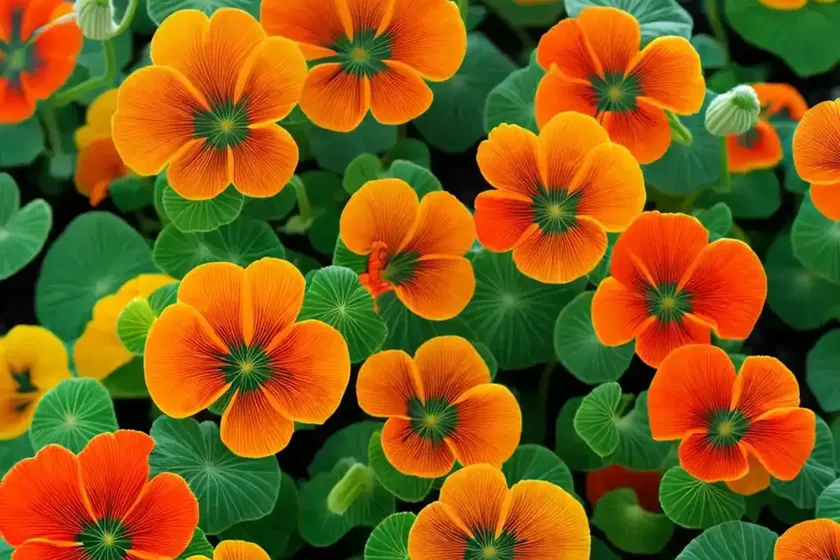
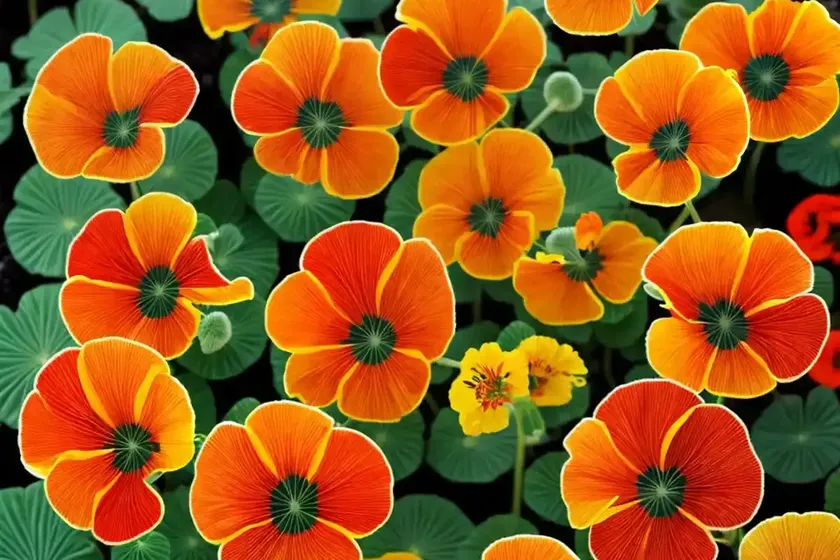
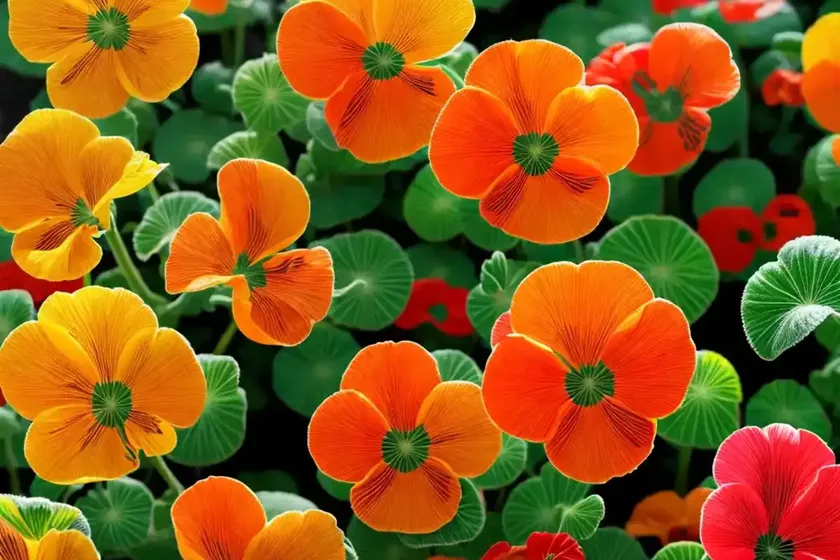
Tropaeolum minus ‘Phoenix’, commonly known as Nasturtium, is an ornamental and edible flowering plant that belongs to the Tropaeolaceae family. This cultivar is especially famous for its vibrant flowers and unique foliage. Nasturtium is native to South America, particularly the Andes, but it is now popular around the world as a beautiful addition to gardens, containers, and hanging baskets. The ‘Phoenix’ variety is characterized by its compact growth habit and striking, fire-like blossoms.
Key Takeaways – Tropaeolum Minus ‘Phoenix’ (Nasturtium)
- Plant Type: Annual flowering plant
- Mature Size: 12-16 inches in height and spread
- Sunlight: Full sun to partial shade
- Watering: Moderate
- Soil Type: Well-draining, fertile
- Flowering Season: Spring to first frost
- Special Features: Edible flowers, attractive to pollinators
In the following sections, we will delve into the specific care requirements, uses, and characteristics of Tropaeolum minus ‘Phoenix’ (Nasturtium) to help you successfully cultivate and appreciate this stunning plant.
Culture
Uses
Tropaeolum minus ‘Phoenix’ (Nasturtium) serves various purposes in gardening and culinary endeavors:
- Ornamental Plant: The vibrant flowers and unique foliage make Nasturtium an excellent choice for borders, containers, hanging baskets, and cottage gardens.
- Edible Plant: Both the colorful flowers and peppery leaves are edible, adding a delightful and spicy accent to salads, garnishes, and even stuffed with flavorful fillings.
- Attracting Pollinators: The blooms of Nasturtium attract pollinators such as bees and butterflies, contributing to the health of a garden ecosystem.
- Companion Planting: Nasturtium’s ability to repel certain pests makes it an ideal companion plant in vegetable gardens, particularly with cucumbers, tomatoes, and brassicas.
Planting and Growth Conditions
Water
Nasturtium plants generally require moderate watering. It is essential to keep the soil consistently moist but not waterlogged, especially during hot and dry periods. Once established, Nasturtium exhibits good drought tolerance and can thrive without constant watering.
Sunlight
For optimal growth and flowering, Nasturtium prefers full sun to partial shade. Adequate sunlight promotes abundant blooms and lush foliage. In regions with extremely hot summers, providing partial shade during the peak hours of intense sunlight can prevent leaf scorching.
Soil
The ideal soil for Nasturtium should be well-draining and fertile. It thrives in a slightly acidic to neutral soil pH (6.0-7.0). Amending the soil with organic matter such as compost or well-rotted manure can enhance its fertility and drainage, providing an excellent growing medium for the plant.
Fertilizer
Nasturtium is a relatively low-maintenance plant when it comes to fertilization. Excessive fertilization can promote excessive foliage growth at the expense of flowers. Therefore, using a balanced, all-purpose fertilizer sparingly, or incorporating slow-release fertilizer into the soil during planting, can provide sufficient nutrients for healthy Nasturtium growth without promoting excessive foliage.
Pruning
Nasturtium generally doesn’t require regular pruning. However, deadheading spent flowers can encourage continuous blooming and prevent self-seeding. Additionally, removing any damaged or diseased foliage can help maintain the plant’s overall health and appearance.
Propagation
Nasturtium can be easily propagated by seeds or cuttings. Here are the basic steps for each method:
Propagation by Seeds:
- Seed Collection: Allow the flowers to mature and produce seed pods. Once the seed pods have turned brown and dry, collect the seeds for propagation.
- Sowing Seeds: In early spring after the last frost, directly sow the seeds in well-prepared soil. Gently press the seeds into the soil surface, and keep the area consistently moist until germination occurs.
- Thinning Seedlings: Once the seedlings emerge, thin them to achieve proper spacing for healthy growth.
Propagation by Cuttings:
- Cutting Preparation: Select healthy, non-flowering stems for cuttings. Using a sharp, sterilized knife, take 4-6 inch cuttings from the parent plant.
- Rooting Hormone (Optional): Dip the cut end of the cutting in a rooting hormone to promote faster rooting.
- Planting Cuttings: Plant the cuttings in well-draining, moist soil. Keep the soil consistently moist and provide a warm, humid environment to encourage rooting.
Container Popularity
Nasturtium is incredibly popular for container gardening due to its compact growth habit, vibrant blooms, and the ability to cascade or trail over the edges. The ‘Phoenix’ variety, with its fiery blossoms and attractive foliage, is particularly sought after for adding a splash of color to containers, window boxes, and hanging baskets.
Common Diseases
Disease Diagnosis
Nasturtium is generally resistant to most diseases but can occasionally fall prey to certain fungal or bacterial infections. The following are some common diseases that may affect Nasturtium:
- Powdery Mildew: This fungal disease appears as a powdery white coating on the leaves, typically in humid conditions.
- Bacterial Leaf Spot: Characterized by dark, water-soaked spots on the leaves, this disease can cause premature leaf drop and overall decline.
- Downy Mildew: Identified by grayish-purple patches on the undersides of leaves, downy mildew can weaken the plant and stunt its growth.
Common Pests
Nasturtium is generally resistant to most pests but can attract aphids, caterpillars, and flea beetles in certain conditions. Regular monitoring and prompt intervention can help prevent infestations from becoming severe.
Botanist’s Tips
- Plant Nasturtium in well-draining, slightly sandy soil for best results.
- Deadhead spent flowers regularly to encourage continuous blooming.
- Avoid over-fertilizing to prevent excessive foliage growth at the expense of flowers.
- Consider interplanting Nasturtium with vegetables to repel pests and attract beneficial insects.
Fun Facts
- In addition to being a colorful and edible addition to salads, Nasturtium flowers can be used to infuse vinegars or decorate cakes.
- The name “Nasturtium” is derived from the Latin word “naso” (nose) and “tortum” (twisted), referring to the plant’s pungent odor when the leaves are crushed.
- Nasturtium has been traditionally used as an herbal remedy for its antibiotic and expectorant properties.
Links to External Resources
For further information and resources about Nasturtium, you may find the following links helpful:
- Tropaeolum Plant Profile – The Royal Horticultural Society
- Growing Nasturtium – University of Florida IFAS Extension
- Nasturtium Growing Guide – Missouri Botanical Garden
In conclusion, Tropaeolum minus ‘Phoenix’ (Nasturtium) is a versatile and captivating plant that brings both visual appeal and culinary delight to gardens and landscapes. Its vibrant colors, unique foliage, and low-maintenance nature make it a popular choice for gardeners of all levels of experience. By following the care guidelines provided, you can cultivate and enjoy the splendor of this stunning plant to its fullest potential.
Remember, Nasturtium is not just a visual treat but also a culinary and ecological asset, making it a valuable addition to any garden or landscape.
Happy gardening!


