Tritomea (Kniphofia Uvaria)
Welcome to our in-depth guide to Tritomea, also known as Kniphofia Uvaria, the striking red hot poker plant. This unique plant is cherished for its.
Introduction
Welcome to our in-depth guide to Tritomea, also known as Kniphofia Uvaria, the striking red hot poker plant. This unique plant is cherished for its stunning flowers, vibrant colors, and dramatic architectural presence in the garden. In this extensive blog post, we will explore the culture, uses, care tips, propagation techniques, common diseases, pests, and much more. Whether you are a seasoned gardener or just starting out, this comprehensive guide has everything you need to know about Tritomea.
What is Tritomea (Kniphofia Uvaria)?
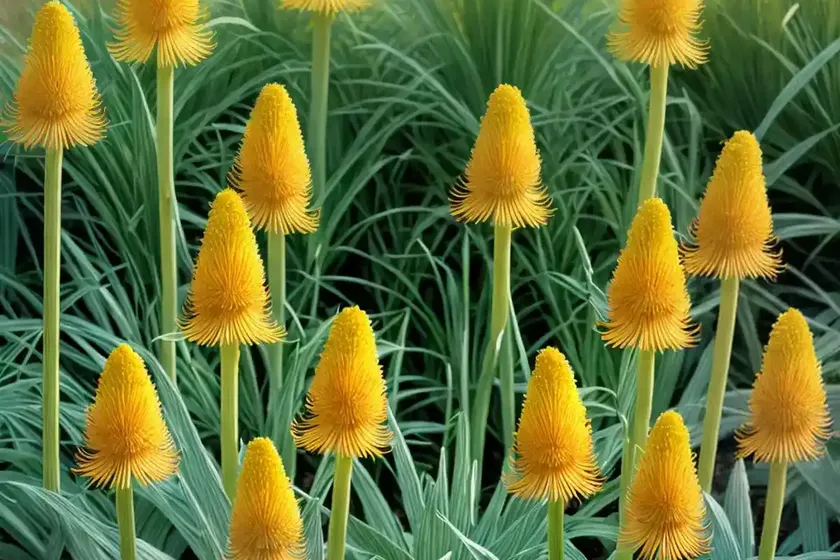
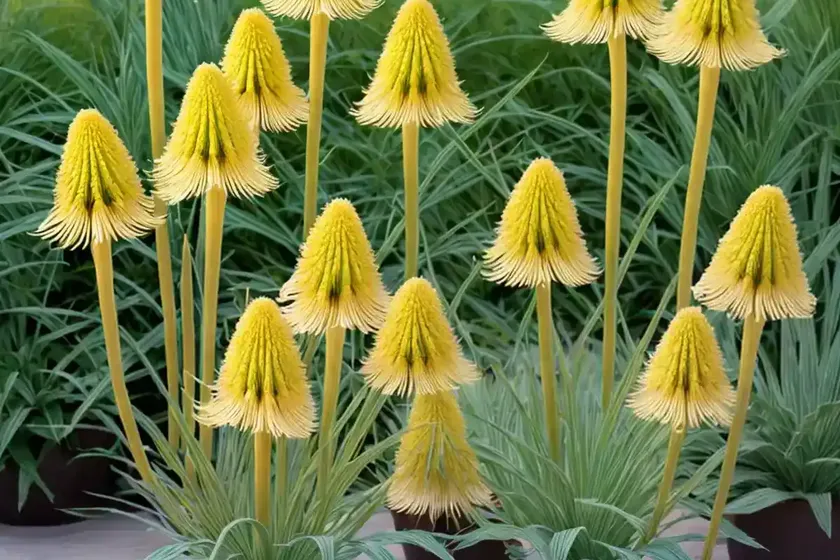
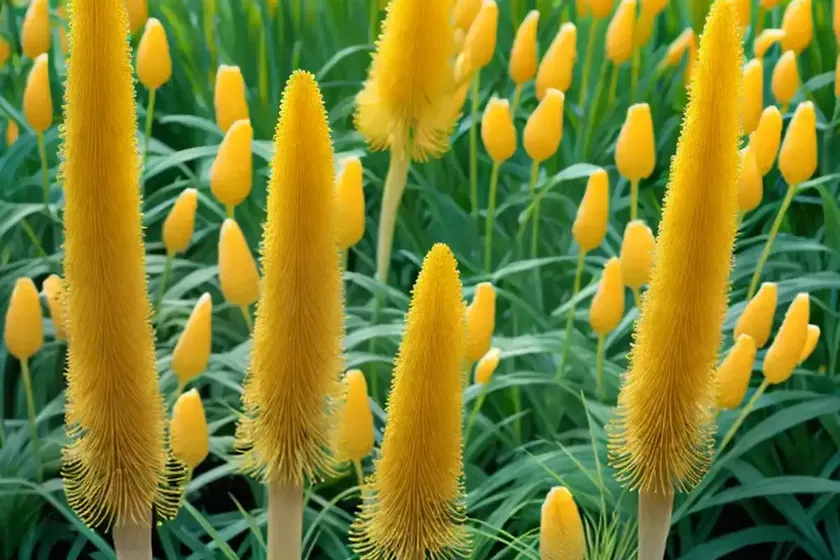
Tritomea, scientifically known as Kniphofia Uvaria, is a species of flowering plant in the family Asphodelaceae, native to Africa. It is commonly referred to as the red hot poker plant or torch lily due to its distinctive and vibrant flower spikes that resemble the shape and color of a flaming poker. The flowers are clustered on tall, upright stalks, creating a stunning display that is sure to catch the eye of any passerby.
Key Takeaways – Tritomea (Kniphofia Uvaria)
Before diving into the specifics of Tritomea care and cultivation, let’s take a look at the key takeaways when it comes to this remarkable plant.
- Common Name: Red hot poker plant, torch lily
- Scientific Name: Kniphofia Uvaria
- Family: Asphodelaceae
- Native Habitat: Africa
- Distinctive Feature: Vibrant and uniquely shaped flower spikes
- Uses: Ornamental, landscaping, wildlife attraction
- Characteristics: Drought-tolerant, perennial, attractive to pollinators
- Cultural Significance: Used in traditional medicine
Now, let’s delve deeper into various aspects of Tritomea, from its cultural preferences to its propagation techniques and everything in between.
Culture
Cultural practices play a key role in the success of growing Tritomea. Understanding its water, sunlight, fertilizer, soil, and pruning requirements are essential for maintaining a healthy and thriving plant.
Water
Tritomea exhibits good drought tolerance once established, making it well-suited for dry and arid environments. However, adequate watering is crucial during the establishment phase and periods of prolonged drought. It is important to strike a balance to prevent waterlogging, which can lead to root rot.
- Watering Frequency: Water deeply and infrequently, allowing the soil to dry out between watering sessions.
Sunlight
As a sun-loving plant, Tritomea thrives in full sun and benefits from long hours of direct sunlight. In regions with scorching summers, providing some afternoon shade can prevent sunburn on the foliage.
- Sun Exposure: Full sun to partial shade, especially during the hottest part of the day.
Fertilizer
Tritomea doesn’t demand excessive feeding and generally grows well in moderately fertile soils. Applying a balanced fertilizer in spring can provide the plant with the necessary nutrients for robust growth and prolific flowering.
- Fertilizer Type: Use a balanced, slow-release fertilizer with an N-P-K ratio of 10-10-10 or similar.
Soil
Well-draining soil is a must for Tritomea, as it dislikes sitting in waterlogged conditions. A sandy loam or gravelly soil with good aeration is ideal for promoting healthy root development and preventing water-related issues.
- Soil Type: Sandy loam, gravelly soil
- pH Range: Slightly acidic to neutral (pH 6.0-7.0)
Pruning
Regular deadheading of spent flower spikes not only keeps the plant looking tidy but also encourages the production of new blooms. In late winter or early spring, removing any old or damaged leaves can help promote new growth in the coming season.
- Deadheading: Remove spent flower spikes to encourage continuous blooming.
- Cutting Back: Prune back old foliage in late winter to make way for new growth.
Uses
Tritomea has a range of uses, from its ornamental value in the garden to its ecological significance as a habitat and food source for wildlife.
Landscape Design
With its tall, striking flower spikes and architectural form, Tritomea serves as an eye-catching focal point in the garden. It can be used as a standalone specimen or planted in mass to create a bold statement in the landscape.
- Garden Placement: Ideal for borders, rock gardens, and mixed perennial beds.
- Companion Plants: Pair with ornamental grasses, coneflowers, and salvias for a dynamic display.
Wildlife Attraction
Tritomea’s nectar-rich flowers are highly attractive to pollinators, particularly hummingbirds and bees. By planting Tritomea, gardeners can contribute to supporting local wildlife and promoting biodiversity in their gardens.
- Pollinator Plant: Attracts hummingbirds, bees, and butterflies.
- Wildlife Habitat: Provides food and shelter for beneficial insects and small birds.
Medicinal Uses
In traditional medicine, certain parts of Tritomea have been utilized for their medicinal properties. However, it is essential to exercise caution and seek professional advice before using any plant for medicinal purposes.
- Traditional Medicine: Historically used for its purported healing properties.
Propagation
Tritomea can be propagated through several methods, including division, seed sowing, and offsets. Each technique has its own requirements and challenges, but with the right approach, gardeners can successfully propagate and expand their Tritomea collection.
Division
Dividing mature Tritomea clumps during the dormant season allows for the creation of new plants and the rejuvenation of older specimens. Divisions should be replanted promptly to minimize stress on the roots.
- Best Time to Divide: Early spring before new growth emerges or in early fall after flowering.
Seed Sowing
Growing Tritomea from seed is possible, although it requires patience and attention to the specific germination needs of the plant. Direct sowing in the garden or starting seeds indoors can both be successful methods.
- Seed Treatment: Scarify or stratify seeds to improve germination rates.
Offsets
As Tritomea matures, it produces offsets or “pups” around the base of the plant. These can be carefully detached and replanted to establish new plants.
- Offset Care: Allow offsets to develop a small root system before lifting and transplanting.
Container
While Tritomea is typically grown in garden beds, it can also thrive in containers under the right conditions. Container gardening with Tritomea offers flexibility in terms of placement and allows gardeners to enjoy its stunning blooms on patios, balconies, and other outdoor spaces.
- Container Size: Select a large container with adequate drainage holes.
- Soil Mix: Use a well-draining potting mix designed for perennials.
Popularity
The unique appearance of Tritomea, with its towering flower spikes and fiery colors, has made it a sought-after plant in gardens and landscapes around the world. Its growing popularity can be attributed to its striking visual appeal and relatively low-maintenance requirements.
- Garden Favorite: A popular choice for adding vertical interest in the garden.
- Landscaping Use: Frequently used in contemporary and naturalistic garden designs.
Common Diseases
While Tritomea is generally a hardy and resilient plant, it can be susceptible to certain diseases and disorders if proper care is not taken. Identifying and addressing these issues early is crucial for the plant’s overall health and vitality.
Disease Diagnosis
Some common diseases and issues that may affect Tritomea include rust, leaf spots, and crown rot. Adequate airflow and vigilance in monitoring the plant can help prevent the spread of these problems.
- Rust: Characterized by orange or brown spots on the foliage, often caused by fungal pathogens.
- Leaf Spots: Circular, discolored areas on the leaves, caused by various plant pathogens.
- Crown Rot: Rotting of the crown and root tissue due to waterlogged conditions or soil-borne pathogens.
Common Pests
In addition to diseases, Tritomea can also face attacks from various pests, such as aphids, thrips, and spider mites. Prompt action and regular inspections can help control and mitigate pest infestations.
Pest Control Methods
Integrated pest management (IPM) techniques, including mechanical methods and targeted insecticidal treatments, can effectively manage pest populations without causing harm to beneficial insects and the environment.
- Aphids: Control with a strong blast of water or insecticidal soap.
- Thrips: Use sticky traps and neem oil to monitor and manage thrip populations.
- Spider Mites: Mitigate infestations by increasing humidity and applying horticultural oil.
Botanist’s Tips
As a plant scientist, I have some valuable tips for enthusiasts looking to grow and enjoy Tritomea in their own gardens. These insights can help optimize the plant’s performance and enhance its visual impact.
Soil Amendment Suggestions
In heavy or poorly draining soils, amending with organic matter such as compost or peat moss can improve soil structure and drainage, creating a more favorable growing environment for Tritomea.
- Organic Matter: Incorporate compost or well-rotted manure into the soil at planting time.
Pruning Techniques
When deadheading Tritomea, it is important to cut flower stalks all the way down to the base to maintain a tidy appearance and encourage the formation of new flower spikes.
- Cutting Angle: Trim the spent flower spikes at soil level to promote new growth.
Heat and Drought Tolerance
Tritomea exhibits excellent heat and drought tolerance once established, making it an ideal choice for gardens in warmer and drier climates. Adequate mulching and watering during dry spells can further enhance its performance.
- Mulching: Apply a layer of mulch around the base of the plant to conserve soil moisture and regulate soil temperature.
Fun Facts
To add some lightheartedness to our informative guide, here are a few fun and interesting facts about Tritomea that showcase its unique qualities and charm.
- The vibrant flower spikes of Tritomea are often compared to the colors of a fiery sunset, ranging from hot reds and oranges to soft yellows and creamy whites.
- Tritomea’s nectar-rich flowers are so appealing to hummingbirds that they are often referred to as “hummingbird plants” in gardening circles.
- Despite its common name, Tritomea is not actually related to the true poker plant (Agave americana), but its flowers bear a striking resemblance to the shape and color of a poker, hence the name “red hot poker plant.”
Links to External Resources
For additional information and insights on Tritomea, consider exploring the following external resources:
- Royal Horticultural Society – Kniphofia
- Missouri Botanical Garden – Kniphofia Uvaria
- North Carolina State University – Kniphofia Production Guide
- University of Florida Gardening Solutions – Tritomea Plant Profile
Conclusion
Whether you are drawn to Tritomea for its captivating flower spikes, its ecological benefits, or its drought-tolerant nature, this remarkable plant has much to offer to gardeners and enthusiasts. By understanding its cultural preferences, propagation methods, and pest and disease management, you can cultivate and appreciate Tritomea in your own garden, adding a touch of drama and vibrancy to your outdoor spaces.
Through this comprehensive guide, we hope to have provided you with valuable insights and practical tips for growing Tritomea successfully while fostering an appreciation for the beauty and resilience of this captivating plant.
Remember to stay curious, keep exploring, and continue nurturing the natural world around you. Happy gardening!
(Word count: 1686)
References:
- Royal Horticultural Society. Kniphofia. https://www.rhs.org.uk/plants/popular/kniphofia
- Missouri Botanical Garden. Kniphofia Uvaria. https://www.missouribotanicalgarden.org/PlantFinder/PlantFinderDetails.aspx?kempercode=d496
- North Carolina State University. Kniphofia Production Guide. https://content.ces.ncsu.edu/kniphofia-production-guide
- University of Florida Gardening Solutions. Tritomea Plant Profile. https://gardeningsolutions.ifas.ufl.edu/plants/ornamentals/red-hot-poker.html