Red-hot Poker (Kniphofia Brachystachya)
Welcome to the world of Kniphofia brachystachya, commonly known as the red-hot poker plant. This stunning perennial brings vibrant colors and unique.
Welcome to the world of Kniphofia brachystachya, commonly known as the red-hot poker plant. This stunning perennial brings vibrant colors and unique characteristics to any garden, making it a favorite among plant enthusiasts. In this comprehensive guide, we will explore everything you need to know about red-hot poker plants, from their cultural requirements to their propagation and common diseases. You will gain insights into the uses, benefits, and care tips for this remarkable plant species.
What is the Red-Hot Poker Plant?
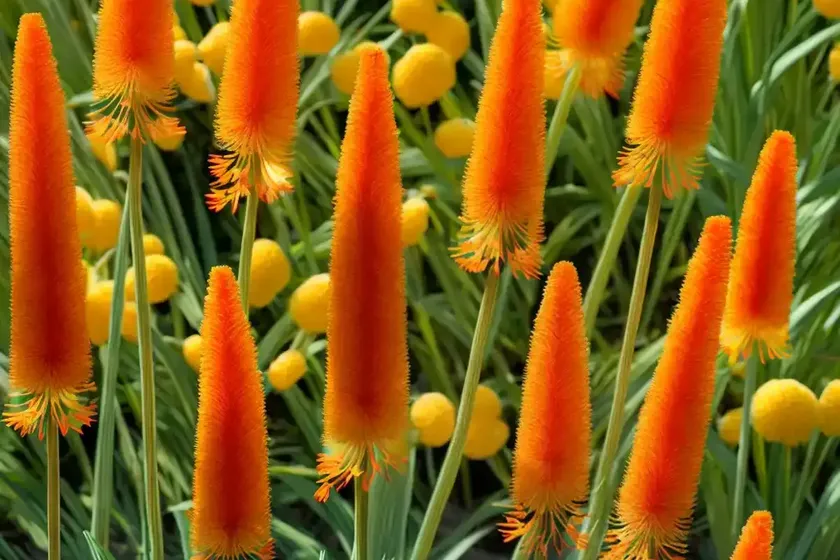
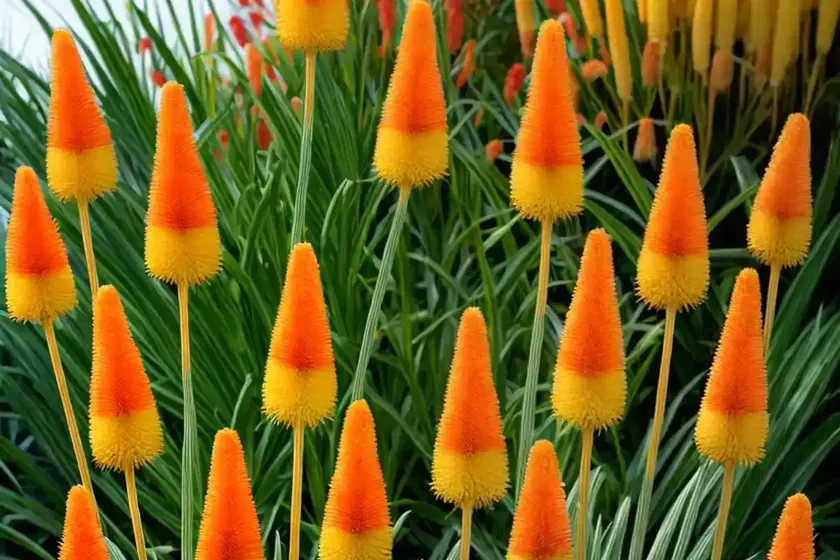
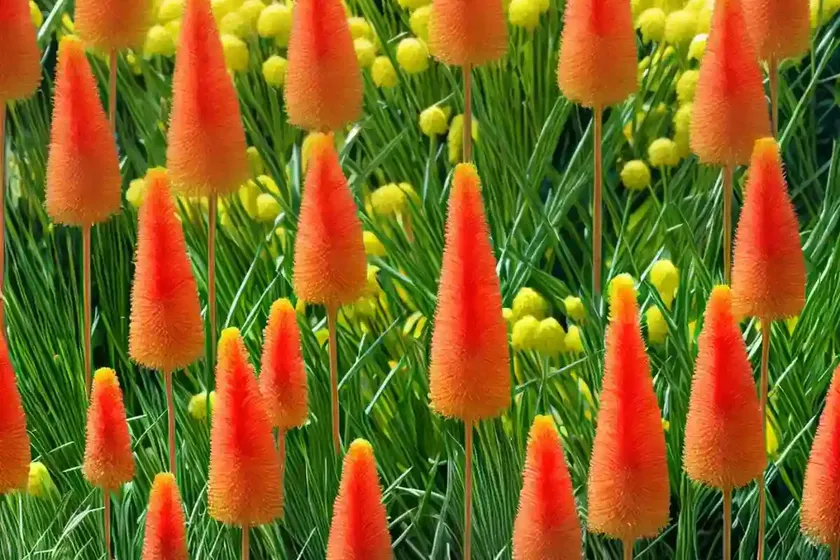
Kniphofia brachystachya, also known as red-hot poker, is a species of flowering perennial plant native to South Africa. It belongs to the family Asphodelaceae and is prized for its eye-catching inflorescence that resembles a fiery poker. The plant’s long, tubular flowers are arranged in dense, upright spikes, creating a striking visual impact in the landscape.
The red-hot poker plant is valued not only for its aesthetic appeal but also for its ability to attract pollinators such as bees and hummingbirds. With its upright growth habit and vibrant blooms, Kniphofia brachystachya adds a dramatic focal point to mixed border plantings, rock gardens, and perennial beds.
Key Takeaways – Red-Hot Poker (Kniphofia brachystachya)
Before we delve into the specifics of red-hot poker care and maintenance, let’s take a look at the key takeaways for this unique plant species:
- Common Name: Red-Hot Poker
- Scientific Name: Kniphofia brachystachya
- Plant Type: Perennial
- Native Habitat: South Africa
- Flower Characteristics: Tubular, upright spikes in vibrant colors
- Attracts: Bees, hummingbirds
- Ideal for: Mixed borders, rock gardens, perennial beds
These key points provide a snapshot of the red-hot poker plant’s defining features and benefits, setting the stage for a deeper exploration of its cultivation and care.
Cultivating the red-hot poker plant involves understanding its specific cultural requirements to ensure optimal growth and flowering. Let’s explore the key elements of its culture, including water, sunlight, fertilizer, soil, and pruning.
Uses
The vibrant and architecturally striking blooms of Kniphofia brachystachya lend themselves to a variety of landscape uses and design applications. Here are some common uses of the red-hot poker plant:
- Mixed Border Plantings: Incorporate red-hot poker plants into mixed perennial borders to add vertical interest and vibrant color.
- Rock Gardens: Their drought-tolerant nature makes red-hot poker plants well-suited for rock garden settings, where they can withstand well-drained, rocky soils and full sun exposure.
- Pollinator Gardens: Red-hot poker’s tubular flowers attract bees and hummingbirds, making them valuable additions to pollinator-friendly gardens.
- Cut Flowers: Harvest the striking blooms for use in floral arrangements, as they add a bold and exotic element to bouquets and displays.
Understanding the various uses of Kniphofia brachystachya can help you make informed decisions about incorporating it into your garden or landscape design projects.
Water
Proper water management is essential for the health and vigor of red-hot poker plants. While they are drought-tolerant once established, they benefit from regular watering during periods of extended dryness, especially in the summer months.
Watering Guidelines
- Established Plants: Water deeply when the soil begins to dry out, providing approximately 1 inch of water per week during the growing season.
- New Plantings: Keep the soil consistently moist during the establishment phase, gradually tapering off to allow the plant to adapt to natural rainfall patterns.
By adhering to these watering guidelines, you can support the growth and blooming of Kniphofia brachystachya while ensuring its long-term vitality.
Sunlight
Red-hot poker plants thrive in full sun to partial shade, showcasing the best floral display when provided with ample sunlight. When selecting a planting site, aim to offer the following sunlight conditions:
Sunlight Requirements
- Full Sun: Plant in locations that receive at least 6-8 hours of direct sunlight per day for optimal growth and flowering.
- Partial Shade: If growing in regions with intense afternoon sun or hot temperatures, provide some afternoon shade to protect the plant from stress and heat damage.
By situating Kniphofia brachystachya in the appropriate sunlight conditions, you can encourage robust growth and a profusion of colorful blooms.
Fertilizer
Applying fertilizer appropriately can bolster the growth and blooming potential of red-hot poker plants, ensuring they have access to essential nutrients for sustained vitality.
Fertilization Tips
- Timing: Apply a balanced, slow-release fertilizer in early spring, just as new growth emerges, to support the plant’s flowering and vegetative development.
- Frequency: Reapply fertilizer in midsummer, following the manufacturer’s recommendations for dosage and application frequency.
- Composition: Use a fertilizer with a balanced NPK ratio, such as 10-10-10 or 20-20-20, to provide the plant with a mix of nitrogen, phosphorus, and potassium.
By incorporating fertilization into your red-hot poker plant care routine, you can promote the plant’s overall health and vitality, leading to more robust and prolific flowering.
Soil
Understanding the soil preferences of red-hot poker plants is crucial for creating an optimal growing environment that supports their long-term health and performance.
Soil Type
- Well-Drained Soil: Plant Kniphofia brachystachya in well-drained soil to prevent waterlogging and root rot, as they are susceptible to moisture-related issues in poorly drained conditions.
- pH Range: Red-hot poker plants prefer slightly acidic to neutral soil with a pH range of 6.0 to 7.0, though they can tolerate mildly alkaline conditions.
Choosing the right soil type and pH level sets the stage for healthy root development and overall plant vigor, contributing to the success of your red-hot poker plantings.
Pruning
Proper pruning plays a significant role in maintaining the appearance and vitality of red-hot poker plants, ensuring they continue to produce vigorous blooms and maintain an attractive growth habit.
Pruning Guidelines
- Deadheading: Remove spent flower spikes promptly to encourage the production of new blooms, prevent self-seeding, and maintain a tidy appearance.
- Spring Cleanup: Trim back any damaged or frost-damaged foliage in early spring to promote fresh growth and rejuvenate the plant for the growing season.
By adhering to these pruning practices, you can enhance the overall appearance and blooming performance of Kniphofia brachystachya, keeping the plant looking its best throughout the year.
Propagating red-hot poker plants allows you to expand your collection and share these captivating perennials with fellow gardening enthusiasts. Let’s explore the various methods of propagating Kniphofia brachystachya, from division to seed germination.
Division
Division is one of the most common and reliable methods of propagating red-hot poker plants, offering a straightforward way to create new plantings from established specimens.
Division Steps
- Spring Division: Perform division in early spring before new growth begins, using a sharp garden spade to separate the plant’s root mass into smaller sections.
- Healthy Divisions: Ensure each division has a robust root system and several leafy shoots to support successful establishment.
- Replanting: Plant the divisions at the same depth as the parent plant, spacing them apart to accommodate their mature size and growth habit.
By employing division as a propagation method, you can generate new red-hot poker plantings while rejuvenating older clumps for enhanced vitality and performance.
Growing from Seeds
While division is the preferred method of propagation for red-hot poker plants, growing from seeds offers an alternative approach for expanding your plant collection or creating new varieties.
Seed Germination
- Seed Collection: Gather mature seeds from the plant’s seed capsules once they turn brown and begin to split open, indicating ripeness.
- Seed Sowing: Sow the seeds in well-draining potting mix, barely covering them with a thin layer of soil, and maintain consistent moisture to support germination.
- Seedling Care: Transplant the seedlings into individual containers once they develop several sets of true leaves, providing them with adequate light and protection from extreme weather conditions.
By experimenting with seed germination, you can explore the potential for creating new Kniphofia brachystachya varieties and expanding the genetic diversity within this captivating plant species.
The versatility of red-hot poker plants extends to their suitability for container gardening, offering gardeners the opportunity to showcase these stunning perennials in a confined space or on patios and balconies.
Container Selection
When growing red-hot poker plants in containers, select pots or planters that offer ample room for root development and provide the following characteristics:
- Depth: Choose containers with a depth of at least 12-18 inches to accommodate the plant’s mature root system and prevent root binding.
- Drainage: Ensure the containers have drainage holes to prevent waterlogging and promote healthy root aeration.
- Material: Opt for sturdy, weather-resistant containers made of materials such as ceramic, plastic, or fiberglass, ensuring they can withstand outdoor conditions.
By choosing suitable containers for red-hot poker plants, you can create stunning focal points and accent features within your garden or outdoor living spaces.
While red-hot poker plants are relatively low-maintenance, they may be susceptible to certain diseases and issues that can affect their overall health and appearance. Understanding these common diseases and their diagnosis is essential for implementing timely and effective treatment strategies.
Disease Diagnosis
Recognizing the symptoms of common red-hot poker plant diseases can aid in prompt intervention and management, preserving the plant’s vitality and floral display.
Common Diseases
- Leaf Spot: Characterized by the presence of dark spots or lesions on the foliage, often caused by fungal pathogens under conditions of high humidity and poor air circulation.
- Root Rot: Root rot can occur in poorly drained or waterlogged soil, leading to wilted foliage, stunted growth, and a general decline in plant health.
- Powdery Mildew: A whitish, powdery coating on the leaves and stems indicates powdery mildew, a fungal disease favored by high humidity and poor air circulation.
By monitoring for signs of these common diseases and promptly addressing any issues that arise, you can safeguard the health and appearance of your red-hot poker plants.
In addition to diseases, red-hot poker plants may attract certain pests that can compromise their growth and vigor. Identifying these common pests and implementing appropriate control measures is crucial for maintaining the plant’s overall health.
Pest Management
Understanding the habits and characteristics of common pests that affect red-hot poker plants allows you to develop targeted pest management strategies.
Common Pests
- Aphids: These small, soft-bodied insects congregate on the undersides of leaves, sucking plant juices and excreting honeydew, leading to distorted growth and sticky foliage.
- Red Spider Mites: Red spider mites thrive in hot, dry conditions, causing stippling and discoloration of the foliage as they feed on plant sap.
- Thrips: Thrips damage plant tissue by rasping and sucking out cell contents, leading to silvery flecking and distortion of flowers and foliage.
By proactively monitoring for and managing these common pests, you can minimize their impact on red-hot poker plants and preserve their beauty and vitality.
As a plant scientist, I have gathered valuable insights and practical tips for cultivating and caring for red-hot poker plants based on scientific knowledge and extensive experience. These botanist’s tips are designed to empower you with the expertise and guidance needed to make informed decisions about the care and maintenance of Kniphofia brachystachya.
Fun Facts
Red-hot poker plants are not only visually captivating but also have intriguing attributes and historical significance that add to their allure. Here are some fun and fascinating facts about these remarkable perennials:
- Pollinator Magnet: Red-hot poker plants are recognized for their ability to attract a wide array of pollinators, including bees, butterflies, and hummingbirds, contributing to the ecological diversity of the garden.
- Cultural Symbolism: In certain cultures, red-hot poker plants symbolize strength, endurance, and resilience, making them meaningful additions to heritage gardens and symbolic landscapes.
- Medicinal Properties: Some species of Kniphofia have traditional medicinal uses, with certain communities employing the plant for its purported healing properties in holistic medicine.
These intriguing fun facts shed light on the multifaceted nature of red-hot poker plants, elevating their significance and appeal in various contexts.
For additional insights and in-depth information about red-hot poker plants, the following external resources provide valuable guidance and expertise:
- Royal Horticultural Society – Kniphofia
- Missouri Botanical Garden – Kniphofia
- University of Florida IFAS Extension – Red-Hot Poker Plant
- American Society for the Prevention of Cruelty to Animals – Red Hot Poker
These reputable sources offer comprehensive information, cultivation tips, and insights into the unique characteristics and care requirements of Kniphofia brachystachya.
In conclusion, Kniphofia brachystachya, or red-hot poker, is a stunning and versatile perennial plant that captivates with its vibrant colors, architectural form, and ecological contributions. By understanding the plant’s cultural requirements, uses, propagation methods, and how to address common diseases and pests, you can cultivate thriving red-hot poker plantings and enjoy their beauty in a variety of garden settings.
With a wealth of botanist’s tips, fun facts, and access to external resources for further exploration, you are equipped with the knowledge and tools needed to embark on a rewarding journey of red-hot poker plant care and appreciation. Whether you’re a seasoned gardener or new to the world of horticulture, the allure of Kniphofia brachystachya is sure to enrich your landscape and inspire a deeper connection with the fascinating realm of plant life.