Splendid Paphiopedilum (Paphiopedilum Insigne)
Paphiopedilum is a genus of the orchid family (Orchidaceae) that consists of around 80 known species native to Southeast Asia and the Indian subcontinent..
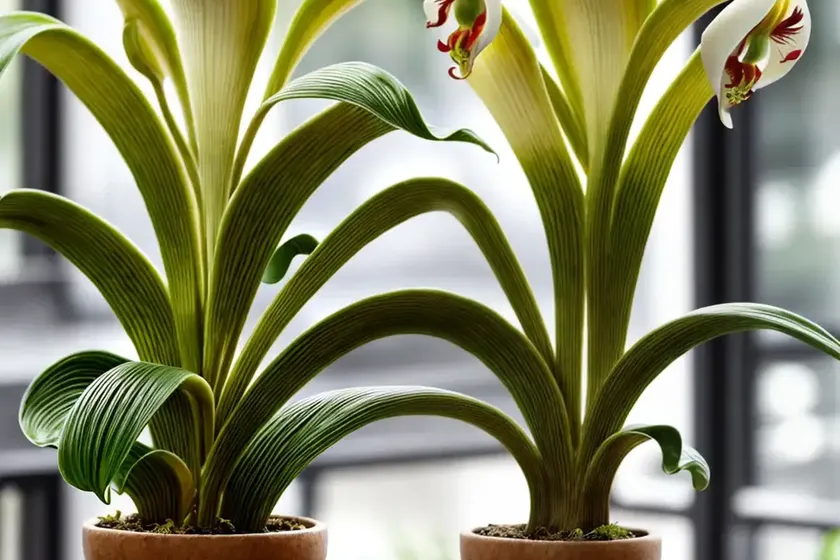
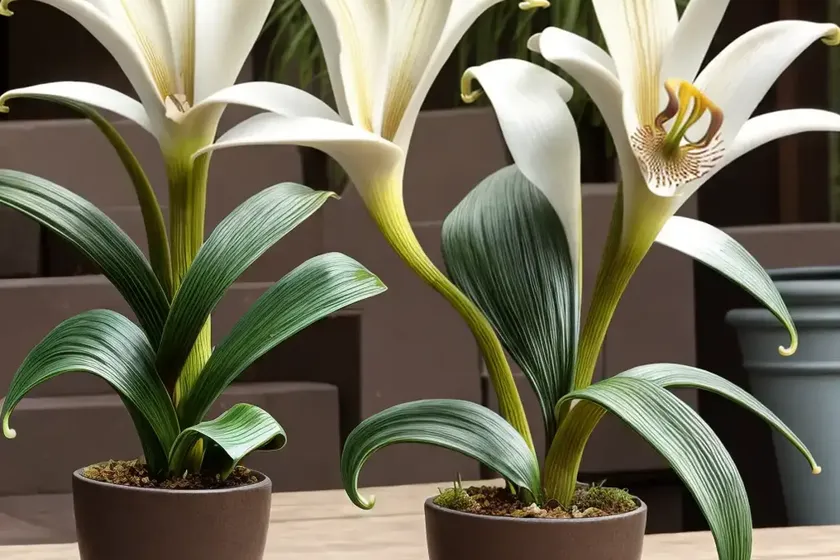
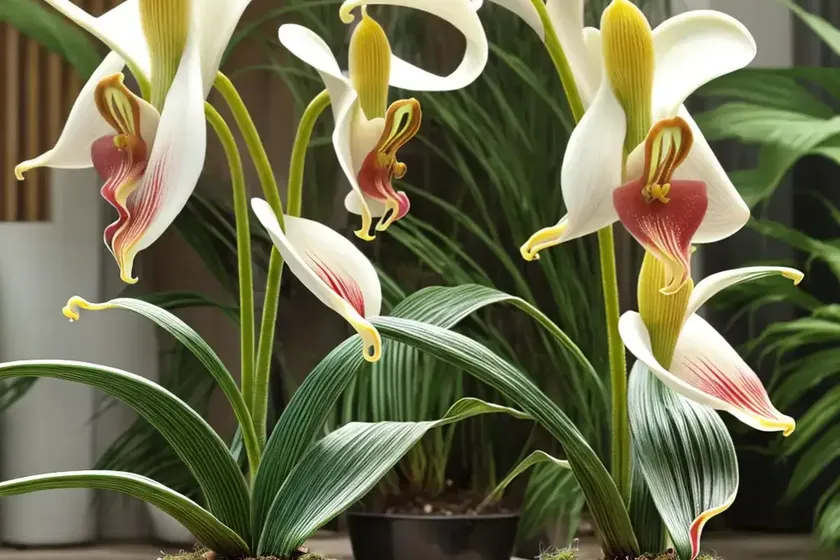
Understanding the Splendid Paphiopedilum and its Care Guide
Introduction
Paphiopedilum is a genus of the orchid family (Orchidaceae) that consists of around 80 known species native to Southeast Asia and the Indian subcontinent. They are commonly referred to as lady’s slipper orchids due to the unique pouch-like structure of the flowers. Among the splendid varieties of Paphiopedilum, the Paphiopedilum Insigne stands out for its remarkable characteristics and stunning blooms. In this blog post, we will delve into the world of Paphiopedilum Insigne, exploring its culture, uses, care requirements, common diseases, and other essential aspects that every plant enthusiast should know.
What is Plant
Paphiopedilum Insigne, commonly known as the Splendid Paphiopedilum, is an exquisite species of orchid renowned for its stunning and distinct flowers. The plant typically features glossy, green leaves and produces vibrant, multi-colored blooms, making it a sought-after choice for orchid enthusiasts and collectors.
Key Takeaways – Splendid Paphiopedilum ( Paphiopedilum Insigne)
Before delving into the specifics of caring for the Splendid Paphiopedilum, let’s highlight some key takeaways about this extraordinary orchid species:
Culture
- Paphiopedilum Insigne thrives in warm and humid environments, replicating the conditions of its natural habitat in the dense, tropical forests of Southeast Asia.
- These orchids are best suited for indoor cultivation, particularly in temperate regions, to provide the necessary warmth and humidity.
Uses
- Paphiopedilum Insigne is widely admired for its ornamental value, often used as a decorative indoor plant or as an elegant addition to orchid displays and collections.
Water
- Adequate watering is crucial for Paphiopedilum Insigne, as they require consistent moisture levels without becoming waterlogged.
- The plant’s watering needs vary depending on factors such as environmental conditions, potting medium, and the plant’s growth stage.
Sunlight
- Paphiopedilum Insigne prefers moderate to bright indirect light, making it well-suited for indoor settings with filtered sunlight.
- Protect the orchids from direct exposure to intense sunlight, as it can cause leaf burn and other adverse effects.
Fertilizer
- Proper fertilization is essential for promoting healthy growth and prolific flowering in Paphiopedilum Insigne.
- Use a balanced orchid fertilizer at diluted strengths to avoid over-fertilization, which can harm the plant’s delicate root system.
Soil
- Paphiopedilum Insigne thrives in well-draining, moisture-retentive potting mixtures formulated specifically for orchids.
- Avoid using standard potting soils, as they do not provide the ideal conditions for orchid growth and may lead to root rot and other complications.
Pruning
- Regular maintenance, including the occasional pruning of old or damaged foliage, is beneficial for maintaining the overall health and appearance of Paphiopedilum Insigne.
Propagation
- Propagating Paphiopedilum Insigne is primarily achieved through division, where the plant’s mature clumps are carefully separated to establish new individuals.
- Adequate care and attention are necessary when propagating these orchids to ensure successful establishment and growth.
Container Popularity
- Paphiopedilum Insigne is commonly grown in containers, including specialized orchid pots or baskets designed to provide ample aeration and drainage.
Container
- Selecting the right container for Paphiopedilum Insigne is crucial, as it directly impacts the plant’s growth and overall well-being.
- Choose containers with adequate drainage holes and suitable dimensions to accommodate the orchid’s root system and allow for proper airflow.
Common Diseases
- Paphiopedilum Insigne is susceptible to various diseases, including fungal infections, bacterial rots, and viral diseases, which can significantly impact the plant’s health and vitality.
Disease Diagnosis
- Prompt identification and diagnosis of diseases are essential for implementing effective treatment strategies and preventing the spread of infections within orchid collections.
Common Pests
- Orchid pests such as aphids, scale insects, spider mites, and thrips can pose significant challenges for Paphiopedilum Insigne, requiring vigilant pest management practices.
Botanist’s Tips
- Experienced botanists recommend maintaining a balanced approach to caring for Paphiopedilum Insigne, emphasizing the importance of understanding the plant’s specific requirements and adapting cultivation practices accordingly.
Fun Facts
- Paphiopedilum Insigne exhibits remarkable diversity in flower coloration, showcasing an array of captivating patterns and hues that contribute to its allure as an ornamental species.
Now that we have covered the key takeaways regarding Paphiopedilum Insigne, let’s explore each aspect in greater detail to gain a comprehensive understanding of effectively caring for this splendid orchid variety.
Paphiopedilum Plants
Paphiopedilum plants belong to the orchid family Orchidaceae and are renowned for their exotic and captivating blooms. With a diverse range of species and hybrids, Paphiopedilum orchids have become popular choices for both enthusiasts and collectors, offering a wide array of colors, patterns, and characteristics that contribute to their appeal.
Paphiopedilum Insigne
Paphiopedilum Insigne, specifically, stands out for its remarkable attributes, making it a coveted addition to orchid collections and garden displays. As we delve into the care guide for Paphiopedilum Insigne, it’s essential to consider its distinct requirements and preferences to ensure optimal growth and flourishing blooms.
Paphiopedilum Care
Caring for Paphiopedilum orchids, including the Insigne variety, necessitates a thorough understanding of their specific needs related to watering, sunlight, fertilization, potting mix, and overall maintenance. By incorporating targeted cultivation practices, enthusiasts can foster healthy growth and vibrant flowering in these captivating orchids.
Paphiopedilum Species
With approximately 80 recognized species within the Paphiopedilum genus, each species exhibits unique characteristics, flower structures, and growth habits, contributing to the diversity and allure of the Paphiopedilum orchids. Exploration of various Paphiopedilum species introduces enthusiasts to a rich tapestry of orchid diversity and botanical fascination.
Paphiopedilum Hybrids
Hybridization has played a significant role in expanding the range of Paphiopedilum varieties available to orchid enthusiasts, leading to the development of hybrids that combine desirable traits from different species. The proliferation of Paphiopedilum hybrids has contributed to the expansion of orchid collections and the continuous exploration of novel floral presentations.
Now, as we proceed to unravel the nuances of caring for Paphiopedilum Insigne, let’s delve into the specific aspects of orchid cultivation, encompassing water requirements, sunlight preferences, fertilization strategies, and more.
Water
Paphiopedilum Watering Requirements
Watering Paphiopedilum Insigne is a critical aspect of orchid care, directly influencing the plant’s overall health and flowering potential. Understanding the specific watering requirements for Paphiopedilum Insigne involves considering factors such as environmental conditions, potting medium, and the plant’s stage of growth.
NLP Keywords: “Paphiopedilum watering,” “Paphiopedilum water retention,” “Paphiopedilum root rot prevention,”
Watering Guidelines for Paphiopedilum Insigne
– Provide consistent moisture: Paphiopedilum Insigne thrives in environments with consistent moisture levels, necessitating regular watering to maintain optimal hydration without allowing the root system to remain waterlogged.
– Monitor potting medium moisture: Assess the moisture content of the orchid’s potting medium regularly, aiming to provide adequate hydration while avoiding excessive saturation.
– Consider seasonal variations: Adjust the frequency and volume of watering based on seasonal changes, recognizing the fluctuating environmental conditions that can impact the plant’s water requirements.
Avoid Overwatering:
Overwatering poses a significant risk to Paphiopedilum Insigne, leading to root rot, fungal infections, and other detrimental consequences. Implement a balanced watering routine to support the plant’s growth without causing water-related issues.
Watering Techniques
Implementing appropriate watering techniques is essential for ensuring optimal hydration and preventing water-related issues in Paphiopedilum Insigne. Consider the following techniques to enhance the effectiveness of watering practices for these captivating orchids:
- Targeted watering: Direct water to the orchid’s potting medium, allowing it to permeate the substrate and reach the root system effectively.
- Drainage considerations: Select containers with adequate drainage holes to facilitate excess water removal, preventing water accumulation and promoting aeration within the growing medium.
- Water quality: Utilize quality water sources, such as distilled water or rainwater, to minimize the accumulation of salts and impurities that can adversely affect the orchid’s root system.
By adhering to thoughtful watering practices and staying attuned to the plant’s moisture needs, enthusiasts can uphold the well-being of Paphiopedilum Insigne and support its growth and blooming cycles effectively.
Sunlight
Paphiopedilum Sunlight Requirements
Sunlight plays a pivotal role in the growth and flowering of Paphiopedilum Insigne, necessitating an understanding of the orchid’s specific requirements regarding light exposure. By providing suitable sunlight conditions, enthusiasts can promote robust growth and vibrant blooms in these captivating orchids.
NLP Keywords: “Paphiopedilum sunlight requirements,” “Paphiopedilum light levels,”
Sunlight Guidelines for Paphiopedilum Insigne
– Filtered sunlight: Paphiopedilum Insigne thrives in environments with moderate to bright indirect light, making it well-suited for indoor cultivation with ample natural or artificial light sources.
– Avoid direct sunlight exposure: Shield Paphiopedilum Insigne from direct exposure to intense sunlight, as it can lead to leaf burn, pigment bleaching, and other detrimental effects on the plant’s foliage and overall health.
– Optimize light duration: Provide the orchids with consistent exposure to suitable light conditions, ensuring that their daily light requirements are met to support photosynthesis and metabolic processes.
Sunlight Management
– Adjusting light intensity: Evaluate the orchid’s light exposure and make adjustments as needed to optimize light levels, particularly in indoor settings where natural light fluctuations occur.
– Supplementary lighting: Consider supplemental grow lights or artificial lighting to augment natural sunlight, especially in environments with limited access to adequate natural light.
By integrating thoughtful sunlight management practices, enthusiasts can create conducive growing environments for Paphiopedilum Insigne, enhancing their overall vitality and flourishing potential.
Fertilizer
Paphiopedilum Fertilization Techniques
Fertilization is a crucial aspect of caring for Paphiopedilum Insigne, enabling enthusiasts to provide essential nutrients that support healthy growth and prolific flowering in these captivating orchids. Understanding the appropriate fertilization techniques is paramount for optimizing the plant’s nutrient uptake and metabolic processes.
NLP Keywords: “Paphiopedilum fertilization,” “Paphiopedilum plant nutrition,”
Fertilization Guidelines for Paphiopedilum Insigne
– Balanced orchid fertilizers: Utilize specialized orchid fertilizers with balanced nutrient compositions, ensuring that essential elements such as nitrogen, phosphorus, and potassium are provided in appropriate proportions.
– Diluted fertilizer solutions: Prepare diluted fertilizer solutions to avoid over-fertilization, as concentrated fertilizers can potentially lead to root damage and nutrient imbalances within the potting medium.
– Fertilization frequency: Implement a regular fertilization schedule during the orchid’s active growth periods, adjusting the frequency based on the specific fertilizer formulation and the plant’s developmental stage.
Fertilizer Application Techniques
– Even distribution: Apply fertilizers evenly across the orchid’s potting medium, ensuring that the nutrients are accessible to the plant’s root system for efficient uptake.
– Avoid foliage contact: Prevent direct contact between fertilizers and the orchid’s foliage to minimize the risk of leaf burn and other adverse effects on the plant’s aerial parts.
By devising a strategic fertilization regimen and adhering to mindful application techniques, enthusiasts can enhance the nutritional support provided to Paphiopedilum Insigne, fostering robust growth and abundant flowering in these captivating orchids.
Soil
Paphiopedilum Potting Mix
The selection of an appropriate potting mix is instrumental in providing an optimal growing medium for Paphiopedilum Insigne, ensuring adequate aeration, moisture retention, and drainage capabilities that support the plant’s root system and overall vigor.
NLP Keywords: “Paphiopedilum potting mix,” “Paphiopedilum soil requirements,” “Paphiopedilum potting containers,”
Potting Mix Considerations
– Orchid-specific mixtures: Utilize potting mixtures formulated specifically for orchids, such as bark-based or sphagnum moss-based blends designed to meet the unique requirements of Paphiopedilum Insigne.
– Aeration and drainage: Evaluate the potting mix’s aeration and drainage properties to ensure that it allows sufficient airflow and prevents waterlogged conditions that can compromise the plant’s root health.
Potting Container Selection
– Drainage requirements: Choose containers with adequate drainage capabilities, including drainage holes and breathable construction, to prevent water accumulation and promote root oxygenation.
– Size considerations: Select potting containers that accommodate the orchid’s root system, allowing for ample room for growth while preventing overcrowding and potential root constriction.
By prioritizing the selection of suitable potting mixtures and containers, enthusiasts can establish conducive growing environments for Paphiopedilum Insigne, fostering robust root development and overall plant vitality.
Pruning
Maintenance Pruning for Paphiopedilum Insigne
Regular pruning and maintenance practices are beneficial for preserving the overall health and aesthetic appeal of Paphiopedilum Insigne, involving the removal of old or damaged foliage and spent flower spikes to promote new growth and rejuvenation.
Pruning Guidelines
– Leaf trimming: Carefully trim damaged or discolored leaves to maintain the orchid’s visual appeal and prevent the spread of potential diseases.
– Lingering flower spikes: Remove spent flower spikes promptly to redirect the plant’s energy towards new growth and subsequent flowering cycles.
By incorporating proactive pruning practices, enthusiasts can uphold the vigor and visual appeal of Paphiopedilum Insigne, ensuring that the plant remains in optimal condition throughout its growth and flowering stages.
Propagation
Paphiopedilum Propagation Methods
Propagating Paphiopedilum Insigne through division offers the opportunity to expand orchid collections and establish new plants with desirable traits, requiring careful consideration of propagation techniques and post-propagation care.
Propagation Techniques
– Division process: Undertake the division of mature Paphiopedilum Insigne clumps, ensuring that each divided portion contains viable roots and sufficient growth potential for successful establishment.
– Post-propagation care: Provide optimal growing conditions for newly propagated plants, including appropriate light, moisture, and environmental parameters that support their acclimatization and subsequent growth.
Conclusion
In conclusion, the Splendid Paphiopedilum (Paphiopedilum Insigne) stands as a remarkable orchid species that captivates enthusiasts with its stunning blooms and distinct characteristics. By understanding and integrating the essential care guidelines highlighted in this blog post, enthusiasts and collectors can nurture Paphiopedilum Insigne to realize its full ornamental potential and ensure its flourishing within indoor and garden settings.
Intriguing and diverse, Paphiopedilum Insigne exemplifies the allure of orchids, presenting captivating floral displays and rewarding enthusiasts with the fulfillment of caring for a truly splendid botanical gem. As we continue to appreciate and cultivate these exceptional orchids, the art and science of Paphiopedilum care continue to unfold, offering opportunities for exploration, discovery, and the celebration of nature’s enduring beauty.
References
- “Paphiopedilum Care and Culture.” American Orchid Society, www.aos.org
- “Paphiopedilum Insigne (Rolfe) Pfitzer.” Flora of China, www.efloras.org
- “Orchid Care Tips: 10 Easy Orchids for Beginners.” The Old Farmer’s Almanac, www.almanac.com
- “Paphiopedilum Growing and Care Guide.” RHS, www.rhs.org.uk
- “Paphiopedilum Insigne (Rolfe) Pfitzer.” Kew Science, Plants of the World Online, www.powo.science.kew.org
Disclaimer: The information presented in this blog post is for educational and informational purposes only. It is crucial to conduct additional research and seek advice from horticultural professionals for specific guidance on caring for Paphiopedilum Insigne and other orchid varieties.


