Trinidad Scorpion (Capsicum Chinense)
The world of plants is incredibly diverse, and within that diversity lies the fascinating world of Capsicum Chinense, particularly the infamous Trinidad.
The world of plants is incredibly diverse, and within that diversity lies the fascinating world of Capsicum Chinense, particularly the infamous Trinidad Scorpion. These fiery peppers not only add an intense kick to culinary creations but also possess a wealth of cultural, agricultural, and medicinal significance. In this comprehensive guide, we will delve into the captivating realm of the Trinidad Scorpion, exploring its cultural uses, ideal growing conditions, common diseases, and propagation techniques, among other vital aspects.
What is the Trinidad Scorpion (Capsicum Chinense)?
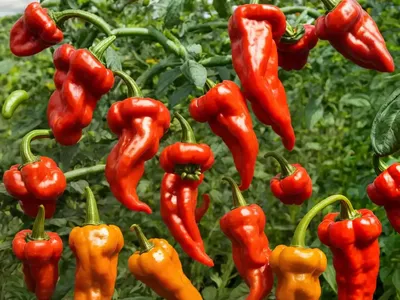
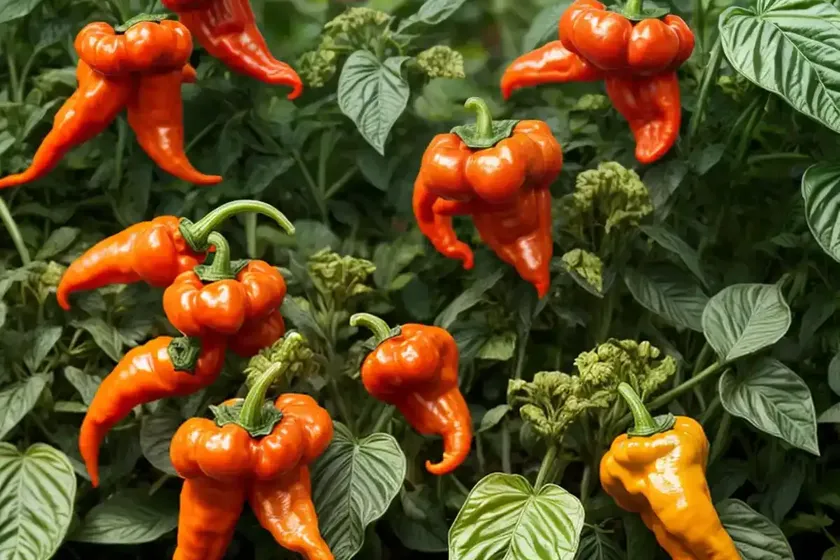
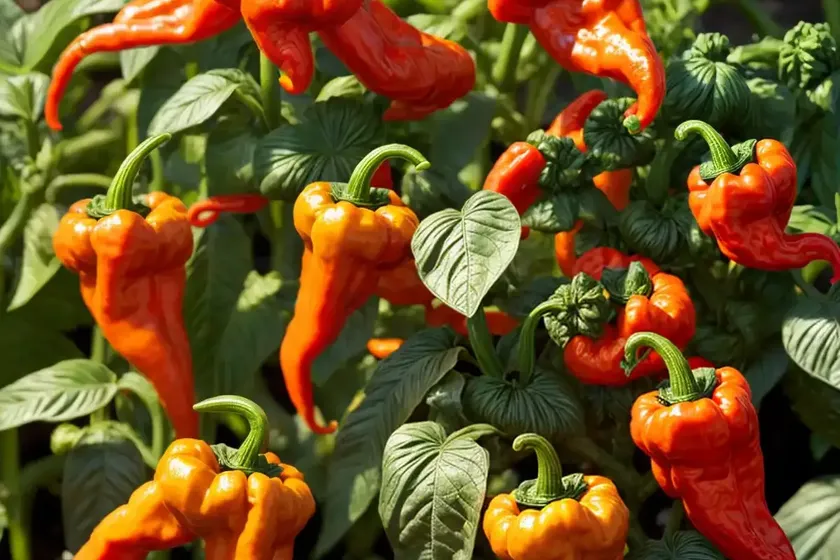
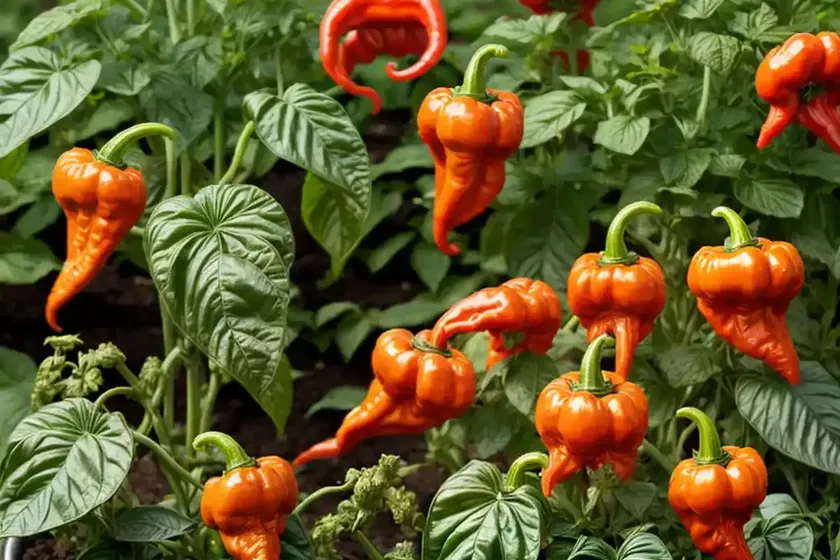
The Trinidad Scorpion, scientifically known as Capsicum Chinense, is a species of chili pepper that originated in Trinidad. Renowned for its exceptional heat, it has made its mark as one of the hottest peppers on the Scoville scale, the standard measure of the spiciness of chili peppers. With its vibrant red color and distinctively wrinkled surface, the Trinidad Scorpion is not only a culinary delicacy but also a spectacle in the realm of horticulture and agriculture.
Key Takeaways – Trinidad Scorpion (Capsicum Chinense)
Before diving deeper into the remarkable characteristics and cultivation of the Trinidad Scorpion, it’s essential to understand the fundamental elements associated with its growth and maintenance. The key takeaways of this plant include its cultural uses, water and sunlight requirements, fertilization needs, soil preferences, pruning techniques, propagation methods, as well as its popularity and common diseases. Let’s embark on a journey to uncover the intricacies of nurturing and harnessing the potential of this piquant marvel of nature.
Culture Uses
-
Culinary Delights: The Trinidad Scorpion is extensively utilized in culinary practices, especially in dishes that call for intense heat and flavor. It is commonly incorporated into hot sauces, salsas, marinades, and spicy condiments due to its fiery nature and distinctive taste.
-
Medicinal Applications: Beyond its culinary relevance, the Trinidad Scorpion also possesses medicinal properties. It is often used as a natural remedy for various health issues, including pain relief, boosting metabolism, and promoting cardiovascular health. The active compound responsible for its heat, capsaicin, is known for its analgesic and anti-inflammatory properties.
Water
Proper watering is crucial for the healthy growth of Trinidad Scorpion plants. While they require consistent moisture, it’s important to avoid overwatering, as it can lead to root rot. The soil should be evenly moist, allowing excess water to drain away to prevent waterlogging.
Sunlight
Trinidad Scorpions thrive in warm, sunny conditions. They require at least 6-8 hours of direct sunlight daily to flourish and produce an abundance of flavorful, fiery peppers. Adequate sunlight also contributes to the development of vibrant colors and robust plant growth.
Fertilizer
Fertilization is essential for promoting prolific fruiting and overall plant vigor. A balanced fertilizer with a higher concentration of phosphorus is ideal for promoting flower and fruit development. Additionally, applying a potassium-rich fertilizer can enhance the pungency and flavor of the peppers.
Soil
Well-draining, nutrient-rich soil is paramount for cultivating healthy Trinidad Scorpion plants. A combination of organic matter, such as compost or well-rotted manure, and a slightly acidic soil pH ranging from 6.0 to 6.8 is optimal for these peppers.
Pruning
Pruning plays a pivotal role in optimizing fruit production and maintaining the overall health of Trinidad Scorpion plants. Regular pruning helps in controlling the plant’s size, improving air circulation, and reducing the risk of disease. Removing any diseased or damaged foliage is crucial to prevent the spread of pathogens.
Propagation
Trinidad Scorpion plants can be propagated through various methods, including seed propagation and vegetative propagation. Seeds can be harvested from mature peppers, while vegetative propagation techniques like stem cuttings can be employed to create genetically identical clones of the parent plant.
Container
For those with limited garden space or preferring container gardening, Trinidad Scorpion plants can thrive in appropriately sized pots or containers. The container should have adequate drainage holes to prevent waterlogging, and a nutrient-rich potting mix should be used to support plant growth.
Popularity
The popularity of Trinidad Scorpion peppers has surged in recent years, garnering attention from culinary enthusiasts, hot sauce aficionados, and growers alike. The allure of growing and incorporating these fiery peppers into various dishes has contributed to their widespread appeal and demand in the market.
Common Diseases
Like most plants, Trinidad Scorpion peppers are susceptible to certain diseases and pests that can compromise their health and productivity. Understanding the common diseases and their diagnosis can aid in implementing effective preventive measures and treatments.
Disease Diagnosis
Identifying the symptoms and signs of common diseases such as powdery mildew, bacterial leaf spot, and root rot is essential for prompt intervention and management. Early detection enables the implementation of appropriate control measures to mitigate the impact of diseases on plant health.
Common Pests
Pests such as aphids, thrips, and spider mites can pose a threat to Trinidad Scorpion plants, causing damage to foliage and affecting overall plant vigor. Employing integrated pest management strategies can help in controlling pest populations without relying solely on chemical interventions.
Botanist’s Tips
As a plant scientist, there are several valuable insights and recommendations I can offer for successfully cultivating and caring for Trinidad Scorpion plants:
-
Climate Considerations: Ensure that the environmental conditions, including temperature and humidity, align with the plant’s preferences for optimal growth and fruit production.
-
Companion Planting: Explore companion planting techniques to deter pests and enhance the growth of Trinidad Scorpion peppers. Plants such as marigolds and basil can act as natural pest repellents.
-
Regular Monitoring: Regularly monitor the plants for signs of nutrient deficiencies, pest infestations, and diseases. Prompt action can prevent minor issues from escalating and affecting the overall health of the plants.
-
Harvesting Techniques: Adopt proper harvesting practices to maximize the yield of fully ripened peppers. Timely harvesting encourages the development of new fruits and promotes continual production.
-
Soil Amendment: Periodically amend the soil with organic matter to replenish nutrients and maintain a favorable soil structure for sustained plant growth.
Fun Facts
To further enrich your understanding and appreciation for the captivating world of Trinidad Scorpion peppers, here are some intriguing fun facts:
- The Trinidad Scorpion held the title of the world’s hottest chili pepper, according to the Guinness World Records, until it was surpassed by the Carolina Reaper.
- These peppers owe their intense heat to the substantial concentration of capsaicinoids, particularly capsaicin, which activates the heat receptors in the mouth and induces the sensation of spiciness.
- Trinidad Scorpions are not only valued for their heat but also for their complex flavor profile, featuring fruity, citrusy, and floral notes beneath the fiery facade.
With these engaging insights, you can embark on your journey to cultivate and savor the exceptional qualities of the Trinidad Scorpion pepper.
Links to External Resources
To further expand your knowledge and resources related to the Trinidad Scorpion (Capsicum Chinense), I have curated a selection of reputable external links:
- Trinidad Scorpion Pepper: Growing Tips and Facts
- Capsicum Chinense: A Comprehensive Guide
- The Scoville Scale: Understanding the Heat of Peppers
- Pests and Diseases of Pepper Plants: Management Strategies
- Harvesting and Preserving Peppers: Best Practices
These resources cover a wide array of topics, including cultivation techniques, pest and disease management, and in-depth insights into the fascinating world of spicy peppers.
In conclusion, the Trinidad Scorpion (Capsicum Chinense) stands as a testament to the remarkable diversity and complexity of the plant kingdom. From its cultural significance and culinary applications to its cultivation and botanical nuances, this fiery pepper continues to captivate and inspire enthusiasts worldwide. As you embark on your journey of growing and appreciating the Trinidad Scorpion, may this guide serve as a valuable companion, enriching your experience and understanding of this extraordinary plant.
In this blog post, I have strived to cover an extensive range of topics related to the Trinidad Scorpion, catering to both novice and experienced enthusiasts. Whether you are an avid gardener, a culinary enthusiast, or a plant science aficionado, this comprehensive guide aims to provide valuable insights and practical information for cultivating, appreciating, and harnessing the potential of the Trinidad Scorpion (Capsicum Chinense).