Carolina Reaper (Capsicum Chinense)
As a plant scientist with a passion for exploring the world of plants, it’s always fascinating to delve into the intricate details of specific plant.
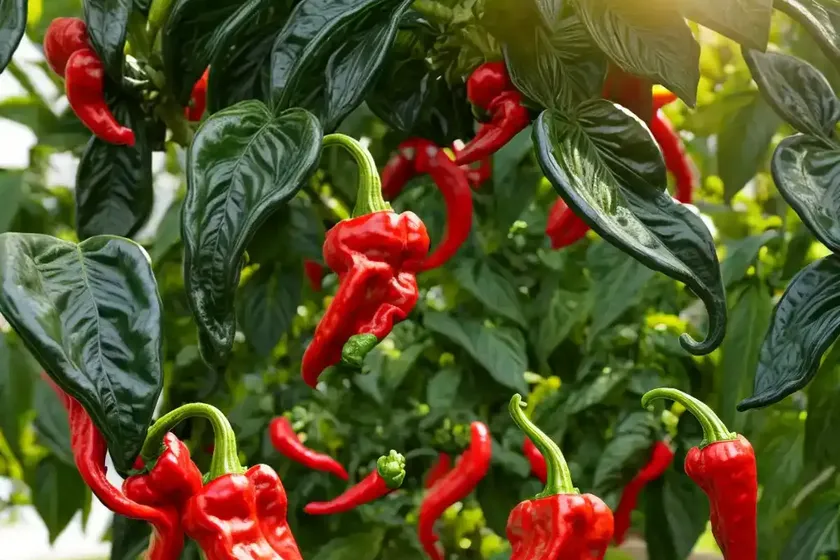
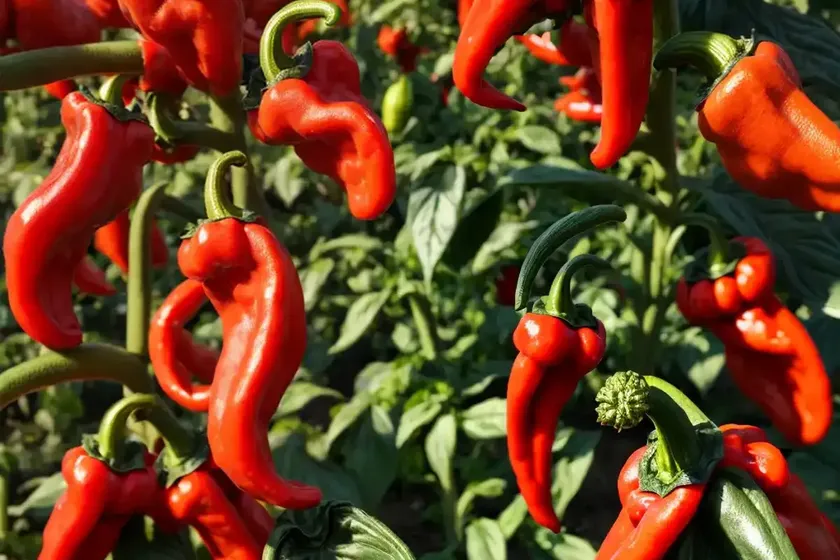
As a plant scientist with a passion for exploring the world of plants, it’s always fascinating to delve into the intricate details of specific plant species. One such plant that has garnered immense attention is the Carolina Reaper (Capsicum Chinense). Known for its fiery heat and unique characteristics, this plant has piqued the interest of horticulturists, culinary enthusiasts, and researchers alike. In this comprehensive guide, we’ll unravel the mysteries surrounding the Carolina Reaper, exploring its cultural significance, uses, growing conditions, challenges, and much more.
What Is Carolina Reaper (Capsicum Chinense)?
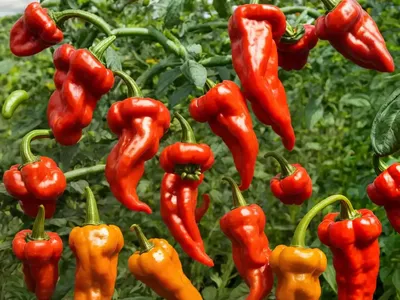
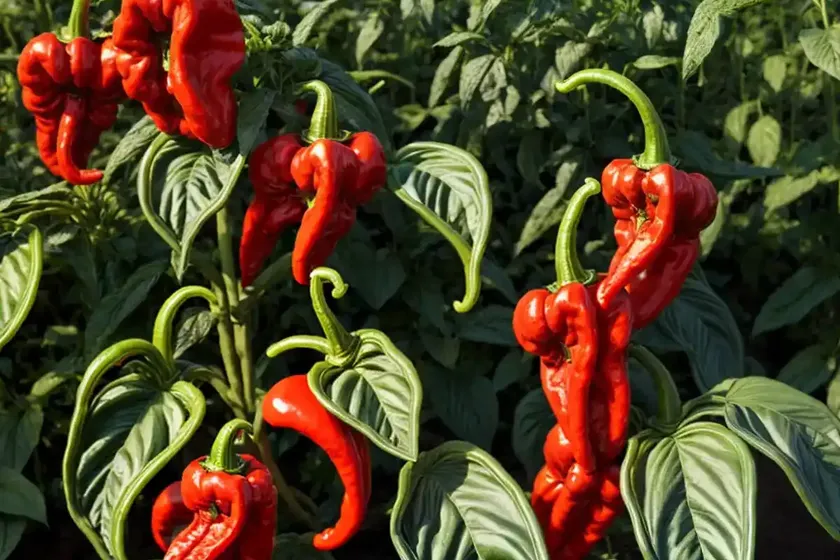
The Carolina Reaper, scientifically classified as Capsicum Chinense, is a hybrid chili pepper cultivar that gained notoriety for claiming the title of the world’s spiciest pepper in 2013. Developed by Ed Currie of the PuckerButt Pepper Company in South Carolina, this pepper has an average heat level of 1,641,183 Scoville Heat Units (SHU) and has been recorded at over 2.2 million SHU. The distinctively wrinkled, contorted appearance of the Carolina Reaper sets it apart from other pepper varieties, making it a sought-after addition to spice aficionados’ gardens and culinary creations.
Key Takeaways – Carolina Reaper (Capsicum Chinense)
Before we dive into the intricacies of cultivating and caring for the Carolina Reaper, it’s essential to highlight the key takeaways associated with this extraordinary plant. Here are some of the crucial points to keep in mind:
- Carolina Reaper ranks as the spiciest pepper in the world, boasting exceptional heat levels that have captivated food enthusiasts and researchers worldwide.
- The Capsicum Chinense species includes an array of diverse chili pepper varieties, each possessing unique flavors, heat intensities, and uses.
- The Carolina Reaper’s heat can be a double-edged sword, adding intense spiciness to culinary dishes while also presenting challenges in handling, cultivation, and consumption.
- When growing Carolina Reapers, it’s crucial to adhere to specific cultural practices, from providing optimal sunlight and water to addressing potential diseases and pests effectively.
- The uses of Carolina Reaper extend beyond the realm of culinary adventures, with this pepper holding potential health benefits, medicinal properties, and applications in natural remedies and insect repellents.
Now, let’s embark on a captivating journey into the world of Carolina Reaper, unraveling its cultural significance and assorted facets.
Culture
Understanding the cultural requirements of the Carolina Reaper is fundamental to successfully nurturing this remarkable plant. From the ideal growing conditions to the appropriate care regimen, let’s delve into the cultural nuances that define the Carolina Reaper’s cultivation.
Uses
The uses of the Carolina Reaper pepper extend far beyond its notoriety as a scorching-hot ingredient in culinary concoctions. This pepper’s intense heat, combined with its distinct flavor profile, enables it to play a versatile role in various applications, including:
- Culinary Delights: Carolina Reaper peppers are utilized in the creation of hot sauces, chili pastes, salsas, and spicy condiments, adding a fiery kick to an array of dishes.
- Medicinal Purposes: Some research suggests that the compounds present in Carolina Reaper peppers, including capsaicin, may offer potential health benefits, such as pain relief, improvement in metabolism, and support for the immune system.
- Natural Remedies: Due to its capsaicin content, the Carolina Reaper is occasionally used in natural remedies for conditions such as cold and flu, with its heat purported to help alleviate symptoms.
Water
Proper watering is essential for the optimal growth and development of Carolina Reaper plants. Maintaining a consistent watering schedule and ensuring adequate moisture levels is critical, especially during the plant’s active growth phases and fruiting periods. When watering Carolina Reapers, it’s advisable to:
- Watering Frequency: Provide regular watering, ensuring that the soil remains consistently moist but not waterlogged.
- Soil Moisture Monitoring: Regularly check the soil moisture levels to prevent under-watering or over-watering, which can adversely impact the plant’s health and fruit production.
- Mulching: Apply a layer of organic mulch around the plants to help retain soil moisture and regulate the temperature, promoting a conducive environment for optimal growth.
Sunlight
Sunlight plays a pivotal role in the growth and productivity of Carolina Reaper plants. These peppers thrive in warm, sunny conditions, necessitating ample sunlight for robust growth and the development of their signature fiery heat. When providing sunlight for Carolina Reaper plants, consider the following:
- Full Sun Exposure: Ensure that Carolina Reaper plants receive at least 6 to 8 hours of direct sunlight daily, preferably in the morning and early afternoon when the sun’s intensity is favorable for photosynthesis and growth.
- Shade Protection: While Carolina Reapers require abundant sunlight, it’s essential to protect them from excessive heat and direct afternoon sun, which can result in sunburn and heat stress. Implement shading or light diffusing techniques if necessary.
- Indoor Cultivation: In regions with limited sunlight or adverse weather conditions, indoor cultivation with supplemental grow lights can help provide the necessary light requirements for Carolina Reaper plants.
Fertilizer
Applying suitable fertilizers is integral to ensuring the vigor and high-yield potential of Carolina Reaper plants. By providing essential nutrients in the right proportions, fertilizers contribute to robust foliage, prolific flowering, and bountiful fruit production. When fertilizing Carolina Reapers, consider the following guidelines:
- Balanced Nutrient Supply: Choose a well-balanced, water-soluble fertilizer with a formulation suited for fruiting plants, ideally featuring higher phosphorus (P) and potassium (K) ratios to promote flowering and fruit setting.
- Application Frequency: Apply fertilizer at regular intervals throughout the growing season, following the manufacturer’s guidelines or a recommended fertilization schedule tailored to the specific needs of pepper plants.
- Organic Amendments: Incorporate organic matter, such as compost or well-decomposed manure, into the soil to enhance its fertility and improve the overall nutrient availability for Carolina Reaper plants.
Soil
The soil composition and quality significantly influence the growth, health, and productivity of Carolina Reaper plants. Choosing the right soil type and maintaining optimal soil conditions are critical for ensuring the well-being of these peppers. When addressing soil requirements for Carolina Reapers, take into account the following considerations:
Soil Type
- Well-Draining Soil: Carolina Reapers thrive in well-draining soil that prevents waterlogging and facilitates root aeration. A balanced blend of sand, silt, and organic matter creates an ideal soil structure for these peppers, enhancing their growth and minimizing the risk of root diseases.
- pH Levels: Aim for a slightly acidic to neutral soil pH range of 6.0 to 6.8, which supports nutrient uptake and microbial activity in the soil, contributing to the overall health and vitality of Carolina Reaper plants.
- Soil Amendments: Incorporate organic amendments and soil conditioners, such as compost, peat moss, or perlite, to improve soil texture, fertility, and moisture retention, creating an optimal growing medium for Carolina Reapers.
Pruning
Pruning plays a pivotal role in managing the growth, shape, and productivity of Carolina Reaper plants. By selectively removing unwanted foliage, spent flowers, and non-fruiting branches, pruning promotes air circulation, disease prevention, and the redirection of the plant’s energy towards fruit development. When engaging in pruning practices for Carolina Reapers, keep the following tips in mind:
- Selective Pruning: Regularly inspect the plants and selectively prune away damaged, diseased, or overcrowded foliage to maintain plant vigor and minimize the risk of disease spread.
- Top Pruning: Consider topping the plants by removing the growing tips to encourage lateral branching and stimulate abundant flower and fruit formation, ultimately leading to a higher yield of Carolina Reaper peppers.
- Sterilization: Use clean, sharp pruning shears or scissors to make precise cuts, reducing the risk of transmitting infections and ensuring optimal healing for the pruned areas of the plants.
Propagation
The propagation of Carolina Reaper plants can be achieved through various methods, each offering unique advantages and considerations. Whether starting from seeds, cuttings, or transplants, understanding the propagation techniques and their associated nuances is crucial for successfully establishing Carolina Reaper plants. Explore the following propagation methods and their implications for cultivating Carolina Reapers:
Seed Propagation
- Seed Selection: Choose high-quality, viable Carolina Reaper seeds from trusted sources, ensuring genetic purity and desirable traits for robust plant development and fruit production.
- Germination Conditions: Provide optimal germination conditions, including consistent moisture, warmth, and indirect light, to facilitate the prompt and uniform emergence of Carolina Reaper seedlings.
Cutting Propagation
- Cutting Preparation: Select healthy, disease-free stem cuttings from established Carolina Reaper plants, ensuring that each cutting includes a portion of the stem and a few leaves for photosynthesis.
- Rooting Medium: Plant the cuttings in a well-draining, sterile rooting medium and maintain appropriate humidity and warmth to encourage the development of roots and the establishment of new plants.
Transplanting
- Transplant Timing: If starting with nursery-bought Carolina Reaper plants or transplants, carefully acclimate the plants to their new environment and ensure a smooth transition by minimizing root disturbance during the transplanting process.
- Post-Transplant Care: Provide adequate water, sunlight, and protection from environmental stressors after transplanting to support the establishment and growth of transplanted Carolina Reaper plants.
Container Popularity
The allure of container gardening has led to a surge in the popularity of cultivating Carolina Reaper plants in containers and pots. This approach offers flexibility, space optimization, and the ability to control growing conditions, making it an attractive option for both novice and experienced gardeners. When incorporating Carolina Reaper plants into container gardening, consider the following factors:
- Container Size: Select adequately sized containers with sufficient depth and volume to accommodate the vigorous root system of Carolina Reaper plants, allowing ample room for growth and stability.
- Drainage: Ensure that the containers have adequate drainage holes and employ well-draining potting mixes to mitigate the risk of waterlogging and root rot, safeguarding the health of Carolina Reapers in containers.
Common Diseases
Managing and mitigating disease issues are integral aspects of nurturing healthy Carolina Reaper plants. By being vigilant about common plant diseases and implementing preventive measures, it is possible to minimize the impact of diseases on these peppers. Some of the prevalent diseases that may affect Carolina Reaper plants include:
Disease Diagnosis
- Anthracnose: Look for symptoms such as dark, sunken lesions on fruits, leaves, and stems, often accompanied by spore production and rapid disease spread during humid, warm conditions.
- Blossom End Rot: Monitor for dark, sunken areas at the blossom end of developing fruits, indicative of calcium deficiency or fluctuations in soil moisture levels affecting nutrient uptake.
- Powdery Mildew: Watch for the characteristic white, powdery growth on leaves and stems, indicative of fungal infestation favored by warm, dry conditions and poor air circulation.
Common Pests
The prevalence of pests poses a potential threat to the health and productivity of Carolina Reaper plants, necessitating proactive pest management to curtail infestations effectively. Identifying and addressing common pests, such as aphids, spider mites, and caterpillars, can be crucial in safeguarding Carolina Reapers from pest-related damage.
Botanist’s Tips
Drawing from a wealth of botanical expertise and practical insights, here are some invaluable tips from seasoned botanists to elevate your cultivation efforts and ensure the flourishing growth of Carolina Reaper plants:
- Crop Rotation: Implement crop rotation practices to prevent disease buildup and nutrient depletion in the soil, strategically rotating pepper crops with non-related plants to optimize soil health.
- Companion Planting: Consider companion planting with compatible species, such as basil, parsley, or marigolds, to deter pests, enhance pollination, and create a synergistic garden ecosystem for Carolina Reapers.
Fun Facts
Uncover fascinating tidbits and lesser-known facts about Carolina Reaper plants that add an extra layer of intrigue to their captivating allure:
- The Carolina Reaper was officially certified as the world’s hottest chili pepper by the Guinness World Records in 2013, solidifying its reputation as a fiery sensation.
- Despite its extreme heat, the Carolina Reaper also exhibits complex flavor profiles, offering fruity, sweet undertones beneath its intense spiciness.
- The distinctive crinkled appearance of Carolina Reaper peppers contributes to their visual appeal, making them a striking addition to ornamental gardens and culinary compositions alike.
At this point, you might be inspired to explore the world of Carolina Reaper peppers further, whether in the garden, kitchen, or beyond. The multifaceted nature of these peppers, encompassing culinary, horticultural, and medicinal dimensions, makes them a compelling subject of study and admiration.
Links to External Resources
For those eager to delve deeper into the realm of Carolina Reaper plants, here are some insightful resources to expand your knowledge and glean additional insights:
-
The Official PuckerButt Pepper Company Website: Explore the pioneering efforts and flavorful offerings of the PuckerButt Pepper Company, the home of the Carolina Reaper.
-
Guinness World Records – Carolina Reaper: Uncover the captivating story behind the Carolina Reaper’s prestigious recognition as the world’s hottest chili pepper through the official Guinness World Records website.
-
The PepperScale Guide to the Carolina Reaper: Delve into a comprehensive overview of the Carolina Reaper pepper, including its Scoville rating, flavor profile, and culinary uses, provided by PepperScale.
-
The Chile Pepper Institute at New Mexico State University: Tap into the expertise of the Chile Pepper Institute, a renowned hub for chili pepper research, education, and resources.
By navigating through these resources, you can expand your understanding of Carolina Reaper plants, their attributes, and their diverse applications, enriching your journey into the vibrant world of peppers.
In conclusion, the Carolina Reaper (Capsicum Chinense) stands as a testament to the rich tapestry of plant diversity and the captivating interplay between culture, science, and culinary arts. From its scorching heat to its potential health benefits and culinary allure, the Carolina Reaper encompasses a spectrum of intriguing facets that continue to captivate and inspire enthusiasts around the globe.
As you explore the nuances of cultivating, caring for, and savoring the fiery essence of Carolina Reaper peppers, may your journey be infused with the spirit of discovery, creativity, and appreciation for the remarkable botanical wonders that grace our world.
Now, it’s time to embark on your own Carolina Reaper adventure, whether it’s cultivating these fiery peppers in your garden, experimenting with spicy recipes, or uncovering the untold stories behind the world’s spiciest sensation. Embrace the thrill of discovery and let the allure of the Carolina Reaper ignite your passion for plants and flavors in a truly unforgettable way.