Tricyrtis ‘Taipei Silk’ (Toad Lily)
Tricyrtis ‘Taipei Silk’, commonly known as the Toad Lily, is a stunning perennial plant that belongs to the Tricyrtis formosana species. This ornamental.
What is Tricyrtis ‘Taipei Silk’?
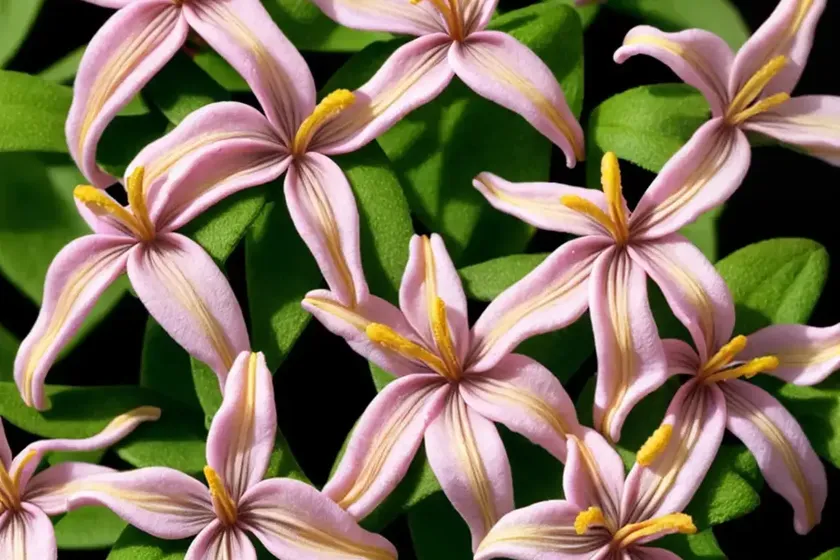
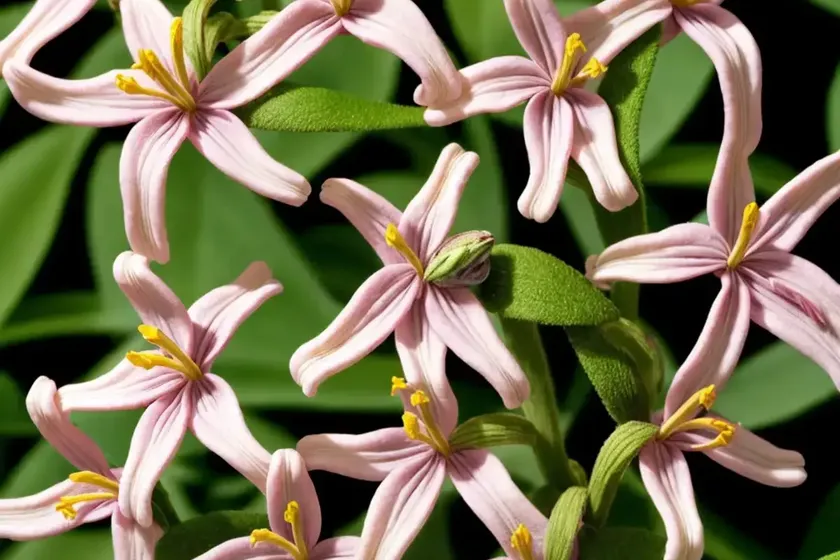
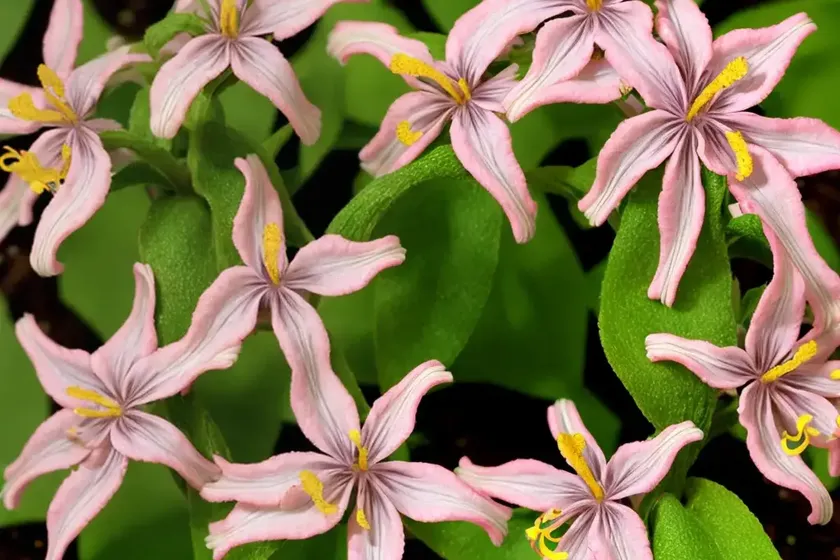
Tricyrtis ‘Taipei Silk’, commonly known as the Toad Lily, is a stunning perennial plant that belongs to the Tricyrtis formosana species. This ornamental plant is native to Taiwan and is renowned for its unique and exotic appearance. Its charming lily-like flowers, shade-tolerant nature, and low-maintenance requirements make it a popular choice for gardeners seeking to add a touch of botanical beauty to their landscapes.
In this blog post, we will explore the captivating features of Tricyrtis ‘Taipei Silk’, including its cultural preferences, uses, and maintenance tips. Whether you are a seasoned botanist or an amateur gardener, this comprehensive guide will provide valuable insights into cultivating and nurturing this exquisite plant.
Key Takeaways – Tricyrtis ‘Taipei Silk’ (Toad Lily)
Before delving into the intricate details of Tricyrtis ‘Taipei Silk’, let’s overview some key takeaways about this fascinating plant:
- Tricyrtis ‘Taipei Silk’ is a shade-loving perennial plant native to Taiwan, known for its lily-like flowers and unique foliage pattern.
- This plant thrives in moist, dappled shade environments, making it an ideal choice for gardens with partial shade or woodlands.
- Tricyrtis ‘Taipei Silk’ is a nectar-rich, wildlife-friendly plant that attracts hummingbirds and repels common garden pests.
- Its compact growth habit and low-maintenance nature make it an excellent candidate for container gardening and landscaping accents.
- The plant belongs to the Tricyrtisaceae family and is characterized by its textured leaves and vibrant blooms.
Now, let’s dive into the specifics of cultivating and caring for Tricyrtis ‘Taipei Silk’.
Culture
Understanding the cultural preferences of Tricyrtis ‘Taipei Silk’ is crucial for creating an environment where it can thrive and flourish. From soil requirements to pruning techniques, each aspect of its culture plays a vital role in the overall health and vibrancy of the plant.
Uses
Tricyrtis ‘Taipei Silk’ serves various purposes in garden landscapes, thanks to its unique attributes and versatile nature. Here are some common uses of this captivating plant:
- Ornamental Feature: The lily-like flowers and distinctive foliage pattern of Tricyrtis ‘Taipei Silk’ make it an eye-catching addition to gardens, borders, and woodland settings.
- Shade-Tolerant Accent: Due to its love for dappled shade, this plant is ideal for adding pops of color and texture to shaded areas where other plants may struggle to thrive.
- Hummingbird Attractor: The nectar-rich flowers of Tricyrtis ‘Taipei Silk’ make it a popular choice for attracting and sustaining hummingbirds, contributing to the ecological balance of the garden.
- Pest-Repellent Companion: The natural resistance of this plant to common garden pests makes it a valuable addition to gardens seeking to minimize pest infestations without resorting to chemical interventions.
Water
Proper watering is essential for the health and vitality of Tricyrtis ‘Taipei Silk’. As a moisture-loving plant, it thrives in consistently moist soil, particularly during its active growth periods. Here are some guidelines for watering this unique plant:
- Regular Moisture: Tricyrtis ‘Taipei Silk’ prefers consistently moist soil, especially during the active growing season. Ensure that the soil remains consistently damp without becoming waterlogged.
- Mulching: Applying a layer of organic mulch around the base of the plant can help retain moisture and regulate soil temperature, benefiting the overall moisture requirements of the plant.
Sunlight
Tricyrtis ‘Taipei Silk’ is renowned for its shade-loving nature, thriving in dappled shade or filtered sunlight. Understanding its sunlight preferences is essential for ensuring optimal growth and flowering. Here’s what you need to know about providing the right amount of sunlight for this unique plant:
- Partial Shade: This plant flourishes in partial shade, where it receives gentle, filtered sunlight throughout the day. A woodland setting with dappled light or an area with morning sun and afternoon shade is ideal for Tricyrtis ‘Taipei Silk’.
- Avoid Direct Sunlight: Direct, intense sunlight can scorch the delicate foliage of this plant, making it essential to protect it from harsh midday sun.
Fertilizer
Fertilizing Tricyrtis ‘Taipei Silk’ can help support its growth and enhance its flowering potential. However, it’s crucial to understand the appropriate timing and type of fertilizer to use for this unique plant. Here are some fertilization tips for nurturing Tricyrtis ‘Taipei Silk’:
- Organic Fertilizer: Consider using a balanced, organic fertilizer in early spring to provide essential nutrients for the plant’s growth and development.
- Fertilization Frequency: Apply fertilizer once a year, ideally in early spring before the active growing season begins. Avoid over-fertilization, as excessive nutrients can negatively impact the plant.
Soil
The soil composition plays a critical role in the overall well-being of Tricyrtis ‘Taipei Silk’. Understanding its soil preferences and making necessary amendments can significantly impact the plant’s health and vigor. Here’s what you need to know about the soil requirements for this unique plant:
- Well-Draining Soil: Tricyrtis ‘Taipei Silk’ thrives in well-draining, humus-rich soil that retains moisture without becoming waterlogged. Amending compacted or clayey soil with organic matter can improve drainage and create an optimal growing environment.
- Acidic Soil: This plant prefers slightly acidic soil with a pH range of 5.5 to 6.5. Ensuring the right soil pH can support nutrient absorption and overall plant health.
Pruning
Pruning Tricyrtis ‘Taipei Silk’ is essential for maintaining its shape, controlling its spread, and promoting healthy growth. Proper pruning techniques can also help remove dead or damaged foliage, enhancing the plant’s visual appeal. Here are some pruning guidelines for this unique plant:
- Deadheading Flowers: Remove spent flowers to encourage continuous blooming and prevent the plant from expending energy on seed production.
- Cutting Back in Fall: Once the flowering period is over, consider trimming back the foliage to ground level in the fall. This helps rejuvenate the plant and prepare it for the next growing season.
- Thinning Out Crowded Areas: If the plant becomes overly dense or crowded, selectively thin out the stems and foliage to improve air circulation and reduce the risk of diseases.
Propagation
Propagation allows you to expand your collection of Tricyrtis ‘Taipei Silk’ by creating new plants from existing ones. Understanding the best propagation methods and timing is essential for successfully propagating this unique plant. Here are some common propagation techniques for Tricyrtis ‘Taipei Silk’:
- Division: Divide mature clumps of Tricyrtis ‘Taipei Silk’ in early spring before the onset of new growth. Gently separate the rhizomes and replant them in prepared soil to create new plants.
- Seed Propagation: Collect seeds from mature seed pods and sow them in a well-draining seed-starting mix. Keep the soil consistently moist and provide indirect light for successful germination.
Container Popularity
Tricyrtis ‘Taipei Silk’’s compact growth habit and low-maintenance nature make it an excellent candidate for container gardening. Cultivating this unique plant in containers not only allows for greater flexibility in placement but also adds a touch of botanical beauty to patios, balconies, and small outdoor spaces. Here are some reasons why this plant is popular among container gardening enthusiasts:
- Space Efficiency: Tricyrtis ‘Taipei Silk’ thrives in containers, making it an ideal choice for gardeners with limited outdoor space. Its compact size and controlled growth make it suitable for small gardens, urban landscapes, and balconies.
- Versatile Placement: Containers filled with Tricyrtis ‘Taipei Silk’ can be strategically placed in shaded areas, patios, or entryways, adding vibrant splashes of color and texture to outdoor spaces.
- Low-Maintenance Care: Container-grown Tricyrtis ‘Taipei Silk’ requires minimal maintenance and can be easily moved or relocated to accommodate changing sunlight conditions or design preferences.
Common Diseases
While Tricyrtis ‘Taipei Silk’ exhibits resistance to many common garden pests, it is susceptible to certain diseases and issues that can affect its overall health and appearance. Identifying and addressing these common diseases is crucial for maintaining the vitality of this unique plant. Here are some common diseases that may affect Tricyrtis ‘Taipei Silk’:
- Leaf Spot: Fungal infections can cause circular, brown spots to form on the leaves of Tricyrtis ‘Taipei Silk’, impacting its aesthetic appeal. Proper air circulation and controlled watering can help prevent this issue.
- Crown Rot: Overly wet or poorly drained soil can lead to crown rot in Tricyrtis ‘Taipei Silk’, affecting the plant’s base and root system. Ensuring proper soil drainage and avoiding waterlogged conditions can mitigate this problem.
Disease Diagnosis
Diagnosing diseases and issues affecting Tricyrtis ‘Taipei Silk’ involves careful observation and prompt intervention. Understanding the symptoms and signs of common diseases can aid in implementing targeted treatments and preventive measures to protect the plant. Here’s how to diagnose potential diseases affecting this unique plant:
- Visual Inspection: Regularly inspect the foliage, stems, and base of Tricyrtis ‘Taipei Silk’ for any signs of discoloration, wilting, or abnormal growth.
- Symptom Recognition: Learn to recognize the specific symptoms associated with common diseases, such as leaf spots, wilting, or unusual changes in the foliage’s texture.
- Consulting Experts: If you encounter unfamiliar symptoms or are unsure about the diagnosis, seek guidance from horticultural experts or local plant clinics to accurately identify and address any potential diseases.
Common Pests
While Tricyrtis ‘Taipei Silk’ exhibits natural resistance to many common garden pests, it may still attract certain insects that can impact its health and appearance. Understanding the common pests that may affect this plant is essential for implementing targeted pest management strategies. Here are some common pests that may be attracted to Tricyrtis ‘Taipei Silk’:
- Slugs and Snails: These moisture-loving pests can feed on the foliage and flowers of Tricyrtis ‘Taipei Silk’, leading to unsightly damage. Implementing slug and snail control measures, such as barriers and natural repellents, can help protect the plant.
- Spider Mites: In dry or hot conditions, spider mites may infest the leaves of Tricyrtis ‘Taipei Silk’, causing discoloration and stippling. Regularly misting the plant and monitoring moisture levels can deter these pests.
Botanist’s Tips
As a plant scientist, here are some expert tips for successfully cultivating and caring for Tricyrtis ‘Taipei Silk’:
- Choose the Right Location: Select a shaded area with well-draining soil for planting Tricyrtis ‘Taipei Silk’, ensuring it receives gentle, filtered sunlight throughout the day.
- Consistent Moisture: Maintain consistently moist soil to support the plant’s growth and flowering, avoiding both drought stress and waterlogged conditions.
- Protect from Harsh Sunlight: Shield the plant from direct, intense sunlight, as it can damage the delicate foliage and compromise the plant’s health.
- Prune Thoughtfully: Practice regular pruning to remove spent flowers and thin out crowded areas, promoting healthy growth and a more attractive appearance.
Fun Facts
Uncover some intriguing and lesser-known facts about Tricyrtis ‘Taipei Silk’ that showcase the unique charm of this delightful plant:
- Wildlife-Friendly: Tricyrtis ‘Taipei Silk’ is a nectar-rich plant that not only attracts hummingbirds but also provides a valuable food source for beneficial insects and pollinators.
- Unique Foliage Pattern: The striking foliage of Tricyrtis ‘Taipei Silk’ displays a distinctive, textured pattern, adding visual interest to shaded gardens and woodland landscapes.
- Low-Maintenance Elegance: Despite its ornate appearance, Tricyrtis ‘Taipei Silk’ is a relatively low-maintenance plant, making it an excellent choice for gardeners seeking effortless beauty in their landscapes.
Links to External Resources
Explore additional resources and information about Tricyrtis ‘Taipei Silk’ (Toad Lily) to expand your knowledge and appreciation of this remarkable plant:
- Royal Horticultural Society – Tricyrtis formosana
- Missouri Botanical Garden – Tricyrtis ‘Taipei Silk’
- Plant Delights Nursery – Toad Lilies
With its enchanting blooms, shade-loving nature, and wildlife-friendly qualities, Tricyrtis ‘Taipei Silk’ (Toad Lily) stands as a captivating addition to any garden or landscape. By understanding its cultural needs and unique characteristics, you can cultivate and cherish this exquisite plant, enriching your outdoor spaces with its botanical allure.
By immersing ourselves in the fascinating world of Tricyrtis ‘Taipei Silk’ (Toad Lily), we’ve gained a deeper appreciation for the exceptional qualities and beauty of this unique plant. Embracing its shade-tolerant blooms, textured foliage, and wildlife-friendly appeal, we can cultivate and celebrate the charismatic presence of Tricyrtis ‘Taipei Silk’ in our gardens and landscapes. Whether adorning shaded woodland gardens or adding colorful accents to outdoor containers, this ornate perennial plant continues to captivate with its botanical allure and understated elegance.


