Tricyrtis Formosana ‘Samurai’ (Toad Lily)
Tricyrtis formosana ‘Samurai’, commonly known as the Toad Lily, is a beautiful and unique plant that can add a touch of elegance and charm to any garden..
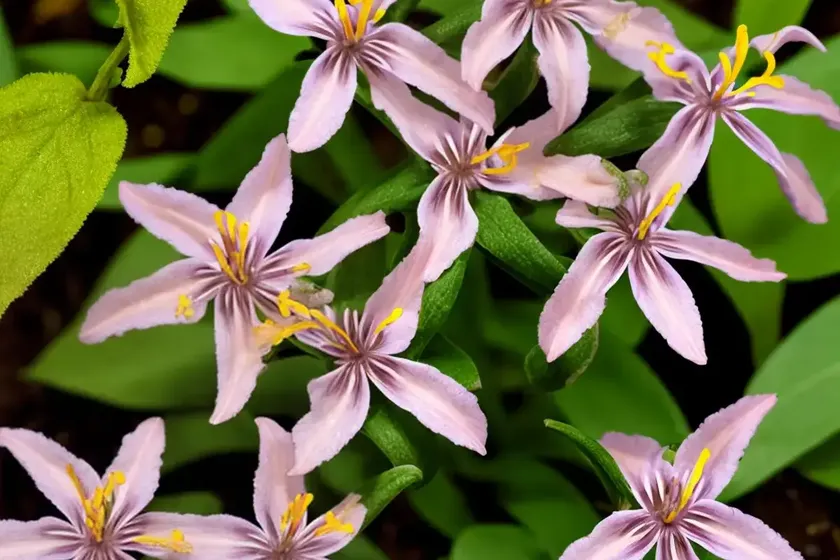
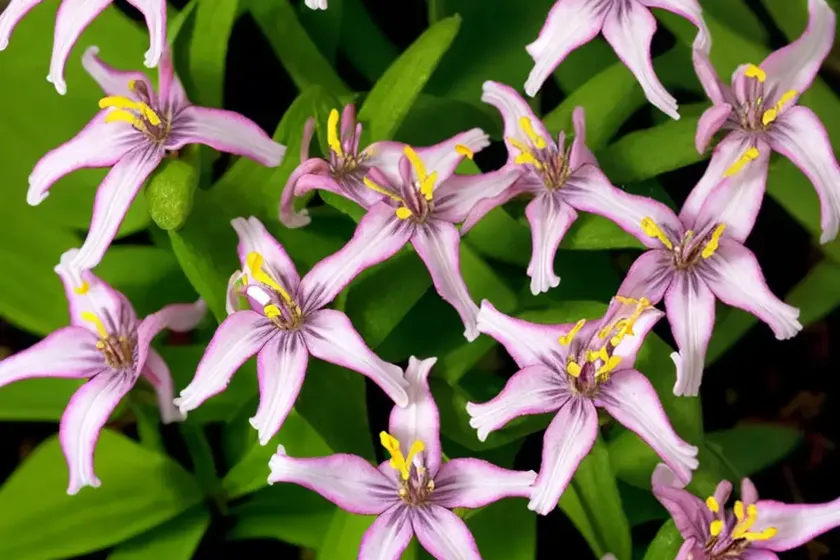
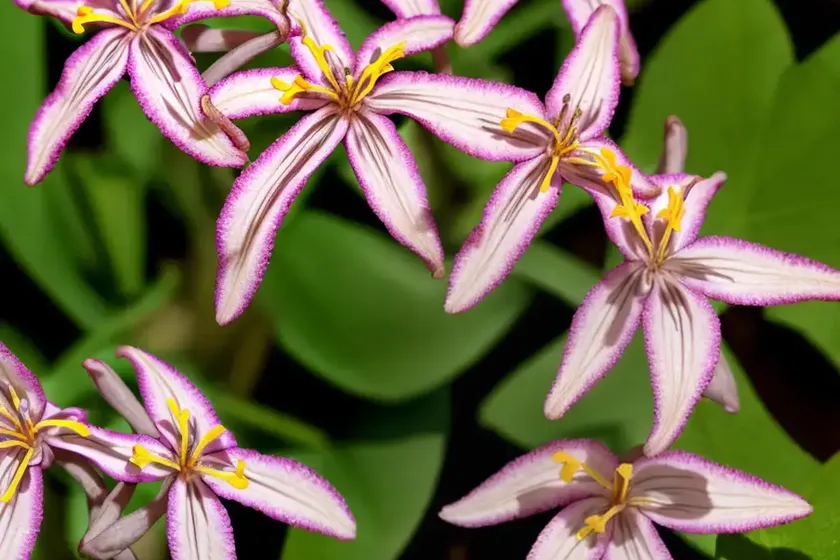
Tricyrtis formosana ‘Samurai’, commonly known as the Toad Lily, is a beautiful and unique plant that can add a touch of elegance and charm to any garden. This cultivar is known for its exquisite blooms and its ability to thrive in shade, making it a popular choice for gardeners looking to add diversity to their landscape.
In this comprehensive guide, we will delve into the intriguing world of Tricyrtis formosana ‘Samurai’, exploring its culture, uses, growing conditions, and the best practices for caring for this mesmerizing plant. Whether you are a seasoned gardener or a novice enthusiast, you will find valuable insights to help you cultivate and appreciate the beauty of the Samurai Toad Lily.
Key Takeaways – Tricyrtis formosana ‘Samurai’ (Toad Lily)
Before we embark on our journey to understand and appreciate the allure of Tricyrtis formosana ‘Samurai’, let’s take a moment to grasp the key takeaways of this delightful plant.
- Botanical Name: Tricyrtis formosana ‘Samurai’
- Common Name: Toad Lily
- Cultivar Type: Perennial
- Bloom Time: Late summer to early fall
- Growth Habit: Clumping
- Light: Partial to full shade
- Watering: Requires consistently moist soil
- Soil Type: Rich, well-draining
- Height: 1-2 feet
- Spread: 1-1.5 feet
- Uses: Shade gardens, woodland borders, and containers
As we delve into the intricacies of Tricyrtis formosana ‘Samurai’, we will explore its cultural preferences, propagation methods, potential uses in landscapes, common pests and diseases, and fascinating botanist tips to ensure its successful growth and thriving in your garden.
Tricyrtis formosana ‘Samurai’ is a captivating flowering plant belonging to the Tricyrtis genus in the Colchicaceae family. It is native to the woodlands and moist areas of Taiwan and southern and central China. The ‘Samurai’ cultivar is noted for its distinctive blooms, featuring intricate patterns on its petals, resembling the appearance of a toad’s skin, which gave rise to its common name, Toad Lily.
The delicate flowers of Tricyrtis formosana ‘Samurai’ typically appear in late summer to early fall, adding a splash of color and elegance to shaded areas of the garden. Its striking appearance and preference for shade make it an exceptional choice for gardens seeking to diversify their plant collections.
Culture
Water
Tricyrtis formosana ‘Samurai’ thrives in consistently moist soil. Therefore, it is essential to ensure that the plant receives sufficient water, especially during dry periods. However, it is crucial to avoid waterlogging, as excessive moisture can lead to root rot and other fungal diseases. Applying a generous layer of organic mulch around the plant can help retain soil moisture and regulate soil temperature, contributing to the overall health and vigor of the Toad Lily.
Sunlight
As a shade-loving plant, Tricyrtis formosana ‘Samurai’ prefers partial to full shade conditions. When selecting a planting location for the Toad Lily, it is essential to prioritize areas with filtered sunlight or dappled shade, as direct sunlight can scorch its delicate foliage and diminish the vibrancy of its blooms. Woodland borders, sheltered garden beds, or areas under dappled shade provided by trees or shrubs are ideal environments for cultivating the Samurai Toad Lily.
Fertilizer
To ensure robust growth and prolific flowering, it is beneficial to fertilize Tricyrtis formosana ‘Samurai’ during the growing season. A balanced, water-soluble fertilizer, applied at half strength, can be administered every 4-6 weeks from spring to early summer. It is important to refrain from over-fertilizing, as excessive nutrients can lead to leggy growth and diminish the plant’s overall vitality. Additionally, incorporating organic matter into the soil before planting can provide a steady source of nutrients, promoting healthy development and enhancing the plant’s resilience.
Soil
Tricyrtis formosana ‘Samurai’ thrives in rich, well-draining soil with ample organic content. A slightly acidic to neutral pH level (pH 5.5-7.0) is optimal for the Toad Lily, facilitating nutrient uptake and supporting its overall well-being. When preparing the planting site, amending the soil with compost, leaf mold, or well-rotted manure can improve its texture and fertility, creating an ideal environment for the Samurai Toad Lily to establish and flourish.
Pruning
Pruning plays a crucial role in maintaining the health and appearance of Tricyrtis formosana ‘Samurai’. Regular deadheading of spent blooms can encourage continuous flowering and prevent seed formation, redirecting the plant’s energy towards vegetative growth and the production of new flower buds. Additionally, removing damaged or diseased foliage can safeguard the Toad Lily from potential infections and enhance its aesthetic appeal. It is advisable to use sanitized pruning tools to minimize the risk of transmitting diseases and to make clean, precise cuts without causing undue stress to the plant.
Propagation
Tricyrtis formosana ‘Samurai’ can be propagated through various methods, including division, seed sowing, and stem cuttings. Division is one of the most common and effective techniques for multiplying the Toad Lily. It involves carefully separating the plant’s rhizomes in early spring or fall, ensuring that each division possesses healthy roots and viable growth points. These divisions can then be replanted in suitable locations, providing them with adequate moisture and protection as they establish themselves in their new environment.
Seed sowing is another viable method for propagating Tricyrtis formosana ‘Samurai’, although it requires patience and dedication due to the plant’s relatively slow germination and initial growth. Sowing the seeds in a well-prepared seed-starting mix and maintaining consistent moisture and warmth can promote successful germination, eventually yielding young Toad Lily plants ready for transplantation.
Stem cuttings offer an alternative approach to propagating the Samurai Toad Lily. Selecting healthy, non-flowering stems and rooting them in a suitable growing medium under controlled conditions can result in the development of new plants, preserving the desirable traits of the parent plant.
Container Popularity
Tricyrtis formosana ‘Samurai’ is well-suited for container gardening, offering an excellent option for gardeners seeking to introduce its unique beauty to patios, balconies, or other confined spaces. When cultivating the Toad Lily in containers, it is important to ensure the use of well-draining potting mix to prevent waterlogging and maintain adequate moisture levels. Additionally, selecting containers with sufficient depth can accommodate the plant’s rhizomatous growth habit and provide ample room for its root system to develop. Placing the containers in shaded or partially shaded areas can create a welcoming environment for Tricyrtis formosana ‘Samurai’ to thrive, adding a touch of elegance to any outdoor living space.
Common Diseases
Tricyrtis formosana ‘Samurai’ is generally resilient to most diseases, but it can be susceptible to certain fungal infections, including leaf spot and root rot, particularly in conditions of excessive moisture and poor air circulation. Implementing preventive measures, such as avoiding overhead watering, promoting good air circulation, and practicing proper sanitation, can mitigate the risk of disease development and safeguard the overall health of the Toad Lily. In cases where disease symptoms manifest, timely intervention through the application of appropriate fungicides or antimicrobial treatments, as recommended by local gardening experts or horticulturists, can help mitigate the spread and impact of fungal infections, supporting the plant’s recovery and vitality.
Disease Diagnosis
Diagnosing and addressing potential diseases affecting Tricyrtis formosana ‘Samurai’ requires keen observation and proactive management. Common symptoms of fungal diseases, such as leaf spot, include the presence of irregularly shaped, discolored lesions on the foliage, often accompanied by leaf wilting or premature defoliation. In instances of root rot, the plant may exhibit signs of wilting, browning or blackening of the roots, and a general decline in vigor. By promptly identifying these symptoms and seeking professional guidance, gardeners can effectively diagnose and treat potential diseases, preserving the health and beauty of their Toad Lily specimens.
Common Pests
While Tricyrtis formosana ‘Samurai’ is relatively resistant to pest infestations, it can occasionally attract certain pests, including slugs, snails, and aphids. These pests can pose a threat to the plant’s foliage and flowers, diminishing its aesthetic appeal and impacting its overall vitality. Implementing preventive measures, such as the strategic placement of physical barriers, the application of organic pest repellents, and the promotion of natural predators, can help deter common pests and protect the Toad Lily from potential damage. Regular monitoring and prompt intervention in cases of pest presence can effectively mitigate their impact on Tricyrtis formosana ‘Samurai’, preserving its health and visual appeal.
As a plant enthusiast and botanist, I have had the pleasure of cultivating and studying the captivating Tricyrtis formosana ‘Samurai’. Through my experiences and observations, I have gathered valuable insights and tips to help fellow gardeners successfully grow and appreciate the unique beauty of the Toad Lily. Here are some botanist’s tips to consider when caring for Tricyrtis formosana ‘Samurai’:
-
Ample Moisture: Consistently moist soil is essential for the optimal growth and flowering of Tricyrtis formosana ‘Samurai’. Regular monitoring and appropriate watering practices can help maintain an ideal moisture balance to support the plant’s overall well-being.
-
Shade Management: Selecting suitable planting locations with partial to full shade is crucial for the Samurai Toad Lily. By providing the plant with an environment that mimics its native woodlands, gardeners can ensure its flourishing and the longevity of its exquisite blooms.
-
Mulching Benefits: Applying a layer of organic mulch around Tricyrtis formosana ‘Samurai’ can offer multiple benefits, including moisture retention, weed suppression, and soil temperature regulation. Additionally, the gradual breakdown of the mulch can enrich the soil, contributing to the plant’s nutritional needs and growth.
-
Pruning Practices: Regular deadheading and prudent pruning of Tricyrtis formosana ‘Samurai’ can promote continuous flowering, maintain a tidy appearance, and mitigate the risk of diseases. Adhering to proper pruning techniques can significantly enhance the plant’s aesthetic appeal and vigor.
-
Disease Prevention: Implementing proactive measures to prevent fungal diseases, such as leaf spot and root rot, can safeguard the health and longevity of the Toad Lily. Employing cultural practices that promote air circulation, soil drainage, and overall plant hygiene can significantly reduce the risk of disease incidence.
-
Pest Management: Through vigilant monitoring and timely intervention, gardeners can effectively manage common pests, such as slugs, snails, and aphids, preventing potential damage to Tricyrtis formosana ‘Samurai’. Encouraging natural predators and implementing eco-friendly pest control methods can maintain the plant’s resilience and visual allure.
While exploring the captivating world of Tricyrtis formosana ‘Samurai’, I wanted to share some intriguing fun facts about the Toad Lily that highlight its unique characteristics and appeal:
-
The common name “Toad Lily” is derived from the distinctive spotted or mottled pattern on the plant’s flowers, resembling the textured skin of a toad.
-
Tricyrtis formosana ‘Samurai’ is a valuable addition to shade gardens and woodland landscapes, offering a rare combination of beauty and resilience in low-light environments.
-
The intricate blooms of the Toad Lily can attract pollinators such as bees and butterflies, contributing to the biodiversity and ecological balance of the garden.
-
In traditional Japanese gardens, Tricyrtis formosana ‘Samurai’ is esteemed for its grace and elegance, often featured as a focal point or accent plant in serene and contemplative settings.
-
The Samurai Toad Lily can serve as a stunning cut flower, adding a touch of exotic charm to floral arrangements and indoor displays, showcasing its versatility beyond the confines of the garden.
As you cultivate Tricyrtis formosana ‘Samurai’, I hope these fun facts ignite a deeper appreciation for the enchanting allure of the Toad Lily and its remarkable contributions to garden landscapes and horticultural traditions.
To further enrich your understanding and appreciation of Tricyrtis formosana ‘Samurai’, I have curated a list of external resources that offer valuable insights, practical tips, and inspirational ideas for cultivating and enjoying the unique beauty of the Toad Lily:
-
Royal Horticultural Society (RHS): The RHS provides comprehensive guidance on growing and caring for Tricyrtis formosana ‘Samurai’, including cultural requirements, propagation methods, and pest and disease management.
-
The American Horticultural Society (AHS): The AHS offers insightful articles and publications on shade gardening, emphasizing the suitability of Tricyrtis formosana ‘Samurai’ for vibrant and diverse shaded landscapes.
-
The National Gardening Association: The NGA features articles and forums discussing the use of Toad Lilies, such as Tricyrtis formosana ‘Samurai’, in container gardening, highlighting its adaptability and visual appeal in confined spaces.
-
The Missouri Botanical Garden: The Missouri Botanical Garden presents in-depth information on the natural history and ecological significance of Tricyrtis formosana, shedding light on the native habitats and conservation aspects of the species.
-
University Cooperative Extension Services: Various university extension services offer practical recommendations and research-based insights on the cultivation and maintenance of Tricyrtis formosana ‘Samurai’, providing region-specific guidance for gardeners and horticultural enthusiasts.
By exploring these trusted external resources, you can gain a holistic perspective on Tricyrtis formosana ‘Samurai’ and leverage expert knowledge to nurture and showcase the captivating beauty of the Toad Lily in your garden.
In conclusion, Tricyrtis formosana ‘Samurai’ stands out as an exceptional plant, captivating gardeners with its unique blooms, shade-loving nature, and overall elegance. By embracing the cultural preferences, propagation methods, and best practices for care, you can cultivate and showcase the mesmerizing beauty of the Samurai Toad Lily, creating enchanting garden displays and immersive landscapes that celebrate its distinctive charm and allure. As you embark on your journey with Tricyrtis formosana ‘Samurai’, may the insights and resources shared in this guide inspire and empower you to appreciate and elevate the presence of this delicate beauty in your garden, connecting you with the rich tapestry of nature’s wonders.


